In a world before refrigeration, factory farms, or fast food, the people of the Middle Ages relied entirely on the rhythms of nature, the seasons, and centuries of tradition to feed themselves. Their diets were shaped not only by the land but also by social class, religious doctrine, and deeply embedded cultural values.
As I dug into medieval manuscripts and historical cookbooks, I was struck by how resourceful, regional, and symbolic their food culture really was. Let’s travel back to the feasts and famine tables of the Middle Ages and uncover what exactly people ate from the 5th to the 15th century.
Bread for the Body and the Soul: The Daily Loaf of the Middle Ages
Bread was more than just a staple but it was the foundation of medieval sustenance and spirituality. In a time when the Eucharist was central to Christian life, bread carried both nutritional and sacred significance.
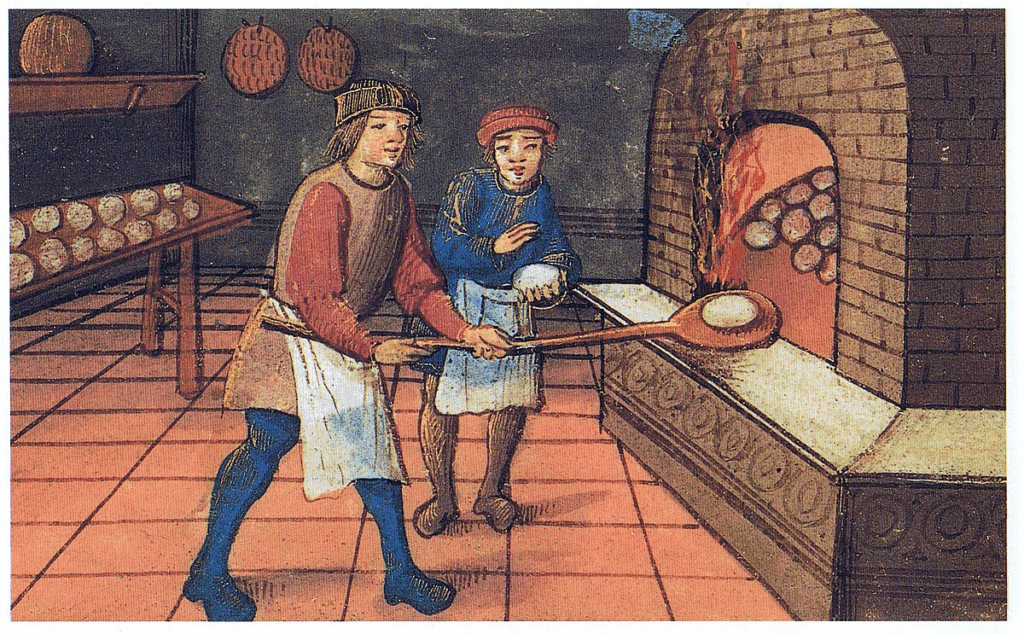
The entirety of Medieval society was structured around grain. Fields of wheat, rye, barley, and oats blanketed Europe, and the cycle of sowing and harvesting dictated the rhythm of rural life. In England, manorial records from estates like Glastonbury Abbey detail the amount of grain harvested, milled, and baked for consumption by both monks and lay workers. In the 13th century, bread accounted for such a large share of the medieval diet that fluctuations in grain prices often triggered widespread famine or revolt. The Great Famine of 1315–1317, for instance, was driven by consecutive years of crop failure, resulting in soaring bread prices and mass starvation.
The type of bread one ate depended on social rank. The wealthy and noble classes consumed manchet, a fine, white bread made from sifted wheat flour. This light, soft loaf required additional milling and more refined wheat, making it expensive and labor-intensive to produce. Nobles and clergy often had their own dedicated bakehouses. In contrast, the peasantry ate maslin, which was a darker, coarser bread made from a mix of grains such as barley and rye. In even leaner times, filler ingredients like fava beans, chestnut flour, or acorns were added. Archaeological evidence from rural sites across Britain and France reveals bread ovens filled with charred remnants of these rustic loaves.
Monasteries were deeply involved in bread production. The Rule of St. Benedict, which governed monastic life from the 6th century onward, includes instructions on the proper distribution of bread among monks, specifying two meals per day, each anchored by bread and accompanied by modest additions. The Abbey of Cluny in Burgundy, one of the most powerful Benedictine houses in Europe, produced bread not only for the monks but for pilgrims and the poor as part of their almsgiving duties. In some cases, specific monks were appointed as pistor (a baker whose sole responsibility was to manage grain stores and oversee baking).
Even monarchs understood the political significance of bread. King Henry III of England issued the Assize of Bread in 1266, a legal statute that regulated the weight and price of bread to protect commoners from exploitation by bakers. This law, remarkably, remained in effect in England for over 600 years. Its existence underscores the centrality of bread not just to survival but to the economic and moral order of medieval life.
Boiled Grains and Humble Stews: The Power of Pottage
For the lower classes, sustenance came in a steaming pot of pottage. This thick, ever-changing stew of grains and vegetables was a blank canvas for whatever could be foraged, grown, or spared. Oats, barley, or millet formed the base, simmered with leeks, turnips, beans, or wild greens. Meat was rare in these pots, but scraps or bones might be added for flavor on feast days.
Pottage evolved with the seasons and was passed down in oral tradition. In her book “Medieval Cookery,” Maggie Black captures how pottage was both survival food and culinary creativity in motion. I imagine peasants huddled around the hearth, each bowl different from the next, yet bound by the same principles of thrift and nourishment.
From Hunt to Hearth: Meat, Game, and the Social Divide
To dine on meat in the Middle Ages was to display wealth and power. Noble households enjoyed roasts of venison, boar, or even swan, often presented in elaborate feasts. Hunting was both a pastime and a privilege, as detailed in the courtly cookbook “Le Viandier” by Taillevent. These meats were heavily spiced and glazed, not just for flavor but to showcase imported ingredients. In contrast, peasants rarely had access to fresh meat unless they were hunters or fishermen by trade.
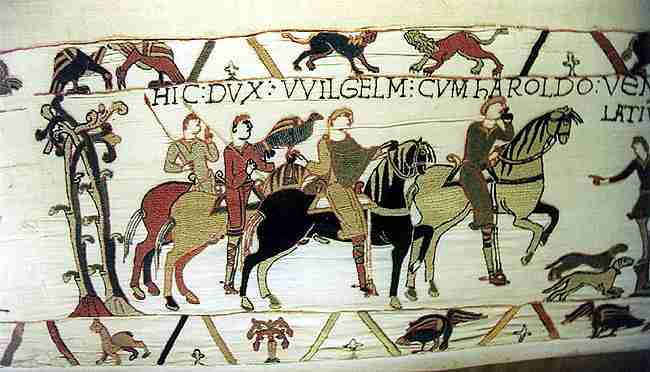
One of the most vivid examples of this is found in the hunting accounts of King Edward III of England. In the 1330s, he frequently retreated to the royal forest of Windsor, where elaborate hunts were held as part of diplomatic gatherings. On one such occasion, Edward organized a grand stag hunt to impress the visiting Count of Hainault, his father-in-law. Chroniclers describe dozens of mounted nobles in velvet hunting tunics, blowing horns and leading a retinue of over a hundred retainers, beaters, falconers, and servants. Trained dogs flushed out the deer, while bowmen stood at the ready to dispatch the game with precision.
When the royal party returned to the castle, the real work began. Carcasses were handed off to venators and avowers or specialists in cleaning, butchering, and seasoning the meat. Cooks in the royal kitchens prepared the spoils into elaborate dishes like roasted venison with spiced wine, wild boar glazed in honey, or stuffed swan adorned with its own feathers and gold leaf. The meat was not merely consumed, but it was displayed in great halls as a feast of both stomach and spectacle.
In sharp contrast, peasants could be imprisoned or even executed for poaching a single deer on noble land. The Forest Laws, especially harsh under the Norman kings, reserved game animals and even entire woodlands for elite use. Yet hunger often drove villagers to risk these punishments. In 1327, a man named William of Wycombe was tried and fined for snaring rabbits in the bishop’s forest, a small act of rebellion that reveals just how stratified access to meat had become.
For those who could not hunt, meat was a rare treat. Offal, tripe, bacon scraps, or salted pork were added to peasant stews sparingly. During religious fasts, which numbered over 150 days per year, even those small luxuries were forbidden, and fish or legumes took their place.
Still, the hunt cast a long cultural shadow. Noble families preserved the memory of the chase in tapestries, literature, and heraldry. The Livre de la Chasse, written in the late 14th century by Gaston Phoebus, Count of Foix, became a kind of hunting bible for aristocrats. Illustrated with images of hounds in pursuit and lords in noble attire, it reinforced the idea that meat was not just food but was a privilege of class and lineage.
Rooted in the Earth: Vegetables, Herbs, and Healing Plants
Contrary to outdated beliefs, vegetables were an essential part of the medieval diet, especially among peasants who couldn’t afford meat. Gardens grew robust crops of onions, leeks, cabbage, parsnips, and beans, while wild greens like nettles and dandelions were foraged.
Cooking methods were simple (usually boiling) but herbs from monastery gardens brought flavor and medicinal properties. The “Tacuinum Sanitatis,” a medieval health manual, treated vegetables not merely as food but as tools for balance and wellness. I found myself drawn to the way knowledge of the land and plants was not only practical but sacred, carried by herbalists and monks alike.
The Sweetness of Seasons: Fruit in Feast and Everyday Life
Fruit, both fresh and preserved, brought color and complexity to the medieval table. Apples, pears, cherries, and plums were eaten in season, often stewed or baked into tarts. Wealthy households turned fruit into sauces for meats or desserts, while dried fruits like raisins and dates (imported via trade with the Middle East) elevated elite dishes.
In “The Forme of Cury,” recipes like “pygge y-stywed” (stewed pig with prunes) demonstrate this culinary blending of sweet and savory. Fruit wasn’t just a treat; it was a signal of sophistication and access to global trade. I can picture noble kitchens bustling with imported spices and sugared fruit, while country homes relied on orchard gleanings and foraged berries.
Curdled, Churned, and Cultured: Dairy Across the Medieval World
Milk, cheese, and butter were deeply regional and seasonal in the Middle Ages. Milk soured quickly, so fresh consumption was limited to rural areas. Instead, people transformed it into cheese and butter which were foods that could last.
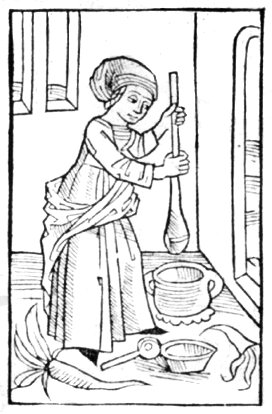
Cheese ranged from soft and fresh to hard and aged, and was often bartered or taxed. Monastic dairies, especially those run by the Cistercians, left behind records of production so detailed you can almost hear the wheels turning. Butter was more common in northern Europe, while olive oil reigned in the south. Dairy was functional, flavorful, and often communal, tied to a household’s livestock and labor rhythm.
Flavors from Afar: Spices, Sugar, and the Language of Luxury
Spices were the crown jewels of the medieval kitchen, but they belonged to the rich. Saffron, pepper, ginger, cinnamon, and cloves were shipped along trade routes that spanned continents. Sugar, too, was rare and used more like a spice, sparingly and with great care. Dishes like blancmange, a blend of chicken, rice, almonds, and sugar, embodied elite taste.
The cookbook “Le Ménagier de Paris” reveals how upper-class households layered sweet and savory flavors, a far cry from the modern palate. What struck me most was how these ingredients weren’t just culinary but they were cultural capital, proving one’s status through the plate.
Ales, Wines, and the Perils of Water
Few people drank plain water in the Middle Ages. Contamination was common, so people turned to ale, beer, and wine, beverages with enough alcohol content to kill microbes. Ale was the everyday drink for peasants, often brewed weak and consumed by all ages. Nobles preferred wine, sometimes spiced or diluted, stored in cellars and recorded in estate books.
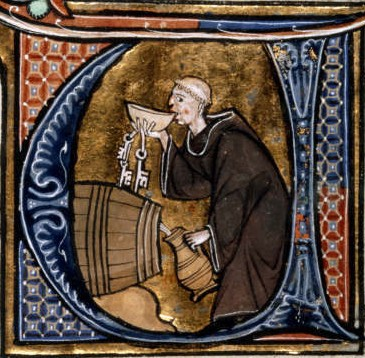
Monasteries played a central role in the production, refinement, and distribution of alcohol. Far from being centers of abstinence, medieval monastic orders such as the Benedictines, Cistercians, and later the Trappists became renowned for their brewing and winemaking expertise. The Rule of St. Benedict, written in the 6th century, even permits monks to drink moderate amounts of wine daily, recognizing the realities of medieval hydration.
The Benedictine monasteries, especially those in France and Italy, became major producers of wine, carefully cultivating vineyards and refining viticulture practices that would endure for centuries. They kept detailed records of grape varieties, harvest methods, and cellar aging techniques. Some of the most famous wine-producing regions in Europe today owe their reputations to these early monastic pioneers.
Meanwhile, in the cooler, beer-drinking regions of Europe (like England, the Low Countries, and the German-speaking lands), Cistercian monks and local clergy were deeply involved in ale and beer brewing. These monastic brews were often unfiltered, low in alcohol (especially “small ale”), and consumed throughout the day, even by children and the elderly. At monasteries like Weihenstephan Abbey in Bavaria, monks laid the groundwork for what would become the oldest operating brewery in the world.
For the average person, ale was the drink of daily life; it was nutritious, filling, and often brewed in the home or purchased locally. For the elite, wine served as a marker of refinement and class, often imported, spiced, or sweetened. But for the monks, alcohol was both a craft and a sacrament, made with precision and purpose. Whether sipped in silent refectories or poured for guests and pilgrims, these drinks helped fuel the spiritual and agricultural life of medieval Christendom.
A Diet Woven from Landscape, Faith, and Class
The medieval diet was far more intricate and revealing than one might assume. Food reflected not just the environment but also belief systems, social hierarchy, and economic networks that spanned continents. From the structure of religious fasts to the symbolic presentation of food at noble banquets, every element of the medieval table served a purpose beyond nourishment.
The Church shaped consumption on a weekly and annual rhythm, imposing meatless days that redirected entire economies toward fish and legumes. Agricultural calendars dictated not only the planting and harvesting cycles but also the types of dishes people expected at different times of year. Local fairs and feasts were opportunities not just for indulgence but for displaying regional food cultures that were deeply embedded in oral tradition. Sumptuary laws reinforced class divisions by dictating what foods could be eaten by whom, preserving elite access to rare spices, game, and imported wines.
Across both town and country, from peasant cottages to monastic kitchens to royal courts, medieval people created a culinary culture rooted in continuity and adaptation. Even the preparation of meals became a social act: community baking ovens, shared stews, and collective preservation efforts reveal how food forged bonds of survival. Meanwhile, written cookbooks like Le Viandier, The Forme of Cury, and Le Ménagier de Paris provide a rare window into the tastes and techniques of the elite, as well as the aspirational nature of cuisine.
In writing this, I found a strange sense of respect for their connection to seasonality, their use of every part of the plant or animal, and their ability to create meaning through meals. These were people who understood food not as convenience, but as a slow, sacred process tied to the soil, the saints, and the social order. From spiced stews in a manor to bubbling cauldrons in a village hut, food in the Middle Ages wasn’t just a means to survive, it was a language, a ritual, and a legacy.
Sources:
- Black, Maggie. “The Medieval Cookbook.” Getty Publications, 1996.
- Scully, Terence. “The Art of Cookery in the Middle Ages.” Boydell Press, 1995.
- “The Forme of Cury.” Edited by Samuel Pegge, c. 1390.
- Taillevent. “Le Viandier.” 14th century.
- “Tacuinum Sanitatis.” 11th-century Arabic origin, Latin translations in the 13th century.
- “Le Ménagier de Paris.” c. 1393.