At first glance, Welsh Rarebit might sound like a dish featuring rabbit, but don’t let the name fool you. There is no rabbit involved. This cheeky culinary moniker is a product of British wit and centuries of social dynamics. The term “rarebit” is actually a fanciful corruption of “rabbit,” and the word “Welsh” was historically used in England as a term of derision, referring to things considered rustic, poor, or inferior. During the 18th century, to call something “Welsh” was often a backhanded way of mocking it.
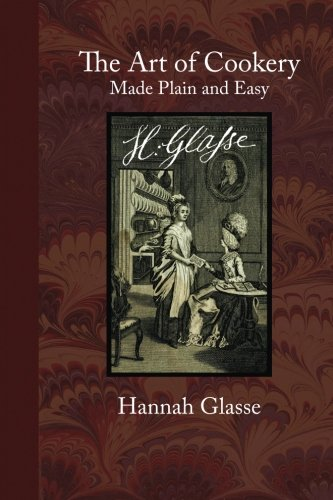
The dish, consisting of a savory cheese sauce poured over toasted bread, appears in early cookbooks under different names. One of the first to include a version of the recipe was Hannah Glasse’s influential 1747 book, The Art of Cookery Made Plain and Easy. In it, the dish is called “Welsh Rabbit,” and Glasse also includes similar entries for “Scotch Rabbit” and “English Rabbit.” Over time, the term “rarebit” gained favor, perhaps to sidestep confusion for those expecting actual game meat on their plate.
While the dish may not hail directly from the valleys of Wales, it did become strongly associated with Welsh identity, largely due to the old jabs from the English upper classes. According to one popular legend, poor Welsh laborers, forbidden from hunting rabbits on English-owned estates, resorted to making this hearty dish as a sort of culinary protest. Lacking game, they turned to the one thing they had in abundance (cheese) and transformed it into a meal that was every bit as satisfying and soul-warming.
Saints, Cheese, and the Pearly Gates
One of the more colorful stories surrounding Welsh Rarebit is a tale of heavenly mischief. As the legend goes, the Welsh were causing such a ruckus in heaven (perhaps organizing a celestial rugby match) that God asked St Peter to remove them. St Peter, quick on his feet, stepped outside the Pearly Gates and shouted “caws pobi!” which was the Welsh phrase for toasted cheese. In an instant, the entire Welsh contingent bolted out of paradise in a stampede, eager for a bite of their beloved treat. The gates slammed shut behind them. It is one of those stories that perfectly blends humor, culture, and a love of food.
Whether fact or fiction, this tale captures the heart of Welsh Rarebit’s legacy. It is a dish so beloved, so comforting, that it could lure a saint from heaven or keep a nation warm on a rainy night. While the English may have coined the name with mockery in mind, the Welsh embraced it, much like they have so many elements of their resilient and proud culture.
The cheese itself—usually a sharp, mature cheddar—holds symbolic value. It was affordable, accessible, and deeply satisfying, especially when paired with the hearty loaves baked in Welsh kitchens. The sauce’s warmth and sharpness could transform a humble piece of toast into a dish that felt like a feast, especially when accompanied by a pint of ale and the company of good friends.
A National Comfort Food Reclaimed
Despite its initially mocking origins, Welsh Rarebit has risen through the ranks of British cuisine and become a cherished dish in its own right. Today, it is a staple of pubs across the United Kingdom, often served late at night to soak up the effects of one too many drinks. Its appeal is simple but deeply nostalgic. The combination of gooey cheese, the bitter depth of ale, and the crunch of toasted bread is hard to beat.
Modern chefs and home cooks alike continue to put their spin on the dish. Some add egg yolk for richness. Others spice things up with a pinch of cayenne or a hit of Worcestershire sauce for that extra umami kick. You might even see gourmet versions with poached eggs, roasted tomatoes, or truffle oil. But at its heart, Welsh Rarebit remains a dish grounded in tradition and humble beginnings.
Its story is one of culinary irony. What began as a jab has evolved into a beloved symbol of national pride. It is food as resistance, as laughter, and as comfort. Whether you are Welsh, English, or just someone who loves cheese, this is a dish that invites you to gather round, take a bite, and share a story.
If you’re enjoying my work, check out Eats History shop for e-cookbooks & merch!
The Recipe: Traditional Welsh Rarebit

Welsh Rarebit
Ingredients
- 2 tablespoons butter
- 2 tablespoons flour
- ½ teaspoon English mustard powder
- ½ teaspoon paprika optional
- ½ cup beer or ale stout works great
- 1 teaspoon Worcestershire sauce
- 1 cup sharp cheddar cheese grated
- Salt and pepper to taste
- 2 slices sturdy bread toasted
Optional additions
- 1 egg yolk to enrich the sauce
- A pinch of cayenne or nutmeg for extra heat or aroma
Instructions
- In a saucepan over medium heat, melt the butter. Add the flour and mustard powder, stirring into a smooth roux. Cook for 1 minute to eliminate the raw flour taste.
- Gradually whisk in the ale to avoid lumps. Stir in Worcestershire sauce and bring to a gentle simmer.
- Lower the heat and slowly add the grated cheese, stirring until fully melted and smooth. Season with salt and pepper. If using the egg yolk, stir it in off the heat for extra richness.
- Place your toasted bread slices on a baking tray. Generously spoon the cheese mixture over each slice.
- Broil for 2–3 minutes, or until the top is bubbling and golden.
- Serve hot with a pint of ale and maybe some pickled relish for contrast.
Video
Notes
- Beer Choice Matters: A dark stout will give you a richer, deeper flavor, while a pale ale will result in a lighter, more tangy sauce. Avoid overly hoppy beers, which can turn bitter when cooked.
- Add Egg for Extra Creaminess: Stirring in an egg yolk off the heat adds velvety richness and helps the sauce hold together. Skip this step if you prefer a lighter consistency.
- Use Good Bread: Opt for thick-cut, rustic or sourdough bread that can hold the weight and moisture of the sauce without going soggy under the broiler.