There are moments in history when a place becomes more than just a location. It becomes a witness. A quiet observer of genius, debate, and sometimes, destruction. For Vienna in the early 20th century, that place was Café Central. Tucked beneath vaulted ceilings and marble columns, this elegant café played host to some of the greatest thinkers, dreamers, and future tyrants the world has ever known.
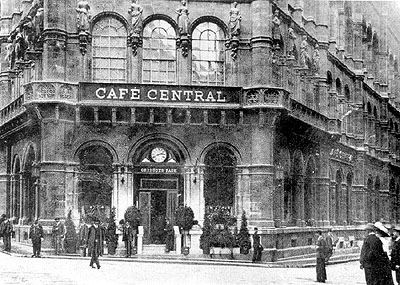
On any given afternoon in the 1910s and 1920s, the air inside was thick with the scent of roasted coffee and political theory. Waiters in crisp uniforms weaved between tables where philosophers wrote treatises, poets doodled verses, and revolutionaries scribbled manifestos.
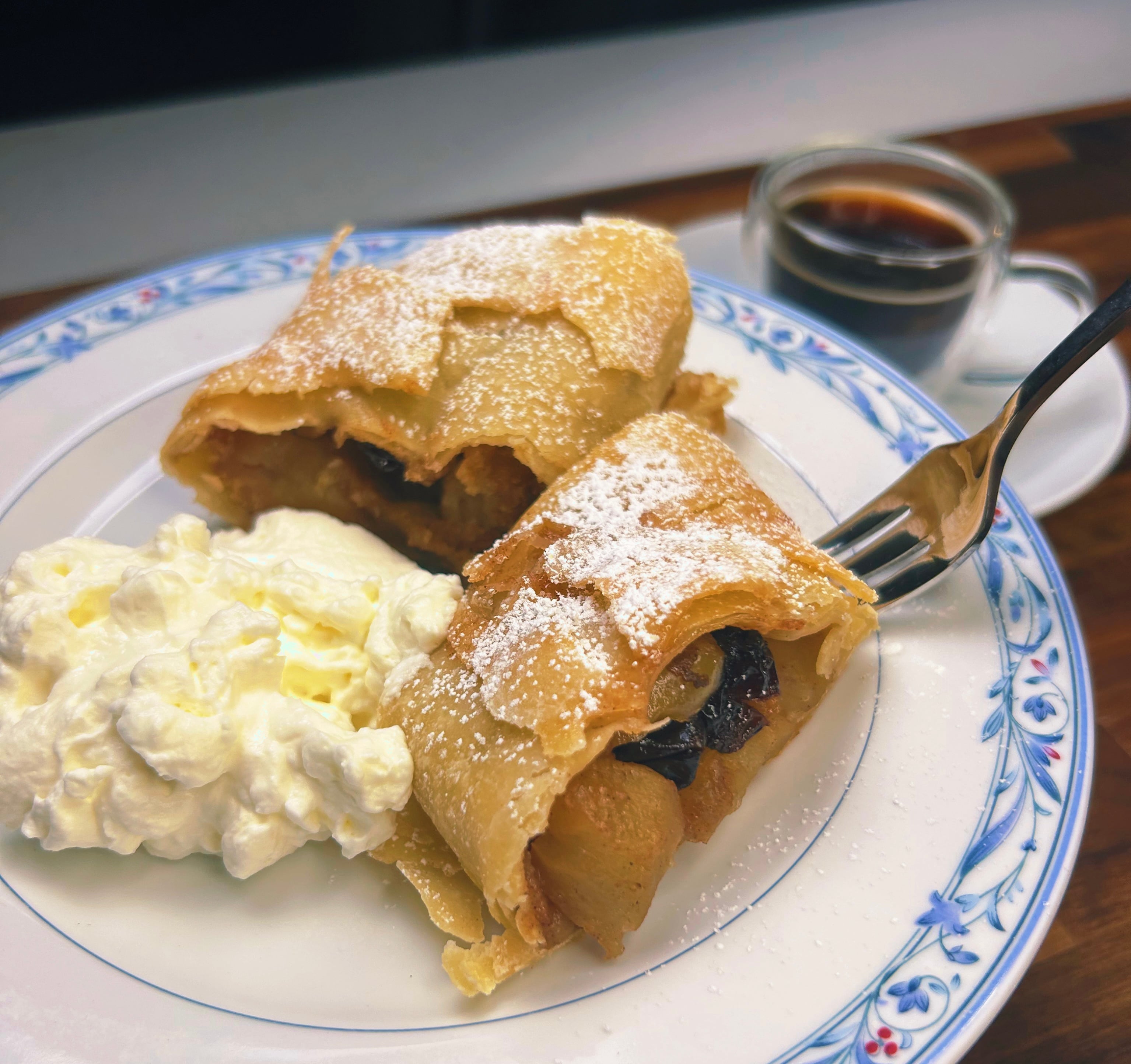
The Apfelstrudel served with a dollop of Schlag and a bitter espresso was just a dessert to most patrons. But to us, a century later, it is a small edible echo of the ideas and individuals that set the 20th century ablaze.
The Café That Lit a Fire
The guest list at Café Central reads like a political thriller. Vladimir Lenin plotted Bolshevik dreams over black coffee. Leon Trotsky once called it his office and was known to lose himself in hours-long chess matches in the back room. The young and unknown Adolf Hitler sat with sketchbooks and big opinions, listening and learning in silence. Sigmund Freud strolled in with the quiet intensity of a man who would soon reshape the understanding of the human mind.
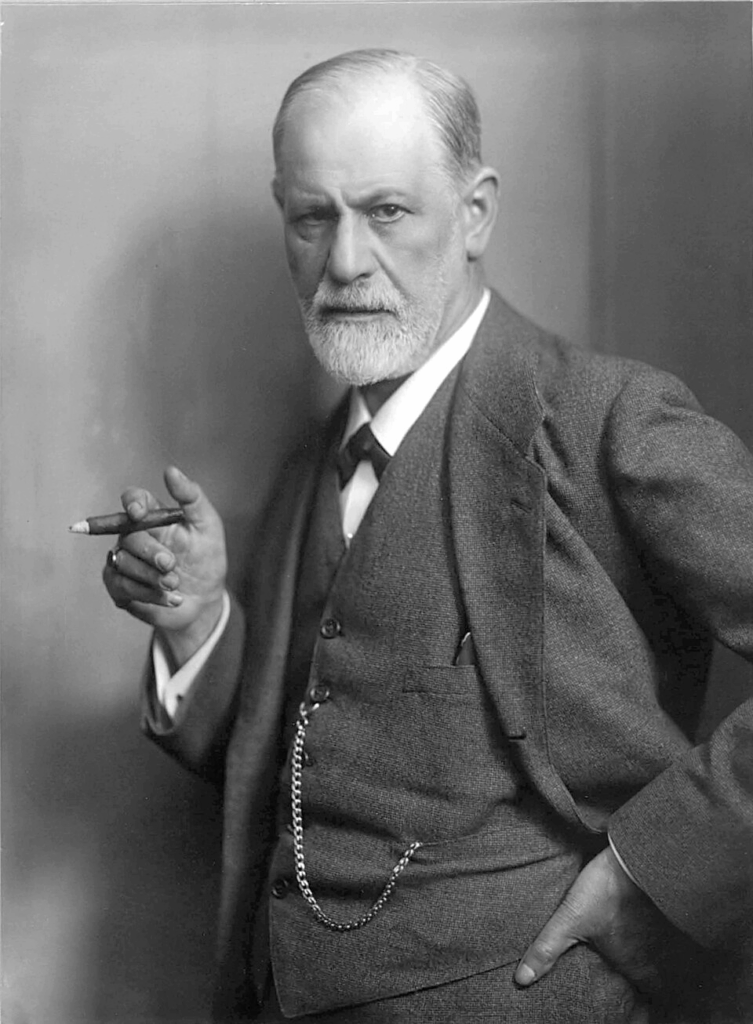
Tito, who would one day rule Yugoslavia with an iron fist, studied the behavior of these men just across the room. Joseph Stalin is said to have briefly crossed through the city during his European travels. And the list goes on. Even Theodor Herzl, the father of modern Zionism, was a regular. What’s chilling in hindsight is how many of these men began as dreamers, often with good intentions, before their visions of utopia became policies that turned to ashes.
To sit inside Café Central today, sipping coffee under the same chandeliers, you cannot help but feel the gravity of those conversations. The legacy they left behind—whether brilliance or ruin—still lingers in the corners of the room.
Recreating a Piece of the Past
In my kitchen, I wanted to recreate something from that world. I turned to a Viennese cookbook from the 1920s for guidance. Nestled among recipes for Tafelspitz and Sachertorte was a simple, honest Apfelstrudel. There were no shortcuts or gimmicks. Just flour, apples, butter, and time.
This pastry isn’t flashy. It is humble, delicate, and built entirely by hand. Stretching the dough until it’s paper thin is an act of trust and patience. The apples are gently cooked with sugar and cinnamon, wrapped up in a golden crust, then dusted with powdered sugar.
A spoonful of lightly sweetened whipped cream, known simply as Schlag, completes the ritual. And of course, no Viennese dessert is ever truly finished without a strong shot of espresso.
Stretching the Dough, Stretching Time
The dough is where it all begins. Just flour, an egg, a bit of neutral oil, and warm water. After kneading until smooth and elastic, I let it rest under a warm bowl. That resting time is important. It softens the gluten and makes it possible to stretch it so thin you could read a newspaper through it. I laid the dough on a floured cloth and slowly pulled from the center outwards, coaxing it into a translucent sheet like stretched silk.
The filling comes next. I peeled and sliced four Golden Delicious apples, then cooked them down with sugar, lemon zest, cinnamon, raisins, and just a splash of water. In a separate pan, breadcrumbs were toasted in butter until golden and fragrant. I layered the breadcrumbs first on the stretched dough, followed by the apple mixture, leaving space around the edges for a clean fold.
Then came the rolling. Using the cloth like a conveyor belt, I gently rolled the dough over itself, tucking the filling in like a sleeping child. The whole strudel was brushed with butter, then baked until crisp and golden. While it cooled, I whipped up the Schlag: just heavy cream and powdered sugar, beaten until soft peaks formed.
The Tasting & Rating
When the first bite hits, you understand why this pastry has lasted centuries. The crust shatters delicately, giving way to warm spiced apples and the tang of lemon. The raisins add a chewy contrast, and the cream melts slowly into each bite. Paired with a dark espresso, it feels like you are standing in Vienna again—surrounded by marble, theory, and the ghosts of empires.
For a moment, I imagined the young Freud across from me, wiping powdered sugar from his mustache. Or Trotsky, hunched over a chessboard. The past is not as distant as we think. Sometimes, it is right there in front of you, folded into layers of pastry.
I give this Apfelstrudel a very solid 9.3 out of 10. It’s one of the finest pastries I’ve made on this historical journey. Flaky, honest, and full of memory. The kind of food that reminds you the world was once changed by people sitting over coffee and dessert.
If you’re enjoying my content, check out Eats History Shop!
Viennese Apfelstrudel Recipe (1920s Inspired):
Viennese Apfelstrudel
Ingredients
For the Dough:
- 1 ½ cups all-purpose flour
- 1 egg
- ¼ cup neutral oil
- ½ cup warm water
For the Filling:
- 5 Golden Delicious apples peeled and sliced
- ⅓ cup raisins
- 1 tsp cinnamon
- ¼ cup sugar
- Zest of 1 lemon
- 1 –2 tbsp water
- ½ cup breadcrumbs
- 2 tbsp butter for toasting breadcrumbs and brushing the crust
To Finish:
- Powdered sugar for dusting
Whipped Cream (Schlag):
- ½ cup heavy cream
- 1 tbsp powdered sugar
Espresso, to serve
Instructions
Make the Dough
- In a medium mixing bowl, combine the flour, egg, oil, and warm water. Mix together using a spoon or your hands until a rough dough forms. Transfer to a clean surface and knead for 8–10 minutes until smooth and elastic. The dough should be soft but not sticky. Cover with plastic wrap or an overturned warm bowl and let it rest at room temperature for at least 30 minutes. This rest period allows the gluten to relax, making the dough easier to stretch later.
Prepare the Filling
- While the dough rests, make your apple filling. In a saucepan over medium heat, add the peeled and sliced apples along with the sugar, cinnamon, lemon zest, raisins, and 1–2 tablespoons of water. Stir gently and cook for 5–7 minutes until the apples are just starting to soften but still hold their shape. Remove from heat and let cool to room temperature.
- In a separate pan, melt 1 tablespoon of butter and add the breadcrumbs. Toast them over medium heat until golden and fragrant—about 3–4 minutes. Set aside.
Stretch the Dough
- Preheat your oven to 375°F (190°C). Lightly flour a large clean tablecloth or cotton tea towel and place the rested dough in the center. Using a rolling pin, roll it out into a large rectangle. Then, using the backs of your hands, begin stretching the dough outward from the center. Be patient—keep working slowly until the dough becomes paper thin and almost transparent. Aim for a rectangle roughly 2 feet by 3 feet. Trim the thick edges if needed.
Assemble the Strudel
- Brush the entire surface of the stretched dough with melted butter. Sprinkle the toasted breadcrumbs evenly over two-thirds of the dough, leaving a border. Spread the cooled apple mixture over the breadcrumbs. Fold in the short sides, then use the cloth to help roll the dough gently into a tight log, starting from the filled side. Carefully transfer the strudel onto a parchment-lined baking sheet, seam-side down.
Bake
- Brush the entire surface with the remaining melted butter. Bake for 35–40 minutes, or until golden brown and crisp. Rotate the tray halfway through for even browning. Let the strudel cool for at least 15 minutes before slicing.
Make the Schlag (Whipped Cream)
- While the strudel cools, use a hand mixer or whisk to beat the heavy cream with powdered sugar until soft peaks form. Chill until ready to serve.
Serve
- Dust the strudel generously with powdered sugar. Cut into thick slices and serve warm or room temperature with a dollop of Schlag and a small cup of espresso. It’s pure Viennese café perfection.
Video
Notes
- Stretching the dough takes patience. If you’ve never done it before, don’t worry if the dough tears a little. Just patch it gently and keep going. The strudel is very forgiving once rolled.
- Choose the right apples. Golden Delicious are traditional and hold up well when baked. Avoid overly juicy apples like Red Delicious, which can make the filling too wet.
- Let it rest before slicing. If you cut the strudel too soon, the filling may spill out. Give it time to set and cool slightly for clean slices.