Some recipes take you on a journey through time, and this one reaches back over 2,600 years to the days of the Babylonian exile. Ezekiel bread is not a modern invention; it comes from the Book of Ezekiel in the Hebrew Bible, where God gives the prophet specific instructions on a survival bread to eat during a period of symbolic punishment.
When I decided to make this bread, I wanted to do more than just mix grains and bake a loaf. I wanted to step into the story for a moment, to understand what this bread represented for Ezekiel and his people.
This was not a bread of abundance or luxury; it was the bread of exile, humility, and endurance. Still, bringing it into a modern kitchen and tasting it fresh out of the oven made me feel connected to that ancient world in a way that reading the text never could.
The Prophet Ezekiel
Ezekiel is one of the most vivid and unusual prophets in the Bible. Living in the sixth century BCE, he was among the Jewish exiles taken to Babylon after the city of Jerusalem fell to King Nebuchadnezzar. His book is packed with visions that range from awe-inspiring to almost surreal: wheels within wheels in the heavens, angelic beings with four faces, and a valley of dry bones rising to life.
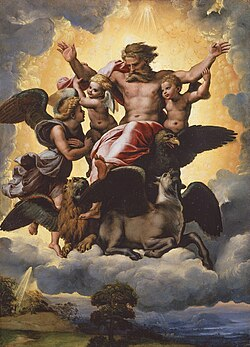
His role as a prophet went beyond simply speaking God’s word. Ezekiel often lived his prophecies. His daily actions became signs and messages to the people of Israel. He shaved his head and beard and divided the hair into three parts to symbolize the destruction of Jerusalem. He dug through walls to show the coming escape and exile of the people. His life was a living canvas of symbolic acts, often difficult and extreme, meant to capture the attention of a nation that had strayed.
Reading Ezekiel is an experience in itself, but baking his bread gave me a deeper appreciation for the weight of his story. This was a man called to endure isolation, symbolic suffering, and the burden of carrying a divine message to a people who did not always want to hear it.
Lying on His Side for Punishment
One of the most extraordinary commands Ezekiel received was to lie on his side for hundreds of days. God instructed him to lie 390 days on his left side for the sins of Israel, and then 40 days on his right side for the sins of Judah. This act was a living symbol of the punishment and exile the people faced, and it was during this period that God told him to eat the bread that would sustain him.
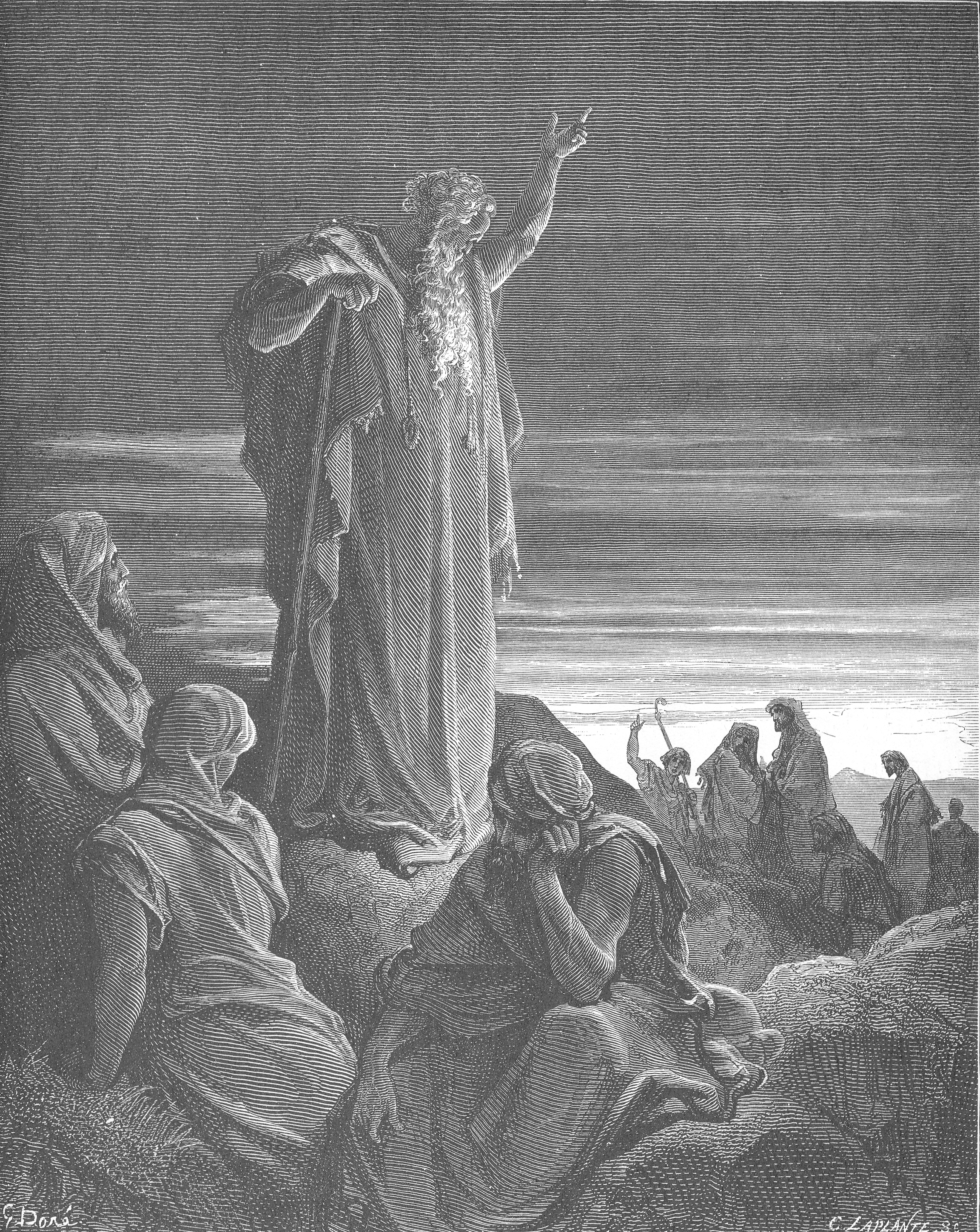
The Bible describes strict rations for this period. Ezekiel was to measure his bread carefully each day and drink a set amount of water. His food would be cooked over dung to symbolize the unclean conditions of exile and siege. The image is stark: a prophet lying still for over a year, eating a humble ration of multi-grain bread and water, while carrying the weight of an entire nation’s guilt.
This part of Ezekiel’s story always struck me. It is one thing to read a prophecy; it is another to imagine living a prophecy with your body as the message. When I recreated this bread, I thought of that endurance and the deep meaning behind every bite he took.
The Recipe God Gave Him
Ezekiel 4:9 records the instructions: “Take wheat and barley, beans and lentils, millet and spelt; put them in a storage jar and use them to make bread for yourself.” This was not a bread made for pleasure; it was a bread of necessity. It combined whatever grains and legumes were available into a dense, nourishing loaf that could sustain a person on minimal portions.
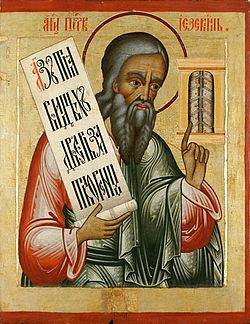
In the biblical account, the bread was likely a coarse, unleavened cake—something closer to a survival ration than a bakery loaf. It would have been heavy, earthy, and practical. The original method even called for baking over dung fires, a symbolic reminder of the suffering and impurity of exile. While I’m committed to historical authenticity, I think we can all agree that cooking over dung is one detail best left in the past.
Still, there’s something deeply grounding about taking these same grains—wheat, barley, millet, and lentils—and turning them into bread. It is a reminder of how food has always been both sustenance and story, connecting us across centuries to the lives of those who came before.
My Modern Interpretation
For my Eats History recreation, I stayed true to the spirit of the recipe but made it something you can actually enjoy at your table. I combined whole wheat flour, barley flour, millet flour, a touch of spelt, and mashed lentils into a dough. I also added active dry yeast to give the loaf a light rise. Yes, I know, some purists might point out that Ezekiel’s bread was unleavened—but I promise this makes it much easier and more enjoyable to eat.
After letting the dough rest for about an hour, I shaped it into a rustic round loaf and scored it with concentric circles for a simple but symbolic design. A light brush of olive oil on top gave it a soft, golden crust. I baked it at 450°F for about 40 minutes, and the result was a hearty, aromatic bread with a dense but springy crumb.
The flavor surprised me. It has a natural, subtle sweetness from the lentils and grains, a flavor that feels both ancient and wholesome. I gave it a 7.8 out of 10—it’s not a loaf I’d eat every day, but it’s genuinely satisfying and rich in history. This bread is less about indulgence and more about connection, a bite of the past you can hold in your hands.
If you’re enjoying my recipes, check out Eats History Shop!
Ezekiel Bread Recipe (Modern Version):

Ezekiel Bread Recipe
Ingredients
- 3 cups whole wheat flour
- 1 ½ cups barley flour
- ¼ cup millet flour or grind whole millet
- 2 tablespoons spelt flour
- 1 cup cooked lentils mashed smooth (warm or room temp)
- 1 ¾ cups water start with 1 ½ cups and hold back ¼ cup if dough is dry
- 2 ¼ teaspoons active dry yeast 1 packet
- 2 teaspoons salt optional but recommended
- 1 tablespoon olive oil for brushing
Instructions
- Cook and mash lentils: Simmer ½ cup dried lentils in water for ~20 minutes until soft. Drain and mash.
- Activate the yeast: Warm ½ cup water to 105–110°F, stir in yeast, and let foam 5–10 minutes.
- Mix dry ingredients: Combine flours and salt in a large bowl.
- Combine wet and dry: Add mashed lentils and yeast mixture, plus 1 cup water, mixing until a rough dough forms. Add remaining water as needed.
- Knead dough: Knead 8–10 minutes until cohesive and slightly tacky.
- First rise: Place in an oiled bowl, cover, and let rise 1 hour.
- Shape and score: Form into a round loaf. Score with concentric circles or your favorite pattern. Brush lightly with olive oil.
- Bake: 450°F for 40 minutes until golden brown and hollow-sounding, or 205°F internal temperature.
- Cool and enjoy: Rest at least 30–60 minutes before slicing.
Video
Notes
- Historical tweak: The original bread was likely an unleavened, coarse flatbread. This version adds yeast for a softer texture and more enjoyable eating experience.
- Natural sweetness: Mashed lentils add a subtle sweetness and extra protein to the loaf, making it more balanced and hearty.
- Shaping and scoring: A round boule with simple circular scores not only looks beautiful but also allows controlled expansion in the oven.