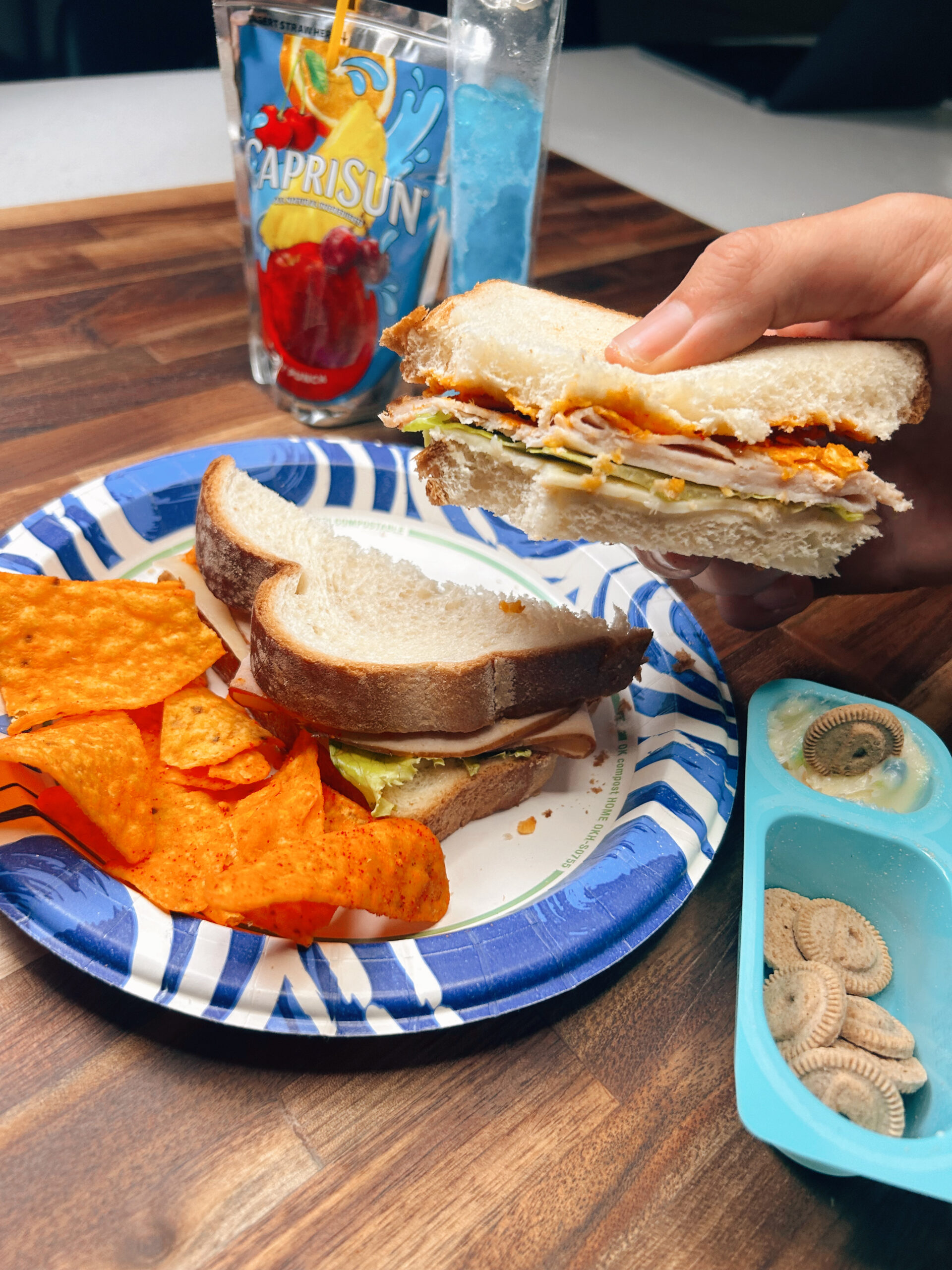
There are moments in life when a simple bite can take you back decades. A certain taste, a texture, a smell from the past, it’s like a time machine, but without the wires or flashing lights. For me, that time machine comes in the form of a turkey sandwich with pepper jack cheese, a handful of Doritos (some crunched right inside the sandwich), a pack of Dunkaroos, a chilled Capri Sun, and a rainbow-colored ice pop to end it all.
It’s not the kind of meal you’ll find in a five-star restaurant or a Michelin-rated kitchen, but to me, it’s a five-star memory. This was the taste of summer. The taste of pool days and sunburns. The taste of a simpler, untouched time.
And now, as a 20-something navigating a fast, often chaotic world, that memory carries a strange weight. It feels warm and a little sad, like watching the sun set on a place you know you can’t return to.
Summers Under the Sun and Sandwiches in Tow
When I think back to the early 2000s, I remember the way Arizona heat seemed to hover over the pavement like a mirage. I remember how pool water smelled like chlorine and sunblock, how our fingers would get wrinkled from staying in the water too long.

And when we finally climbed out, wrapped in oversized towels and dripping, that meal was waiting. My mom would hand me a plate or a paper towel piled with turkey sandwich halves, the soft bread already squished from eager hands. The pepper jack added just the right kick, and the Doritos—orange, cheesy, and loud—always ended up inside the sandwich too. It wasn’t a gourmet spread. It was better. It was happiness, wrapped in sandwich bread.
The Iconic Lunchbox Lineup
There was an art to a childhood meal. Dunkaroos or Cosmic Brownies were the crown jewel of every lunchbox, a sugary reward for surviving spelling tests and awkward recess politics. Capri Sun pouches were chilled in the freezer for just an hour to give them that perfect slushy texture.
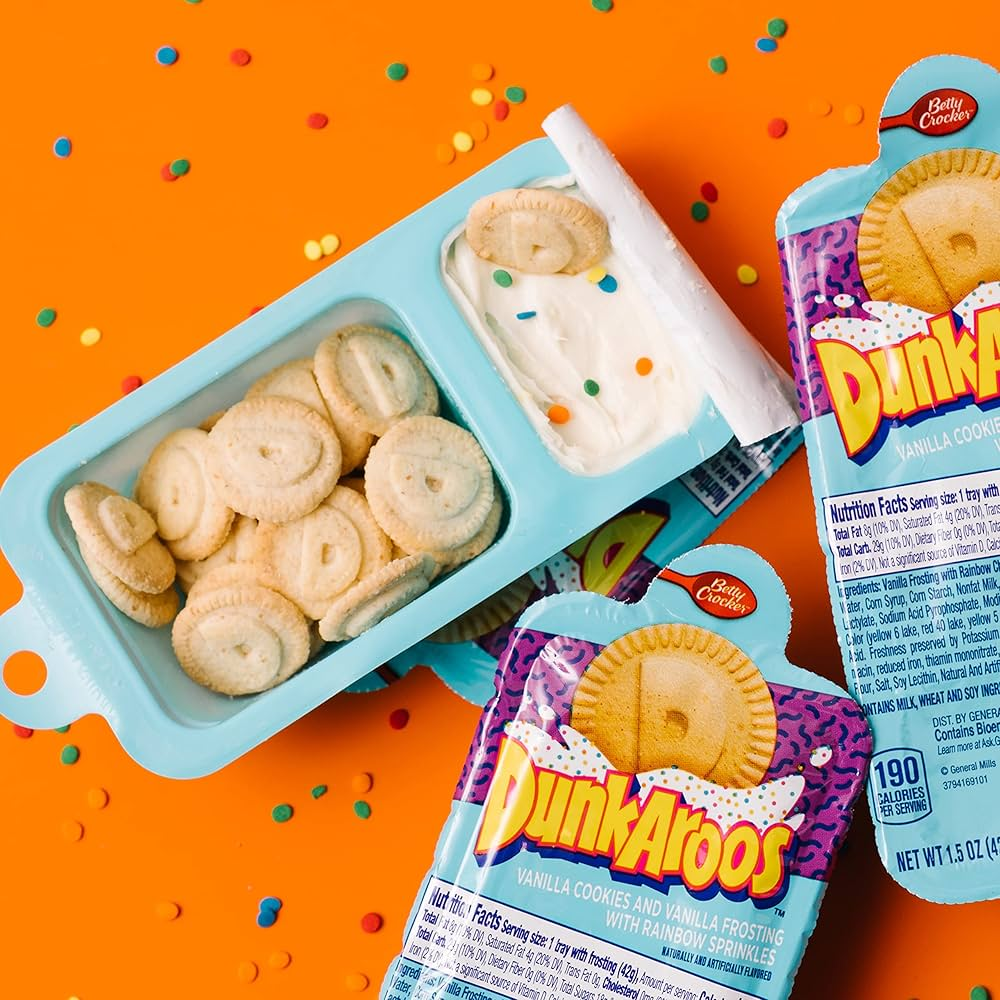
And the ice pop—unwrapping it with wet hands while trying not to snap it in half—was the final send-off. These items weren’t just snacks. They were tokens of our youth. Back then, it felt like food and fun went hand in hand. We didn’t read labels. We didn’t count carbs. We just knew that when you bit into that sandwich, life was good.
Town Carpets and Classroom Crumbs
Beyond the backyard and the poolside, early 2000s childhood lived in the classroom too. I’ll never forget those carpets that looked like miniature towns, with little roads and houses woven right into the fabric. We’d sit cross-legged, eating snacks during story time or getting extremely excited when the tube TV got rolled out for Charlie Brown Christmas, and the crumbs of Goldfish and graham crackers scattering like forgotten memories.
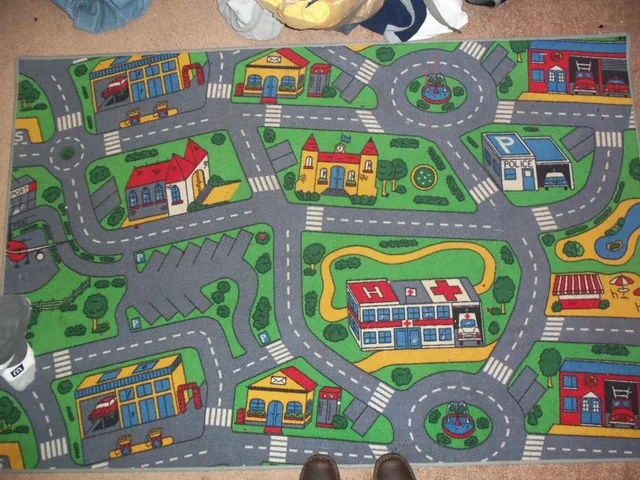
There was something deeply safe about that setting. The colors were bright, the air smelled like crayons and pencil shavings, and the biggest problem in the world was whether you’d get to feed the class pet.
Looking back now, I wonder if that feeling of safety can ever really be recaptured. Maybe that’s why meals from that time hit differently—they were wrapped in the innocence we didn’t know we were losing.
The Science of Nostalgia and Taste
It’s easy to brush off nostalgia as just a feeling, but science tells us it’s much more than that. Our brains are built to hold on to memories through sensory pathways, especially taste and smell. Unlike sight or sound, which are processed more logically, taste and smell go straight to the brain’s emotional centers—specifically the amygdala and hippocampus. That means food doesn’t just bring back a memory. It brings back a feeling. The second you bite into something familiar from childhood, your brain lights up not just with recognition, but with emotion. That’s powerful.
There’s a reason the smell of warm frosting can suddenly make you think of a birthday party you hadn’t remembered in years. Or why the fake nacho cheese from a movie theater can take you back to Friday nights with your parents. These moments aren’t random—they’re encoded. Scientists call it “autobiographical memory.” It’s the idea that sensory experiences get tied to moments in our personal timeline. So when I bite into a turkey sandwich with Doritos stuffed inside, I’m not just tasting food. I’m tasting pool water, Arizona sunshine, and the sound of summer flip-flops on hot pavement.
That’s why some foods feel heavier than others, even if they’re simple. The turkey sandwich I loved as a kid wasn’t special by any culinary measure. But what made it unforgettable was the moment it came from. My mom handing me a plate, my skin still wrinkled from the pool, my hair dripping onto the paper towel that barely held the sandwich together. That sandwich carries a hundred feelings I didn’t know I’d miss until I grew up and the world got louder and more complicated.
It’s also why food nostalgia can feel so strangely emotional. You can go from smiling to aching in the span of a few bites. It’s not because the food changed—it’s because you did. The sandwich is the same, but you’re older now, more aware of how fleeting those moments were. The beauty of it is that those flavors still have the power to bring us back. It’s one of the few ways we get to time travel without leaving the room.
Generational Echoes: Not Just a Gen-Z Thing
It would be easy to think that this kind of nostalgia is something unique to Gen-Z. After all, we’re the ones turning childhood snacks into TikTok trends and bringing back old cartoons with retro filters and ironic voiceovers. We joke about Lunchables like they were a sacred rite and build entire playlists around the music from Wii Sports or our mom’s car rides. But the truth is, we’re just the latest wave in a long line of people who miss the taste of youth. Nostalgia like this is not a generational gimmick. It’s deeply human. It lives in everyone.
Ask someone who grew up in the 1970s what their favorite after-school snack was and watch their eyes soften. They might talk about TV dinners in foil trays, Tang, or the first time they had Pop Rocks and thought their mouth might explode. Go even further back and ask someone who lived through the 1940s. They’ll remember Victory Gardens in their backyard, stretching sugar rations, and the joy of unwrapping a single square of real chocolate. Even then, food wasn’t just nourishment. It was a small moment of comfort in a world that often felt uncertain.
Each generation has its own culinary memory reel. The textures, smells, and sounds of food are often the most permanent markers of time. Whether it’s Depression-era corn mush, post-war Jell-O salads, or the neon glow of a 1990s Lunchable, each of these meals tells a story. It’s a story not only of what we ate, but of who we were when we ate it. A story of parents trying to make ends meet, kids inventing fun out of boredom, and families gathering around small joys. These moments settle into our bones without us realizing it, only to rise again when we catch a familiar smell or see an old package on a shelf.
This shared experience of nostalgia is one of the few things that can truly bridge generations. You can sit across the table from your grandfather and talk about completely different eras, yet the emotion is the same. You remember dunking cookies in chocolate icing. He remembers his mom baking cornbread in a cast iron pan. The details differ, but the warmth, the yearning, the sense of loss mixed with gratitude—that’s where the connection lives. We’re all looking back at a time that felt more full, more vivid, even if we didn’t appreciate it in the moment.
So no, this isn’t just a Gen-Z thing. This is a people thing. A beautiful, aching reminder that we’ve all had seasons of joy that faded too fast. And every once in a while, if we’re lucky, we get to taste them again.
A Bittersweet Aftertaste
Now, when I try to recreate that childhood meal, something strange happens. It doesn’t taste exactly the same. The bread feels a little too soft, the chips too processed, the Dunkaroos not quite as magical. But the memory is still there, warm and glowing at the edge of the taste.
It reminds me that the past doesn’t live in objects or ingredients—it lives in how those things made us feel. And as I sit with this recreated plate, part of me smiles, and part of me aches. That’s the nature of nostalgia. Sweet. And a little sad. Like chasing a memory you’ll never fully catch.
If you’re enjoying my work, check out Eats History Shop!
Nostalgia Recipe (2000s)
Ingredients
- 2 slices of white sandwich bread Wonder Bread or store-brand classic
- 3 –4 slices of deli turkey oven-roasted or honey-smoked
- 1 slice of pepper jack cheese
- 1 tablespoon mayonnaise or more, depending on your taste
- A small handful of Nacho Cheese Doritos plus extra for the side
- 1 pack Dunkaroos original vanilla or chocolate, if you can find them
- 1 Capri Sun Pacific Cooler preferred, served icy cold or partially frozen
- 1 fruit ice pop plastic tube, cut open at the top
Instructions
- Make the sandwich: Lay out your two slices of white bread. Spread mayo on both sides, layer with turkey slices, pepper jack cheese, and a handful of Doritos (crunched slightly for texture). Press together gently so the chips nestle into the sandwich.
- Snack setup: On the side, add extra Doritos for crunch. Open your Dunkaroos just enough to dip at least three times without spilling the frosting.
- Beverage and dessert: Place the Capri Sun in the freezer about an hour beforehand for that perfect slushy texture. Serve chilled. End the meal with an ice pop—ideally enjoyed barefoot, with chlorine still lingering in the air.
Video
Notes
- Doritos on the sandwich are non-negotiable – The crunch adds texture, but more importantly, it adds nostalgia. Crush them slightly before adding for the full effect.
- Freeze the Capri Sun – About an hour in the freezer creates that iconic slushy consistency that elevates it from drink to dessert.
- Presentation is part of the experience – Use a paper plate, eat with your hands, and serve in a setting that channels your childhood. The right environment makes the flavors hit different.