Before we dive into this classic chili recipe, I want to share something I’m really excited about: my brand-new mini e-cookbook, 30 Delicious Vintage Fall Recipes. It’s packed with remade dishes drawn from historic cookbooks, newspapers, and cultural traditions across centuries.
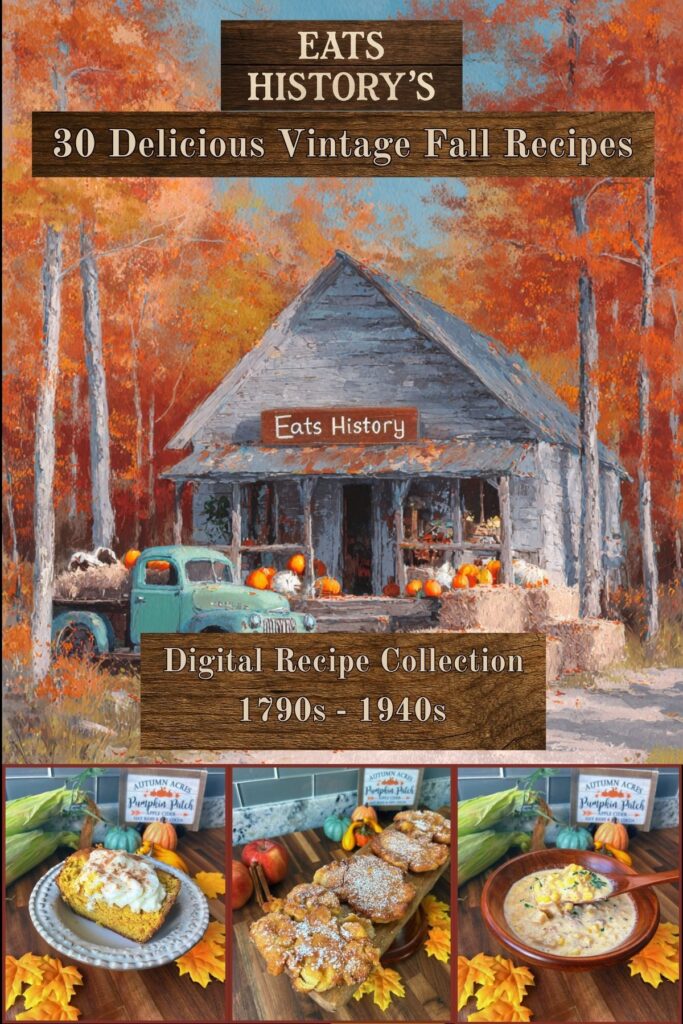
Inside, you’ll find hearty Fall soups, rustic Thanksgiving and Halloween meals, and spiced pumpkin desserts that connect us to autumns past. This chili con carne recipe from 1905 is just one example of the type of comfort food you’ll discover in its pages. If you’ve been enjoying these blogs and videos, the e-cookbook is a way to bring that same history into your own kitchen all season long.
Chili Season is Here
September has finally arrived, and with it, the comforting rhythm of fall. The days are a little shorter, the air is a little cooler, and football season is back. Few foods embody autumn more perfectly than a steaming pot of chili con carne, a dish that feels as at home in a tailgating lot as it does simmering away on a stovetop.

Today’s recipe comes from The Los Angeles Times Cook Book No. 2 of 1905, a reminder that chili has been a beloved staple of American kitchens for well over a century. Unlike the spice-laden competition chilis of today, this recipe is simple, rustic, and nourishing—a snapshot of what families in early 20th-century Los Angeles were eating.
The Origins of Chili Con Carne
The story of chili con carne reaches back further than most people realize, and it sits at the crossroads of Indigenous, Spanish, and frontier cooking traditions. Long before the dish became a staple of American fall kitchens, the building blocks were already present in the Southwest. The chili pepper itself was native to the Americas and cultivated by Indigenous peoples for thousands of years.
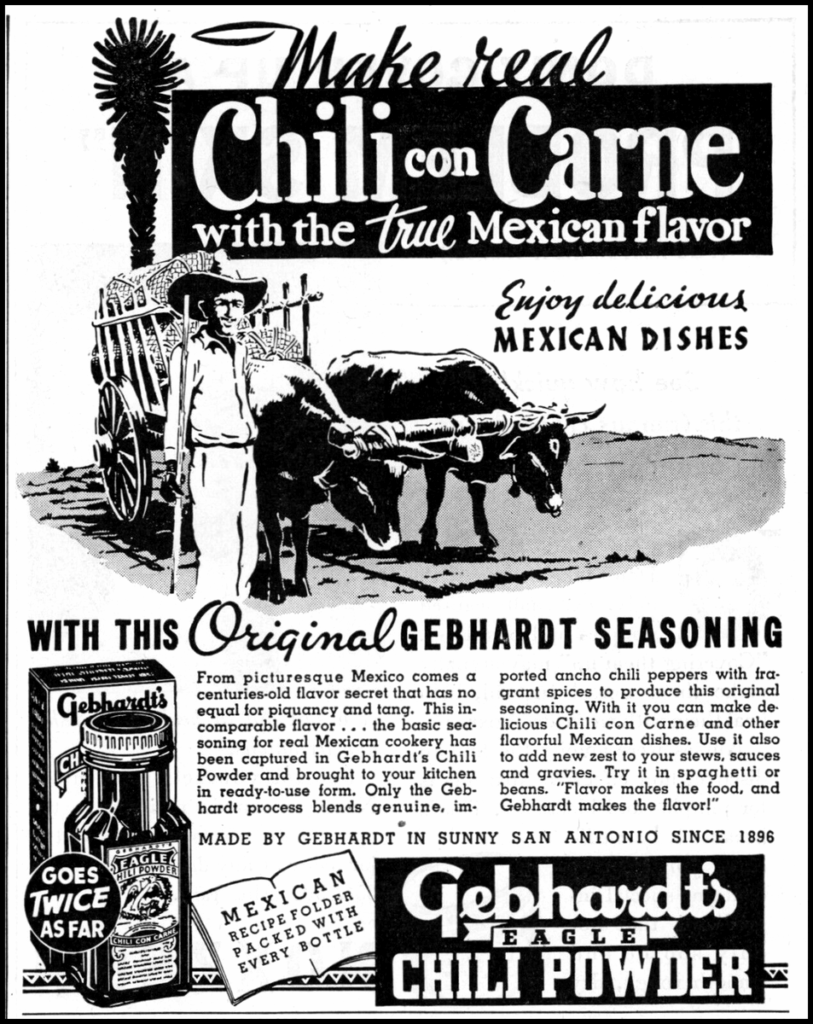
When Spanish colonists arrived in the 16th century, they encountered these fiery pods and began combining them with European ingredients like beef, onions, and garlic. The fusion that emerged in the Spanish colonial outposts of Texas and northern Mexico laid the groundwork for what we now call chili con carne—literally “chili with meat.”
By the 18th and 19th centuries, chili had become known as a frontier food, practical for cowboys, soldiers, and settlers moving through rough terrain. Dried beef could be pounded together with suet and chili peppers into compact “chili bricks,” which were easy to transport and could be simmered into a sustaining stew on the trail.
Mexican culinary traditions also shaped chili in important ways. In places like San Antonio, women known as the chili queens became famous for selling steaming bowls of spicy chili con carne from open-air stalls in the late 19th century, feeding locals and travelers alike. Their version was rustic but richly flavored, and it popularized chili as both a meal of the working class and a symbol of Southwestern identity.
The first published American references to chili began appearing in regional cookbooks by the late 1800s, and by the early 20th century it had crossed into mainstream culture. Recipes varied—some including potatoes, others beans, and many debating the “right” way to make it—but they all shared the same core idea: beef stewed with chili peppers into something hearty, filling, and deeply satisfying. The Los Angeles Times Cook Book No. 2 of 1905, where this recipe originates, is a perfect snapshot of how chili had spread westward and was being adapted to local kitchens.
Today, chili sparks debates about authenticity, especially over the question of beans or no beans, but its origins remind us that it has always been a food of adaptation. It reflects the melding of cultures, the needs of working people, and the American tendency to take something simple and turn it into a canvas for regional pride.
Football, Fall, and the First Tailgates
It’s fitting that chili became tied to football season, because both rose in popularity during the same era. By the early 1900s, football had spread from elite colleges to a wider American audience, drawing crowds eager to cheer on their teams.
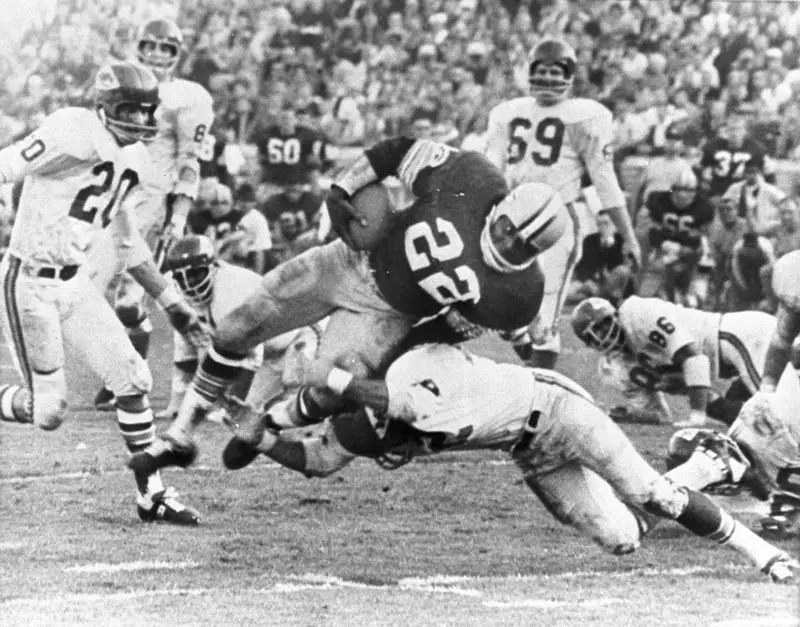
While the full spectacle of tailgating was still decades away, food and community were already a huge part of the experience. Families would pack portable, shareable meals, and chili was a natural fit: inexpensive, filling, and warming on a cool fall afternoon. When we enjoy chili while watching kickoff today, we’re continuing a tradition that stretches back over a century.
A Recipe of Frugality and Flavor
The 1905 recipe highlights how food was both functional and flavorful. The original version called for chopped beef instead of ground beef, which was more common at the time before home meat grinders became widespread. Potatoes served as a filler, stretching the dish further for hungry families.
Compared to modern chili with dozens of spices, craft beers, or smoked meats, this dish feels understated. But that simplicity is exactly why it worked so well—it was accessible to anyone, regardless of budget, and didn’t require a pantry full of ingredients. This was food designed to nourish a household, not win a cook-off.
One striking difference between this 1905 chili and what many of us expect today is the absence of beans. Early Texas chili recipes were adamant that beans had no place in the pot. But in other regions of the U.S., beans quickly became a standard addition. They were affordable, high in protein, and gave chili a satisfying thickness.
The recipe I made stays true to the cookbook, but please feel free to add beans towards the end of the cooking process, bringing the dish closer to what many Americans think of as chili while still honoring the bones of the 1905 recipe. The beans will also help make the stew feel heartier, especially paired with the potatoes.
Chili’s Lasting Place in Fall Traditions
From humble beginnings, chili con carne has grown into one of America’s most beloved dishes. It has inspired cook-offs, endless regional variations, and passionate debates about the “right” way to make it. Yet its soul remains unchanged: chili is about gathering together, sharing warmth, and celebrating community.
This 1905 recipe may not have the complex spice blends or smoky undertones of modern chilis, but it represents the roots of the dish, a meal built for togetherness in a season of harvest and gathering. Cooking it today connects us to those who, over a century ago, were also ladling out bowls of chili on cool autumn nights.
This recipe is featured in my new mini e-cookbook, 30 Delicious Vintage Recipes of Fall, available now for anyone looking to bring 29 more amazing historical flavors to their autumn table.
Classic Chili con Carne Recipe
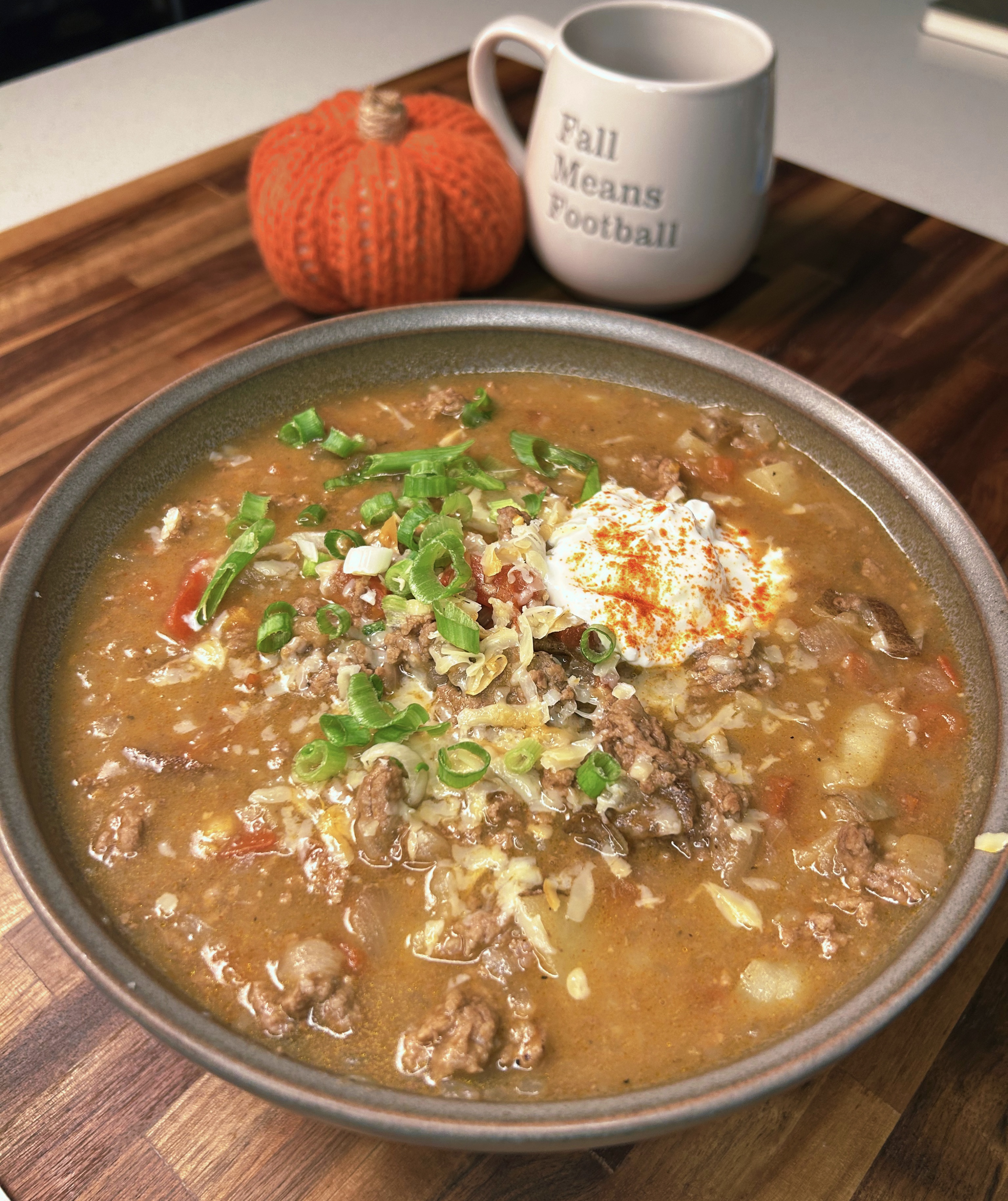
Classic Chili Con Carne
Ingredients
- 1 pound ground beef
- 2 small onions chopped
- 2 medium potatoes peeled and diced
- 2 ripe tomatoes chopped (or ½ can diced tomatoes)
- 1 can 15 oz kidney beans, drained and rinsed (optional as original recipe omitted beans)
- 3 pints water about 6 cups
- 1 tablespoon chili powder add more to taste
- 1 tablespoon flour for thickening
- 2 tablespoons neutral oil or beef drippings
- Salt and pepper to taste
- Optional garnishes cheese, sour cream, green onions
Instructions
- Cook the beef and onions: In a large pot or Dutch oven, heat the oil over medium heat. Add the ground beef and onions, cooking until the beef is browned and the onions softened, about 8 minutes. Drain excess fat if needed.
- Add vegetables and water: Stir in the diced potatoes and tomatoes. Pour in the water and bring to a boil. Reduce the heat and simmer for 20–25 minutes, until the potatoes are tender.
- Season and add beans: Stir in the chili powder, salt, and pepper. Add the beans and continue simmering for another 15–20 minutes to meld the flavors.
- Thicken the chili: In a small bowl, whisk the flour with a few spoonfuls of hot broth until smooth. Stir the slurry back into the pot and cook for 5 more minutes, until slightly thickened.
- Serve hot: Ladle into bowls and serve with crackers, cornbread, or biscuits. Garnish with cheese, sour cream, and chives if desired.
Video
Notes
- Beans vs. No Beans: The earliest chilis did not include beans, but adding them helps stretch the meal and provides additional protein. Feel free to omit them if you want to stay closer to the 1905 version.
- Potatoes for Heft: Unlike modern smooth-textured chilis, this version keeps diced potatoes, giving it a rustic and hearty feel. They absorb the chili flavor beautifully.
- Adjusting Spice: The recipe calls for just one tablespoon of chili powder, but you can easily double it if you prefer a stronger kick. Early chilis were often spicier depending on the availability of peppers.