What Was Garum?
Garum was the Romans’ not-so-secret weapon in the kitchen. To put it plainly, it was fermented fish sauce, but that phrase hardly captures the role it played in Roman dining. To a Roman palate, garum was liquid gold, a bottle of instant umami that could elevate even the most modest dish. Apicius, the legendary collection of Roman recipes, calls for it everywhere. If a modern cook reaches instinctively for soy sauce or Worcestershire, a Roman cook would have grabbed garum without a second thought.
The sauce was made by letting fish parts ferment with a heavy hand of salt until the proteins broke down and the mixture transformed into a savory, aromatic liquid. It was not just a seasoning but a foundation of flavor, as essential to Roman kitchens as olive oil and wine. Romans put it on vegetables, meats, pulses, and even some sweet dishes. In a way, garum is the ancestor of our pantry staples, proving that food obsessions have not changed all that much in two thousand years.
When you imagine Roman life, think about this detail: senators debating politics, soldiers marching to war, emperors throwing feasts, and in each of these scenes, garum was there. It was the everyday taste of empire, a humble sauce that connected the kitchens of the poor to the banquets of the rich.
Origins and Spread Across the Mediterranean
Garum did not spring out of nowhere. The Greeks and Phoenicians were already making fermented fish sauces before Rome rose to power. These early experiments laid the groundwork, but the Romans were the ones who turned garum into a culinary empire of its own. Once they acquired a taste for it, they industrialized the process.
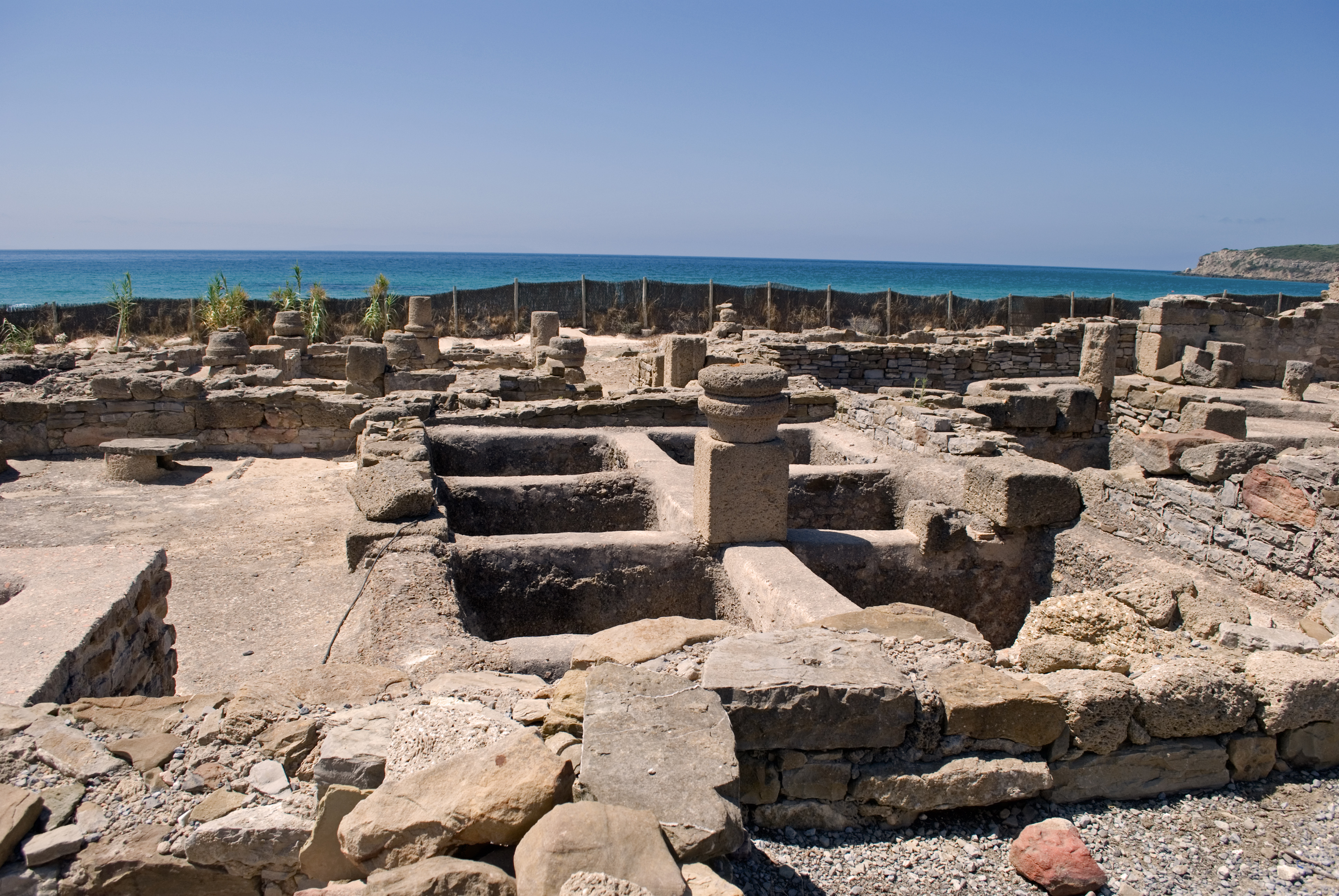
Factories lined the coasts of Spain, North Africa, and southern Italy. Archaeologists have uncovered vast salting complexes where tons of fish were processed in huge stone vats. Towns like Baelo Claudia in Spain essentially built their local economy on garum. Amphorae filled with the prized liquid were loaded onto ships and carried throughout the Mediterranean, stamped with brand names that gave producers reputations much like winemakers today.
It is telling that garum became both a local food and a global commodity. For Romans living inland, far from the sea, garum was their connection to the coast. For the wealthy, buying the most refined version was a way to signal taste and sophistication. For the average citizen, it was the seasoning that made plain grain porridge or beans something worth eating again tomorrow.
How It Was Made
The process was simple in concept but required patience. Small oily fish like anchovies or sardines, along with innards and trimmings, were layered with salt in vats or amphorae. Over weeks or months in the sun, natural enzymes and bacteria did their work. The salt prevented spoilage while the proteins broke down into amino acids, producing a savory, amber liquid that rose to the surface. This clear liquid was siphoned off as garum. The thicker paste left behind, called allec, was not wasted either and could be used in stews or given to the poor.
Descriptions from ancient writers paint a vivid picture. Imagine the Mediterranean sun beating down on large vats of slowly fermenting fish. The smell was powerful enough that production facilities were built on city edges to keep the aroma away from polite company. The workers stirred the vats, checked the liquid, and eventually bottled the precious sauce into amphorae for shipment.
It was not glamorous, but the end product was transformative. When a Roman cook drizzled garum into a pot of lentils or over a roasted chicken, the dish gained layers of richness that salt alone could not provide. For the Romans, it was the magic trick of the kitchen, the shortcut to depth of flavor.
Trade, Branding, and Prized Labels
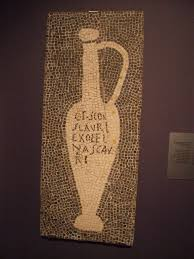
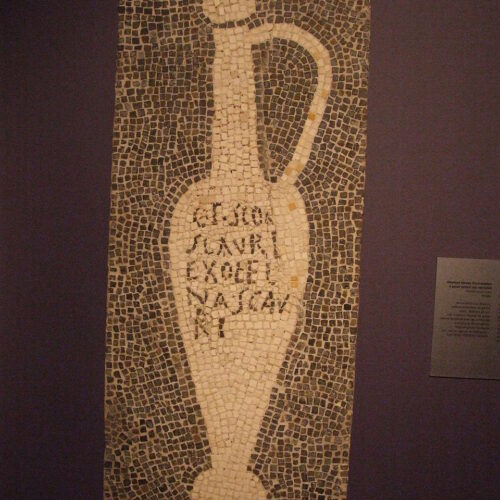
Garum was not only food, it was business. The sauce became a branded product, and amphorae have been found stamped with the names of famous producers. One of the most well-known was Umbricius Scaurus of Pompeii, who proudly marked his amphorae to advertise his premium garum. In modern terms, he was the Tabasco or Heinz of his day, making sure no customer forgot who made the best bottle.

Certain regions developed reputations for quality. The Spanish province of Baetica, with its ready access to small fish and its warm climate, was celebrated for producing some of the finest garum. These amphorae traveled across the empire, showing up in marketplaces from Rome to Gaul. The sauce carried with it the prestige of its origin, much like how wine or cheese today is tied to a particular region.
The trade was large enough that garum became an economic engine. Towns built industries around it, and merchants depended on its sale. The simple idea of fermented fish created networks of commerce that spanned the empire. It was a reminder that even something as humble as sauce could drive wealth, prestige, and international trade.
Garum, Liquamen, and Names Over Time
If you dive into Roman texts, you will notice both “garum” and “liquamen” appear, sometimes interchangeably. In earlier accounts garum usually referred to the liquid strained from salted fish, while liquamen was a broader term for fishy brine. By the time Apicius was compiled in the 4th or 5th century, liquamen was the default word for the everyday fish sauce, and garum appeared in special contexts or compound names.
The overlap has caused debate among scholars, but the takeaway is simple. Both words point to the same essential practice: fish fermented with salt until a savory sauce emerged. The names shifted with time and fashion, but the taste was constant. Romans could not cook without it.
Everyday Use, Medicine, and Complaints
Garum showed up in almost every part of the Roman diet. It seasoned meats, flavored vegetables, was mixed into salad dressings, and even enhanced desserts. Recipes in Apicius sometimes add nothing more than a splash of garum to bring a dish together. Roman cooks trusted it the way we trust soy sauce in stir-fries or fish sauce in Southeast Asian dishes.
It also found its way into medicine. Physicians recommended garum for digestion, healing wounds, or restoring energy. In a world without multivitamins, food doubled as pharmacy, and garum earned a place in both spheres.
Not everyone loved it. The smell of production was infamous, and writers like Seneca poked fun at the extravagance of buying luxury versions. Laws sometimes restricted where factories could be located. It was both essential and controversial, the kind of food people could not live without but loved to complain about.
Decline and Legacy
As the Roman Empire fractured and its trade networks collapsed, the large-scale production of garum disappeared. Without the infrastructure of amphorae, trade routes, and coastal factories, the sauce faded from European tables. Yet it never completely vanished. Coastal traditions in southern Italy preserved a similar product, known today as colatura di alici. In southern France, pissalat carried echoes of the old ways. Even Southeast Asian fish sauces, though not descended directly from Rome, show how widespread the idea of fermented fish has always been.
Modern chefs have rediscovered garum, some recreating it with anchovies, others experimenting with non-fish versions using mushrooms or soybeans. The goal is the same as the Romans had: to capture pure, concentrated umami in a bottle. In a sense, garum has outlived the empire that made it famous, finding new life in kitchens that prize bold flavor.
Safety First: What You Need to Know
Before you dive into making garum at home, it is important to understand the safety side of fermentation. The ancient Romans made this sauce in vats under the Mediterranean sun, but they also had centuries of trial and error behind them. For us, food safety rules are stricter and for good reason.
The critical factor in garum is salt. Salt levels must stay high, generally around 20 to 25 percent of the total weight of the fish, to prevent harmful bacteria from growing. If the mixture is not salty enough, you risk spoilage or worse. Think of salt as both the preservative and the shield that makes the whole process safe.
Temperature also matters. Garum ferments best in a warm environment, but you should avoid fluctuating or excessively hot conditions. A steady, warm spot is ideal. If it smells rancid rather than savory or develops unusual mold, it is better to discard and start again. When in doubt, trust your senses.
If you are not comfortable with long fermentations, a quick modern substitute recipe is the safest route. It uses finished fish sauce as a base, so there is no risk. You still get a flavor reminiscent of Roman garum without the unpredictability of raw fermentation.
How to Make Garum at Home
Traditional Roman Garum Recipe
Ingredients
Traditional Recipe Ingredients:
- 1 kilogram small oily fish such as anchovy or sardine whole or trimmings
- 250 to 300 grams fine sea salt about 25 to 30 percent of the fish weight
Modern Substitute Ingredients:
- 240 ml quality fish sauce
- 60 ml white wine or vinegar
- 1 piece of dried seaweed
- A pinch of black pepper and coriander
Instructions
Traditional Recipe Instructions:
- Weigh the fish and combine with salt until every surface is coated.
- Pack tightly into a clean glass or food-safe plastic container.
- Cover loosely to keep pests out while allowing gas to escape.
- Place the container in a warm environment and let it sit for 6 to 10 weeks, stirring occasionally.
- When the liquid has separated and turned amber, strain the clear liquid through cloth. This is your garum. Bottle and refrigerate.
Modern Substitute Instructions:
- Combine all ingredients in a small saucepan.
- Simmer gently for 10 to 15 minutes.
- Cool, strain, and bottle.
Notes
- Salt is non-negotiable. Always measure salt by weight, not by eye, to ensure you reach at least 20 to 25 percent of the fish weight. This keeps the fermentation safe and prevents spoilage.
- Outdoor friendly. Traditional garum develops a strong aroma. If possible, keep your container outdoors or in a ventilated shed or garage. This keeps your kitchen free of the smell and mimics ancient conditions.
- Flavor intensifies with time. A six-week garum will taste sharp and salty, while a ten-week garum develops more rounded depth. The longer you let it ferment (within safe conditions), the richer the flavor will be.