The Spanish Civil War, fought between 1936 and 1939, was more than a clash of ideologies. It was also a test of survival for millions of ordinary Spaniards who found their lives turned upside down. Historians often describe the conflict as the dress rehearsal for World War II, with fascist and communist powers testing their strategies on Spanish soil.
If you’re enjoying my recipes, all of my e-cookbooks are currently 40% off in Eats History Shop!
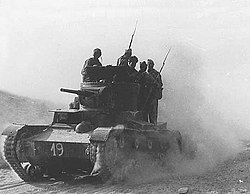
But away from the frontlines, people waged a different battle: the daily struggle to eat. Scarcity, rationing, and propaganda shaped the Spanish table during these years. Out of this atmosphere came cookbooks like Ignacio Doménech’s Cocina de Recursos (Deseo mi comida), a manual for stretching rations and keeping a sense of normalcy in desperate times.
Food Scarcity and the Spanish Civil War
The Civil War disrupted agriculture, cut supply lines, and left markets bare. Eggs, meat, and dairy that once formed the backbone of Spanish cuisine became luxury items available only to the wealthy or the politically connected. Bread, olive oil, and wine remained, but even those staples were stretched thin by blockades and requisitions. Families faced hunger not just from shortages, but from the deliberate use of food as a weapon of control. In this environment, every meal became a negotiation between necessity and memory, with home cooks tasked with feeding their families on scraps.
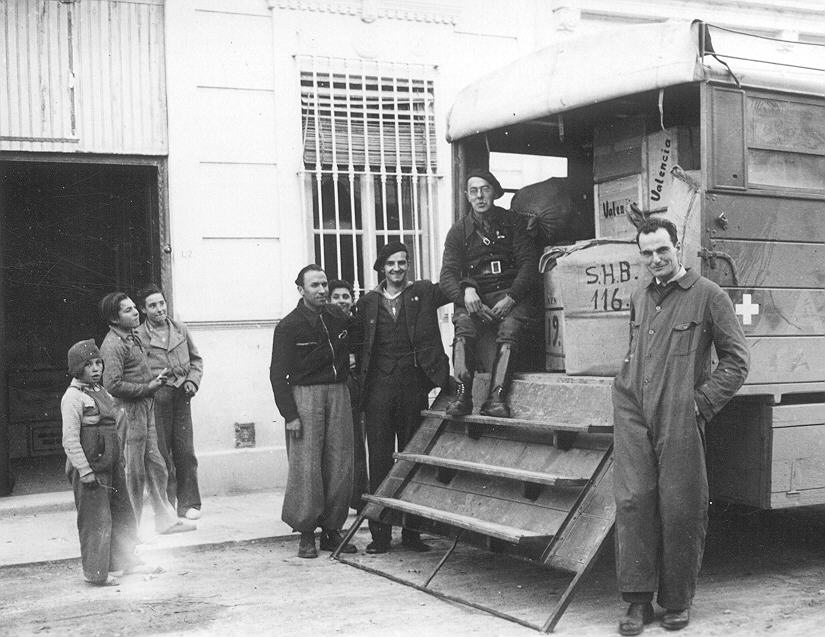
It was in this context that Ignacio Doménech, a chef and food writer, created his wartime cookbook. Rather than despair at what was lost, he focused on what could be reinvented. His recipes did not promise abundance, but they did offer a kind of culinary sleight of hand. Through substitutions, illusions, and creative tricks, dishes that mimicked old favorites could still appear on the table. In this way, food became both sustenance and psychological armor.
Cocina de Recursos: A Cookbook for Survival
Cocina de Recursos was as much propaganda as it was a guidebook. The title itself, “Resourceful Cooking (I Want My Food),” speaks to both desperation and defiance. Doménech encouraged cooks to see their sacrifices as patriotic, framing creativity in the kitchen as part of the war effort. These recipes showed families how to stretch rations, but they also reassured them that they could endure shortages with dignity.
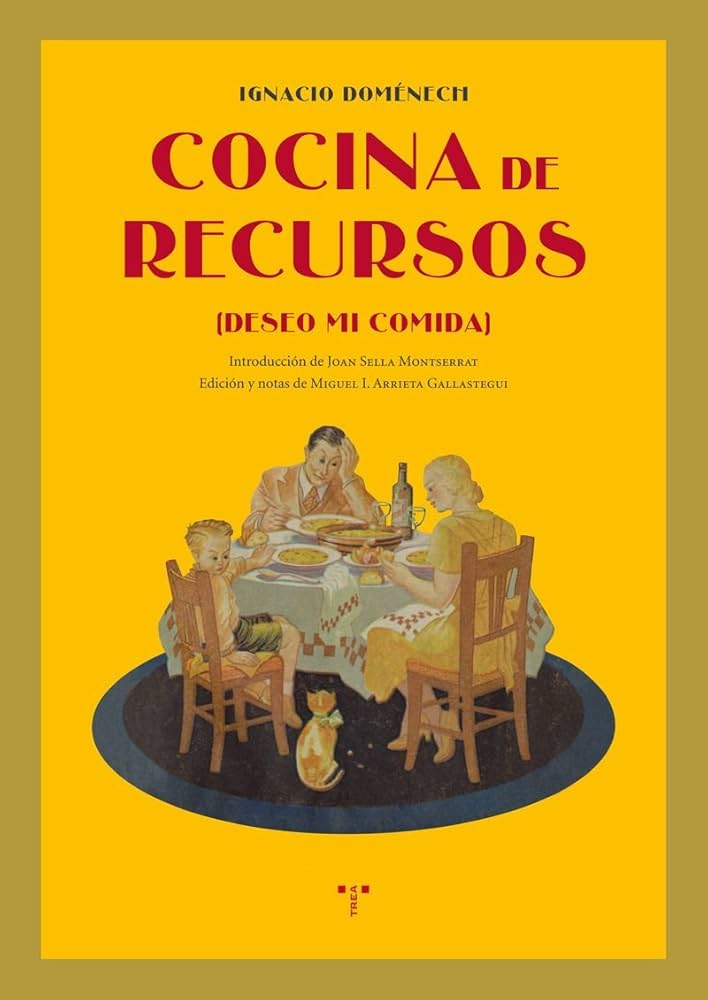
His dishes ranged from inventive soups to substitutes for beloved classics. Each recipe carried the dual purpose of filling bellies and maintaining morale. By replicating the appearance of familiar foods, Doménech helped keep up the illusion of normalcy. Cooking became not just survival, but a way to resist despair.
Tortilla sin Huevos: An Omelet Without Eggs
The Spanish tortilla, made with eggs, potatoes, and onions, has long been a national treasure. During the Civil War, however, eggs were scarce and often unavailable to the average family. Doménech’s solution was the tortilla sin huevos, or omelet without eggs. He replaced eggs with a mixture of flour, water, and baking soda, creating a batter that puffed up like the real thing. Parsley, celery leaves, and paprika added flecks of color and flavor.
Even the preparation carried his resourceful touch. He suggested rubbing the inside of the mixing bowl with garlic to impart flavor without wasting the clove itself. The finished dish was earthy, bready, and filling. It could never replace the richness of eggs, but its shape and texture gave the comfort of something familiar. This was the genius of Doménech’s method: to make scarcity taste like tradition.
Maimones de Guerra: Garlic Soup in Lean Times
Alongside the omelet, I made maimones de guerra, a pared-down version of Andalusia’s famous garlic soup. Traditionally, this dish might be enriched with eggs, broth, and extra spices. In wartime, it was reduced to garlic, bread, oil, and water. Yet even with so little, the soup carried the essence of Spanish comfort cooking.
Frying garlic in olive oil released aroma and flavor, while stale bread cubes swelled in the broth to create a filling meal. Occasionally, paprika or vinegar could be added if available, but often the soup was eaten plain. It was not luxurious, but it warmed and sustained, proving that even the humblest ingredients could become a lifeline.
Comfort, Propaganda, and Survival
These dishes were more than recipes, they were symbols. The omelet without eggs reminded Spaniards of normal times, mimicking a dish that was central to national identity. The garlic soup reminded them that comfort could still be found in a bowl of broth, even when stripped of its richness. Doménech’s cookbook blurred the line between survival and morale, feeding both the body and the spirit.

The Spanish Civil War left scars that went beyond politics. It shaped the culture of food in Spain, teaching people how to adapt, how to survive, and how to preserve identity even when kitchens were nearly empty. When we recreate these dishes today, we taste not just scarcity but resilience.
My Take and Rating
When I recreated these recipes, I was surprised at how convincing they are. The eggless omelet has a texture that mimics the real tortilla more closely than I expected. Its flavor is simple, earthy, and filling, but not unpleasant. The garlic soup, though plain, delivers a warmth that only garlic, bread, and oil can provide. They are humble dishes, yet they capture the spirit of Spanish cooking at its core: resilience, comfort, and resourcefulness.
Together, these recipes tell a story of how people endured one of history’s darkest times. They remind us that food is never just fuel. It is culture, identity, and survival in its most elemental form. For history, flavor, and ingenuity, I give them an 8.4 out of 10.
Tortilla sin Huevos & Maimones de Guerra Recipe:
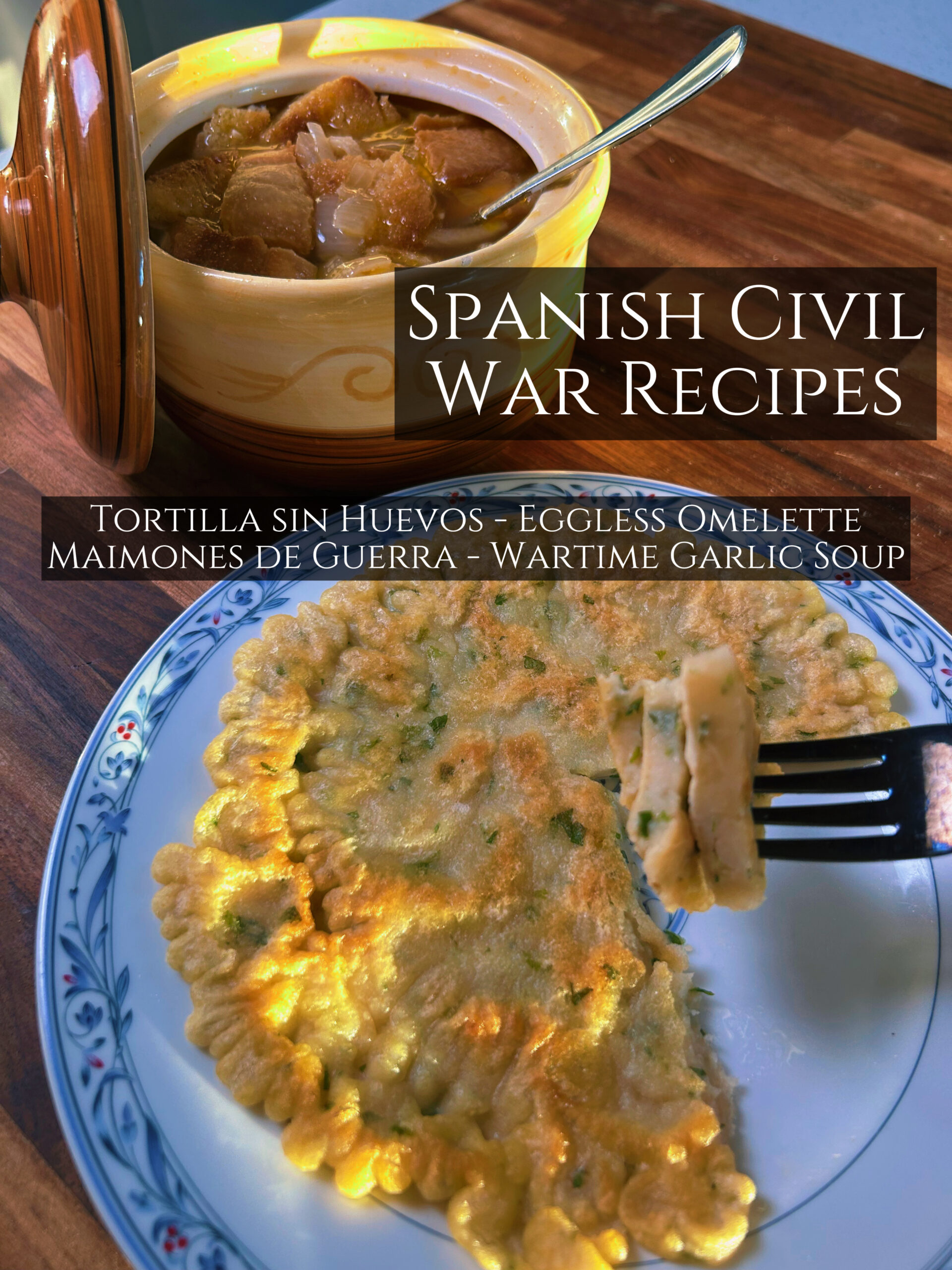
Spanish Civil War Recipes: Tortilla sin Huevos & Maimones de Guerra
Ingredients
For Tortilla sin Huevos (Eggless Omelet)
- 6 tablespoons flour
- Pinch of salt
- 1 teaspoon baking soda
- 1 tablespoon fresh parsley chopped
- 1 tablespoon celery leaves chopped (not stalks)
- ½ teaspoon paprika
- 12 tablespoons ¾ cup water, added gradually
- 1 garlic clove peeled
- 1 –2 teaspoons olive oil or any cooking fat available
For Maimones de Guerra (Garlic Soup)
- 2 –3 garlic cloves peeled and crushed
- 1 onion sliced thin
- 2 –3 tablespoons olive oil or rendered fat or as little as possible
- 3 cups water or weak broth, if available
- 2 –3 thin slices stale bread cut into cubes
- Pinch of salt
- Optional: paprika or a splash of vinegar
Instructions
Tortilla sin Huevos (Eggless Omelet)
- Rub the inside of a mixing bowl with the peeled garlic clove to add flavor without wasting it.
- Add flour, salt, baking soda, parsley, celery leaves, and paprika. Slowly whisk in the water until smooth. Rest for 15 minutes.
- Heat 1–2 teaspoons of oil in a pan. Pour in the batter and cook gently, folding or rolling it like a Spanish omelet until set.
- Serve warm. The texture mimics eggs, though the flavor is earthy and bready.
Maimones de Guerra (Garlic Soup)
- Heat the olive oil or fat in a small pot. First add the onion, then the crushed garlic cloves and fry gently until golden, not burnt.
- Add the water or weak broth and bring to a boil. Season with salt, and stir in paprika or vinegar if available.
- Add the bread cubes and simmer until softened and swollen.
- Serve hot. In lean times it was eaten plain, though in better days an egg might be poached in the broth.
Video
Notes
- Flavor Stretching: Rubbing garlic on the bowl before mixing the omelet batter is a clever wartime trick to impart flavor without using up ingredients.
- Broth Upgrade: If you want a more authentic taste of pre-war Spain, use a weak broth instead of plain water for the soup.
- Texture Trick: The tortilla batter puffs slightly with baking soda, making the texture eerily similar to a true egg omelet.