Few aromas in Brazil feel more comforting than the smell of pão de queijo rising in the oven. Warm, golden, and slightly chewy, these small cheese rolls have become one of the most iconic symbols of Brazilian food culture.
More than a snack, pão de queijo is a story of survival and cultural blending that begins in the kitchens of Minas Gerais during Brazil’s colonial past. Every bite carries the memory of Indigenous traditions, African ingenuity, and Portuguese adaptation, all baked into a perfect sphere of comfort.
If you’re enjoying my recipes, check out Eats History shop for 40% my e-cookbooks!
From Cassava to Bread: The Indigenous Foundation
Long before the Portuguese arrived in Brazil, Indigenous peoples cultivated cassava, also known as manioc, as one of their most important crops. They mastered the process of grating, pressing, and drying the root to remove its natural toxins, creating a versatile starch that could be stored for long periods. Cassava became the backbone of Indigenous diets and later, the key ingredient that allowed new forms of bread to develop in a land where wheat did not grow easily.
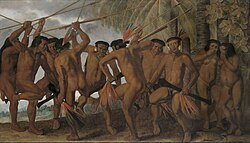
When European colonists settled in Brazil, they quickly realized they could not rely on wheat for their daily bread. The tropical climate and soils resisted European farming methods, so colonists turned to cassava flour as a substitute. From this necessity came countless forms of doughs, cakes, and breads made with tapioca starch, an Indigenous innovation that would one day become the base for pão de queijo.
Cultural Blending in the Kitchens of Minas Gerais
During the 1700s, the region of Minas Gerais became the heart of Brazil’s gold and diamond rush. As Portuguese settlers moved inland, they brought with them enslaved Africans and European culinary traditions. Inside the grand kitchens of colonial estates, African cooks worked with limited resources, adapting Old World recipes to the ingredients of the New World.
Cheese was rare and precious, made in small batches from cow’s milk and aged in the cool, dry air of the Minas hills. When scraps of this cheese were mixed with cassava starch, milk, and eggs, the dough baked into something remarkable — light, airy, and satisfyingly chewy. It was practical, filling, and delicious. Out of these experiments came the earliest form of pão de queijo, created not from abundance but from creativity and necessity.
The Rise of Minas Cheese
The soul of pão de queijo lies in the cheese. Queijo Minas Padrão, or Minas cheese, originated from Portuguese dairy-making traditions that evolved in Brazil’s interior. The cheese was firm, slightly salty, and aged just enough to develop a sharp aroma that deepened when baked. When combined with cassava starch, it created a dough that puffed beautifully without yeast.
Over time, each household developed its own variation. Some used young, soft cheese for stretch and creaminess, while others preferred aged cheese for salt and structure. This flexibility helped the dish spread across rural Brazil, where families baked pão de queijo in clay ovens and served it with black coffee at dawn.
From Regional Specialty to National Treasure
For centuries, pão de queijo remained a hidden gem of Minas Gerais, known mainly within rural communities. That changed in the 20th century. As cassava starch production became industrialized and refrigeration made cheese more accessible, the recipe spread rapidly throughout Brazil.
By the 1960s, bakeries and cafés in cities like São Paulo and Rio de Janeiro began selling pão de queijo by the basketful. It became a symbol of home for Brazilians living far from Minas and a national comfort food for everyone else. Today, it stands as one of Brazil’s most beloved dishes, bridging class, region, and background.
Global Recognition and Modern Adaptations
In the 21st century, pão de queijo found a global audience. From Lisbon to Los Angeles, it appears in cafés, brunch menus, and Brazilian steakhouses. Gluten-free eaters discovered it as a natural alternative to wheat-based breads, while home bakers admired its simplicity.
Yet even as it travels the world, the heart of pão de queijo remains rooted in Brazil. It is still baked in homes across Minas Gerais using family recipes passed down for generations. It still pairs best with coffee on a quiet morning, eaten warm and shared with company.
Traditional Pão de Queijo (Brazilian Cheese Bread) Recipe:
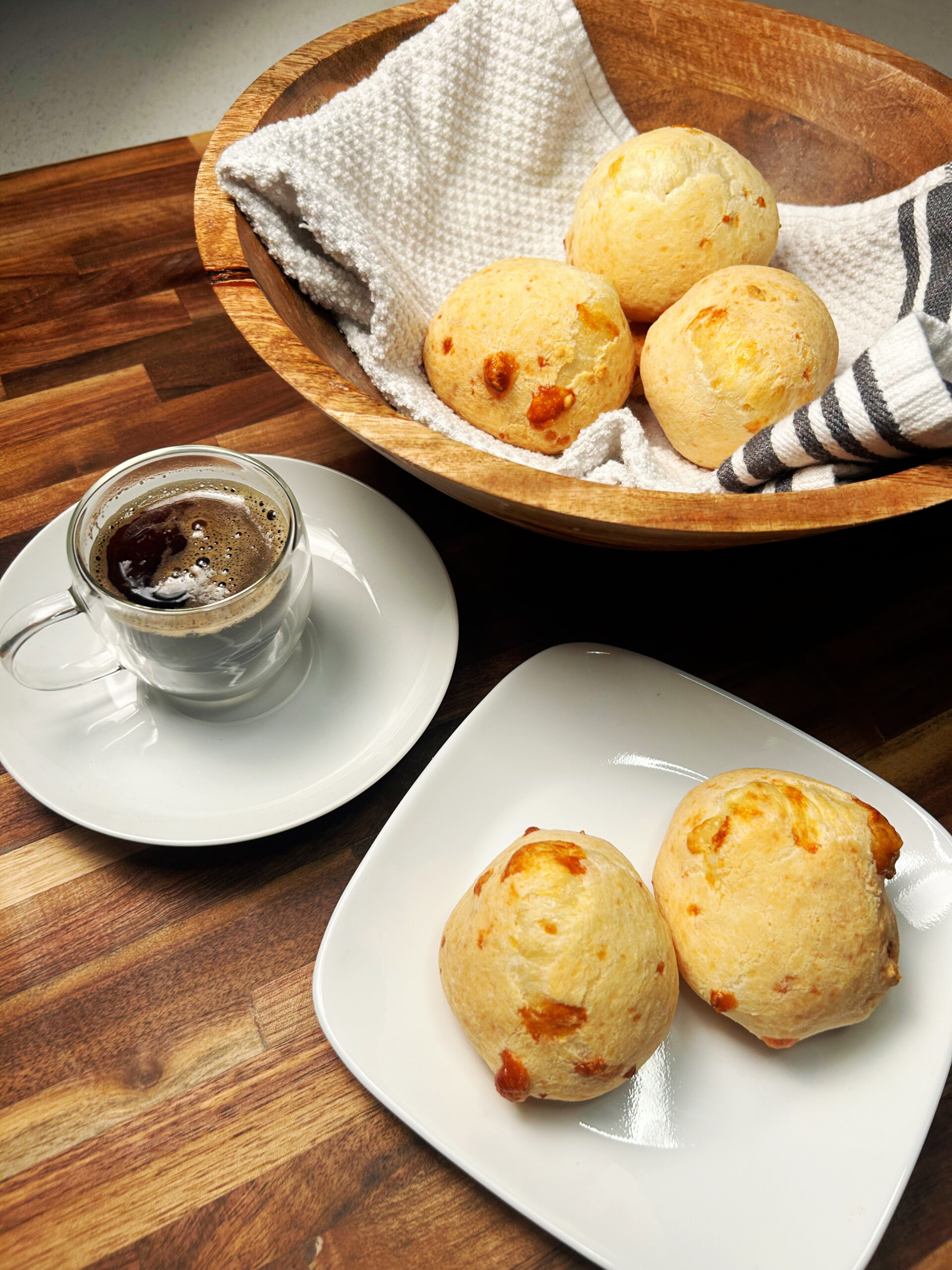
Pão de Queijo (Brazilian Cheese Bread)
Ingredients
- 1½ cups 170 g tapioca flour (polvilho doce)
- ⅔ cup 160 ml milk
- ⅓ cup 80 ml vegetable oil (or another neutral oil)
- 1 large egg
- ½ teaspoon salt
- ⅔ cup 85 g grated mozzarella (or another mild, melty cheese)
- ¼ cup 25 g grated Parmesan cheese
Instructions
Preheat the oven:
- Set your oven to 375°F (190°C) and line a baking sheet with parchment paper.
Heat the liquid:
- In a small saucepan, combine milk, oil, and salt. Bring just to a boil, then remove from heat as soon as bubbles appear.
Scald the flour:
- Place the tapioca flour in a large mixing bowl. Pour the hot milk mixture over it while stirring with a spoon or spatula. It will form a sticky, stretchy dough. Let it cool for about 10 minutes so it’s warm but not hot.
Add the egg:
- Mix in the egg until smooth and fully combined. The dough will be elastic and slightly sticky — this is what gives pão de queijo its signature chew.
Add the cheese:
- Fold in the mozzarella and Parmesan until evenly distributed. Knead lightly by hand until the dough comes together.
Shape the rolls:
- With lightly oiled hands, form 6 large balls of dough (about 2½ inches / 6 cm wide each). Place them on the baking sheet with a few inches between each one.
Bake:
- Bake for 25–30 minutes, or until puffed, golden, and slightly crisp on the outside.
Serve:
- Enjoy warm, ideally straight from the oven with coffee or a savory dipping sauce.
Video
Notes
- Cheese choice matters: If you cannot find Minas cheese, mix equal parts Parmesan and mozzarella. Parmesan gives sharpness, while mozzarella adds elasticity and a soft interior.
- Texture tip: The dough will look sticky and stretchy before baking. This is normal — tapioca starch gives pão de queijo its signature chew. Avoid adding extra flour or it will lose its light texture.
- Best served warm: These rolls are at their peak within minutes of leaving the oven. You can refrigerate or freeze the dough balls and bake them later for fresh batches anytime.