When we think of fast food, our minds jump to burgers, fries, and drive-thrus, but long before the golden arches and takeaway bags, the people of medieval Europe were already living fast-paced lives and eating on the go. Between bustling markets, crowded fairs, and pilgrim roads, vendors catered to workers, travelers, and townsfolk who needed a quick, affordable meal. Archaeological findings and written records from London, Paris, and York show that cooked foods like pies, fish, and bread were sold openly by street hawkers as early as the 13th century.
If you’re enjoying my recipes, all of my e-cookbooks are currently 40% Off!
The London Assize of Bread and Ale (1266) and later the Liber Albus (1419) mention food stalls and vendors feeding the city’s growing population. For many, these were not indulgences but everyday necessities. A dockworker could grab a hot pie on his break, or a traveler might buy skewered fish before heading back on the road. In essence, medieval “fast food” was about survival and practicality—a need as timeless as hunger itself.

The Role of the Meat Pie
Among the most iconic medieval street foods was the meat pie—a dish that managed to be both simple and ingenious. The earliest English cookbooks, like The Forme of Cury compiled by King Richard II’s chefs in the late 14th century, describe dozens of variations. The key was convenience: the dough shell, or “coffin,” served as both a container and a cooking vessel. In many cases, the pastry wasn’t meant to be eaten at all—it protected the meat filling during baking and made the pie easy to carry.

These early pies often contained minced pork, beef, or fowl, seasoned with spices like cinnamon, pepper, ginger, and saffron. Spices were prized not just for flavor but also for their preservative qualities, helping the pies last longer without spoiling. This concept evolved into modern-day pastries like the Cornish pasty and the empanada, which share the same roots: a complete, portable meal in a flaky crust.
Whether eaten hot from a baker’s stall or cold on a journey, the meat pie was the medieval equivalent of a takeout lunch. It could be packed, reheated, and eaten by hand, the working man’s convenience food centuries before gas stations or drive-thrus appeared.
Smelt on a Stick: The Medieval Street Snack
Of course, not everyone could afford meat. Fish was the other fast food of choice, especially in an age dominated by church fasting rules that forbade meat on many days of the week. In coastal towns and riverside markets, vendors grilled or fried small fish like smelt, eels, or pike. These fish were cheap, plentiful, and easy to prepare.
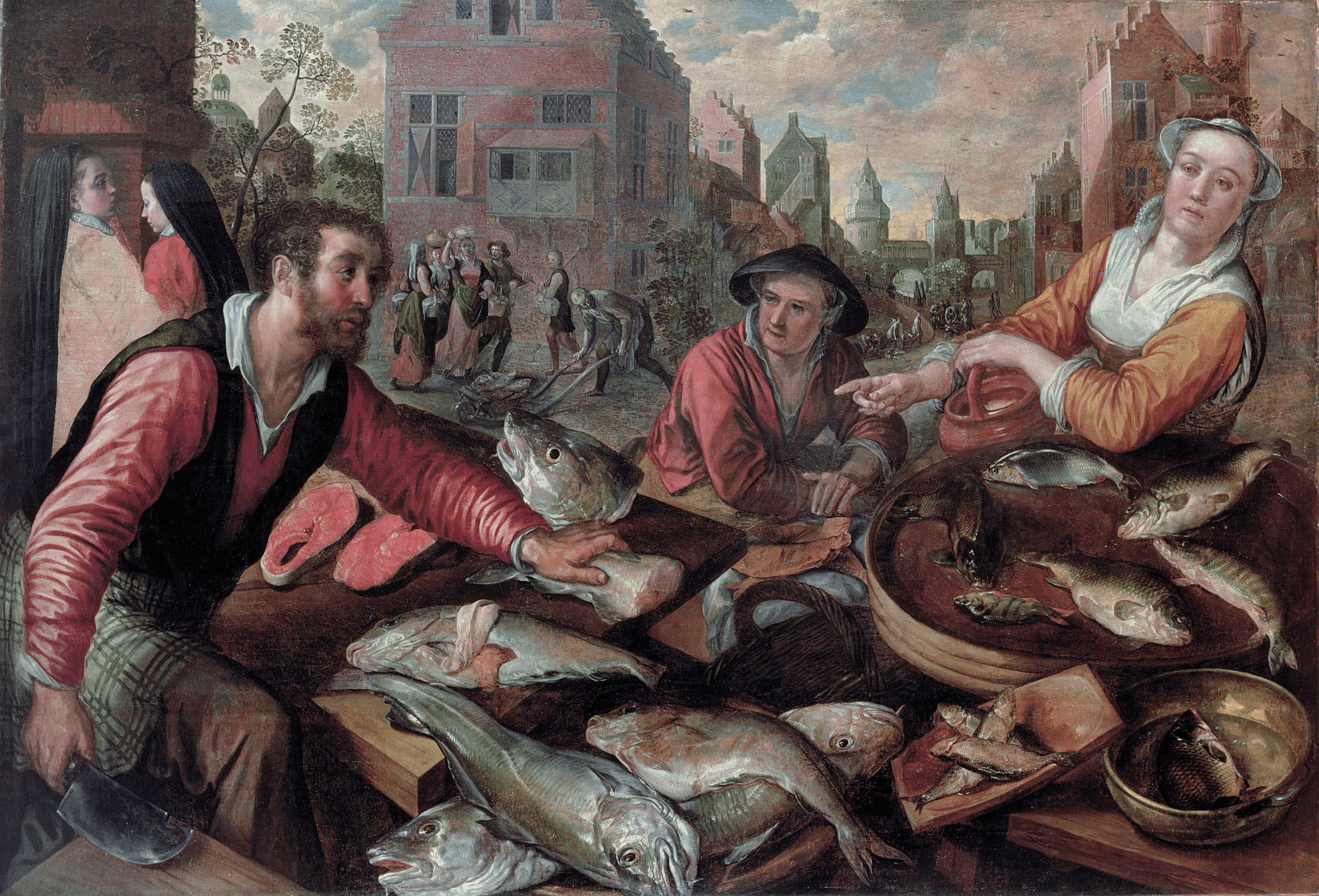
According to household and market records from 15th-century London and Bruges, roasted or salted smelt were sold from makeshift street stalls, often skewered for convenience. A hungry laborer could buy a stick of three or four fish, lightly salted and cooked over an open flame. It was quick, filling, and full of flavor; this was the medieval version of street kebabs or fish-on-a-stick festivals today.
Just as pies traveled from England to the colonies, these portable fish recipes influenced future cuisines. From sardines grilled in Portugal to smoked herring in Northern Europe, the idea of fast, skewered seafood was a lasting medieval legacy.
Apples for Dessert: The Sweet Simplicity
To complete the meal, I added apples, one of the most common and beloved fruits of the Middle Ages. Apples appeared everywhere—from the orchards of monasteries to the tables of kings. They were eaten raw, baked into tarts, pressed into cider, or dried for storage through the winter. As a street snack, a fresh apple would have been cheap, healthy, and portable—just the kind of natural sweetness to finish a hearty meal on the go.
So, my recreation combines the best of medieval fast food: a savory pork pie, salted smelt on a stick, and a crisp apple for dessert. Together, they make a “Medieval Happy Meal”—balanced, nourishing, and rooted in the real food culture of the 14th and 15th centuries.
The Legacy of Medieval Fast Food
Street food thrived because medieval life demanded it. With long workdays and limited cooking facilities, people depended on cooks, bakers, and fishmongers for sustenance. Town authorities even regulated vendors to ensure fair pricing and cleanliness, showing how vital they were to the city’s economy. In places like Paris’s Pont Neuf or London’s Cheapside Market, street food was not only sustenance, it was also social life.
The legacy of those meals survives today in every pastry, skewer, and sandwich designed to be eaten by hand. While we may not cook over open hearths or buy food from a fishmonger’s cart, the spirit of convenience and comfort in food remains unchanged. Fast food, in its truest form, began not with industrial chains but with bakers, brewers, and cooks feeding a hungry, working world.
Recipe: Medieval Fast Food – Pork Pies, Smelt on a Stick, and Apples

Medieval Fast Food — Pork Pies, Smelt on a Stick, and Apples
Ingredients
For the Pastry
- 2 cups 250 g all-purpose flour
- ½ tsp salt
- ½ cup 115 g cold butter, diced
- 4 –6 tbsp cold water
For the Filling
- ½ lb 225 g ground pork
- 1 egg beaten
- ½ tsp salt
- Pinch of saffron steeped in 1 tbsp warm water
- Optional: ½ tsp ground ginger ¼ tsp black pepper, 1 tbsp minced parsley
For Finishing
- 1 beaten egg for brushing
- Optional: 1 tsp cream mixed with saffron water for a golden glaze
For the Smelt
- 5 –6 skewers
- 3 fileted smelt per stick
- Salt for seasoning
Instructions
- Make the Pastry: Mix flour and salt. Rub in butter until crumbly. Add cold water gradually until dough comes together. Wrap and chill for 30 minutes.
- Prepare the Filling: Combine pork, egg, salt, and saffron water. Add spices and parsley if desired.
- Shape the Pasties: Roll dough to ⅛-inch thick and cut into 6–7 inch circles. Place a spoonful of filling in the center.
- Fold and Seal: Fold into half-moons, crimp edges tightly, and brush with beaten egg.
- Bake: Bake at 400°F (200°C) for 25–30 minutes until golden brown.
- Smelt Preparation: Skewer the fish, sprinkle with salt, and roast over open coals or under a broiler until crisp and lightly golden.
Video
Notes
- Use warming spices like cinnamon, ginger, or pepper for an authentic medieval flavor profile.
- If smelt isn’t available, anchovy or sardine fillets make a fine substitute for historical accuracy.
- Serve your meal on wooden boards or pewter plates for an immersive medieval presentation.