Medieval al-Andalus produced some of the most sophisticated, fragrant, and scientifically informed recipes in the medieval world. The kitchens of Islamic Spain blended Arab, Berber, Iberian, and Mediterranean traditions into a cuisine that was both deeply flavorful and rooted in the medical theories of the age.
If you’re enjoying my recipes, consider picking up one of my e-cookbooks, now 40% Off!
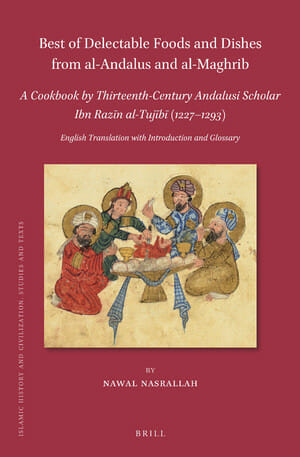
One of the most fascinating examples is a simple but powerful carrot paste, a sweet jam that appears in the 13th-century Andalusian cookbook Kitāb al-Ṭabīkh fī al-Maghrib wa-l-Andalus fī ʿAṣr al-Muwahhidīn, The Cookbook of the Maghrib and al-Andalus in the Era of the Almohads. Its anonymous author recorded dozens of dishes, from luxurious feasts to humble household foods, including this remarkable carrot confection that was eaten as a digestive and, according to the text, as an aphrodisiac.
This carrot paste is more than a recipe. It is a window into a world where food was not only nourishment, but medicine, ritual, and pleasure. Medieval Islamic physicians, including the great Andalusian polymath Ibn Rushd (Averroes), believed that foods had temperaments like hot, cold, moist, and dry, which affected the internal balance of the body.
Carrots were considered warming and strengthening, honey was seen as a purifier of the humors, and spices like ginger, galingale, cubeb, and clove were powerful stimulants. Combining them created a dish that treated digestion, boosted energy, and, as the original author boldly claims, “increases desire beautifully.”
The Andalusian Cookbook and Its Cultural World
The Kitāb al-Ṭabīkh belongs to the golden age of culinary literature in the Islamic world. Al-Andalus in the 12th and 13th centuries was a center of learning, where scholars wrote on medicine, astronomy, philosophy, and the sciences of the kitchen. Food writing from this period reflects a culture that prized hospitality and knowledge, and the cookbook stands at the intersection of these values. It offers recipes that traveled from Baghdad to North Africa and then into Iberia, adapting to local ingredients like carrots, citrus, almonds, and honey.
Andalusian cuisine was shaped by agricultural advances like irrigation, orchard cultivation, and beekeeping. Honey was abundant and pure, making it the perfect base for sweet preserves. Carrots grew easily in the region’s fertile soils, and spices arrived through Mediterranean trade routes. The result is a recipe that feels both local and global, refined through centuries of culinary exchange.
Food as Medicine in the Medieval Islamic World
At the time this cookbook was written, food and medicine were inseparable sciences. Physicians followed the teachings of Galen, Hippocrates, and Islamic scholars like Ibn Sina, who believed that the body’s health depended on maintaining balance. Carrot paste appears not only as a dessert but as a remedy. Carrots were considered warming for the kidneys and reproductive organs. Honey was believed to strengthen the body and clear impurities. Spices like galingale and cubeb pepper stimulated circulation and increased vitality.
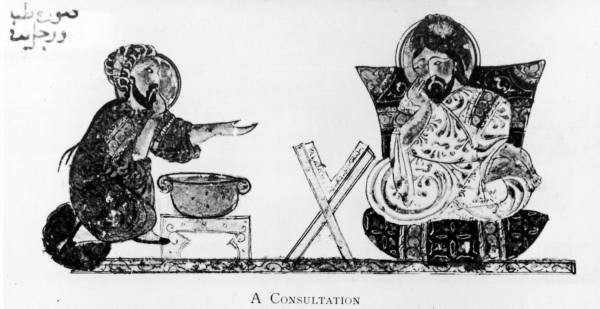
This recipe embodies that medical philosophy. It is a concentrated blend of warming, energizing ingredients designed to be eaten at the end of the meal to help digestion and invigorate the body. The author specifically notes its benefits for desire, which fits perfectly within medieval medical thought. Spices were associated with heat, and heat was associated with passion. A sweet, spiced paste eaten in small bites would have been both pleasurable and medicinal.
A Medieval Aphrodisiac
When the original text describes carrot paste as “fortifying coitus and increasing desire beautifully,” it reflects a long tradition of aphrodisiac foods in the medieval Islamic world. These foods aimed to increase warmth, improve mood, and stimulate the senses. Honey was one of the most revered enhancers of vitality. Ginger and galingale were prized for their heat and fragrance. Cubeb pepper, a spice now rare, was used specifically in medical contexts to increase energy and sharpen the mind.
Carrot paste fits perfectly into this tradition. It is sweet, rich, aromatic, and warming. It delivers quick energy from the honey and slow warmth from the spices. Medieval diners would roll it into small balls and eat it like a nut at the end of the meal, savoring its flavor and its perceived effects. Whether or not its reputation was earned, the dish remains one of the most interesting examples of how food and desire intertwined in al-Andalus.
My Recreation of the Dish
To honor this recipe, I created a small modern batch using the same ratios found in the original manuscript. Carrots are boiled, mashed, and cooked down with honey until they form a thick paste. Once the mixture tightens and shines, I add ginger, galingale, cubeb pepper, and clove, creating a fragrance that feels unmistakably medieval. The taste is warm, sweet, floral, and spiced all at once. It resembles a jam, but with the density of a confection. Rolled into small balls, it feels like a cross between fruit leather and a spiced sweet.
This is a dish that carries a thousand years of history in every bite. It is simple, striking, and steeped in meaning. The fact that it still works today shows how skilled Andalusian cooks were at transforming everyday ingredients into something memorable. Definitely more medicinal than actually tasting good, 4.4/10.
Recipe: Andalusian Carrot Paste (Carrot Jam), 13th Century
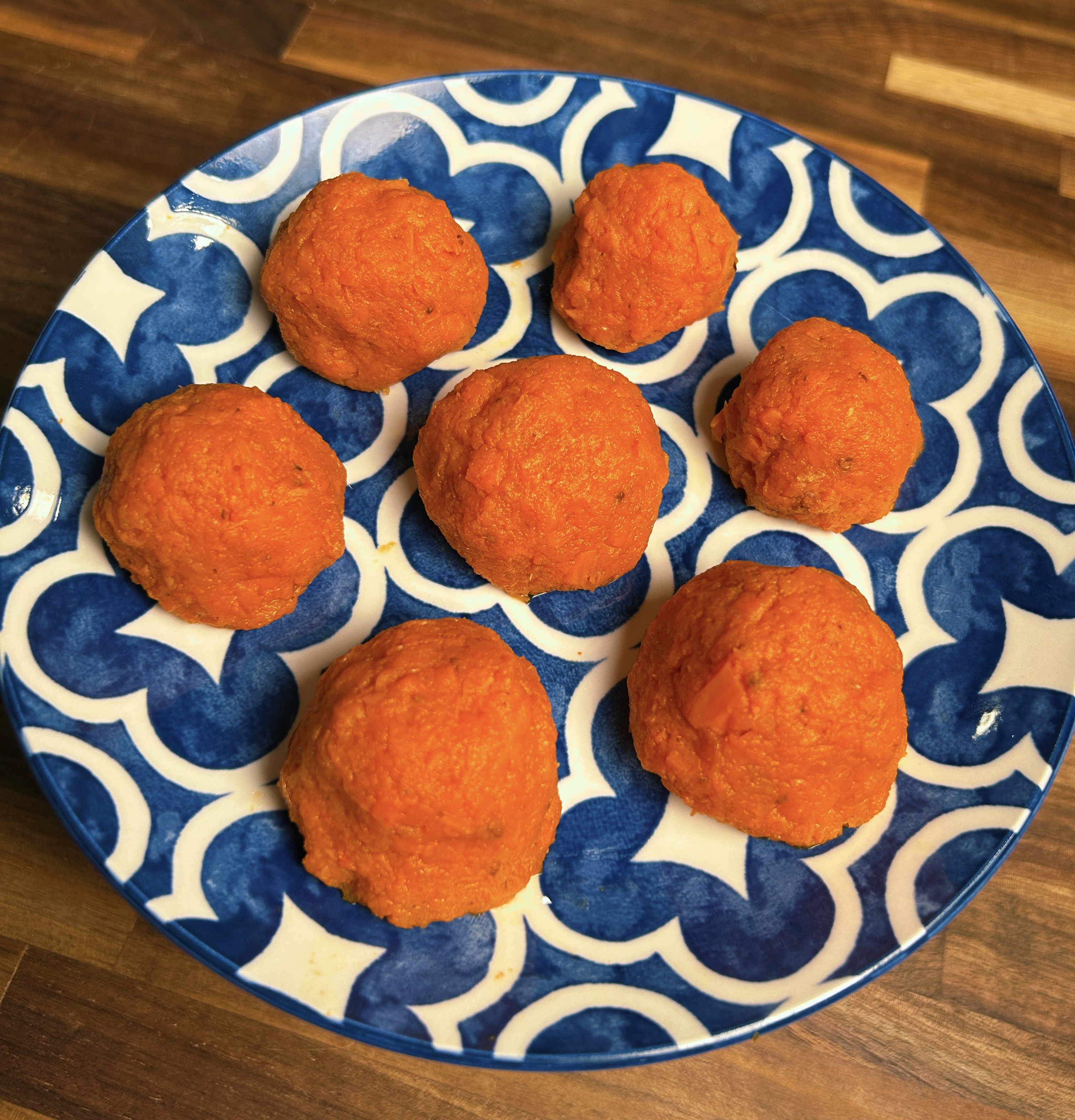
Andalusian Carrot Balls (Carrot Jam), 13th Century
Ingredients
Base
- 1 pound carrots peeled and boiled
- ½ cup water
Honey
- 3/4 cup honey
Spice Mix
- ¼ teaspoon ground ginger
- ¼ teaspoon ground galingale
- ⅛ teaspoon ground cubeb pepper or black pepper + allspice
- ⅛ teaspoon ground clove
Instructions
Prepare the Carrots
- Peel the carrots
- Chop into chunks and place in a pot with ½ cup water.
- Boil until very soft.
- Drain and mash into a smooth paste.
Cook with Honey
- Warm the honey in a small pot until foamy.
- Add the honey to the cooled mashed carrots
Add the Spices
- Stir in the ginger, galingale, cubeb pepper, and clove.
- Continue cooking until the paste holds its shape.
Shape and Serve
- Let cool slightly.
- Roll into small balls or spoon into a jar.
- Eat a small piece at the end of a meal.
Notes
- Carrot moisture varies, so if your paste seems too loose after cooking, continue simmering until it thickens. The goal is a dense, spoonable paste that holds its shape when cooled.
- Galingale and cubeb pepper are rare today, but you can substitute extra ginger for the galingale and a blend of black pepper and a pinch of allspice for the cubeb while keeping the medieval flavor profile intact.
- The flavor improves after resting. Store the paste for 24 hours before serving to let the honey and spices meld. The result is smoother, richer, and far more aromatic, just as medieval cooks intended.