Christmas during the Great Depression looked very different from the holiday we celebrate today. Families all across America faced unemployment, shrinking wages, and deep uncertainty. Yet when December arrived each year, people still clung to tradition. They decorated with what they had, they crafted homemade gifts, and they cooked the kinds of humble dishes that brought comfort during the coldest months of the year. Christmas shifted from a season of abundance to a season of resilience, shaped by creativity and the desire to preserve hope.

One of the most beloved of these dishes was the Poor Man’s Fruitcake. It appeared in countless variations across the country, each one adapted to the pantry and budget of the family who baked it. Instead of the expensive candied fruits and nuts used in Victorian and Edwardian fruitcakes, Depression-era cooks turned to raisins, lard, warm spices, and ingenuity. The result was a dense, fragrant, deeply satisfying loaf that tasted far richer than its ingredients suggested. Baking it was not just an act of nourishment. For many families, it was a way to ensure that Christmas still felt like Christmas.
Today, recreating this recipe gives us a glimpse into the lives of those who endured the hardest decade in modern American history. It reminds us that holiday traditions do not rely on extravagance. They come from intention, memory, and the shared belief that even in difficult times, something sweet is worth making.
Christmas in Hard Times
The Great Depression reshaped daily life, but the holidays remained a cultural anchor that families refused to give up. December became a momentary reprieve from the constant strain of financial hardship. Children looked forward to simple gifts, often handmade or passed down from older siblings. Adults found comfort in the rituals they had grown up with, even if they had to reimagine them. Houses that once boasted Christmas trees filled with store bought ornaments now displayed branches cut from nearby woods, decorated with popcorn strands and newspaper garlands.
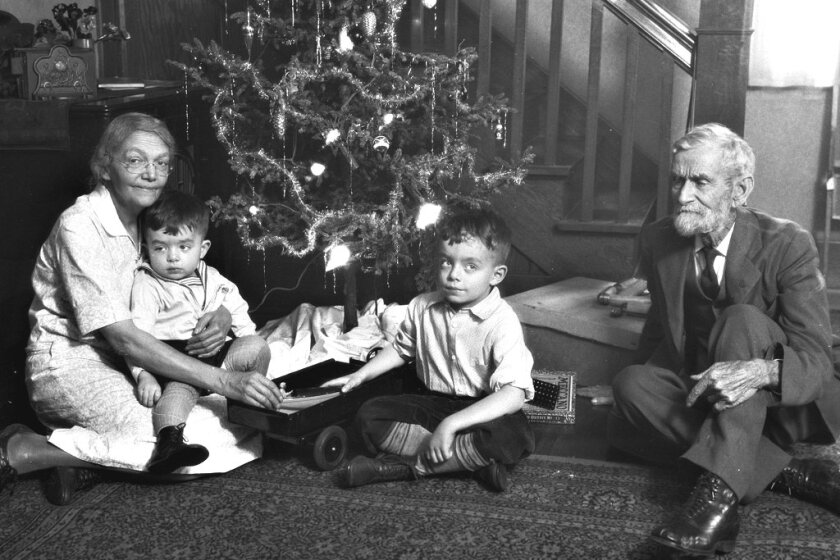
Food shortages forced home cooks to be resourceful. The holiday table was built from inexpensive staples and ingredients that stretched further than most recipes intended. Families learned to repurpose leftovers, to sweeten dishes with boiled raisins rather than pricey fruits, and to find joy in meals that reflected their creativity rather than their means. The result was a holiday season grounded in community, frugality, and shared endurance.
Poor Man’s Fruitcake thrived in this environment because it represented exactly what Depression era families needed. It was affordable, reliable, and festive despite its simplicity. Baking it was an act of hope, a small luxury in a decade with few luxuries. When that loaf came out of the oven filling the house with the warm scent of spices, it reminded families that even in times of scarcity, tradition could survive.
A Dessert Born from Necessity
Unlike traditional fruitcakes loaded with candied orange peel, dried cherries, walnuts, and brandy, the Poor Man’s Fruitcake had a much humbler design. It relied almost entirely on ingredients commonly found in working class kitchens. Raisins provided sweetness and texture without requiring costly imported fruit. Lard acted as the fat source because butter was often too expensive or simply unavailable. Spices like cinnamon, nutmeg, and cloves were stretched across the entire holiday season, used sparingly because they were considered precious.
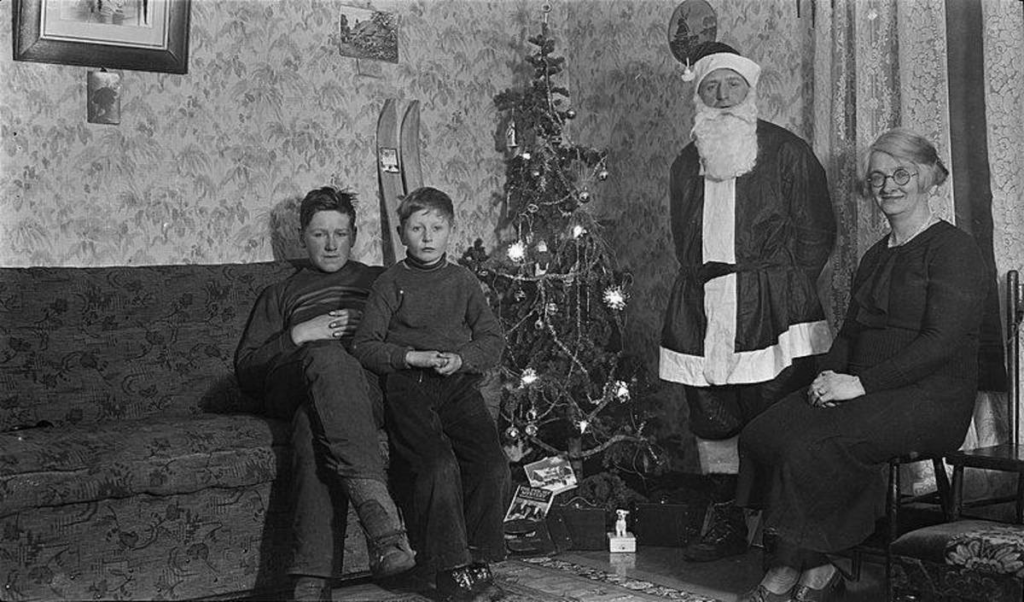
The method itself was efficient. Boiling the raisins with sugar and spices extracted every bit of sweetness and color from the fruit. This aromatic syrup acted as both flavor base and emotional comfort. The inclusion of baking soda dissolved in cold water was another Depression era trick, ensuring the heavy dough rose just enough to keep the final loaf tender. Flour was added gradually to form a dense batter that baked beautifully at a low temperature. It was a dessert designed to succeed even in the most modest kitchens.
Many families made this recipe once a year, saving their raisins and spices specifically for Christmas. Children were often involved in stirring the batter or licking spoons coated in the fragrant mixture. This fruitcake became a centerpiece of the holiday table not because it was luxurious, but because it was attainable. It represented what families valued most during the Depression: togetherness, tradition, and the quiet triumph of creating something sweet out of hardship.
Why This Fruitcake Still Matters
Making this fruitcake today is more than a culinary experiment. It is a way to honor the resilience of past generations. It allows us to connect with the families who endured long winters, thin paychecks, and lean pantry shelves yet still found joy in gathering around a homemade holiday dessert. The flavor carries a sense of history. Each bite reminds us of a time when resourcefulness was the greatest ingredient available.
Modern holiday desserts may be richer and more elaborate, but few carry the emotional weight of a Poor Man’s Fruitcake. Its simplicity is part of its charm. It is sweet enough to feel celebratory, sturdy enough to last for days, and warm enough in flavor to evoke nostalgia. This loaf stands as a testament to the idea that Christmas is not defined by abundance. It is defined by spirit.
Families who struggled through the Depression passed down this recipe not because it was extravagant, but because it meant something. It symbolized perseverance. It gave them a taste of comfort during a decade that offered very little. Recreating it today is a small but meaningful way to remember that tradition, love, and creativity matter far more than ingredients.
The Legacy of the Great Depression Christmas
Every generation leaves behind stories that capture its defining challenges. For the Depression era, the kitchen became both workshop and sanctuary. It was where families learned to turn scarcity into tradition. Recipes like this one survived because they carried emotional significance. The fruitcake on a holiday table symbolized a family’s ability to endure and still celebrate.
Today, we often imagine the Great Depression as a time of unbroken hardship, but the holidays reveal another side. They show a nation determined to keep its rituals alive. They show parents who refused to let their children go without the magic of Christmas morning. They show the importance of gathering, sharing, and crafting annual traditions even when the world felt uncertain.
Poor Man’s Fruitcake may be humble, but it is woven into that story. It carries the flavors of a time when ingredients were limited, but love was not. It stands as a reminder that the heart of Christmas lies not in luxury, but in the moments of joy people create for each other.
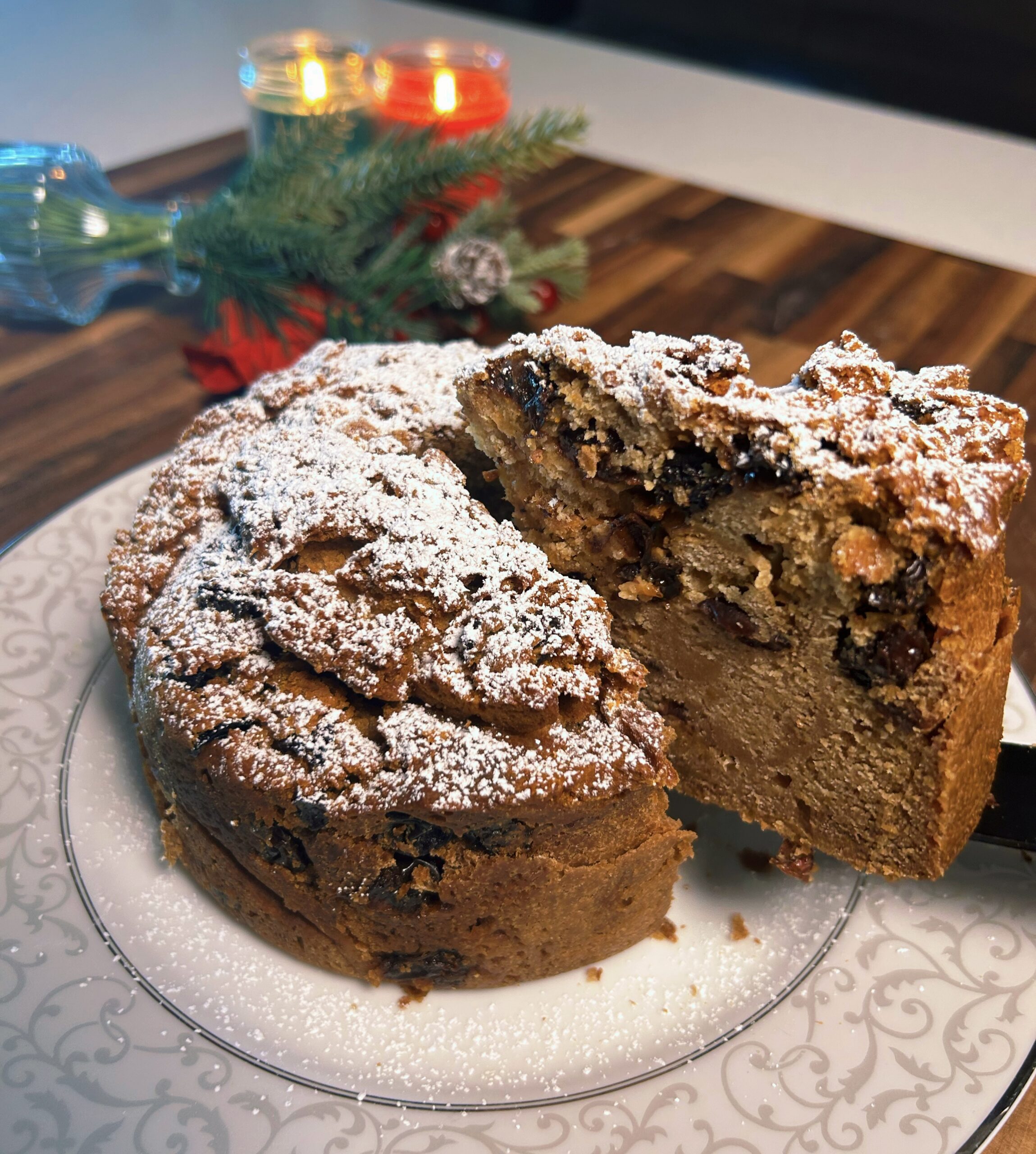
Poor Man’s Fruitcake
Ingredients
- 1.5 cups raisins
- 1 tsp salt
- 1 tsp nutmeg
- 1 tsp cinnamon
- ½ tsp cloves
- 1 cup sugar
- 3 cups water
- 1 cup lard/butter
- 1 cup cold water
- 1 tablespoon baking soda
- About 3.5 cups all-purpose flour
Instructions
Cook the Raisin Base
- In a large pot combine raisins, sugar, salt, nutmeg, cinnamon, cloves, and 3 cups of water.
- Bring to a gentle boil and simmer for 10 to 15 minutes until the raisins are plump and the liquid is dark and fragrant.
Add the Lard/Butter
- Stir in the lard while the mixture is still hot.
- Allow it to melt completely, then remove from heat and let the mixture cool until just warm.
Activate the Soda
- Stir the baking soda into 1 cup of cold water.
- Add this to the cooled raisin mixture and stir well.
Add the Flour
- Gradually stir in flour, one cup at a time, until you have a thick, heavy batter.
- The batter should be stiff but pourable, similar to a dense quick bread.
Bake
- Pour into a greased loaf pan or cake tin.
- Bake at 300°F for 90 to 100 minutes.
- The cake is done when a knife inserted into the center comes out mostly clean.
Cool and Rest
- Let the cake cool completely before slicing.
- Like all fruitcakes, it improves after resting a day or two.
Video
Notes
- Let the fruitcake rest for a day or two: Depression era families knew this loaf tasted better over time. The spices deepen, the moisture distributes evenly, and the flavor becomes far richer after resting.
- Lard can be substituted, but changes the flavor: Butter or shortening will work, but the authentic Great Depression flavor comes from lard, which gives the loaf its signature texture and old fashioned richness.
- The batter should be thick and heavy: This is not a light or airy cake. Add flour gradually until the batter resembles dense quick bread. A stiff batter ensures the fruit stays suspended throughout the loaf.