The holiday season has a way of pulling certain drinks back into our lives, and hot chocolate might be the most nostalgic of them all. It is warming, indulgent, and deeply tied to winter rituals across cultures. We think of it today as cozy and comforting, something meant for cold nights and quiet moments, but hot chocolate has a much longer and more complicated history than most people realize.
This drink began not as a sweet dessert beverage, but as something bitter, spicy, and ceremonial. Over centuries, it traveled across oceans, moved through empires, and transformed from a sacred ritual drink into a symbol of European luxury.
To understand why hot chocolate became what it is today, we have to trace it from its origins in Mesoamerica to the aristocratic kitchens of Europe. For this post, I am recreating a rich 1816 German hot chocolate that shows just how far the drink had evolved by the early nineteenth century.
The Sacred Origins of Hot Chocolate in Mesoamerica
Chocolate begins in ancient Mesoamerica, where cacao trees were cultivated by the Olmec, Maya, and later the Aztecs. Long before sugar entered the picture, cacao was consumed as a frothy drink made from ground cacao beans mixed with water, spices, and sometimes maize. These early versions were often bitter and spiced with chili or aromatic herbs, and the foam itself was considered one of the most desirable elements.
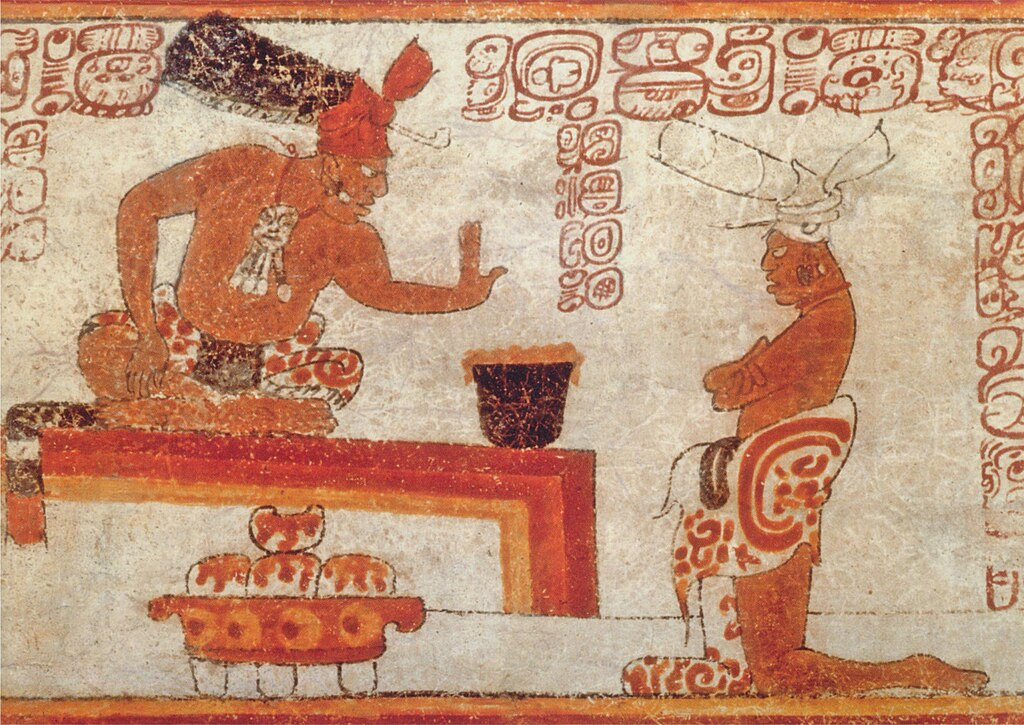
Cacao was more than just food. It held religious, economic, and social significance. Cacao beans were used as currency, offered to gods, and consumed during rituals tied to fertility, warfare, and status. Drinking chocolate was an act layered with meaning, and access to it was often restricted to elites, priests, or warriors. This ceremonial weight would follow chocolate as it crossed the Atlantic, even as its flavor profile began to change.
The Spanish Encounter and Transformation of Chocolate
When the Spanish arrived in the Americas in the early sixteenth century, they encountered cacao through Indigenous practices. At first, Europeans largely rejected chocolate’s bitterness, but they quickly recognized its value. Spanish colonizers began exporting cacao to Europe, along with the knowledge of how to prepare it, though not without altering it to suit European tastes.
Sugar, cinnamon, and vanilla were added to soften the bitterness, and chili was gradually removed. These changes transformed chocolate from a ritual beverage into something closer to a luxury drink. Spanish monasteries and royal courts played a key role in refining these recipes, and chocolate soon became a fashionable drink among the Spanish elite. It was expensive, imported, and associated with wealth, making it a symbol of status as much as pleasure.
Chocolate as an Aristocratic Obsession in Europe
By the seventeenth century, hot chocolate had spread beyond Spain into France, Italy, and the German states. Chocolate houses opened in major European cities, serving it alongside coffee and tea. In aristocratic households, hot chocolate was often consumed at breakfast or during afternoon social gatherings, prepared by servants using elaborate equipment.

European versions of hot chocolate grew increasingly rich. Milk replaced water, sugar became standard, and eggs were sometimes added to create a thicker, custard-like texture. Spices such as cinnamon remained common, reinforcing chocolate’s association with warmth and luxury. These drinks were not casual. They were time-consuming to prepare and intentionally indulgent, reflecting the tastes and priorities of the upper classes.
The German Tradition and Early Nineteenth-Century Chocolate
By the early nineteenth century, chocolate had become well established in German-speaking regions. Cookbooks from this period show a preference for thick, nourishing chocolate drinks that bordered on dessert. These recipes often included eggs and milk, transforming hot chocolate into something closer to a drinkable custard.
The 1816 recipe from Neues Fränkisches Kochbuch by M. D. Funk fits squarely within this tradition. It reflects a moment when chocolate was still labor-intensive and luxurious, but increasingly accessible to well-off households beyond royal courts. The inclusion of egg yolks points to a desire for richness and body, while cinnamon connects the drink back to its long history as a spiced beverage.
From Luxury to Everyday Comfort
As industrialization progressed, chocolate production became more efficient. Cocoa powder, mass-produced chocolate bars, and eventually instant mixes transformed hot chocolate into an everyday drink. What once required careful melting, whisking, and tempering could now be made in minutes.
Despite this shift, traces of the old traditions remain. The association of hot chocolate with winter, celebration, and indulgence has never disappeared. Even today, when we dress it up with whipped cream or shaved chocolate, we are echoing centuries of refinement and ritual. The 1816 version sits at a fascinating midpoint between sacred drink and modern comfort beverage.
Why This Recipe Still Matters
Recreating a historical hot chocolate like this is a reminder that the past was not always bland or primitive. This drink is rich, smooth, and deeply satisfying. The eggs give it a luxurious texture that modern versions rarely achieve, and the cinnamon adds warmth without overpowering the chocolate.
This recipe also shows how deeply food history shapes our modern traditions. When we sip hot chocolate during the holidays, we are participating in a ritual that spans continents and centuries. From Mesoamerican ceremonies to European salons to our own kitchens, hot chocolate has always been more than just a drink.
The Recipe: German Hot Chocolate from 1816
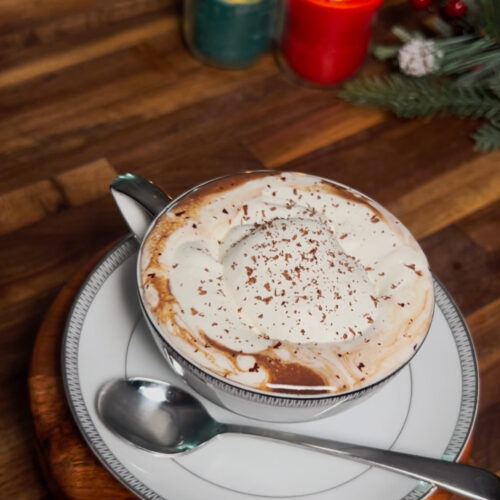
Hot Chocolate (1816)
Ingredients
- 1 bar unsweetened chocolate finely diced (about ½ cup melted)
- 2½ cups whole milk
- 4 egg yolks
- 3 tablespoons sugar
- 1½ teaspoons cinnamon powder
Optional Garnish
- Lightly whipped heavy cream
- Shaved dark chocolate
Instructions
- Dice the chocolate bar into very small pieces and set aside.
- In a medium pot, heat the milk over medium heat until it just reaches a boil, then reduce heat.
- In a separate pot over low heat, melt the chocolate gently.
- Slowly stir a few spoonfuls of the hot milk into the melted chocolate, forming a thick, smooth sauce.
- Gradually add the remaining milk, stirring constantly.
- Stir in the sugar and cinnamon until fully dissolved.
- In a bowl, beat the egg yolks. Temper them with a spoonful of the hot chocolate mixture.
- Slowly pour the tempered yolks into the pot while whisking aggressively.
- Continue stirring over low heat for several minutes until the chocolate thickens to a custard-like consistency. Do not boil.
- Serve immediately. Garnish with unsweetened whipped cream and shaved dark chocolate if desired.
Video
Notes
- Temper the eggs carefully: The key to this recipe is gently warming the egg yolks before adding them to the pot. Add the hot chocolate slowly while whisking constantly to prevent curdling. Low heat and patience are essential.
- Use real unsweetened chocolate: This recipe relies on the depth of true chocolate rather than cocoa powder. A high-quality unsweetened baking chocolate will give the best flavor and most historically accurate result.
- Do not let it boil after adding eggs: Once the egg yolks are incorporated, keep the heat low and continue whisking. Boiling will scramble the eggs and ruin the texture. You’re aiming for thickened and glossy, not bubbling.