Bigos is not a dish of refinement or spectacle. It is a dish of endurance. Dense, sour, smoky, and deeply layered, it reflects the realities of life in Central and Eastern Europe where winters were long, forests were thick, and survival depended on preservation as much as abundance. Often called Poland’s national dish, bigos carries centuries of history in a single pot.
If you’re enjoying my recipes, check out my e-cookbooks at Eats History Shop, now 40% Off!
Unlike many celebrated European recipes, bigos does not trace its origins to royal kitchens alone. It emerged from the intersection of hunting culture, agricultural necessity, and climate. What began as a practical way to cook and preserve meat gradually became a symbol of Polish identity, resilience, and continuity.
This dish improved with time. It was reheated again and again, growing richer rather than weaker. That quality made it ideal for cold winters, traveling armies, and moments of national crisis. Bigos fed nobles after hunts, peasants through famine, and soldiers during war.
The Origins of Bigos as a Royal Hunter’s Stew
The earliest forms of bigos appear in medieval Poland as a dish closely associated with the hunt. Forests covered much of the region, and hunting was both sustenance and sport for the nobility. Large animals such as boar, deer, and hare were taken during extended hunts and cooked communally afterward.
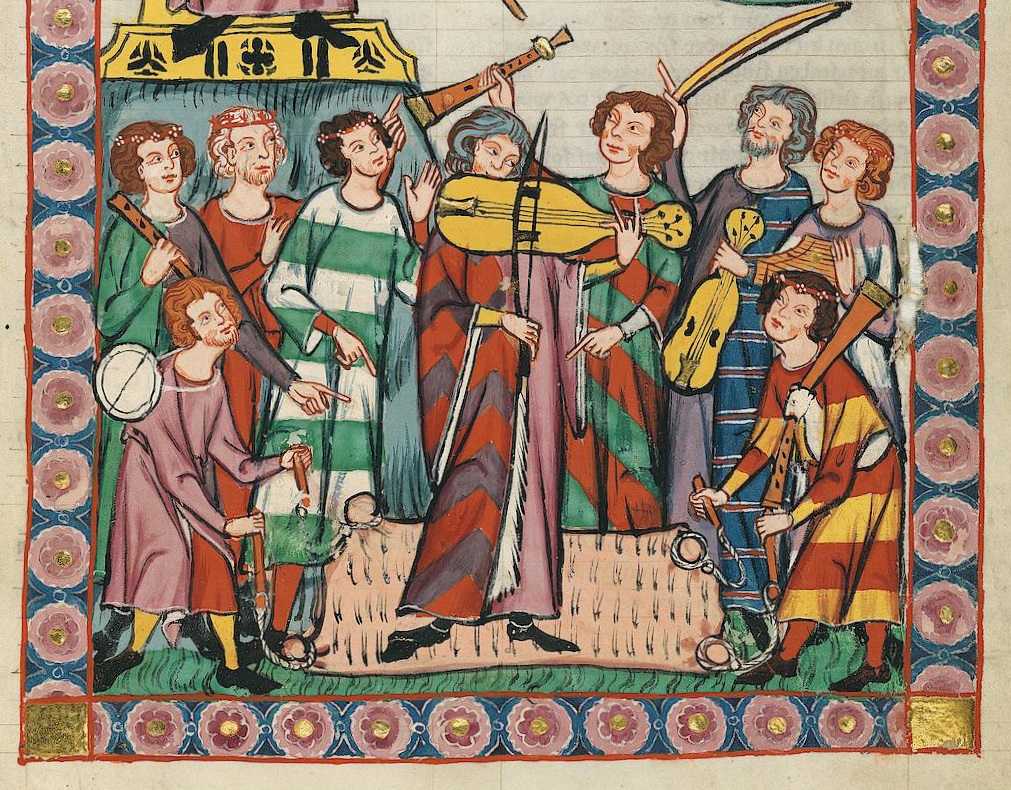
Early bigos likely contained chopped meat cooked with acidic elements, initially vinegar or fermented liquids rather than cabbage. The purpose was to preserve meat, tenderize tougher cuts, and allow large quantities to be prepared at once. This made it ideal for hunting lodges where groups gathered for days at a time.
Over time, fermented cabbage entered the pot. Sauerkraut provided acidity, nutrition, and long shelf life. It allowed bigos to be prepared even when fresh vegetables were unavailable. The combination of meat and sour cabbage became foundational.
Though associated with nobles, bigos was not delicate food. It was meant to fill, warm, and sustain. That practicality would ensure its survival far beyond the medieval hunt.
The Evolution of Bigos Through the Centuries
As Poland developed through the Middle Ages and into the era of the Polish–Lithuanian Commonwealth, bigos evolved alongside society. The stew became more complex, incorporating multiple meats, smoked elements, dried fruits, and forest mushrooms. Each addition reflected regional availability and household status.
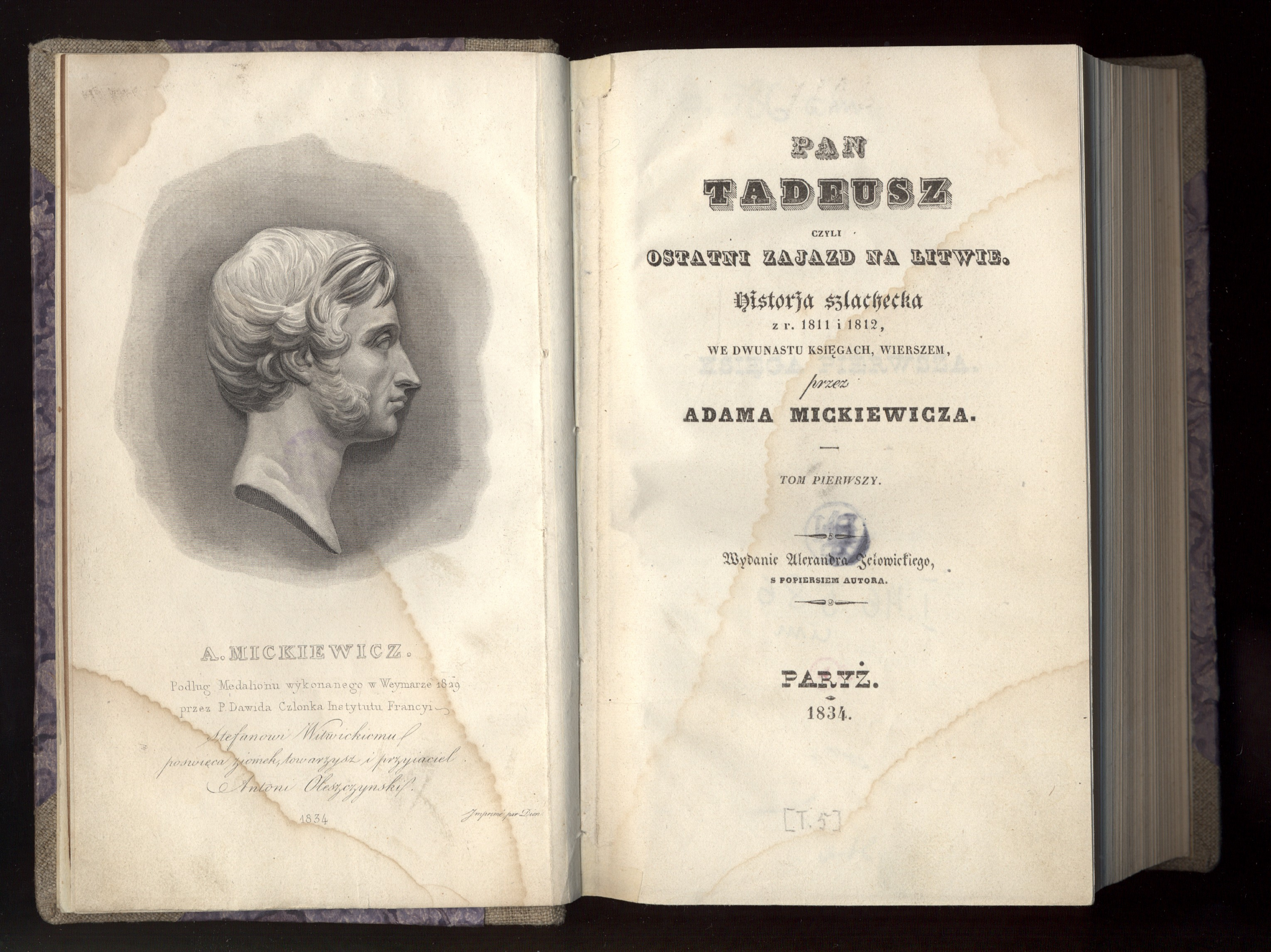
By the 16th and 17th centuries, bigos had become a recognized cultural dish rather than merely a method. It appeared in literature and oral tradition, most famously described in Adam Mickiewicz’s Pan Tadeusz, where its aroma alone is portrayed as capable of reviving spirits and stirring memory.
What made bigos remarkable was its adaptability. There was no fixed recipe. Hunters used game. Townspeople used beef or pork. Smoked sausages added preservation and depth. Dried plums introduced subtle sweetness that balanced the sauerkraut’s acidity.
This flexibility ensured that bigos survived political upheaval, changing borders, and economic hardship. It belonged to everyone because it could be made from almost anything, yet always tasted unmistakably Polish.
Surviving a Medieval Polish Winter
Polish winters shaped the cuisine as much as geography or politics. Cold temperatures, snowbound roads, and limited fresh produce demanded foods that could be stored, reheated, and relied upon. Bigos was perfectly suited to these conditions.
Fermented cabbage provided vitamin C when fresh greens were unavailable. Dried mushrooms and prunes added nutrients and flavor from forest and orchard stores. Meat was preserved through smoking or curing, allowing protein to last through the winter months.
Bigos was often cooked in large batches and reheated daily. Each reheating deepened its flavor, making it more desirable with time rather than less. This quality made it a communal dish, shared across days and among households.
In a medieval winter, bigos was not indulgence. It was security.
The Battle of Vienna and the Defense of Europe
In 1683, Polish forces under King Jan III Sobieski played a decisive role in the Battle of Vienna, halting the Ottoman advance into Central Europe. The relief of Vienna became one of the defining moments in Polish and European history.
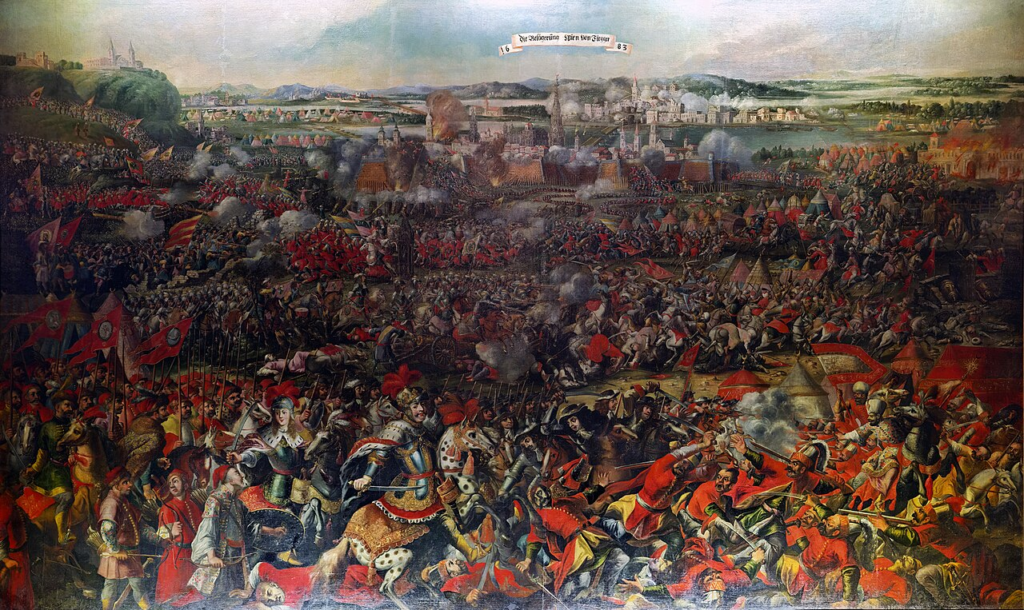
The Polish army that rode to Vienna was hardened by long campaigns and harsh conditions. Soldiers relied on foods that were durable, nourishing, and familiar. While no single dish can be tied definitively to the battlefield, bigos represents the type of food that sustained armies. It used preserved ingredients, required little refinement, and could be cooked in bulk.
The victory at Vienna cemented Poland’s reputation as a defender of Europe. It also reinforced national pride rooted not in luxury but in endurance and resolve. Food like bigos reflected that character. It was not about excess. It was about survival and strength.
In this sense, bigos stands as culinary parallel to Poland’s role in history. Quietly essential. Difficult to destroy. Improved by hardship.
Modern Bigos as a National Dish
Today, bigos is recognized as one of Poland’s national dishes. It appears at holidays, family gatherings, and cultural celebrations. Despite modern conveniences, its preparation remains time-consuming and deliberate, honoring tradition rather than speed.
Modern versions may include tomatoes or other New World ingredients, but the heart of the dish remains unchanged. Sauerkraut, cabbage, meat, mushrooms, spices, and patience define bigos more than any single addition.
Every household prepares it differently. That variation is part of its identity. Bigos is not a recipe to be perfected but a tradition to be carried forward.
A Medieval-Style Bigos
This version of bigos avoids New World ingredients and focuses on what would have been available in medieval Poland. It relies on cabbage, sauerkraut, preserved meats, forest mushrooms, dried fruit, and warming spices. The result is deeply savory, sour, smoky, and comforting.
Recipe: Medieval-Style Polish Bigos
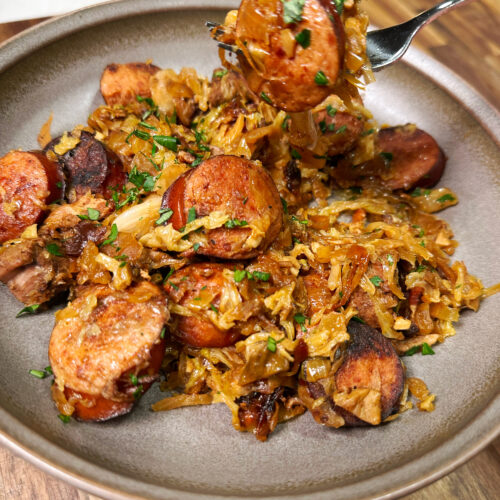
Medieval-Style Polish Bigos
Ingredients
- 2 tablespoons butter
- 1.5 cups drained sauerkraut
- 1 green cabbage diced
- 2 strips bacon cut into 1-inch pieces
- ½ lb beef chuck cut into 1-inch pieces
- 1 Polish kielbasa sausage sliced
- 1 large onion peeled and chopped
- 4 pitted prunes diced
- ¼ cup dried porcini mushrooms soaked until soft and chopped
- 1 cup water
- ½ teaspoon caraway seeds
- ¼ teaspoon allspice
- 1 large bay leaf
- Freshly ground black pepper
- Salt to taste
Instructions
- Melt butter in a heavy pot over medium heat. Add bacon and cook until lightly browned.
- Add beef and brown on all sides. Remove and set aside.
- Add onion to the pot and cook until softened.
- Stir in sauerkraut, cabbage, mushrooms, prunes, spices, bay leaf, and water.
- Return meats and sausage to the pot.
- Cover and simmer gently for 2–3 hours, stirring occasionally.
- Season with salt and pepper to taste.
- For best flavor, cool and reheat the next day.
Notes
- Better the Next Day: Bigos is famously improved by resting overnight and reheating. The flavors deepen and meld, making the stew even more cohesive.
- Balance the Sour: Drain sauerkraut lightly but do not rinse it. The sourness is essential, but seasoning should be adjusted at the end once flavors have concentrated.
- Medieval Authenticity: This version avoids New World ingredients like tomatoes and paprika. The prunes, mushrooms, and spices provide sweetness and complexity in a historically accurate way.