When most people hear the word pancake, they imagine a tall, fluffy stack soaked in butter and maple syrup, served in an American diner. That image, however, is a very modern invention. For most of history, pancakes were thin, simple, and closer to what we would now call a crepe. The recipe known as “The Best Pancake” from 1615 is a perfect example of this older tradition.
If you’re enjoying my recipes, check out my e-cookbooks at the Eats History Shop!

This recipe comes from a time when cooks did not chase height, airiness, or indulgence. Pancakes were everyday fare, meant to be quick, economical, and flexible. They were cooked thin in shallow pans, flavored lightly with spices, and dressed after cooking with sugar, honey, or whatever sweetener was available.
Rather than judging this recipe by modern diner standards, it makes more sense to approach it as a window into how people actually ate in early modern England. What Markham calls the “best” pancake reflects balance, versatility, and refinement rather than spectacle. This recipe tells us far more about historical taste than it does about breakfast nostalgia.
Pancakes Before 1615: From Ancient Greece to Medieval Europe
Long before this English recipe appeared in print, pancakes were already an ancient food. In Classical Greece, writers like Athenaeus describe thin cakes known as tagenitai or teganitai, made from wheat flour, olive oil, and water, cooked on flat pans and often sweetened with honey. These early pancakes were simple and practical, cooked quickly over open heat and eaten as a daily staple.
The Romans inherited and expanded this tradition. In the Roman culinary corpus attributed to De Re Coquinaria, attributed to Apicius, there are multiple batter based preparations that resemble pancakes. These mixtures often included eggs, milk or water, and flour, sometimes flavored with spices or sweetened with honey. The Roman approach emphasized technique rather than fluff, producing thin cakes that could be folded, layered, or dressed after cooking.

During the medieval period, pancakes continued across Europe as fried batters and thin cakes. In England, France, and the Low Countries, they were commonly associated with religious calendars such as Shrovetide, when households used up eggs and fats before Lent. These medieval pancakes remained thin and pan cooked, closer to crepes than modern pancakes, and often served as a base for both sweet and savory toppings.
The Source: The English House-Wife by Gervase Markham
This recipe comes from The English House-Wife by Gervase Markham, first published in 1615. Markham’s book was not a chef’s manual but a household guide aimed at managing a well run English home. It covered cooking, brewing, medicine, animal husbandry, and domestic order, all written for a practical audience.
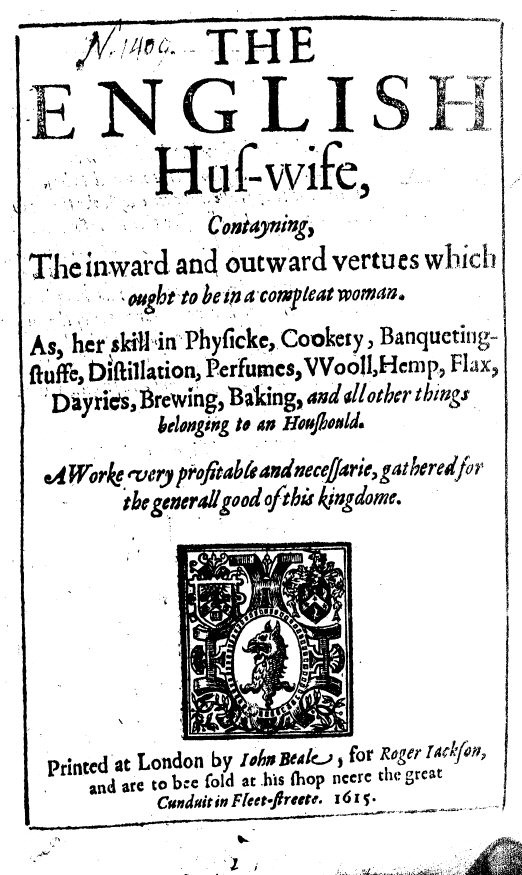
In this context, “The Best Pancake” is not a boast in the modern marketing sense. Markham’s use of the word best refers to balance and reliability. The recipe includes eggs for richness, water rather than milk for economy, and a restrained mix of spices that reflect both availability and taste in early seventeenth century England.
The inclusion of spices like mace, cloves, and nutmeg also signals status and trade. These spices were imported, expensive, and used sparingly. Their presence elevates an otherwise humble batter into something refined without turning it into a luxury dish. This pancake sits firmly between everyday food and special occasion fare.
Pancake vs Crepe: An American and International Divide
While making these, I knew right away from the consistency that they were closer to crepes than to the pancakes I know well. This had me thinking, what is the difference?
From my research, the main difference between pancakes and crepes is largely cultural rather than technical. In most of Europe and much of the world, the default pancake is thin. Crepes in France, palacinke in Central Europe, blini in Eastern Europe, and English pancakes all follow this lineage. Thickness is optional, not expected.
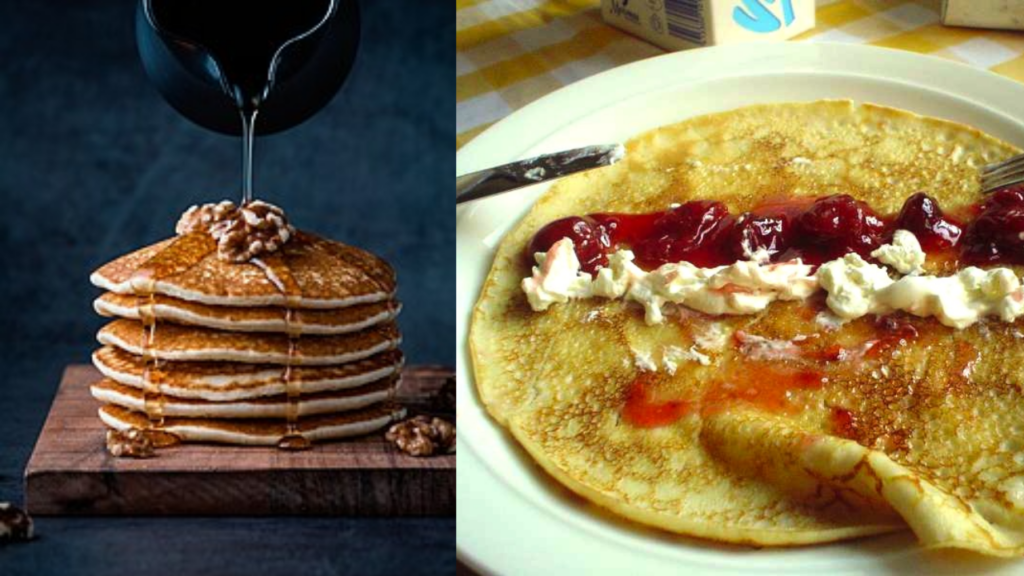
In the United States, pancakes evolved differently in the nineteenth and twentieth centuries with the introduction of chemical leavening such as baking powder. This created the fluffy, cake-like pancakes now associated with American breakfasts. Over time, this version became dominant enough that thin pancakes were rebranded as something separate entirely.
Historically speaking, the crepe is not a cousin of the pancake. It is the pancake. The American diner-style pancake is the divergence. Recipes like Markham’s sit squarely in the older, global tradition of thin pan-fried batter cakes that existed long before baking powder entered the kitchen.
My Review: Are These “The Best” Pancakes?
By modern American standards, these are not the best pancakes. They are not fluffy, they do not stack dramatically (I rolled them for a better presentation), and they do not deliver the indulgent texture most people expect from a diner breakfast. Judged by that metric alone, they would disappoint the average American Denny’s enjoyer.
As a crepe-style pancake, however, this recipe works well. The batter cooks evenly, the spices add warmth without overpowering the egg and wheat, and the finished pancakes accept toppings beautifully. With powdered sugar, honey, fruit, or even savory fillings, they become a versatile and enjoyable dish.
Taken for what they are, these pancakes are historically honest and functionally sound. They are not revolutionary, but they are reliable. As a window into early modern cooking, and as a flexible crepe base, this recipe earns a 7.1 out of 10!
The Recipe: The Best Pancake (1615)
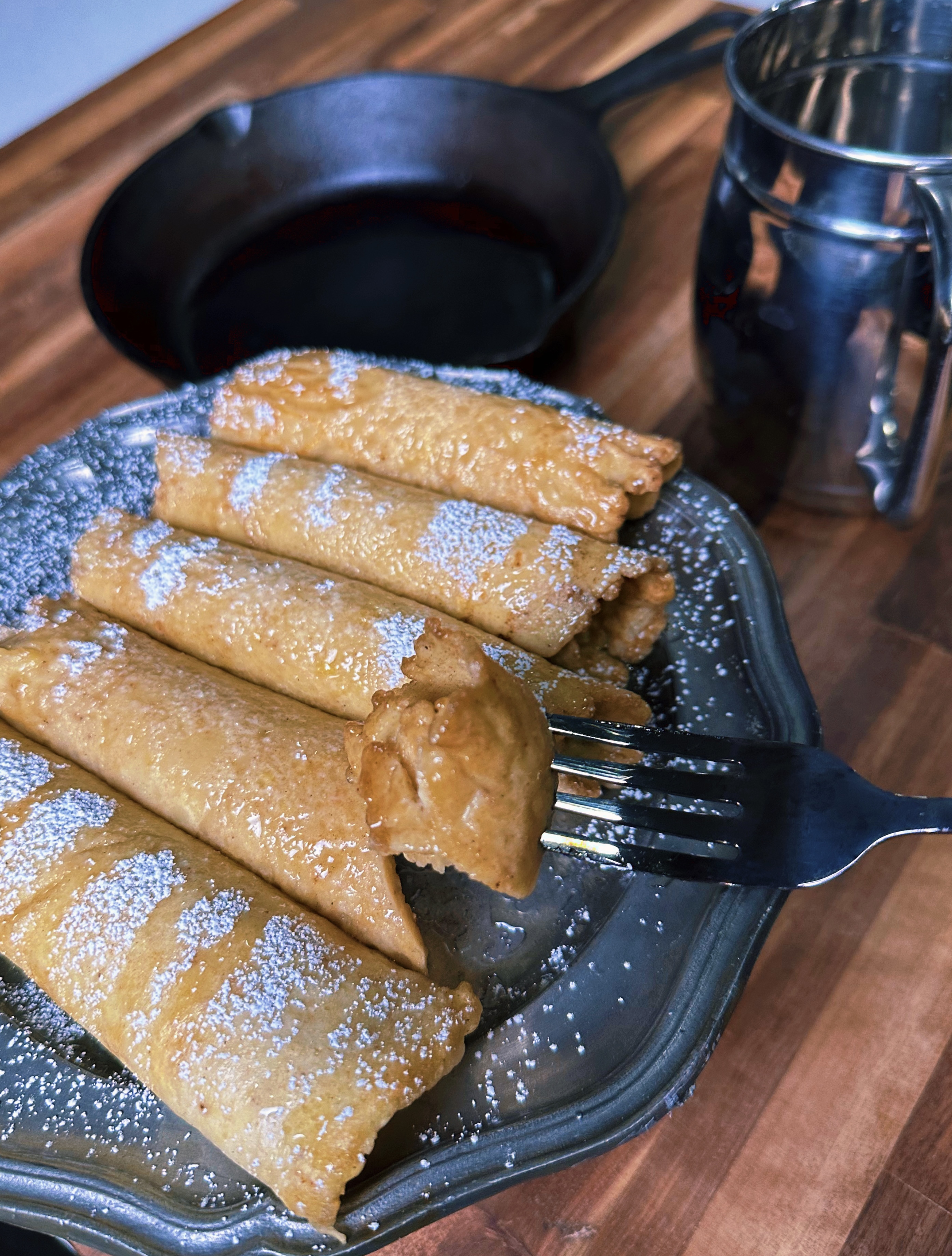
“The Best Pancakes” from 1615
Ingredients
- 2 eggs
- About 1 cup cool water described as “faire running water”
- 1 cup fine wheat flour added gradually to desired thickness
- ¼ teaspoon salt
- ⅛ teaspoon ground cloves
- ⅛ teaspoon ground mace
- ¼ teaspoon ground cinnamon
- Freshly grated nutmeg to taste
- Sweet butter or sesame oil for frying
- Powdered sugar for serving
- Honey or maple syrup optional
Instructions
Mix the dry ingredients
- In a mixing bowl, combine the flour, salt, cloves, mace, cinnamon, and freshly grated nutmeg. Stir well so the spices are evenly distributed throughout the flour.
Add the eggs
- Crack the eggs into the bowl with the dry ingredients. Beat thoroughly until a thick, smooth paste forms and no dry pockets remain.
Thin with water
- Gradually pour in the cool water while stirring continuously. Continue adding water until the batter reaches a loose, pourable consistency. It should be thinner than modern pancake batter but thick enough to lightly coat the pan.
Fry the pancakes
- Heat a skillet over medium heat and grease lightly with butter or sesame oil. Pour in just enough batter to coat the pan thinly. Fry until lightly golden, then flip and cook the second side until set.
- Serve warm with powdered sugar and, if desired, honey or maple syrup.
Video
Notes
- Batter consistency matters: The batter should be thin enough to spread easily across the pan when poured. If it feels closer to modern pancake batter, add a splash of water until it loosens. A thinner batter produces better texture and more even cooking.
- Keep the heat moderate: These pancakes cook quickly and can burn if the pan is too hot. Medium heat allows the batter to set gently and develop light browning without scorching the spices.
- Think of this as a crepe base: This recipe shines when treated as a flexible crepe rather than a standalone pancake. Powdered sugar and honey work well, but fruit, jam, or even lightly sweetened ricotta make excellent additions.