Salsa feels so fundamental to Mexican cooking that it’s easy to assume it has always existed in its modern form. Tomatoes, chiles, onion, a bit of acid, crushed together and served fresh. It’s familiar, comforting, and almost invisible in its ubiquity. But like most foods we think of as timeless, salsa had to take shape gradually, shaped by place, technique, and history.
If you’re enjoying my recipes, check out my e-cookbooks at the Eats History Shop, now 40% Off!
This recipe comes from 1831, a moment when Mexican cuisine was just beginning to be preserved in print. Long before food processors, bottled sauces, or restaurant menus standardized flavors, salsa existed as something far more immediate. It was made by hand, eaten fresh, and adapted to what was available that day. This roasted tomato salsa captures that moment perfectly. It’s not a prototype of modern salsa so much as its foundation.
El Cocinero Mexicano (1831): Writing a Cuisine into Existence
El Cocinero Mexicano, published in 1831, is widely regarded as the first major Mexican cookbook intended for a Mexican readership. That distinction matters. Prior to independence, much of what was written about food in New Spain reflected Spanish culinary priorities or elite European tastes. This book was different. It documented how the Mexican people actually cooked and ate.
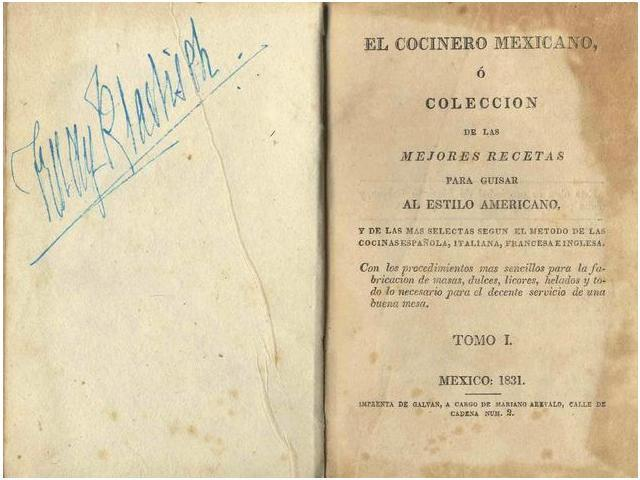
Its publication came just ten years after Mexico gained independence from Spain. The country was young, politically fragile, and deeply engaged in the process of defining itself. Identity was not just debated in constitutions and battlefields, but also in kitchens. Food became a way of asserting continuity with the past while also claiming something distinct from colonial rule.
The recipes in El Cocinero Mexicano reflect this tension beautifully. Indigenous ingredients like chiles, tomatoes, and avocados sit comfortably alongside European techniques, oils, and seasonings. Nothing feels forced. Nothing feels performative. It’s everyday food, written down at a moment when everyday life itself was changing.
A Young Nation at the Table
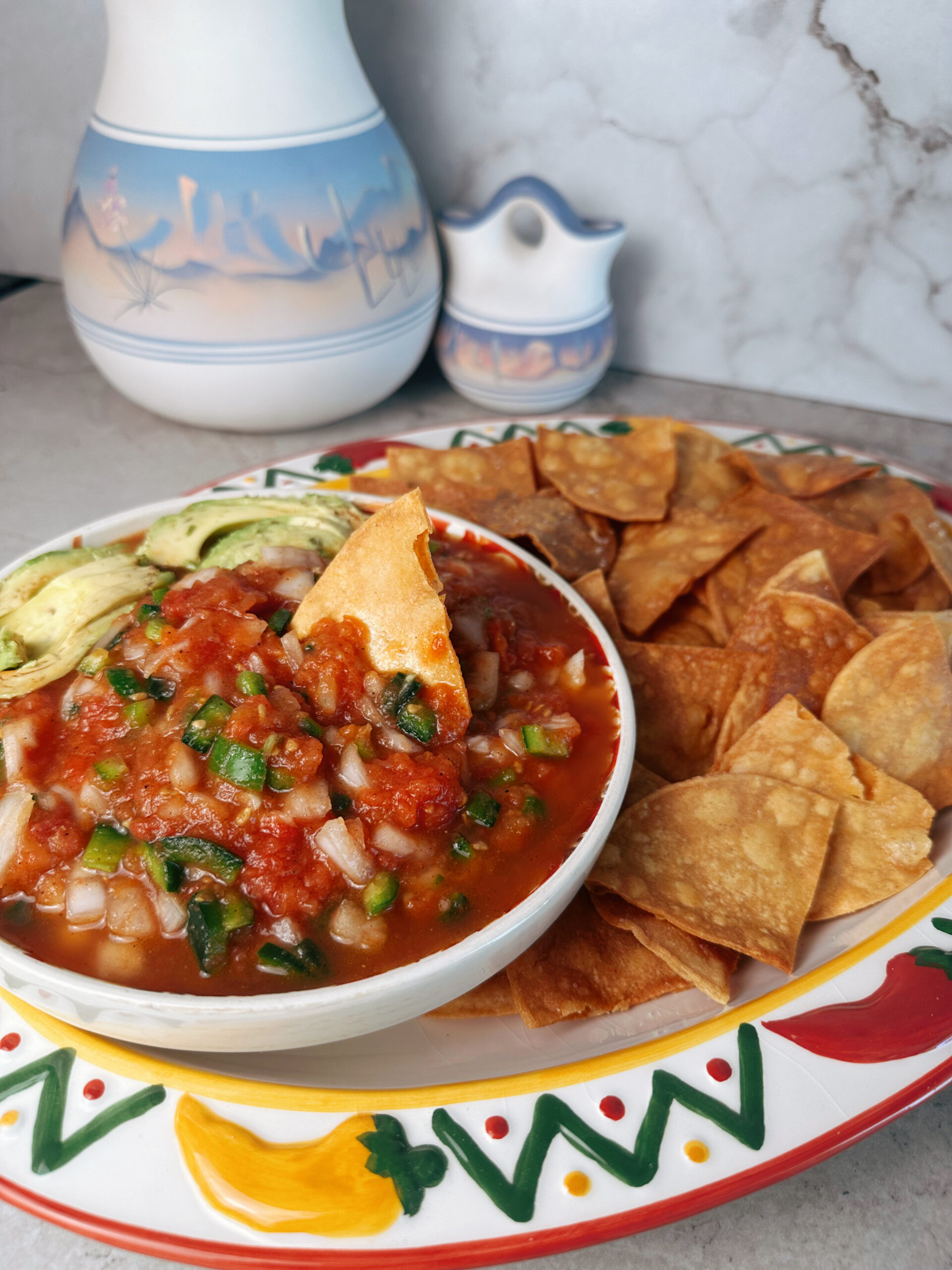
This salsa recipe offers a quiet but powerful snapshot of early national Mexican cooking. It doesn’t attempt to impress. There’s no excess, no ornamentation. The tomatoes are roasted to deepen flavor, peeled for texture, and crushed by hand. The chiles and onion are raw, giving bite and freshness. Vinegar provides acidity, oil adds richness, and oregano brings an herbal note that hints at Mediterranean influence without overwhelming the dish.

The inclusion of avocado is especially telling. It appears not as a purée or separate dish, but as sliced fruit added at the end. This reflects an early stage in the evolution of guacamole, when avocado was treated as a garnish or component rather than a standalone preparation.
Altogether, this is a recipe rooted in confidence. It assumes the cook understands ingredients and technique. Measurements are loose. Instructions are direct. The food is meant to be adjusted, tasted, and eaten immediately.
How This Salsa Compares to Modern Salsa
If you served this salsa today without explanation, most people would instantly recognize it. That’s part of what makes it so remarkable. The structure is already there. The differences are subtle, but revealing.
Instead of lime, this recipe uses vinegar, which was more widely available and commonly used as an acid in early 19th-century kitchens. The texture is coarser, the result of crushing rather than blending. The flavors are more restrained. There’s no cilantro, no sugar, no overwhelming heat. Each ingredient remains distinct.
Modern salsa often aims for uniformity. This version embraces contrast. Soft roasted tomato against sharp onion. Gentle heat from green chile. Herbal warmth from oregano. Creamy avocado added only at the end. It’s less about punch and more about balance.
Tasting & Review
This salsa is quietly excellent. The roasted tomatoes bring depth and natural sweetness, while the vinegar cuts through cleanly without dominating. The chiles add just enough heat to stay interesting, and the oregano gives it a subtle, old-world character that feels unmistakably historical.
The avocado rounds everything out, adding richness without turning the salsa heavy. It’s rustic, fresh, and deeply satisfying in a way that doesn’t rely on intensity or novelty.
Final rating: 8.9 / 10
Authentic Mexican Roasted Tomato Salsa (1831)
Authentic Mexican Roasted Tomato Salsa (1831)
Ingredients
- 2 lb ripe tomatoes jitomates
- 2 –3 green chiles serrano or similar, finely chopped, to taste
- ½ white onion finely chopped (raw)
- ½ tsp fine salt or to taste
- ¼ tsp black pepper
- 1½ tbsp vinegar apple cider or mild wine vinegar
- 1½ tbsp olive oil
- 1 tsp dried oregano lightly crushed
- 1 ripe avocado sliced
Instructions
Roast the tomatoes
- Preheat the oven to 425°F (220°C). Place whole tomatoes on a baking sheet and roast for 20–25 minutes, turning once, until the skins blister and blacken in spots.
Peel and crush
- Allow the tomatoes to cool slightly, then peel off the skins. Transfer to a bowl or molcajete and gently crush by hand. Do not purée.
Build the salsa
- Add the chopped green chiles and raw onion to the crushed tomatoes.
Season
- Stir in the salt, black pepper, vinegar, olive oil, and crushed oregano until just combined.
Finish with avocado
- Top with sliced avocado just before serving or gently fold it in.
Serve
- Serve at room temperature with tortilla chips, bread, or alongside grilled meats and vegetables.
Video
Notes
- Keep the texture rustic. Crush the tomatoes by hand or with a mortar rather than blending. This preserves the chunky texture that defines early salsa and keeps the flavors distinct.
- Use vinegar lightly. Start with the listed amount and adjust gradually. The goal is brightness, not sharpness, especially since this recipe relies on vinegar instead of lime.
- Add avocado just before serving. Folding it in too early can cause it to break down and discolor. Slicing and adding at the end keeps the flavor fresh and the presentation clean.