There are few foods in history that feel sacred before you even taste them. The olive is one of them. Long before Rome wrote down agricultural manuals, long before Cato the Elder ever put stylus to wax tablet, the olive tree already stood at the center of Mediterranean identity. It fed cities, lit homes, anointed bodies, crowned victors, and sanctified temples. It was not just food. It was civilization.
If you’re enjoying my content, consider picking up an e-cookbook at Eats History Shop!
When I made this olive relish inspired by Cato’s De Agri Cultura, I kept thinking about how old this flavor combination really is. Olives, oil, herbs, vinegar, seeds, all chopped and mixed together, preserved in oil. This is not a Roman invention. It feels older. It feels Greek.
And when you trace the olive back to its mythological origin story, you land in Athens, standing on the Acropolis, at the foot of a tree that the Greeks believed had been planted by a goddess herself.
The Contest for Athens
The most famous story about the olive tree begins with a competition between gods. According to ancient tradition, preserved in the writings of Herodotus and later elaborated by Apollodorus and Pausanias, the gods Athena and Poseidon competed to become the patron of a newly founded city. Each would offer a gift, and the citizens would decide whose was greater.

Poseidon struck the rock with his trident, and from it sprang either a war horse or a saltwater spring, depending on the version you read. Athena knelt, pressed her spear into the earth, and from that point grew the first olive tree.
The Athenians chose the olive.
Herodotus tells us that when the Persians burned the Acropolis in 480 BCE, the sacred olive tree was destroyed in the fire. Yet the very next day, a new shoot had sprung from the charred stump. The Athenians interpreted this as a sign that Athena’s gift, and therefore their city, would endure, and from that point, a new golden age of Greek culture was born.
Sacred Olives and Ritual Practice
The gift of the olive tree did not stay in the pages of myth; it moved into ritual life and the kitchens of every Greek. Athens protected its sacred olive trees, known as moriai, with legal severity. According to Athenian law, cutting down one of these sacred trees could result in exile or confiscation of property. Pausanias later describes how these trees were considered descendants of Athena’s original gift, and therefore inviolable.
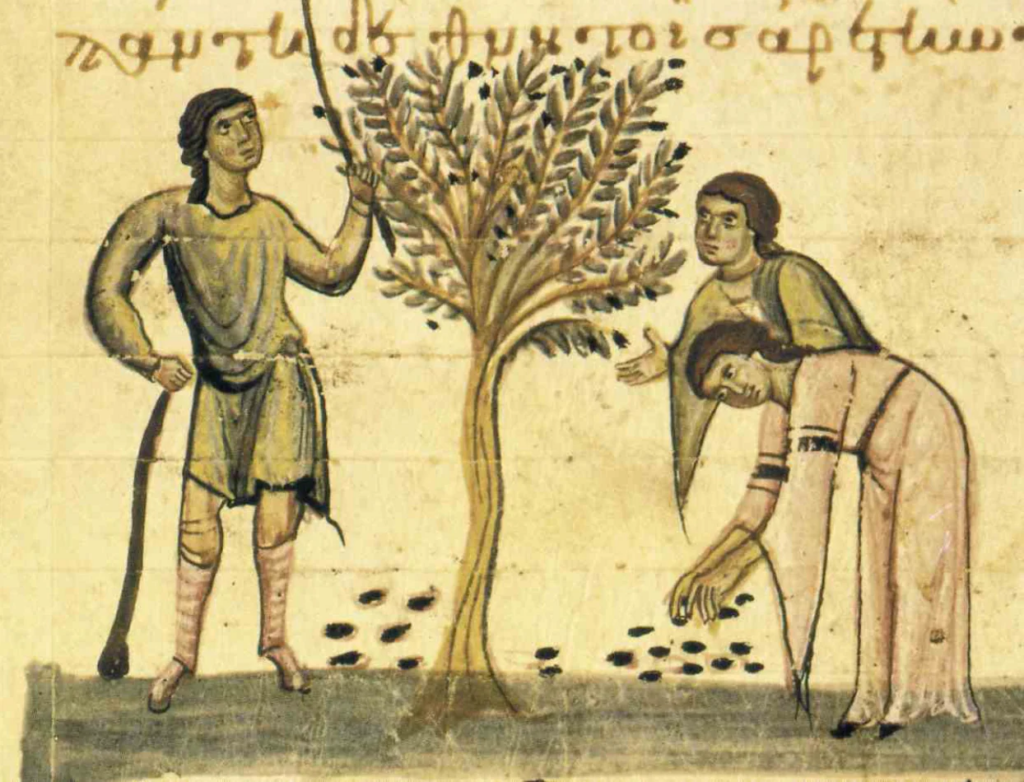
Olive oil was poured in libations during sacrifice. It was used to anoint statues and athletes. The victors of the Panathenaic Games were crowned not with gold, but with wreaths woven from olive branches. They were awarded amphorae filled with sacred olive oil drawn from Athena’s own groves.
Offerings in Greek religion often included agricultural goods. Grain, fruit, oil, wine, honey cakes, all were brought before the gods. While we do not have a surviving Greek recipe explicitly titled “Olive Relish for Athena,” we know from sources like Athenaeus that olives were commonly seasoned, dressed, and served in prepared forms at banquets and gatherings.
It is not a stretch to imagine a bowl of chopped olives mixed with herbs and oil placed before her statue. It would have been both simple and reverent, transforming her gift into something communal and edible.
Cato and the Continuity of the Mediterranean
By the time Cato the Elder wrote De Agri Cultura in the 2nd century BCE, Rome had absorbed and adapted much of the Greek world’s agricultural knowledge.
Cato’s instructions for seasoning olives are practical and concise. He advises mixing olives with oil, vinegar, fennel, cumin, and herbs. The tone is not poetic, it’s utilitarian (much like the personality of Cato himself). Yet embedded within that recipe is a culinary vocabulary that stretches back centuries.

Fennel and cumin were widely used across the eastern Mediterranean long before Rome rose to dominance. Vinegar was a common preservative and flavoring agent in Greek kitchens. The act of preserving olives in oil and aromatics was not uniquely Roman. It was Mediterranean.
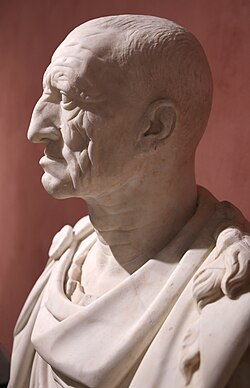
What Cato does is preserve the structure. He records in Latin what generations of farmers, traders, and cooks already knew. When we follow his recipe, we are participating in a chain that connects Roman villas to Greek sanctuaries.
Why an Olive Relish Makes Sense as an Offering
Athena was not only goddess of wisdom and war strategy, she was patron of crafts, protector of the polis, and the guardian of practical intelligence. The olive tree represented exactly those virtues.
It provided light in the form of oil lamps. It provided nourishment in the fruit itself. It provided economic stability through trade. It was resilient, slow-growing, and enduring, much like the city of Athens she guarded.
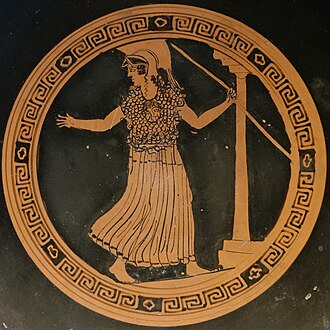
If one were to prepare an edible offering to Athena, something drawn directly from her sacred tree, this feels appropriate. It is humble but thoughtful. It reflects both agriculture and craft. And that, in many ways, is exactly what the Goddess of Wisdom embodied.
My Modern Recreation
For my version, I followed the spirit of Cato’s preparation and built the relish around chopped green and black olives, red wine vinegar, olive oil, fennel seeds, cumin seeds, and celery seed in place of toxic rue, parsley, and mint.
After resting in oil for a day in a jar, the flavors settle into something cohesive. The vinegar mellows. The fennel becomes aromatic. The cumin adds warmth. The herbs brighten the saltiness of the olives.
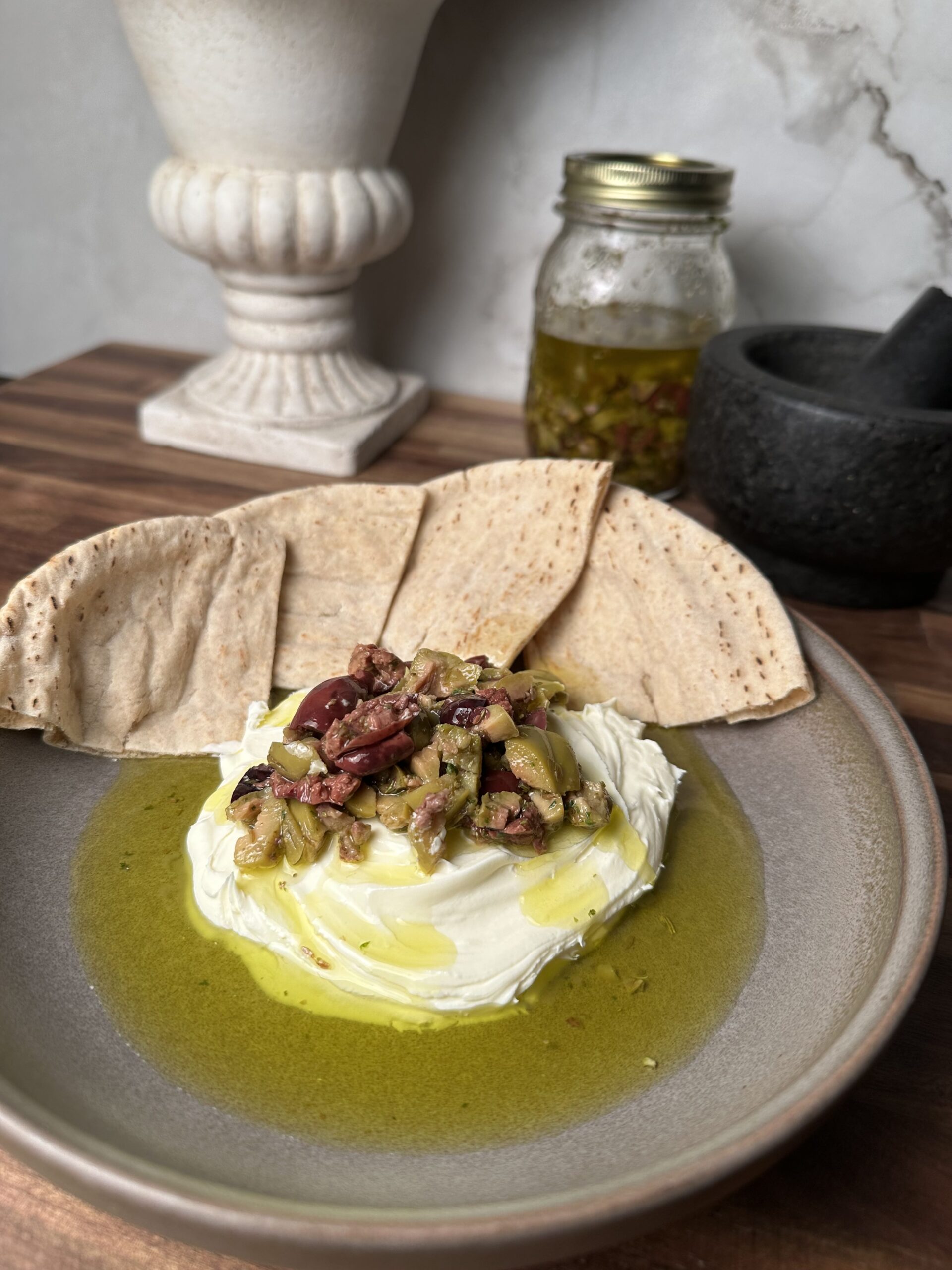
Spread over fresh ricotta or farmer’s cheese with bread, it tastes ancient and deeply Mediterranean. Salty, herbal, sharp, earthy. This is a great starter dish for your next ancient party, or a great pairing for your lazy afternoon wine.
I gave it a solid 8.5/10. Enjoy!
Ancient Olive Relish Recipe
Ancient Olive Relish
Ingredients
- 2 cups green and black olives pitted and chopped
- 1 tbsp red wine vinegar
- Olive oil enough to cover
- 1 tbsp fennel seeds
- 1 tbsp cumin seeds
- ½ tbsp celery seeds
- 1 tbsp roughly chopped parsley
- 1 tbsp roughly chopped mint
- ½ tsp ground cumin
- ½ tsp salt
Instructions
- Roughly chop olives and place in a bowl.
- Lightly toast fennel and cumin seeds until fragrant.
- Mix olives with vinegar, toasted seeds, ground cumin, celery seeds, parsley, mint, and salt.
- Transfer to a jar and cover completely with olive oil.
- Let rest at least 24 hours before serving.
- Serve over ricotta or farmer’s cheese with rustic bread.
Video
Notes
- Let It Rest: This relish is not meant to be eaten immediately. The oil softens the olives, the vinegar mellows, and the seeds release their fragrance over time. After 24 hours the flavors deepen noticeably.
- Chop by Hand, Not Food Processor: Ancient preparations were coarse and textural. Hand chopping preserves variation and keeps the relish rustic rather than turning it into a paste.
- Adjust Salt Carefully: Olives vary greatly in saltiness. Taste before adding extra salt. In antiquity, olives were often heavily brined, so restraint here keeps the balance intact.