
In the golden light of the North African sun, the city of Carthage once stood as one of the great powers of the ancient Mediterranean. Known for its ships, merchants, and empire, Carthage was also a land of farmers and craftsmen. Its soil produced some of the finest olives, grains, figs, and dates in the world.
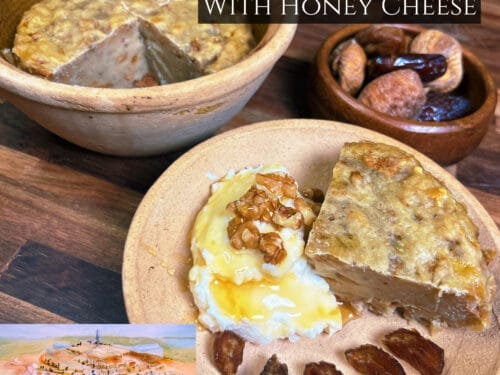
From these simple ingredients came dishes that reflected both practicality and abundance. One of the most symbolic of these desserts was a sweet bread made of dates and figs, served with a honeyed cheese spread inspired by Mago the Carthaginian, the ancient world’s most celebrated agronomist.
If you’re enjoying my recipes, all of my e-cookbooks are currently 40% Off in the Eats History Shop!
The Agricultural Heart of Carthage
Long before the Roman conquest, Carthage controlled vast tracts of farmland stretching across what is now Tunisia. The Punic people, descended from the Phoenicians, built an agricultural empire as impressive as their navy. They perfected irrigation systems, cultivated olive groves and vineyards, and harvested fields of barley and wheat that fed both people and armies.
Next week
I cook these before I write them. Some of it never makes the post.
The failures, the source documents, the version that actually tasted good. That part goes out by email, and next week’s is already on the stove.
 Written and cooked by Donnie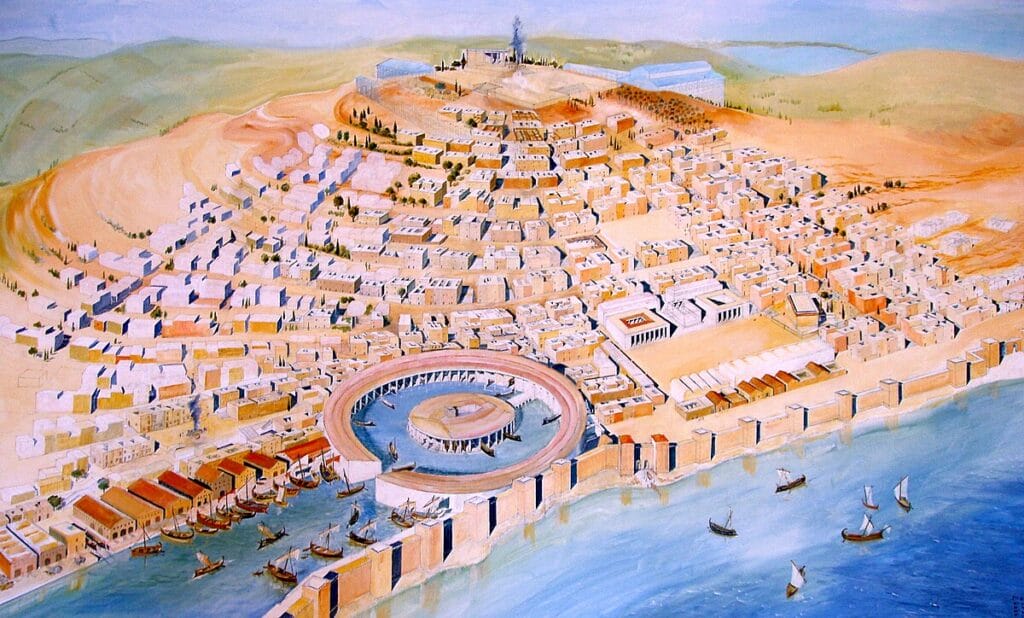
Among their most prized crops were dates and figs. Both fruits thrived in the dry heat of North Africa and became vital to Carthaginian trade. Dried and preserved, they sustained merchants and soldiers on long voyages and were often offered in temples to the gods. In a world where food was survival, the sweetness of dates and figs carried the taste of blessing.
Mago the Carthaginian and the Legacy of Punic Agriculture
Much of what we know about Carthaginian food and farming comes from Mago, a Punic agricultural writer so respected that, after Rome destroyed Carthage in 146 BCE, the Roman Senate ordered his works to be translated into Latin. Though his original texts are lost, Roman authors such as Columella quoted from them, preserving fragments of Punic wisdom.

Columella noted that the Carthaginians blended fresh cheese with honey, a practice used both to sweeten and to preserve it. This simple method, described as “Carthaginian cheese,” created a rich and slightly fermented flavor that was unique to the region. It showed the sophistication of Carthaginian food culture, where even basic ingredients were refined into something elegant.
A Taste of the Punic Table
While Roman banquets celebrated extravagance, Carthaginian food was grounded in balance and sustenance. Their dishes made use of what the land provided in abundance. The date and fig sweet bread represents this spirit perfectly. Dense, naturally sweet, and nourishing, it reflects a civilization that valued resourcefulness. When paired with Mago’s honeyed cheese spread, it becomes a dessert that speaks to both practicality and luxury.
It is easy to imagine this dish served at a merchant’s home overlooking the harbor of Carthage. The bread, baked from coarse grain and sun-dried fruit, would have been sliced and shared with neighbors or guests. The cheese, whipped with honey from local hives, offered a bright, floral sweetness that balanced the earthiness of the bread.
Symbolism and Sacred Sweetness
Food in Carthage carried deep spiritual meaning. Offerings of bread, honey, and fruit were made to Tanit, the goddess of fertility, and to Ba’al Hammon, the god of renewal. Dishes like this date and fig loaf were not only nourishment but also expressions of gratitude to the gods. The ingredients themselves told a story — dates from the desert, figs from the groves, cheese from the hills, and honey from the plains — a union of all that the land could offer.
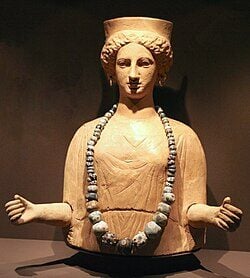
This connection between faith and food reveals how the Carthaginians viewed their world. Eating was an act of reverence. Even simple meals reflected the order and harmony they believed in.
Recreating a Taste of Carthage
Today, this dessert offers a way to bring the Punic world to life in the kitchen. The bread has the dense sweetness of fruit cake and the rustic bite of ancient grain. The honeyed cheese spread adds smoothness and fragrance, echoing the flavors that once filled the ancient markets of Tunisia. Together, they form a dish that feels both ancient and timeless, I give it an 8.3/10.
Carthaginian Date and Fig Bread with Honey Cheese Spread Recipe
(Inspired by Mago the Carthaginian’s agricultural writings, c. 2nd century BCE)
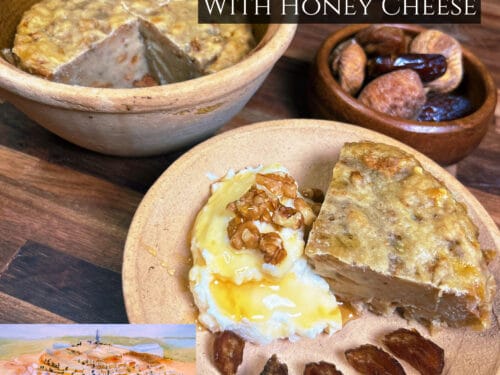
Carthaginian Date and Fig Bread with Honey Cheese Spread

Don’t lose this one.
I’ll email it to you so it’s waiting when you’re ready to cook.
Ingredients
Instructions
Notes
- For the most authentic texture, use coarse whole wheat or barley flour to mimic ancient grains grown in North Africa.
- If you can find it, goat cheese or sheep cheese will create a richer, tangier spread closer to the flavors described in Mago’s writings.
- The bread can also be cooked on a hot griddle or stone instead of baked, replicating how Punic farmers and sailors may have prepared it during travel or harvest seasons.

Bread was pretty good. not much care for goat cheese tho.