Some recipes remind you that history repeats itself, especially in the kitchen. Long before Spanish gazpacho or Italian panada became icons, ancient Romans were already making their own cold bread soups.
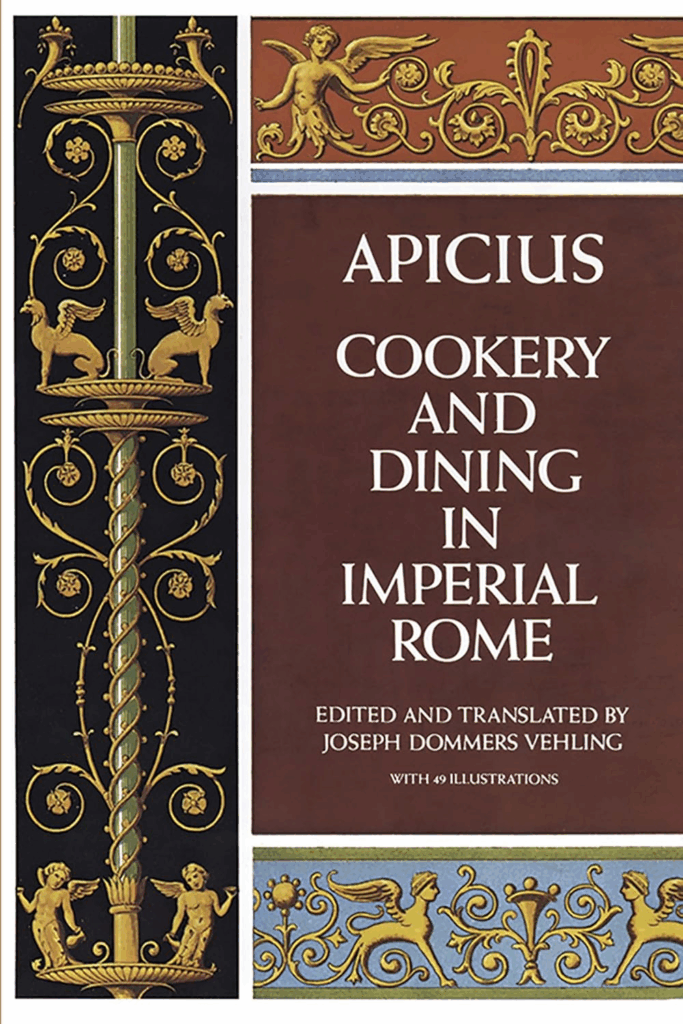
One of the most interesting examples appears in De Re Coquinaria, the Roman cookbook attributed to Apicius, under the name Aliter Salacaccabia. The recipe describes hollowing out a loaf of Alexandrine bread, soaking the crumbs in a sour drink called posca, blending it with herbs, cheese, garlic, honey, and oil, and finishing it with a splash of wine.
If you’re enjoying my recipes, all of my e-cookbooks are currently 40% Off in the Eats History Shop!

When you read it, it is almost shocking how familiar it feels. You can see the DNA of modern Mediterranean cold soups right in front of you. It is refreshing, aromatic, and incredibly simple to prepare, which makes sense because ancient Romans often made it for the sick, the weak, and anyone who needed quick nourishment. It was a dish of recovery, strength, and balance, built on ingredients they believed restored the body.
Making it today feels like opening a window straight into the Roman household. It brings together everything the empire loved. You get the tang of vinegar, the sweetness of honey, the bite of garlic, and the fragrance of fresh herbs. Paired with the creamy saltiness of cheese, it creates a cold soup that feels both ancient and surprisingly modern. I gave it an 8.9 out of 10 because it is refreshing, flavorful, and one of the easiest historical dishes you can recreate in your own kitchen.
The Roman Origins of Aliter Salacaccabia
This recipe comes from one of the few surviving culinary texts of the Roman world. De Re Coquinaria is a collection of recipes that spans several centuries, reflecting a blend of elite dining, practical household cooking, and regional traditions. It is one of the earliest major cookbooks in world history, and this recipe appears in a section focused on simple preparations and restorative dishes.
The Romans had a long tradition of using bread as the backbone of meals. Alexandrine loaves were large, airy, and prized for their texture. Hollowing them out and soaking the crumbs transformed stale bread into something entirely new. Posca, the acidic drink made from water, wine, and vinegar, was the beverage of Roman soldiers and laborers. Using it as the liquid base for this dish created a mixture that was both refreshing and invigorating.
The combination of herbs, cheese, pepper, honey, and garlic reflects the Roman love of balancing sharp, pungent, and sweet elements in one bowl. They rarely made anything bland. Even their simplest dishes carried a surprising complexity, and this cold soup was no exception. It was quick, nourishing, and considered ideal for moments when a person needed gentle, restorative food that was still full of flavor.
Bread, Posca, and Everyday Roman Cooking
To understand this dish, you have to understand Roman staples. Bread was the heart of the Roman diet, and vinegar was central to both food and medicine. Posca was so common that even generals and emperors drank it at times. It was cheap, hydrating, and believed to purify the body. Infusing bread with posca created a cooling base that Romans believed could soothe the stomach and help with fevers.
Romans also loved aromatic herbs. Mint and coriander were everywhere in Roman kitchens and gardens. Both were considered refreshing, cleansing, and good for digestion. The same goes for garlic, which they believed strengthened the body, improved circulation, and cleared the respiratory system. Honey balanced everything with natural sweetness, creating what the Romans considered a perfectly harmonious restorative dish.
Salted cow’s cheese added richness and substance. Romans made dozens of varieties of cheese, and many were aged until firm and salty. When grated into a mortar with herbs and soaked bread, it turned the mixture into something both rustic and refined. With the drizzle of oil and a splash of wine poured over before serving, you get a dish that feels like an ancestor of modern Mediterranean comfort food.
A Dish Meant to Heal: Roman Humoral Medicine
This recipe becomes even more interesting when you understand why Romans served it to the sick. Roman medicine was built on the Greek theory of humors. The body was thought to contain four fluids that needed to stay in balance. Illness happened when the body became too hot, too cold, too dry, or too wet. Food was one of the primary tools for restoring that balance.
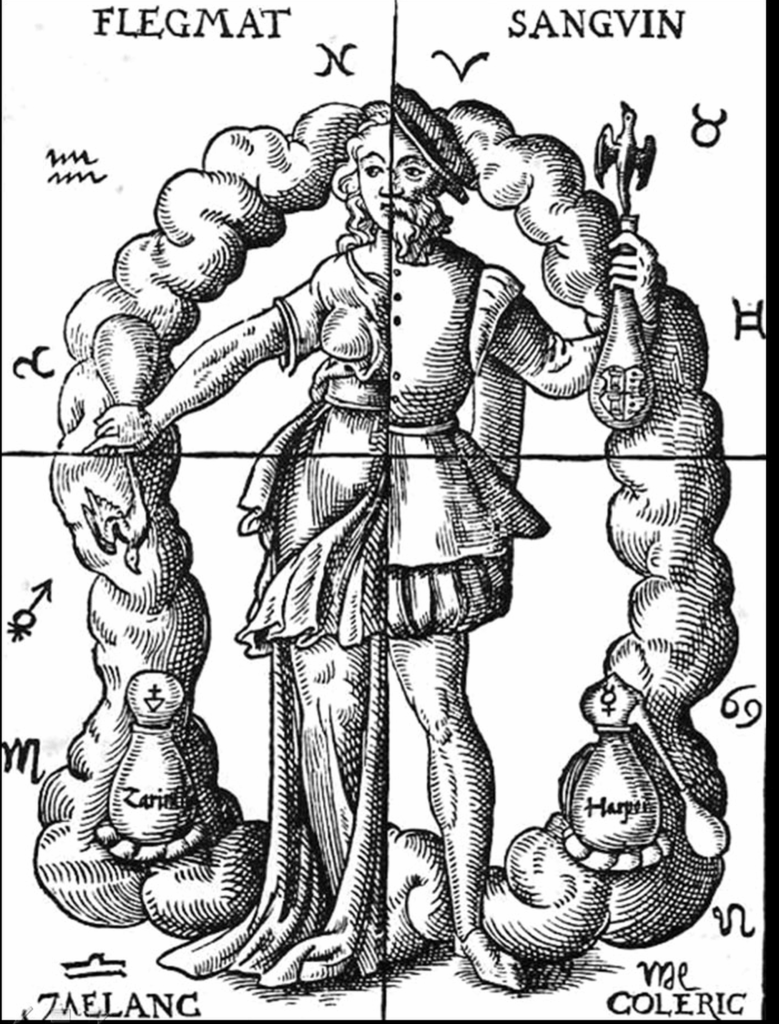
Posca was considered cooling and astringent. Garlic and pepper were warming and stimulating, which made them useful for breaking up excess phlegm. Mint and coriander cooled and soothed the stomach and liver. Olive oil nourished the body without weighing it down. Salted cheese provided a drying quality the Romans associated with strength and recovery. Every ingredient in this dish had a medical purpose in their worldview.
When blended together into a cold soup, Romans believed Aliter Salacaccabia balanced the humors in a single bowl. It was considered ideal for fevers, weakness, digestive issues, and general exhaustion. It was not just food. It was therapy, crafted with the belief that flavor, temperature, and texture all influenced the body’s internal harmony.
Why This Dish Still Works Today
Even if you ignore ancient medical theory, this dish is genuinely enjoyable. The combination of sour, herbaceous, creamy, and lightly sweet flavors makes it refreshing. The texture is like a cross between gazpacho, bread soup, and a rustic dip. It is quick to prepare and requires no cooking, which is ideal for hot weather or simple meals.
What surprises people most is how familiar it tastes. It feels connected to panzanella, tzatziki, Lebanese fattoush dressing, and Spanish gazpacho. You can taste the roots of Mediterranean food stretching back two thousand years. Making it today is not just an interesting experiment. It is a reminder that the ancient world was not as foreign as we think. They enjoyed much of the same flavor logic we do.
This is a dish that deserves to be brought back into modern kitchens. It is fast, delicious, and historically rich. And if the Romans were right, maybe it even restores the body a little. 8.9/10!
Recipe: Ancient Roman “Gazpacho” (Aliter Salacaccabia)
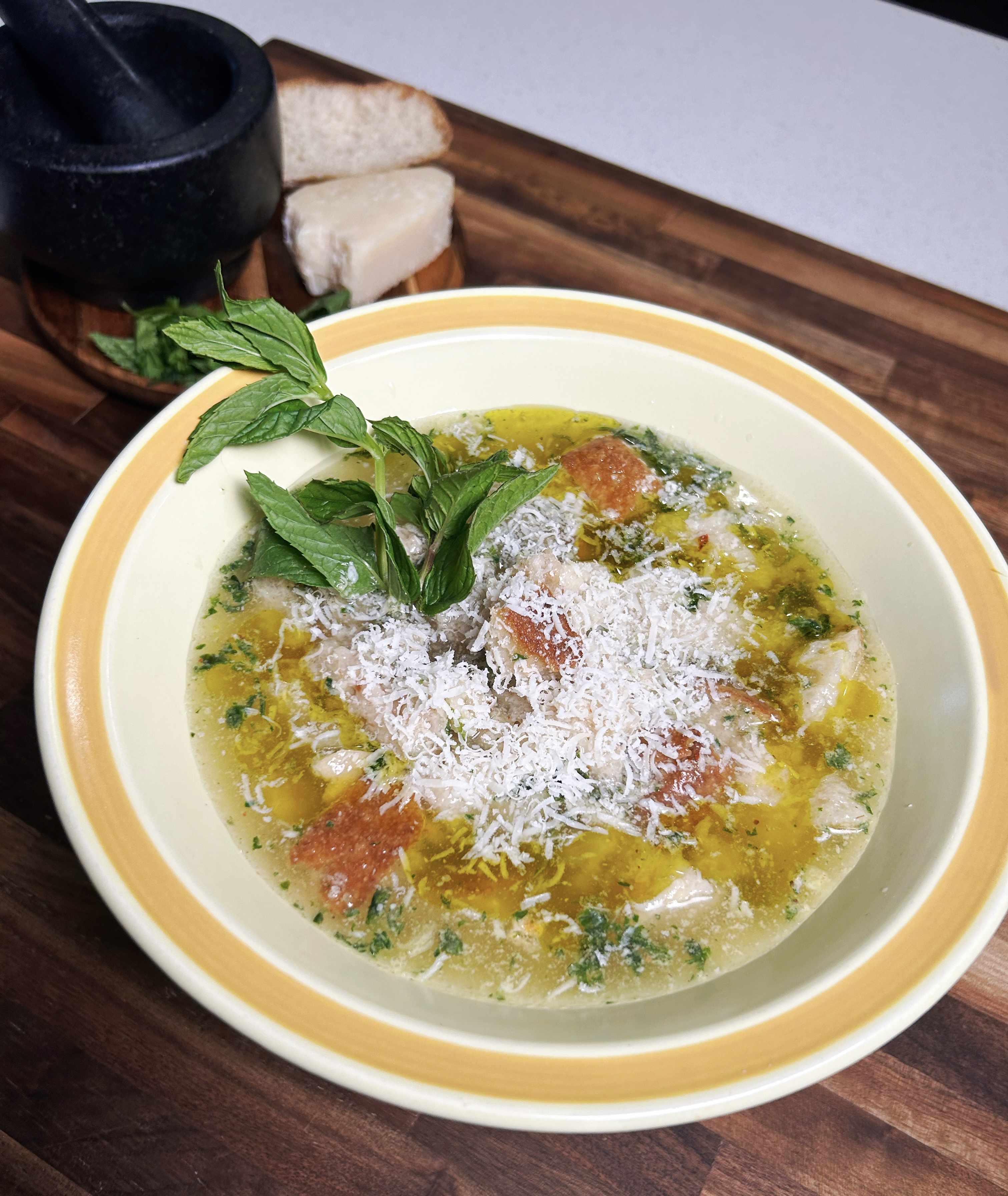
Ancient Roman Soup: Aliter Salacaccabia
Ingredients
- 1 small loaf of rustic bread about 3 slices of a large loaf
- ½ cup water mixed with 2 tbsp vinegar and 1 tbsp white wine Roman posca substitute
- 1 clove garlic
- 1 tbsp honey
- 1 tbsp chopped mint
- 1 tbsp chopped fresh coriander
- ¼ cup shredded Parmesan cheese
- 2 tbsp olive oil
- 1 –2 tbsp white wine poured over before serving
- Pinch of black pepper long pepper for authenticity
- Pinch of salt
Instructions
- Tear the bread into pieces and place in a bowl. Pour the posca mixture over the bread until it is fully soaked. Let sit for 5 minutes.
- In a mortar or food processor, pound together the garlic, herbs, pepper, honey, cheese, and olive oil until it forms a thick paste.
- Add the soaked bread and continue to grind or pulse until it becomes a smooth, spoonable mixture. Add a splash of water if it is too thick.
- Chill in the refrigerator for 15 minutes.
- Serve in a bowl with a drizzle of white wine and more olive oil over the top. Garnish with more shredded cheese and mint.