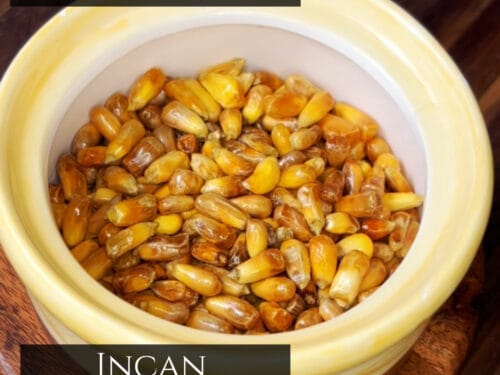
When you think of ancient superfoods, you might picture honey, dates, or lentils. But for the Inca Empire, one of their most vital and enduring staples was something far simpler: toasted corn.
Known as cancha chulpe, this chewy, crunchy snack sustained everyone from farmers in the Sacred Valley to the elite runners of the Incan road system. It is a snack that still survives in Peru today, and it tells the story of an empire that functioned without wheels, iron, or even writing, yet still became one of the most sophisticated civilizations of the ancient world. The simple preparation and long shelf life of cancha made it an indispensable component of the Incan diet.
The Unlikely Backbone of an Empire
The Inca Empire, known as Tawantinsuyu in Quechua, grew into the largest empire in pre-Columbian America. Stretching across the Andes and controlling territories from Ecuador to Argentina, the empire relied on high-altitude agriculture and intricate systems of governance.
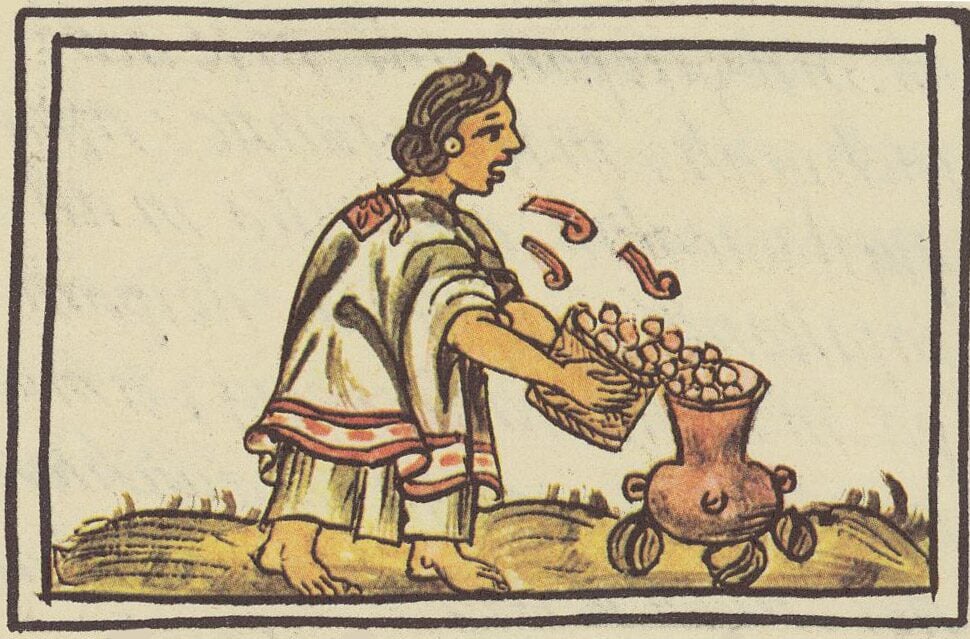
Corn, or sara, played a central role in Incan society. It was not just a staple crop but a sacred food used in religious ceremonies and communal gatherings. Toasted corn, in particular, was praised for its durability and energy-dense properties.
Next week
I cook these before I write them. Some of it never makes the post.
The failures, the source documents, the version that actually tasted good. That part goes out by email, and next week’s is already on the stove.
 Written and cooked by Donnie
Unlike empires that relied on wheeled transport or written records, the Inca relied on sophisticated oral communication and an engineered network of roads and storage facilities. The empire’s strength lay in its ability to sustain its people across diverse climates and terrains.
Foods like cancha served as strategic rations for armies and workers mobilized through the mit’a labor system. McEwan and other anthropologists emphasize how the Inca created a vast, tightly managed empire based on communal contribution, all fueled in part by humble staples like toasted corn.
First Encounter with the West: Spanish Observations
When the Spanish conquistadors arrived in the Andes in the 1530s, they were astonished by the organizational scale of the Inca Empire. Chronicler Pedro Cieza de León, in his Crónica del Perú, described the extensive cultivation of maize and its transformation into various food forms. Among them was a type of toasted corn that resembled something between parched grain and hard cereal. Cieza de León noted how the indigenous people toasted maize in clay pots until the kernels cracked and emitted a rich aroma.
The conquistadors quickly realized that this food was not merely a peasant snack but an integral part of daily life and military provisioning. Bernabé Cobo, another early Spanish chronicler, commented on the Inca’s use of maize in both religious and dietary contexts, emphasizing how vital corn was to Incan society.
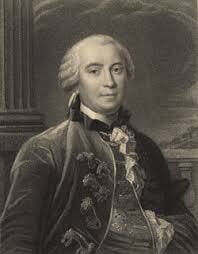
The Spaniards may not have understood the cultural significance of cancha, but they understood its utility. They often referred to it in their inventories and diaries, showing how common it was across all classes in the empire.
A World Without Markets
The Inca operated in a world that did not use coins or commercial marketplaces in the way Europe did. Instead, the empire functioned through a system of reciprocal labor and redistribution. The state owned the land, and citizens were required to contribute labor in exchange for access to agricultural plots and state support. This system allowed the Inca to stockpile vast quantities of food in state warehouses, known as qollqas, which were strategically located throughout the empire.
Cancha chulpe was one of the key staples stored in these granaries. It was ideal for preservation and could be handed out during festivals, military campaigns, or as emergency rations. The Spanish described the Inca feast days, where food and drink were distributed to the people by imperial officials.
Food was both sustenance and a political tool used to maintain loyalty and ensure the cooperation of various ethnic groups brought under Inca control.
The Road Runners: Chasquis and the Qhapaq Ñan
The Inca Empire’s 24,000-mile road system, the Qhapaq Ñan, stands as one of its most impressive achievements. Built across impossible terrains, it connected mountains, deserts, and rainforests, and it functioned as the lifeline of the empire. The chasquis, or runners, were trained messengers who delivered verbal messages and quipus—knotted strings used for accounting and record keeping. These runners required a lightweight, durable source of nutrition, and cancha was a perfect fit.
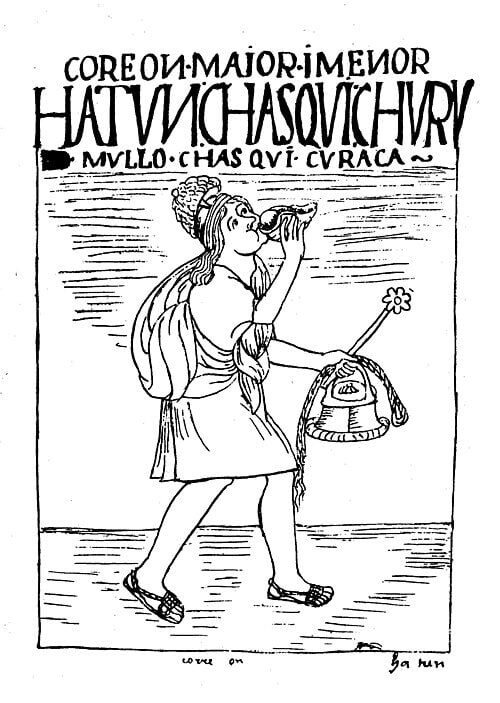
Spaniards like Cieza de León described how these runners could travel over 150 miles a day by relaying messages between waystations. Their only burden was a small satchel of toasted corn and a quipu.
Archaeological sites like Tambomachay and Raqchi reveal the presence of rest houses and food stations where runners could replenish their supplies. The simplicity and effectiveness of cancha make it one of the few ancient foods that fueled an entire administrative communication network.
How to Make It Like the Incans
To recreate cancha chulpe, the only required ingredients are large-grain Peruvian maize, a source of fat, and salt. Traditional Inca cooks used llama or alpaca fat, which provided richness and a unique aroma. Begin by heating a heavy-bottomed clay or cast-iron pan over medium-high heat.
Add a tablespoon of oil or fat, then add the corn in a single layer. Stir constantly to prevent burning, and toast for 8 to 12 minutes until the kernels swell and crack without popping. Sprinkle with salt and serve hot.
Although the preparation is simple, the cultural context adds tremendous depth. The Inca likely toasted maize in communal settings or while preparing food for travelers or labor crews. The technique has changed little over time, and the dish remains a common snack in Peru today. Eating it provides a sensory link to a civilization that once ruled the Andes through order, innovation, and tradition.
If you’re enjoying my work, consider checking out Eats History Shop!
Cancha Chulpi Recipe:
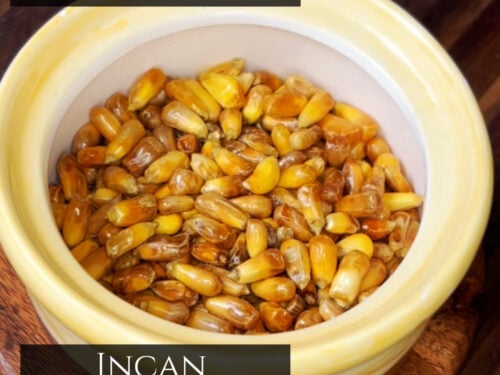
Cancha Chulpe (Incan Toasted Corn) Recipe

Don’t lose this one.
I’ll email it to you so it’s waiting when you’re ready to cook.
Ingredients
Instructions
Notes
- Traditional Fat: While llama or alpaca fat was traditionally used, high-heat neutral oils like avocado or peanut oil work well for modern kitchens and help mimic the deep, earthy flavor.
- Correct Texture: The goal is not popcorn. Kernels should split and puff slightly but remain dense, with a chewy-crunchy bite and roasted aroma.
- Salt Timing: Salt the kernels right after toasting while they’re still hot so the surface oil absorbs the flavor fully, as was likely done when preparing rations in the Inca Empire.