Christmas in a Japanese POW camp during the Second World War was not a holiday in the traditional sense. It was a day that offered a brief emotional reprieve inside an environment defined by starvation, exhaustion, and survival. For American prisoners held throughout the Pacific, December 25 did not bring decorations, feasts, or celebration. It brought a small flicker of memory, a reminder of home, and a chance to create something meaningful out of almost nothing. The Christmas meal of rice, a shared tin of sardines, and the rare luxury of a KLIM powdered milk cake became a symbol of hope for men living under the harshest of conditions.
The inspiration for this narrative comes from the wartime reflections of Julian J. Gates, who wrote, “MERRY XMAS to the world! Have just finished my Xmas dinner. The Japanese dinner was rice, water, and bread. But English Conley had saved a small can of sardines, so Lt. Placko cooked up a sardine and rice loaf.” His words capture a moment of humanity in a place defined by deprivation. With this account, we explore what Christmas looked like for POWs, how KLIM cakes became precious treasures, and how a single can of sardines could transform an ordinary ration into a feast worth remembering.
Life Inside a Japanese POW Camp
Life in a Japanese POW camp during World War II was dictated by scarcity, forced labor, and illness. The Japanese military viewed surrender as a dishonor, and this belief shaped the treatment of Allied prisoners. American soldiers found themselves assigned to grueling work details that began before sunrise and continued until dusk. They carried logs, dug ditches, maintained airfields, and performed tasks that would have been punishing even for healthy men. Many prisoners were already weakened by diseases like malaria and dysentery, so each day was a test of endurance rather than productivity.
Food was a constant source of suffering. The daily ration usually consisted of a ladle of watery rice or millet, sometimes accompanied by a thin vegetable broth. The rice often contained husks or grit, and even with careful scraping, many men struggled to extract enough calories to sustain their bodies. Weight loss was dramatic and quick. Prisoners frequently lost forty to sixty pounds within months, and their clothes hung from their frames like loose cloth. With so little nutrition, even minor injuries or infections became dangerous.
These camps were also places of psychological strain. Communication with families was rare or censored, and the men were often left to wonder if letters home had ever been delivered. The sound of guards issuing commands, the constant hunger, the fear of punishment, and the uncertainty of the future shaped the emotional landscape of daily life. Yet, despite these harsh conditions, the POWs found ways to maintain dignity, morale, and moments of levity. Christmas became one of those moments in which prisoners could briefly reclaim part of their old identity.
Christmas in Captivity
There was no official recognition of Christmas inside a Japanese POW camp. The date existed only in the minds of the prisoners who tracked time by memory or improvised calendars. For the men, Christmas was less about celebration and more about preservation. It was a chance to remember home, family gatherings, and traditions that felt impossibly distant. The act of marking the day gave them an anchor in an environment where days blended together in a blur of fatigue.
Christmas also brought an unspoken agreement among the prisoners to create something special, no matter how limited their resources were. Even the most modest ingredients became valuable. Rice was always available, but in a plain and unseasoned form. When one man revealed he had saved a tin of sardines, it became an offering to the entire group. Sharing was not just generosity. It was resistance against despair. By cooking a small sardine and rice loaf, Lt. Placko transformed the day’s ration into a communal meal.
For many prisoners, Christmas was a brief moment of normalcy. Men spoke quietly about the meals their families might be eating back home, or the warmth of a fireplace, or the sound of carols drifting through the evening air. These memories helped carry them through the relentless structure of camp life. Even if the food was simple and the setting bleak, the spirit of the holiday offered comfort.
The Meaning of KLIM Cakes
KLIM was the powdered milk distributed by the Red Cross, though its arrival in POW camps was inconsistent and often delayed. The name itself became legendary, since the contents were nutritious and rare. KLIM cans were highly prized not only for the milk powder but also for the durability of the tins, which were used as cooking vessels, storage containers, and improvised tools. When a can did make its way into a camp, the prisoners guarded it carefully, saving the contents for special occasions.
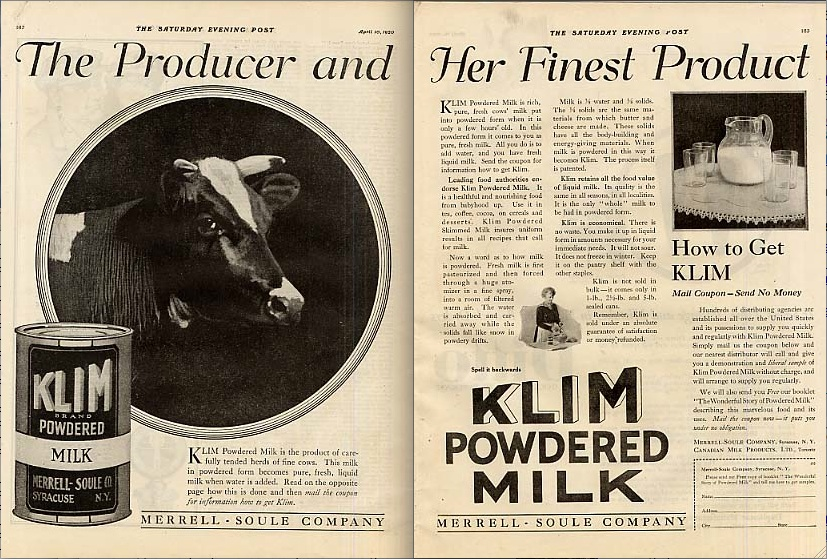
KLIM cakes emerged from the prisoners’ creativity. Made from powdered milk, water, crushed rice, or scraps of sugar, these cakes were steamed rather than baked. They were dense, barely sweet, and rubbery in texture, yet they were treasured beyond measure. The cakes reminded the men of desserts they had once enjoyed without noticing their significance. Now, each bite carried meaning. The cakes were often shared on Christmas, birthdays, or rare moments of celebration.
Because food was so scarce, KLIM cakes represented abundance, even though they were modest in reality. The act of preparing one required planning, patience, and cooperation among the prisoners. It symbolized that even in captivity, they could create something from their own hands that reflected their resilience. KLIM cakes became a small but powerful statement: life could still contain sweetness, even in the hardest of circumstances.
Rice, Sardines, and a Moment of Joy
The combination of rice, sardines, and KLIM cakes formed the heart of Christmas dinner in many camps. Rice was the ever-present staple, sustaining men even as it left them undernourished. Sardines were a rare luxury that brought protein, salt, and flavor to the table. When added to rice, they transformed the meal into something memorable. The shared loaf described by Julian J. Gates shows how a single tin could uplift the spirits of an entire group.
Eating together was an important part of the ritual. The men gathered in their barracks or outside beneath the tropical sky, creating a moment of peace before the routines of labor resumed. They ate slowly, savoring each bite, knowing such meals were special. The KLIM cake that accompanied the rice loaf was often cut into small pieces so that everyone could have a taste. No one expected fullness; they sought comfort and connection.
Even though the surroundings remained harsh, Christmas dinner allowed the prisoners to step outside the suffering of daily life. The meal was a reminder that hope could still exist. It showed that even when deprived of nearly everything, men could create something meaningful through cooperation and kindness. It was not the feast they once knew, but it was a feast of spirit, memory, and endurance.
WWII POW Christmas Recipe
Below are historically grounded recreations of the Klim Cake prisoners ate on Christmas Day. These are not modern dishes. They are meant to reflect the extreme limitations and ingenuity of POW cooking.
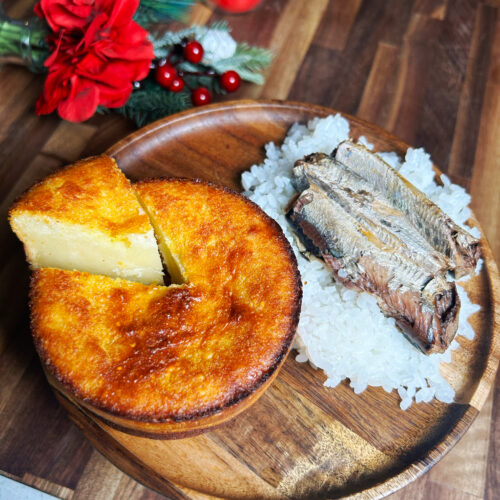
POW KLIM Cake (Baked Milk Cake)
Ingredients
- ½ cup KLIM powdered milk or modern whole milk powder
- ½ cup water
- 1 tablespoon sugar optional but documented in Red Cross parcels
- 1 tablespoon rice flour or finely crushed cooked rice
- Pinch of salt
Instructions
- Preheat oven to 325°F (165°C).
- Mix powdered milk and water into a thick batter.
- Stir in sugar, rice flour or crushed rice, and a pinch of salt.
- Pour into a small greased tin, ramekin, or loaf pan.
- Bake for 25 to 35 minutes until the top is set and lightly firm to the touch.
- Cool for 10 minutes before slicing.
Notes
- Texture: This cake will not rise or become fluffy. KLIM cakes were dense, chewy, and compact because prisoners relied on powdered milk and rice instead of flour, eggs, or leavening.
- Flavor: The sugar is optional but historically accurate. Even a single spoonful would have been rare and often traded or saved for holidays.
- Pan Size: Use the smallest tin or ramekin you have. Historically these were cooked in KLIM tins, so a small container produces the most authentic texture and shape.