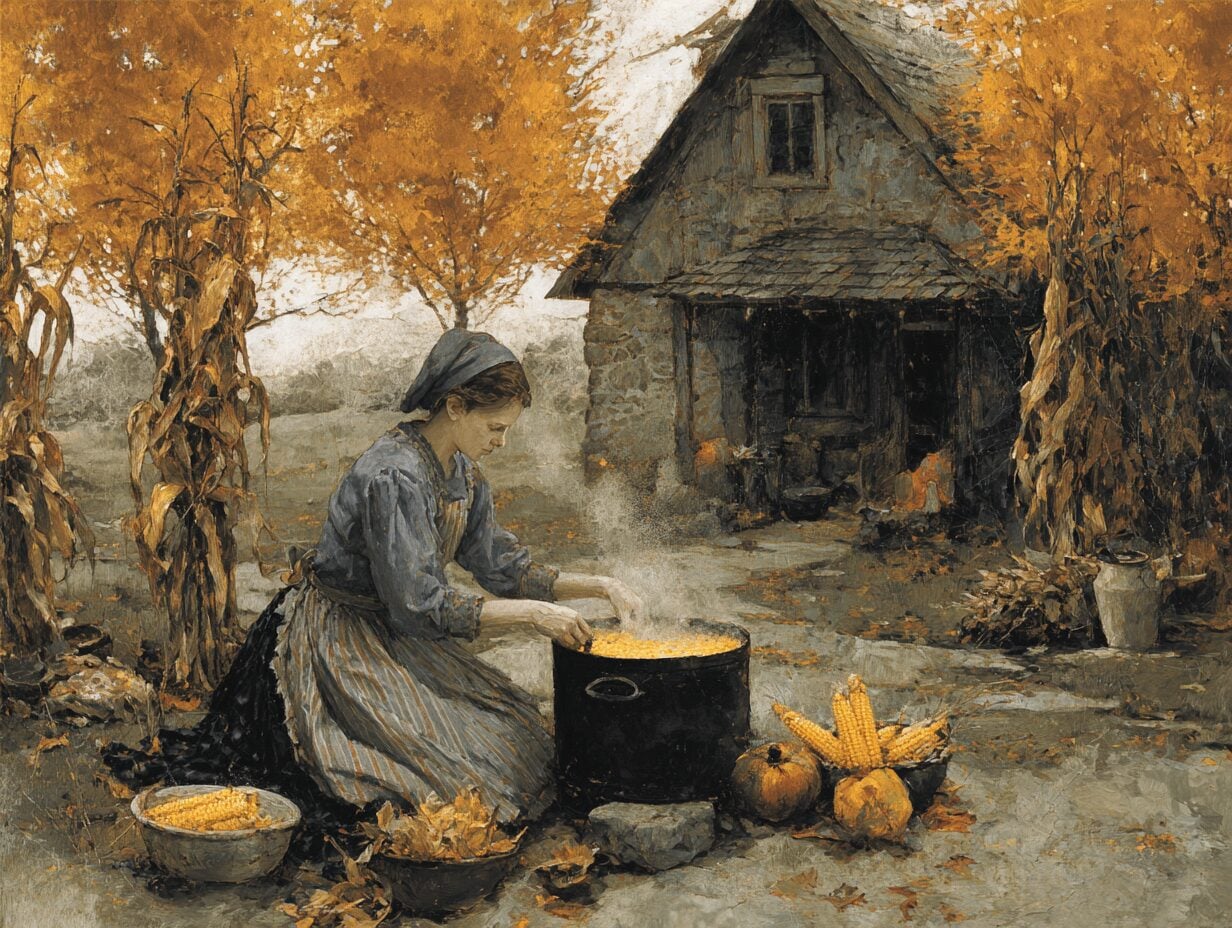
Sweet corn chowder is one of those recipes that feels timeless, a dish that connects us directly to New England kitchens of the 19th century. Corn, milk, potatoes, and pork were the cornerstones of Yankee cookery, and chowders were prized for being both hearty and practical.
In 1896, Fannie Merritt Farmer published one of the earliest printed versions of corn chowder in her Boston Cooking-School Cook Book, a landmark text that transformed American cooking with precise, standardized recipes. By including this dish, Farmer not only preserved a New England staple but helped cement corn chowder as a beloved part of American culinary heritage.
Fannie Farmer and the Rise of Measured Cooking
Before Fannie Farmer, recipes were often passed down through families using imprecise instructions like “a teacup of sugar” or “butter the size of an egg.” Farmer revolutionized cooking by introducing exact quantities and standardized measures, giving home cooks consistency they could rely on. Her book, still in print more than a century later, made her one of the most influential cookbook authors in American history.
Next week
I cook these before I write them. Some of it never makes the post.
The failures, the source documents, the version that actually tasted good. That part goes out by email, and next week’s is already on the stove.
 Written and cooked by Donnie
Farmer’s inclusion of corn chowder reflected both the Yankee practicality of using local, affordable staples and the growing role of corn as a national food. Corn chowder became a way to stretch ingredients into something nourishing and comforting, offering warmth on cool evenings and a reminder of seasonal abundance at the end of summer.
Corn’s Deeper History
Of course, the story of corn goes back thousands of years before Fannie Farmer. Corn, or maize, was first domesticated in Mesoamerica more than 9,000 years ago. By the time Europeans arrived in the Americas, corn was central to the diets and cultures of Indigenous peoples across the continent. In the Northeast, nations like the Iroquois and Wampanoag cultivated corn alongside beans and squash in the “Three Sisters” system, a sustainable agricultural practice that nourished entire communities.
European settlers learned how to grow, dry, and cook corn from Native peoples, and it quickly became indispensable in colonial diets. By the 19th century, corn symbolized both tradition and survival, and its place in chowder tied together Native, colonial, and New England foodways in one comforting dish.
Chowder in New England Tradition
Chowder itself was a dish shaped by practicality. The New England coast had long relied on clam chowder, and variations soon emerged based on whatever was abundant. Corn and potatoes were plentiful, milk and salt pork were staples, and together they formed the backbone of corn chowder. It was a dish that embodied thrift and nourishment, filling bellies while making the most of seasonal ingredients.
Farmer’s original recipe even called for canned corn, which was considered a modern convenience at the time. It allowed cooks to prepare corn chowder year-round, but when fresh sweet corn was in season, it brought a brighter flavor and fresher texture that tied the dish back to its harvest roots.
A Recipe Adapted for Today
Farmer’s original directions assumed the cook already knew how to render pork fat, parboil potatoes, or scald milk. In adapting her recipe, I’ve kept her structure intact but clarified the steps to make them more approachable in a modern kitchen. What hasn’t changed is the heart of the dish: salt pork or bacon for depth, potatoes for body, milk for creaminess, corn for sweetness, and crackers on top for that uniquely New England touch.
The end result is a chowder that feels rustic yet refined. It is simple, filling, and deeply flavorful, with layers of history simmered into every bite. Eating a bowl is like taking a culinary step back into the 19th century while still enjoying something that tastes right at home today.
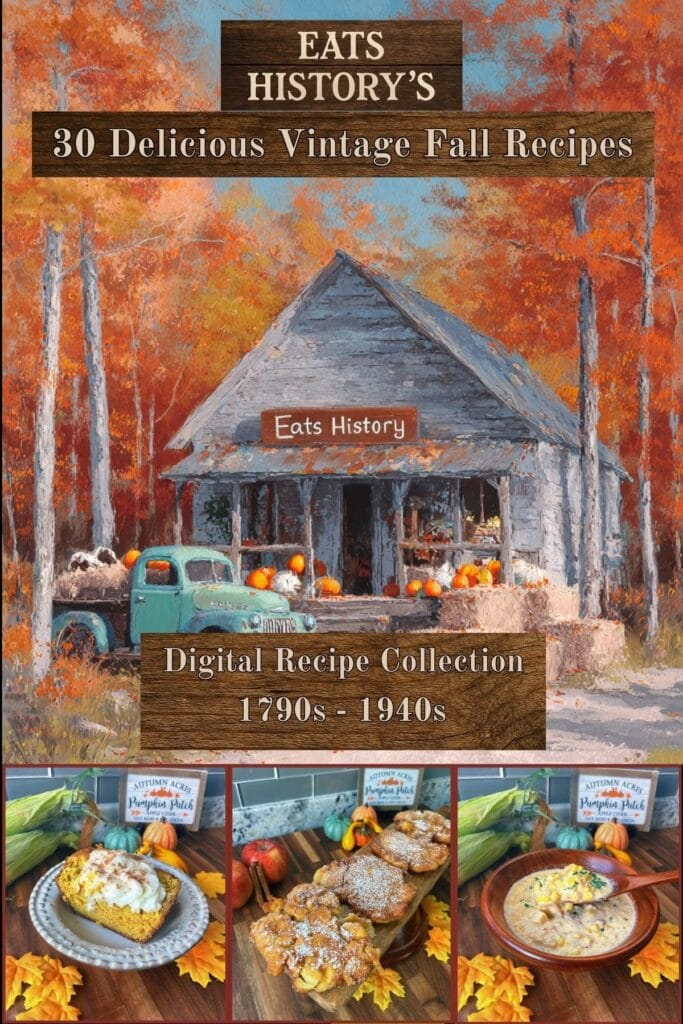
Pick up 30 Delicious Fall Recipes here, now on sale!!!
Recipe: Sweet Corn Chowder (Serves 4–6)

Corn Chowder

Don’t lose this one.
I’ll email it to you so it’s waiting when you’re ready to cook.
Ingredients
Instructions
Notes
- Fresh vs. Canned Corn – Fannie Farmer’s recipe originally used canned corn, but fresh sweet corn in late summer delivers brighter flavor and juicy texture.
- Salt Pork or Bacon – Salt pork is traditional and adds authentic smokiness, though bacon makes a fine substitute if it’s what you have on hand.
- Do Not Boil the Milk – Once the milk is added, keep the chowder at a gentle simmer. Boiling can cause it to curdle and ruin the texture.