There are certain foods that exist outside the normal framework of culinary criticism. You cannot evaluate them on technique or ingredient quality or balance or any of the things that make a dish objectively good. You have to evaluate them on what they are, which is a direct line back to a specific moment in your life when food was not complicated and dessert was the best part of the day.
The Cup of Dirt is that dessert for me. I am talking about the clear plastic cup of chocolate pudding layered with crushed Oreos and gummy worms that appeared on every TGI Fridays menu in the early 2000s and made ordering dessert feel like the most exciting decision of the meal. My family sat in a booth, the kind with the sticky laminated menus and the endless basket of bread, and someone ordered the Cup of Dirt, and that was it. That was the memory. Chocolate pudding with cookie dirt and a gummy worm hanging over the edge of the cup like it was trying to escape.
Is it healthy? No. Is it technically impressive? Absolutely not. Is it nostalgic and an awesome little treat that still makes people unreasonably happy? Yes, completely, and that is exactly enough.
The Origin: Where Did This Thing Actually Come From?
The dirt cup has a more documented origin than most people expect for something that feels like it was invented by a bored parent on a Saturday afternoon.
Next week
I cook these before I write them. Some of it never makes the post.
The failures, the source documents, the version that actually tasted good. That part goes out by email, and next week’s is already on the stove.
 Written and cooked by Donnie
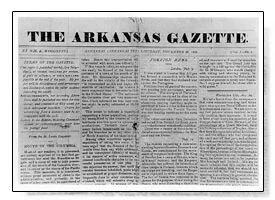
The earliest printed recipe appears in the Arkansas Democrat-Gazette in 1988, submitted by a reader as Kansas Dirt Cake. The dessert spread through the Midwest and then across the country throughout the late 1980s and into the 1990s, the way all great American potluck dishes spread, through community cookbooks, church recipe cards, and the kind of handwritten index card recipes that get passed between neighbours over the fence.
The gummy worm connection has a specific origin. Trolli, the German candy company, introduced gummy worms to the American market in 1981. Without gummy worms there is no dirt cup concept. The visual joke of something crawling out of dirt only works if you have a candy that looks like a worm, and Trolli invented that candy a few years before the dirt cup became a thing. The timing is not a coincidence.
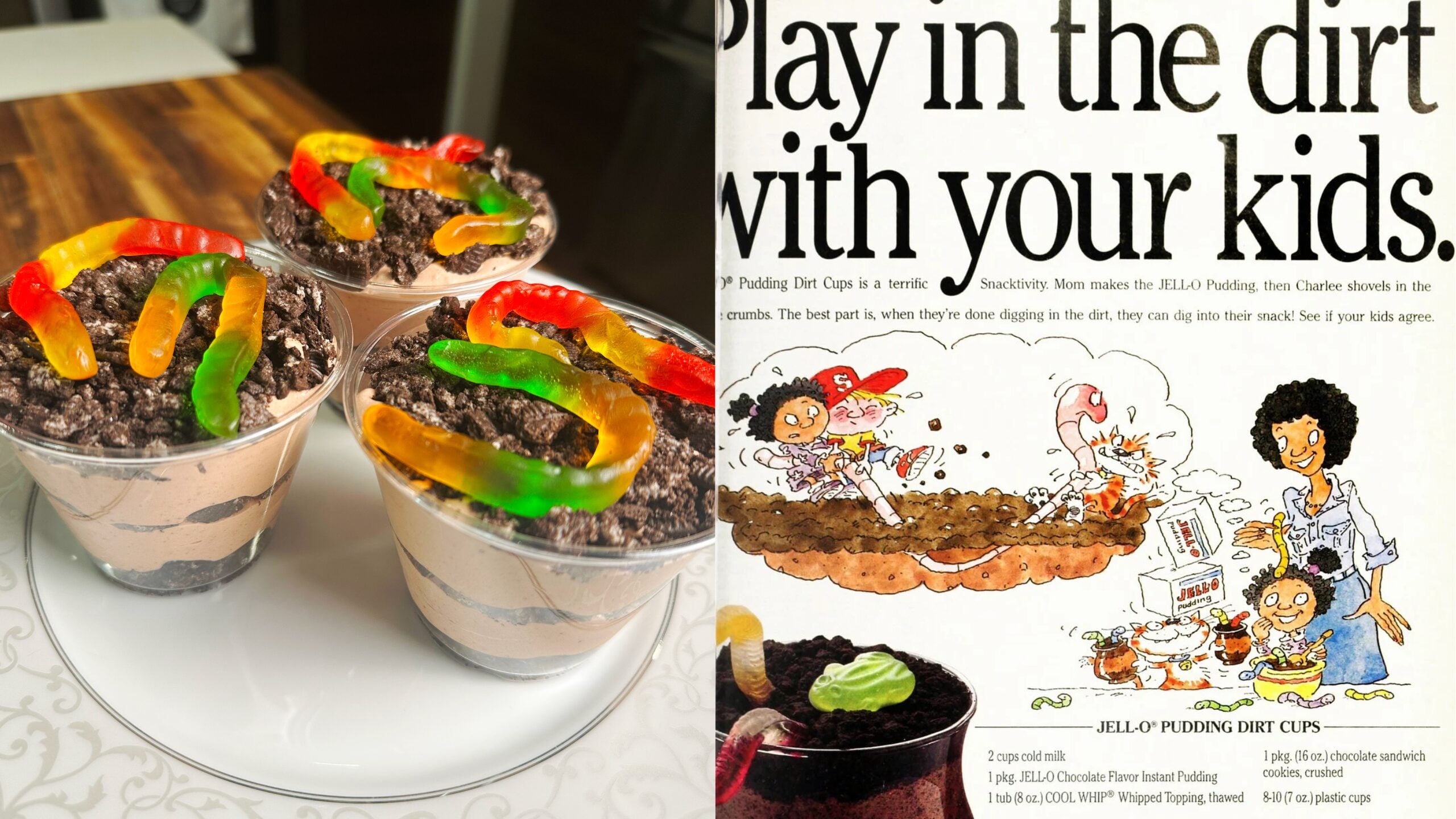
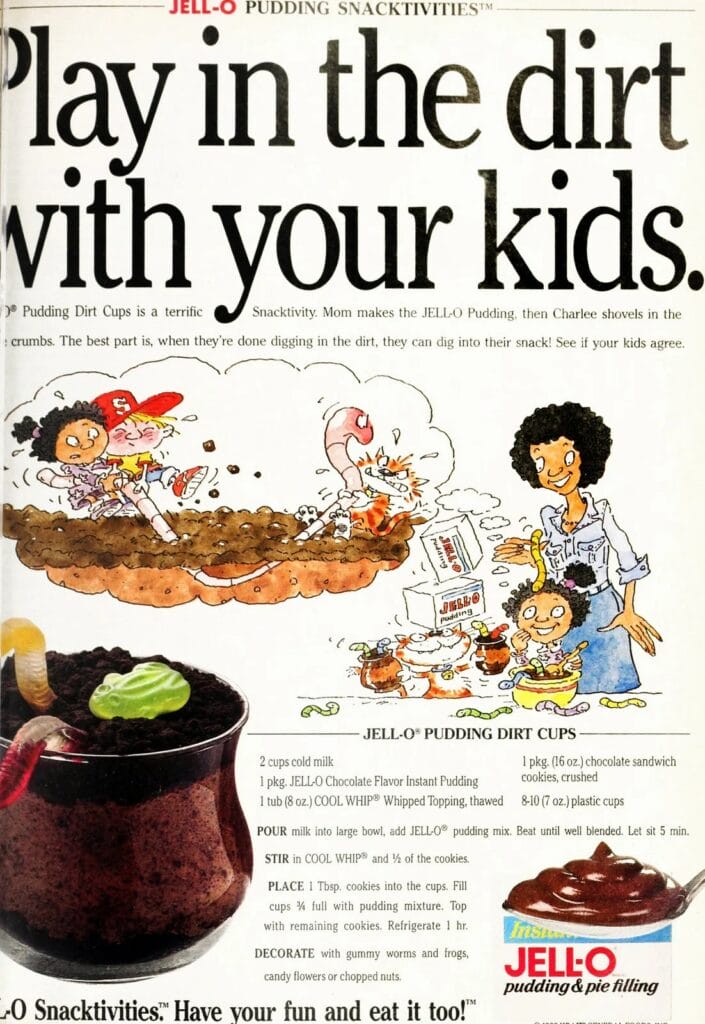
The dessert went truly national in 1993 when Jell-O, then owned by Kraft Heinz, ran a print campaign introducing the official Jell-O Dirt Cups with the tagline play in the dirt with your kids. The following year they released a dinosaur version with gummy dinosaurs instead of worms called Prehistoric Pudding. Jell-O did not invent the dirt cup but they industrialised it, put it in a national print campaign, and made it the thing that a generation of American kids recognised as a specific named dessert rather than just something your mom made. The 1993 Jell-O campaign is the earliest nationally documented version of the recipe and the one this recipe is based on.
One ingredient in the original recipe deserves its own mention because it is consistently misremembered. The original 1990s versions of dirt cake, particularly the community cookbook versions that predate the Jell-O campaign, called for cream cheese and Cool Whip beaten together as the creamy layer rather than just pudding and Cool Whip. The cream cheese version is denser, richer and more cheesecake-like than the pure pudding version. Both are legitimate. The Jell-O campaign standardised the no-cream-cheese version for national audiences because it was simpler and faster, but if you want the version that was appearing in Midwestern church cookbooks in the late 1980s, you add 8 oz of softened cream cheese beaten with half a cup of powdered sugar to the Cool Whip before folding in the pudding.
The TGI Fridays Booth: A Personal Note
There is something very specific about ordering a Cup of Dirt at TGI Fridays in the early 2000s that I think anyone who grew up in that era will recognise immediately. It was on the menu alongside the Jack Daniel’s chicken and the potato skins and the endless appetiser combinations, presented in a clear plastic cup with the layers visible through the side and a gummy worm arranged on top with the kind of theatrical attention to detail that made it feel like you were ordering something genuinely special.

You were ten years old or twelve years old and you had just eaten more food than you needed and someone at the table said does anyone want dessert and you said yes immediately because it was the Cup of Dirt and the Cup of Dirt was never not the right answer. The laminated menu had a photograph of it. The photograph looked exactly like the thing that arrived at the table. This was notable because restaurant photographs and actual food have historically had a complicated relationship.
I made this recipe this week for the first time in probably twenty years and I will tell you honestly that the first bite produced a memory so specific that I could see the booth. That is what this dessert does. It is not sophisticated and it does not need to be. It is chocolate pudding and crushed Oreos and gummy worms in a clear cup and it is completely correct.
Is It Healthy?
Nope. Not at all. A single serving contains roughly 300 to 400 calories depending on how generous you are with the cookie layer, significant amounts of sugar from the pudding mix and cookies, and whatever nutritional content exists in a gummy worm, which is not much. The Cool Whip adds stabilised hydrogenated oil and the Oreos add more sugar and processed fat and the gummy worms are sugar and corn syrup shaped like worms.
None of this matters. The Cup of Dirt is not a health food and it has never pretended to be. It is a nostalgic American dessert made from recognisable supermarket ingredients that has been making children and adults unreasonably happy at events for forty years. Evaluate it on those terms, and it scores extremely well.
Rating: 8.3 / 10
The Recipe: Cup of Dirt
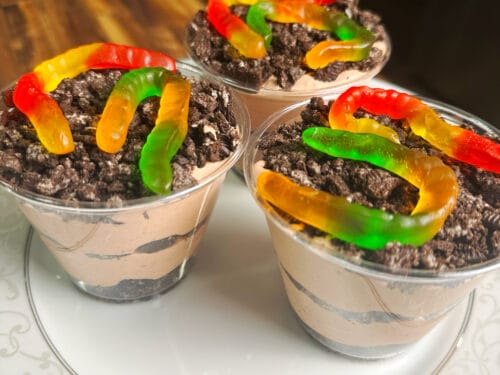
Cup of Dirt

Don’t lose this one.
I’ll email it to you so it’s waiting when you’re ready to cook.
Ingredients
Instructions
Notes
- Add the gummy worms no more than 30 minutes before serving if you want them to maintain their texture. Left in the pudding overnight they become soft and slightly melted at the edges, which is authentically unpleasant in exactly the right way for this dessert but is a matter of personal preference.
- For the cream cheese version that predates the Jell-O campaign: beat 8 oz of softened cream cheese with half a cup of powdered sugar until smooth, fold in the Cool Whip, then fold in the prepared pudding. The result is denser, richer and more cheesecake-like. It is the Midwestern church cookbook version and it is arguably better than the standard version. Both are historically legitimate.
- The flower pot presentation, serving in a small terracotta pot with a fake flower pressed into the top, was a popular party variation from the same era and is equally authentic. It photographs dramatically and is the version to make if you are serving this at a gathering and want people to take photographs of it before eating it, which they will.