Before it appeared in Squid Game. Before it went viral on TikTok. Dalgona was a cheap, nostalgic street candy born out of war and poverty. Made with just sugar and baking soda, this brittle honeycomb treat represents more than a sugary snack, but it is a living remnant of a generation that survived the Korean War, grew up in the shadow of loss, and found joy in the simplest of pleasures.
Its story is both humble and grand, tracing South Korea’s transformation from postwar ruin to cultural powerhouse. And at the center of it all is a ladle, a flame, and a pinch of soda.
From Ashes: Korea After the War
When the Korean War ended in 1953, the Korean Peninsula was in ruins. The conflict had left millions dead or missing, and the infrastructure of South Korea was decimated. Cities like Seoul had been reduced to rubble, and countless families were displaced. With little access to modern technology or global trade, daily life revolved around rebuilding from nothing.
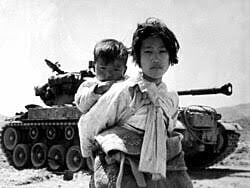
In this landscape of scarcity, food was one of the most pressing challenges. Government-issued rations were often limited to rice and grain, and anything beyond basic sustenance was rare. For children growing up in this era, the idea of candy was not just indulgent, it was practically unimaginable. Yet from this devastation came a generation of survivors whose creativity shaped their own forms of entertainment and nourishment, often with whatever was available.
Next week
I cook these before I write them. Some of it never makes the post.
The failures, the source documents, the version that actually tasted good. That part goes out by email, and next week’s is already on the stove.
 Written and cooked by Donnie
Postwar Scarcity Sparks Culinary Creativity
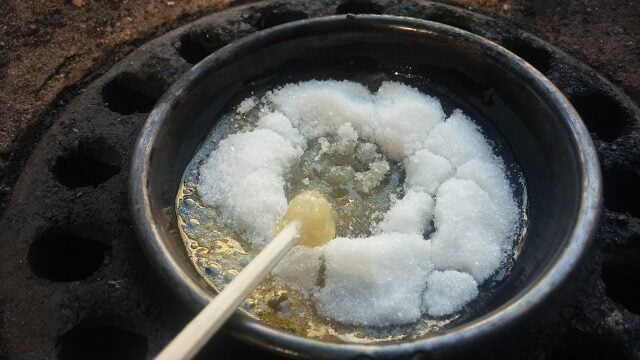
With imported goods restricted and money tight, inventive street vendors began experimenting with affordable ingredients to create makeshift confections. White sugar, though not abundant, could sometimes be obtained in small quantities, and baking soda was cheap and accessible. Combining the two created a surprising chemical reaction as the sugar would melt into syrup, and the baking soda would cause it to puff up into a crunchy, aerated candy.
This reaction was a revelation. Not only was it quick to make, but the result was tasty and satisfying. Vendors began producing the candy in ladles held over open flames, stirring constantly with wooden chopsticks. The resulting treat had a toasty caramel flavor and a crisp texture unlike anything else. It became a sweet escape in a time when sweetness was hard to come by.
The Birth of Dalgona (a.k.a. Ppopgi)
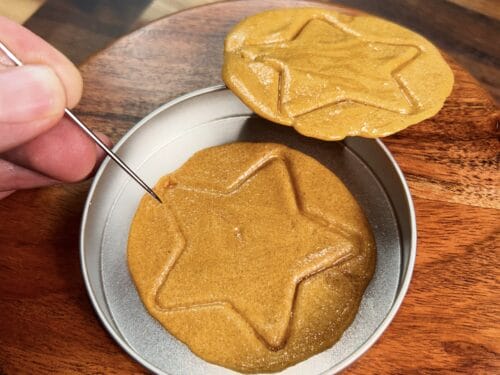
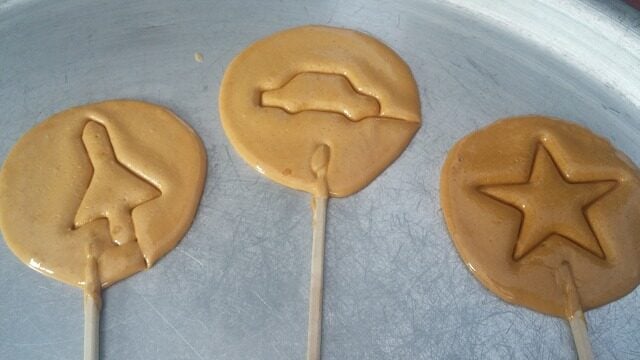
The name “dalgona” (달고나) comes from the Korean word for “sweet,” and it quickly became a popular term for the candy. But in many neighborhoods, it was better known as “ppopgi” (뽑기), which means “to pick out” or “to extract.” This name referred to the game associated with the candy: before it hardened completely, the vendor would press a simple metal mold into the surface, forming shapes like stars, umbrellas, or hearts. Kids were then challenged to pick out the shape using a needle or toothpick, without breaking it.
If they succeeded, the vendor would reward them with a free candy. But this was no easy feat. The candy was fragile and unforgiving, and even the slightest crack could mean failure. It was part treat, part trial, and part tradition, a ritual that delighted kids and fostered patience and focus. The simplicity of the ingredients belied the cultural weight of the experience.
Candy as Community: The Schoolyard Ritual
By the 1960s and 70s, dalgona sellers were a familiar sight outside school gates. Armed with a portable stove, a few metal molds, and a weathered ladle, these vendors became fixtures in the daily lives of Korean schoolchildren. After class, kids would line up with coins clutched in their hands, hoping to win the challenge or simply savor a rare moment of sweetness.
The ritual became part of growing up. Children would gather around the vendor, watching the syrup bubble and puff. The air would fill with the scent of burnt sugar, and the thrill of seeing your shape emerge—followed by the tense focus of trying to extract it—was a memory that stayed with many for life. These moments were simple, but in a country still struggling to recover, they held deep emotional weight.
Squid Game and the Global Spotlight
In 2021, Netflix’s Squid Game catapulted dalgona into global pop culture. One of the most intense scenes involved players trying to extract a shape from the candy without breaking it, under threat of death. The scene was tense, dramatic, and oddly familiar to millions of Koreans who had grown up playing the same game on the playground.
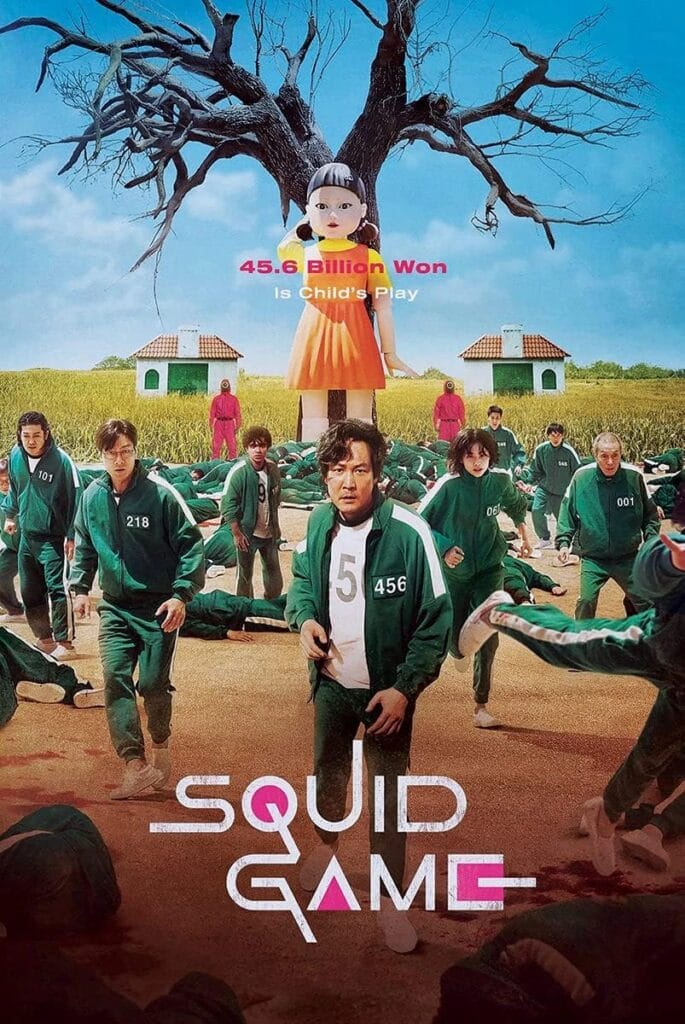
Suddenly, the world was obsessed. TikTok and Instagram filled with people recreating the challenge. Hashtags trended. Cafés started selling the treat, and news outlets published articles explaining the candy’s origins. A game once played for fun became a test of nerves in front of millions of viewers. But behind the viral trend was a story of survival and innovation, one few outside Korea had ever heard before.
From Street Cart to TikTok: The Dalgona Renaissance
After Squid Game, dalgona saw a renaissance. Street vendors reappeared in Seoul, offering the candy and the game to tourists and young people rediscovering the past. Korean cafés incorporated dalgona into drinks and desserts, especially the creamy dalgona coffee that also took off during the pandemic. Suddenly, this 70-year-old candy had found a second life in modern media.
Yet for older Koreans, the treat still carried a different meaning. It was not a novelty, but a memory—one tied to the smell of sugar, the heat of metal, and the laughter of schoolyard friends. The candy’s new fame did not erase its history; instead, it amplified it, connecting generations through shared sweetness.
Traditional Dalgona Candy Recipe (Single Serving):
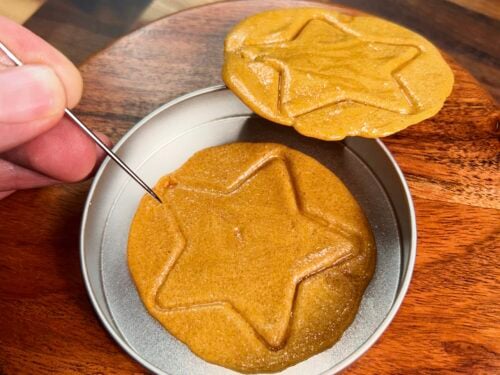
Dalgona (Ppopgi)

Don’t lose this one.
I’ll email it to you so it’s waiting when you’re ready to cook.
Ingredients
Instructions
Notes
- Quick and Time-Sensitive:
The candy hardens fast once the sugar is aerated, so it’s important to work quickly when pouring and shaping it. Have all tools ready before starting.
- Low Heat Is Key:
Sugar burns easily. Melt it slowly over low heat while constantly stirring for the best caramel flavor and smooth texture without bitterness.
- Stamp Before It Sets:
If adding a traditional imprint like a star or circle, wait 10–15 seconds after flattening before gently pressing the mold. Too soon, and it will stick; too late, and it will crack.