When I cook through history, sometimes I come across figures who make me pause. Most of the time food is about family, comfort, and celebration. But every once in a while, the story tied to a dish is dark, unsettling, and layered in myth. Idi Amin is one of those figures. His name carries weight because of the fear he instilled and the brutality of his rule, yet the stories that surround him often include the foods he ate and the bizarre ways he used meals to project power.
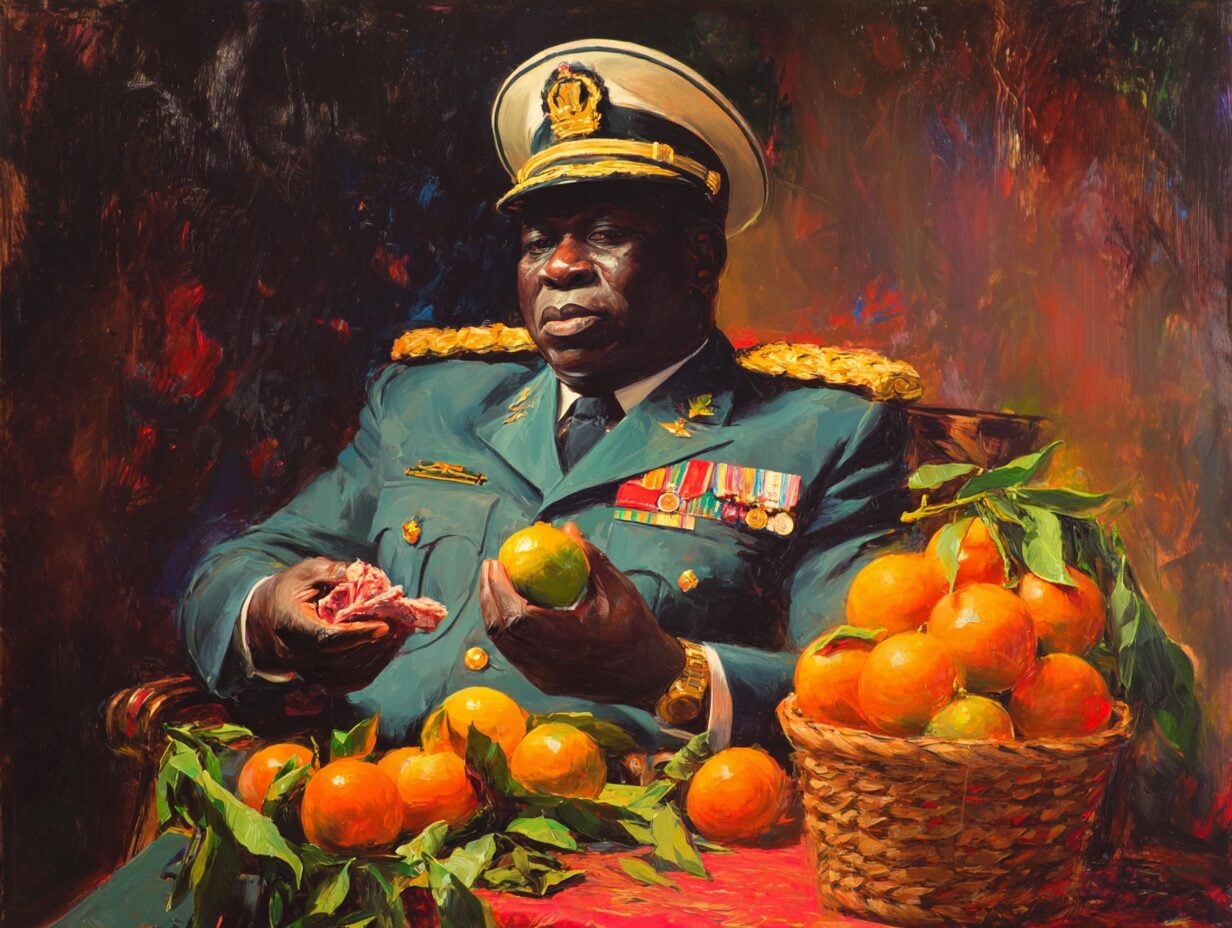
Amin ruled Uganda in the 1970s and is remembered as one of the most brutal dictators of the twentieth century. But he also had quirks that were almost absurd, like his obsession with oranges or his claim that he had “conquered” the British Empire. When I set out to cook something connected to his story, I wanted to find a balance between telling the history honestly and showing how food played a role in his image. What I ended up with was roasted lamb marinated in citrus and served with piles of oranges on the side, a dish he almost certainly would have enjoyed.
If you’re enjoying my content, check out Eats History shop for my e-cookbooks! (Now 40% Off!)
From Soldier to Strongman
Idi Amin’s story begins in colonial Uganda, where he joined the King’s African Rifles, the British colonial army. He had little formal education, but he had physical strength, charisma, and an ability to command. In the army, he learned discipline and violence in equal measure, serving under British officers who used African soldiers to maintain their empire. This early training gave him the skills he later used to seize power, and it also gave him a lifelong resentment of the British.
Next week
I cook these before I write them. Some of it never makes the post.
The failures, the source documents, the version that actually tasted good. That part goes out by email, and next week’s is already on the stove.
 Written and cooked by Donnie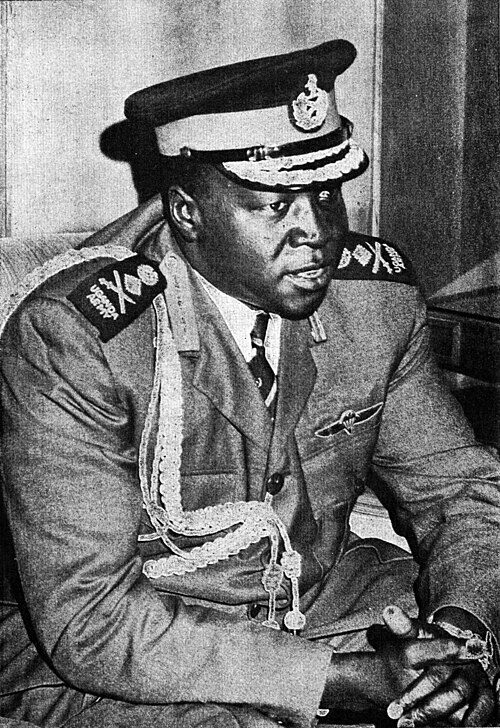
In 1971, Amin took advantage of growing discontent and staged a military coup against President Milton Obote. At first, he was welcomed by many Ugandans who were tired of corruption and instability. He promised to bring order, but very quickly his rule turned into something far darker. What looked like a change of leadership soon revealed itself as the beginning of years of repression, violence, and fear.
The Enemy of Britain
Amin’s relationship with Britain is one of the strangest parts of his story. Having been trained by the British army, he carried a deep mix of resentment and pride about that history. By the late 1970s, when the United Kingdom finally broke diplomatic ties with Uganda, Amin declared that he had “defeated” Britain. He even added “Conqueror of the British Empire” to his long list of self-appointed titles.
This was classic Amin. He loved theatrics. He understood that words could create an image just as powerful as an army. By claiming he had defeated Britain, he turned a diplomatic break into a personal victory. It was absurd, but it also showed how he used performance to hold onto power. To Amin, food, titles, and politics all played the same role: they were tools to show strength, to intimidate enemies, and to shape his legend.
A Reign of Fear
Behind all of the drama and bravado was something much darker. Amin’s rule was built on violence. After taking power, he purged the army of those he suspected of loyalty to Obote, particularly men from the Acholi and Lango ethnic groups. Massacres took place in military barracks and spilled into towns and villages. Entire communities were devastated.
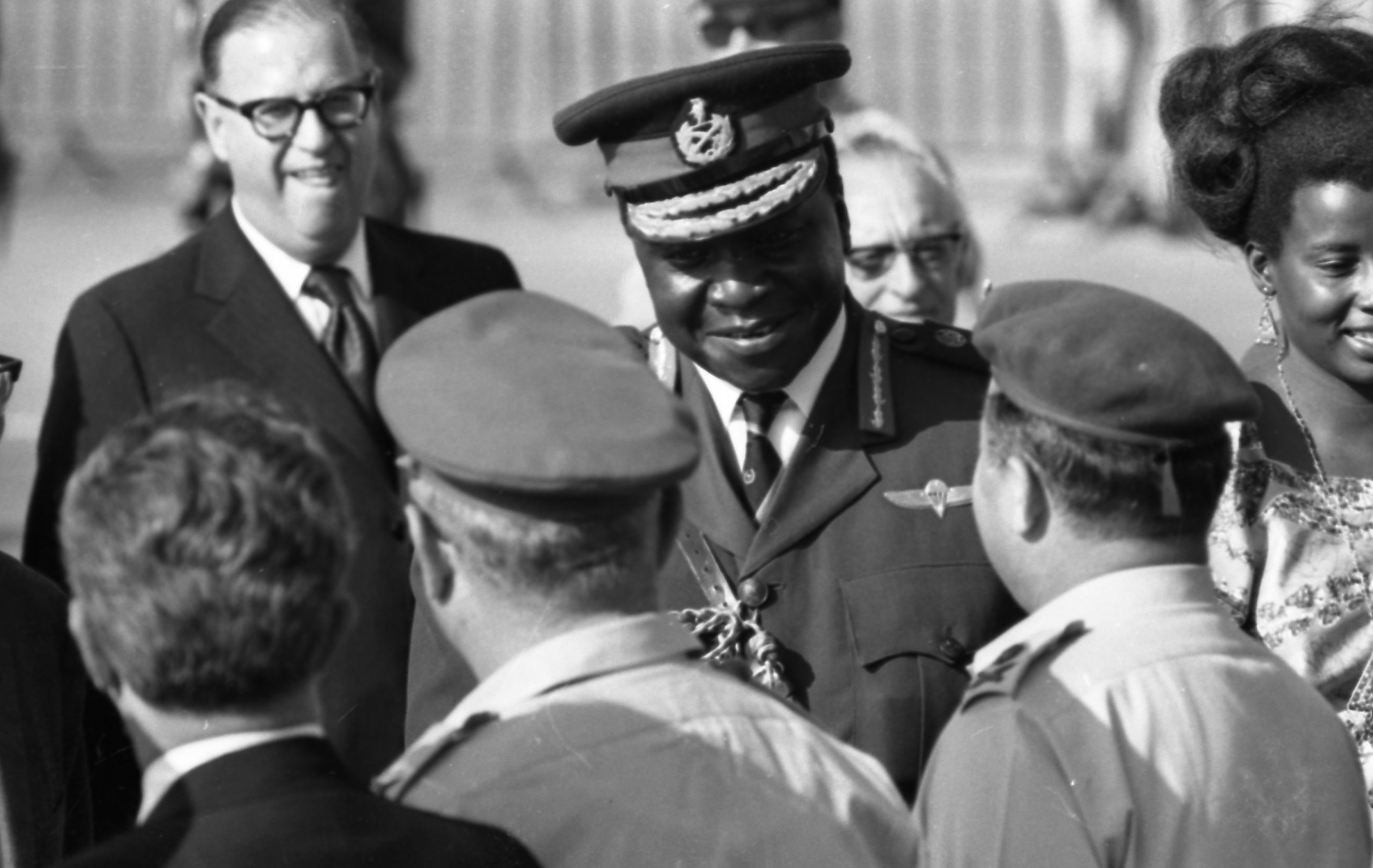
And it did not stop there. Soon the targets expanded to include judges, intellectuals, artists, religious leaders, and ordinary civilians. Anyone who opposed Amin or simply got in the way risked disappearing. Bodies were often dumped into the Nile, a river that became a silent witness to the violence of his regime. The numbers are staggering. Some estimates say 80,000 people died under Amin. Others put the number closer to half a million. Either way, his reign of terror left scars that still mark Uganda’s history.
The Cannibal Question
Whenever Amin’s name comes up, one of the first things people ask is whether he was a cannibal. The truth is complicated. There is no hard evidence that he ever ate human flesh. But Amin himself seemed to enjoy the rumor. Henry Kyemba, one of his ministers, wrote about Amin bragging to his inner circle that he ate human flesh, though it is likely these were boasts meant to terrify.
Part of the myth came from Amin’s tribal background. The Kakwa people, like many warrior societies, had blood rituals connected to warfare. These rituals sometimes involved tasting blood or cutting flesh from an enemy as part of spiritual practices. By leaning into these associations, Amin made himself seem more fearsome. Whether he actually practiced cannibalism or not, the rumor worked in his favor, reinforcing his image as a man to be feared.
Food Obsessions in Exile
After he was overthrown in 1979, Amin lived in exile in Saudi Arabia. This is where his story takes a stranger turn. Freed from the pressures of ruling, he indulged in food in ways that seem almost comical. He developed a love for Kentucky Fried Chicken, often eating it by the bucket.
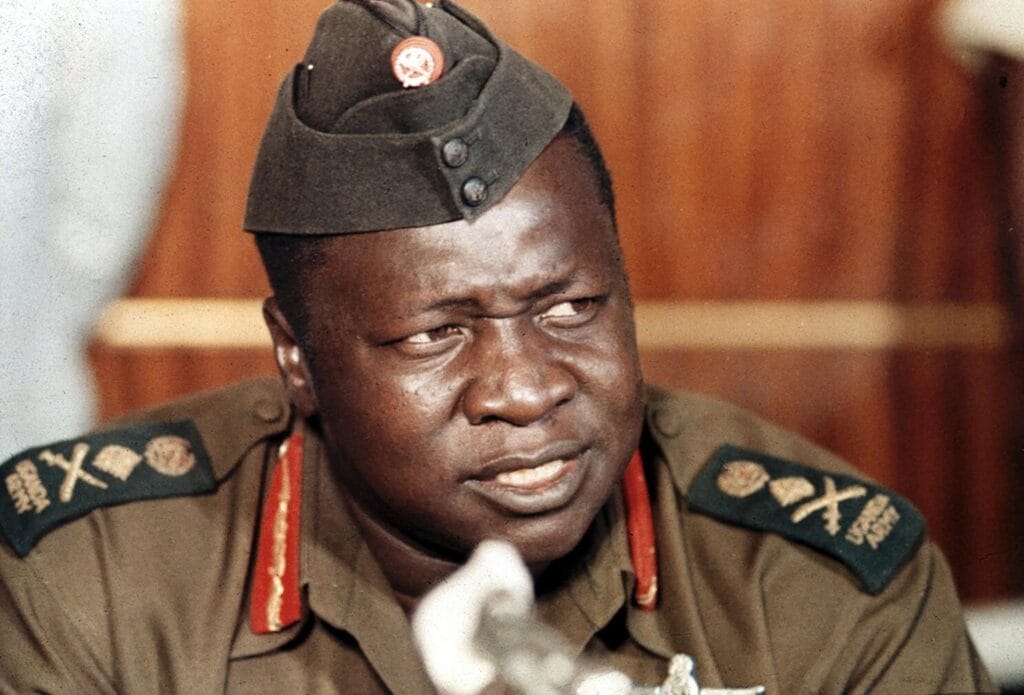
Even more famous was his obsession with oranges. He ate them constantly, called them “nature’s Viagra,” and even nicknamed himself “Dr. Jaffa” after the famous orange variety. It was bizarre, and it showed just how much he tied food to identity and power. For a man who once claimed to conquer empires, he spent his last years in love with fried chicken and citrus fruit.
Lamb, Rice, and Oranges
Before exile, Amin still enjoyed the hearty staples of East African cuisine. Goat, lamb, rice, and tropical fruits were his regular diet. Roasted meats seasoned with spices and paired with rice are common in Ugandan cooking, and Amin would have grown up on these flavors. Adding citrus to the mix was his personal twist, reflecting his later obsession with oranges.
That is why I chose to make roasted lamb marinated with orange juice, served alongside rice and slices of fresh oranges. It feels authentic to what Amin would have liked. The lamb comes out rich and tender, with the citrus giving it brightness and a little bit of tang. It is a dish that connects his roots to his eccentricities.
Cooking Through Contradictions
Cooking a dish tied to Idi Amin is not about celebrating him. It is about confronting the way food can be tangled up with power, fear, and myth. For Amin, meals were more than just sustenance. They were part of his image. He used them to intimidate, to boast, and even to reinvent himself in exile.
When I tasted the lamb with oranges, I could not help but think about that contradiction. On the one hand, the flavors are fantastic. On the other, they are tied to a man who brought so much suffering. My personal rating for the dish is a 7.9 out of 10. It is delicious, but it comes with a heavy story.
Idi Amin’s Roasted Lamb with Oranges Recipe:
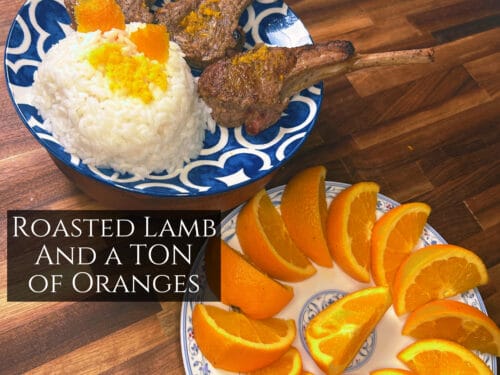
Dinner with Idi Amin: Roasted Lamb & Oranges

Don’t lose this one.
I’ll email it to you so it’s waiting when you’re ready to cook.
Ingredients
Instructions
Notes
- Marinade matters — The orange juice not only adds flavor but also tenderizes the lamb. Letting the meat sit in the marinade for at least an hour deepens the taste.
- Crisp the edges — For that beautiful golden crust, start the lamb at high heat for 15 minutes, then lower the temperature for the rest of the roast.
- Balance the sweetness — Oranges can make the dish lean sweet, so serving with a salty rice side (seasoned with a touch of broth or stock) keeps everything balanced.