Few figures in history carry such a strange mix of fascination and horror as Vlad the Impaler. Ruling Wallachia in the mid-1400s, Vlad III became infamous across Europe for his brutal punishments and his terrifying use of impalement. Yet for all the stories of cruelty, there is very little we know about how he actually lived, and even less about what he ate. Aside from grim tales of him dipping bread into the blood of his enemies, history is mostly silent on his table.
So I decided to look elsewhere. Instead of focusing on myth, I looked at the food culture that surrounded him. Wallachia sat between East and West, with the Ottoman Empire pressing north and bringing its culinary traditions with it. Among them were the foods cooked over open flame: skewered meats, pilafs, and richly spiced stews. The dish that caught my attention was the kofta kebab, minced lamb rolled around a skewer and grilled over coals. If there was ever a way to reimagine Vlad’s story through food, it was through this. The skewer itself told the story.
If you’re enjoying my recipes, all of my e-cookbooks are currently 40% off!
The Real Vlad: Ruler, Warrior, and Legend
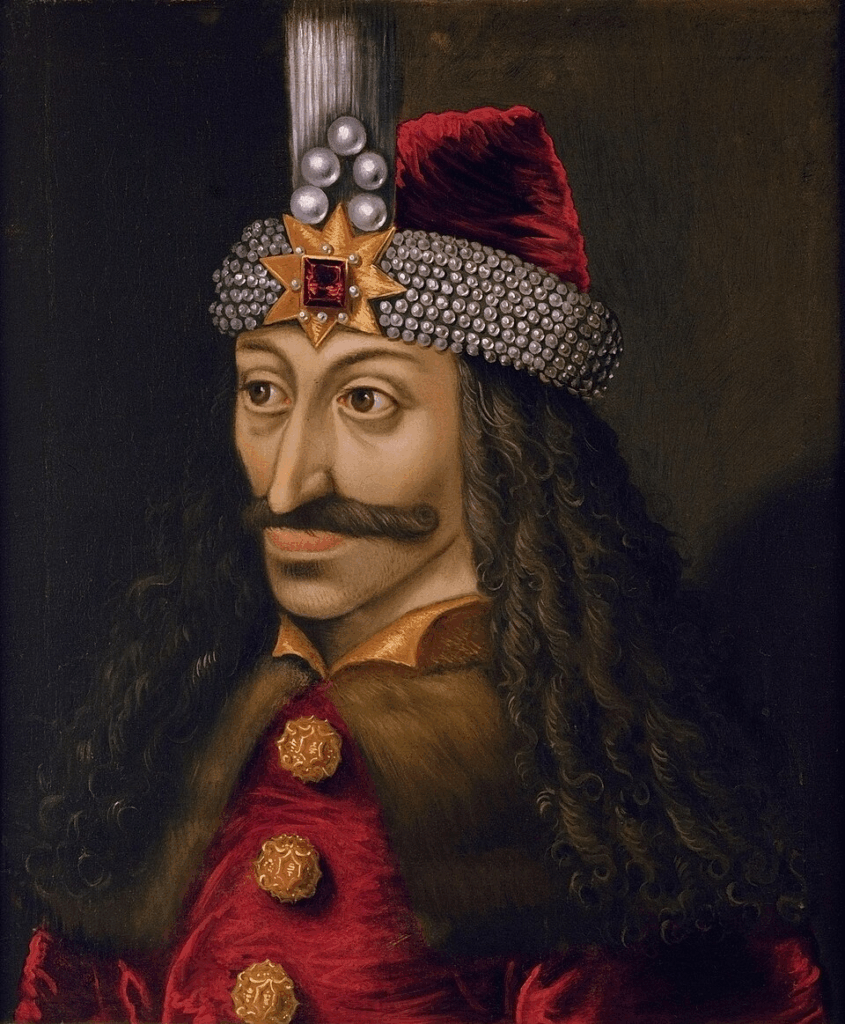
Vlad III was born in 1431 in Transylvania, part of the Kingdom of Hungary at the time. His father was Vlad Dracul, a member of the Order of the Dragon, a Christian military society dedicated to defending Europe against the Ottomans. As a young boy, Vlad was taken hostage by the Ottomans as a guarantee of his father’s loyalty. He spent years in their courts, learning their language, their customs, and most likely, their food.
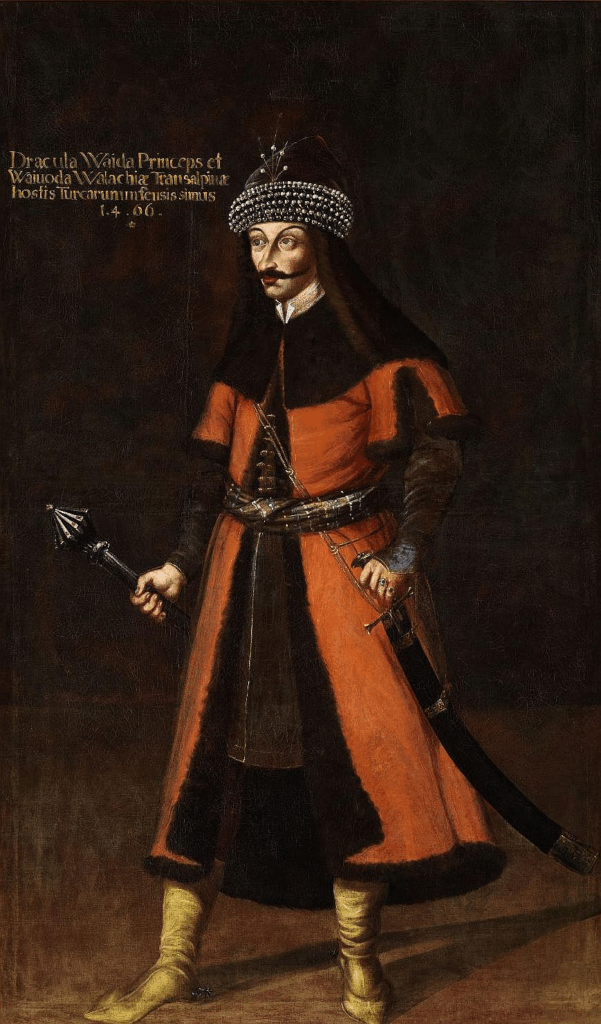
When he finally returned home, he became ruler of Wallachia during one of the most violent periods in European history. His lands were caught between rival empires, and his throne was under constant threat. Vlad fought to maintain power with methods that shocked his enemies.
His punishments were cruel but effective. He impaled enemies, traitors, and invaders on tall stakes and left their bodies on display as a warning. Chronicles tell of forests of corpses outside his capital of Târgoviște. Whether these stories are entirely true or exaggerated, they shaped his reputation forever.
Propaganda and the Making of a Monster
Many of the most gruesome tales about Vlad did not come from Wallachia itself but from German and Saxon pamphlets printed soon after his death. These were written in the early years of the printing press, and publishers quickly learned that horror sold. Vlad was an easy target. He was already known for cruelty, and his wars had cost many Saxon merchants their lives and property. Stories of his atrocities spread across Europe, each retelling making him more monstrous than before.
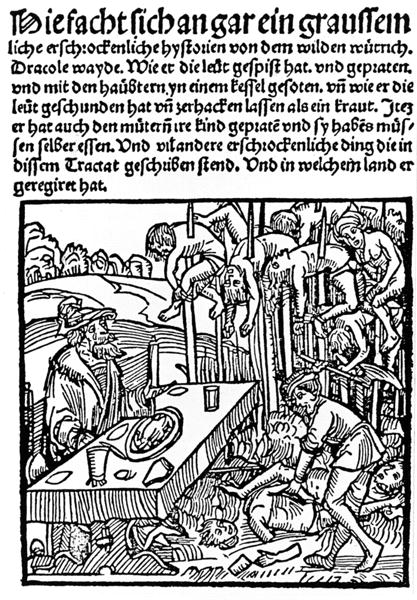
In these accounts, he dined among the dead, impaled thousands, and soaked his bread in human blood. Modern historians believe much of this was political propaganda. The truth likely lies somewhere in between. Vlad ruled with extreme brutality, but so did many rulers of his time. The difference was that his enemies had a printing press. And through that press, Vlad transformed from a regional warlord into a figure of terror that still haunts the Western imagination centuries later.
The Food of Vlad’s World
No menus or cookbooks survive from Vlad’s Wallachia, but the foods of the region can be reconstructed through the influences that surrounded it. Peasants ate bread, onions, beans, and porridge. Nobles ate meat when they could, usually roasted or stewed with garlic and herbs. But during Vlad’s lifetime, Ottoman food culture was spreading northward, carried by soldiers, merchants, and diplomats.
The Ottomans had already inherited centuries of Persian culinary influence, which meant their dishes included grilled meats, fragrant spices, and flatbreads. Among their most popular meals were skewered dishes like shish kebab and kofta kebab.
Kofta was made by pounding lamb or beef into a fine paste with onion, black pepper, and coriander, then shaping it onto a skewer and roasting it over open flame. It was simple, flavorful, and widely eaten across the empire. By the 15th century, it had likely reached the Balkans, where similar recipes still exist today.
The Symbolism of the Skewer
When you think about Vlad the Impaler, the image of the skewer takes on a very different meaning. For him, it was an instrument of death. For the Ottoman cooks of his time, it was an instrument of nourishment. The same object that spread terror on the battlefield was used to prepare one of the most beloved foods in human history.
Cooking this dish today feels like reclaiming that symbol. I made my kofta kebabs as they might have been prepared in the 1400s, using minced lamb, onion, coriander, and parsley. No modern ingredients, no sauces, just the essentials. I served them with coarse bread, raw onions, and a cup of deep red wine. The wine is a playful nod to the old myth of Vlad dipping bread in blood, though I’ll leave it at that.
From Fear to Feast
The story of Vlad the Impaler reminds us how fear and power often outlive their time. But in food, we can find another kind of memory, one that connects us through shared history rather than division. The kofta kebab, born in the fire of medieval empires, still carries that legacy today. It crossed borders and centuries, from the courts of sultans to the markets of the Balkans, and now to our own kitchens.
Cooking it felt like stepping into that world for a moment, one filled with smoke, spice, and stories. It is humbling to think that in the same age of blood and conquest, people also gathered around fires to eat together. And that even a figure as terrifying as Vlad the Impaler lived in that same human rhythm — fighting, ruling, impaling, and yes, eating.
15th-Century Kofta Kebab Recipe
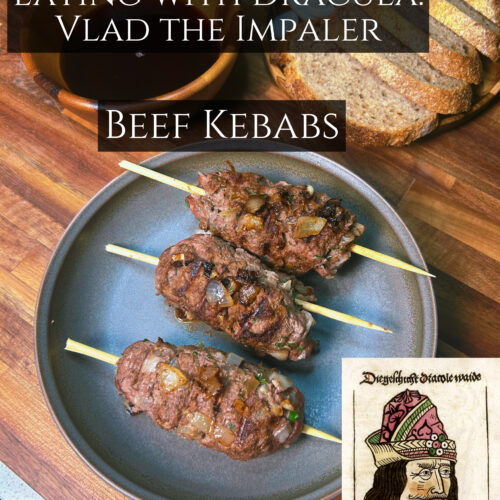
15th-Century Kofta Kebab
Ingredients
- 1 lb 450 g lamb or beef, minced very finely with a knife (meat grinders did not exist; meat was pounded with knives or mortars)
- 1 small onion grated or pounded into paste
- 1 –2 cloves garlic crushed (optional but attested in the region)
- 1 tsp salt
- ½ tsp black pepper imported spice, widely used
- ½ tsp ground coriander or cumin Persian and Ottoman flavorings
- Small handful parsley or mint chopped (both appear in medieval Arabic sources)
- A splash of melted sheep tail fat or clarified butter to moisten
Instructions
- Place the minced meat in a large bowl. Pound or knead well with the onion, garlic, salt, pepper, coriander (or cumin), and herbs until sticky and cohesive.
- Moisten your hands with a little fat or water. Take a handful of the mixture and press it firmly around a flat iron or wooden skewer, shaping into a long sausage-like form.
- Grille on your stove stop at medium heat (10-15 minutes) rotating every 4-5 minutes, or alternatively roast in oven at 400 degrees for 25 minutes, rotating every 5 minutes.
- Serve hot with coarse bread or flatbread, raw onions, and a sprinkle of herbs.
Video
Notes
- Era-accurate preparation: In the 1400s, meat was hand-minced or pounded with knives, not ground. Doing so today gives the kebabs a rustic, chewy texture closer to what would have been served in the Ottoman frontier.
- Fat for flavor: Sheep tail fat was prized in the medieval Middle East for its richness. Clarified butter or lamb tallow are faithful substitutes if you want to capture that smoky authenticity.
- Serving tradition: Bread was the true plate of the Balkans. Serve the kofta kebabs with simple flatbread, sliced onions, and a glass of red wine for a nod to Vlad’s dark legend without crossing into myth.