When you think of the Celts, you might picture blue-painted warriors charging into Roman lines, their voices echoing through the forests of Europe. But behind the battlefield, the Celts were people of ritual, feasting, and deep symbolism.
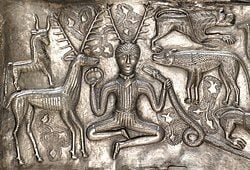
Food (especially pork) was culture, honor, and even a spiritual connection to the Otherworld. Today, I wanted to get a taste of that world by recreating a dish inspired by their ingredients: pork ribs marinated with garlic, honey, mustard, salt, and a splash of mead.
The Celts and the Feast
The Celts lived across vast swaths of Iron Age Europe, from Ireland to Gaul. To the Romans, they were both feared and admired. Julius Caesar described them as fierce warriors, but archaeological digs reveal another side — farmers, artisans, and feasting people who built communities around the hearth.
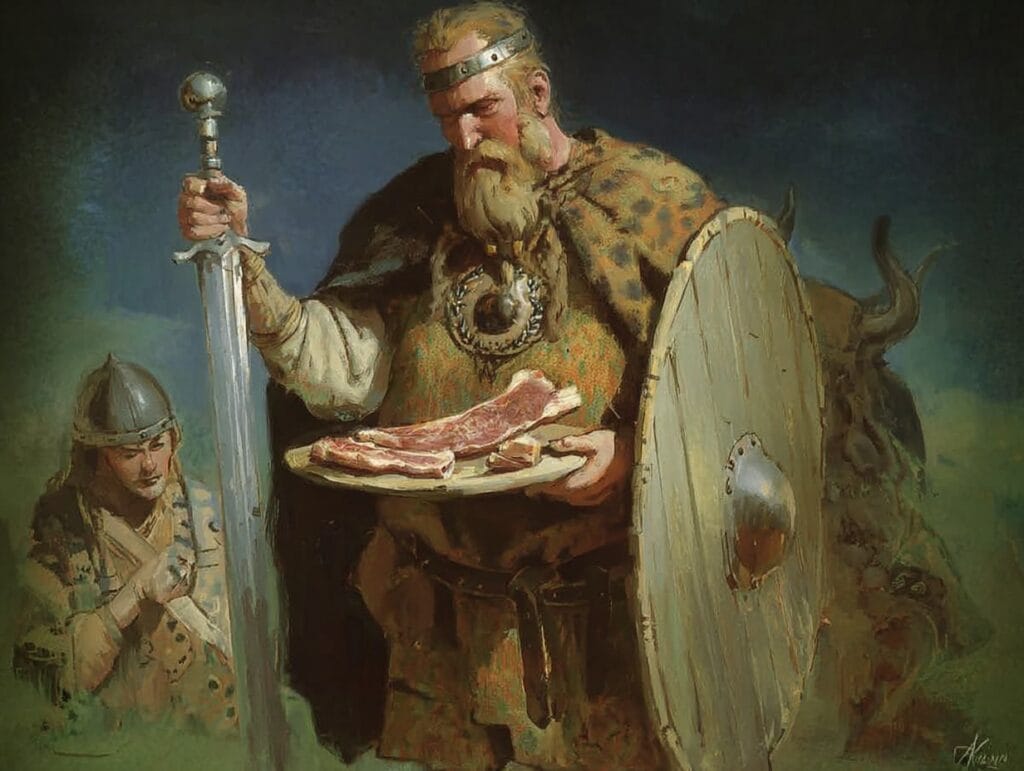
At these gatherings, meat was central. Pig bones appear again and again at Celtic ritual sites, often in the context of communal meals. Pork was not just food, it was a marker of abundance, of status, and sometimes even sacrifice. To sit down to pork ribs with mead in hand is to share in a tradition that was both celebratory and sacred.
Next week
I cook these before I write them. Some of it never makes the post.
The failures, the source documents, the version that actually tasted good. That part goes out by email, and next week’s is already on the stove.
 Written and cooked by Donnie
Ingredients from the Celtic World
When I put together this recipe, I wanted to use flavors that the Celts themselves might have recognized. Pork is obvious, but honey and mead also play starring roles in the archaeology and literature. Roman writers noted Celtic mead drinking, and great cauldrons found in Celtic burials suggest how important communal drinking was. Mustard grew wild across Europe, and garlic (whether wild or traded) was surely known.
Salt, harvested from coastal regions like Hallstatt, was critical both for flavor and preservation. Even mushrooms and herbs like thyme were part of their foraging landscape. What I ended up with was a marinade that felt rustic but also surprisingly familiar — sweet, sharp, and savory, balanced in a way that felt timeless.
The Boar in Myth and Meaning
To the Celts, the pig and its wilder cousin, the boar, held enormous symbolic weight. The animal represented ferocity and strength, qualities every warrior aspired to. In Irish mythology, the warrior band known as the Fianna often hunted boars, and one of their heroes, Diarmuid, met his death by the tusks of a magical boar.
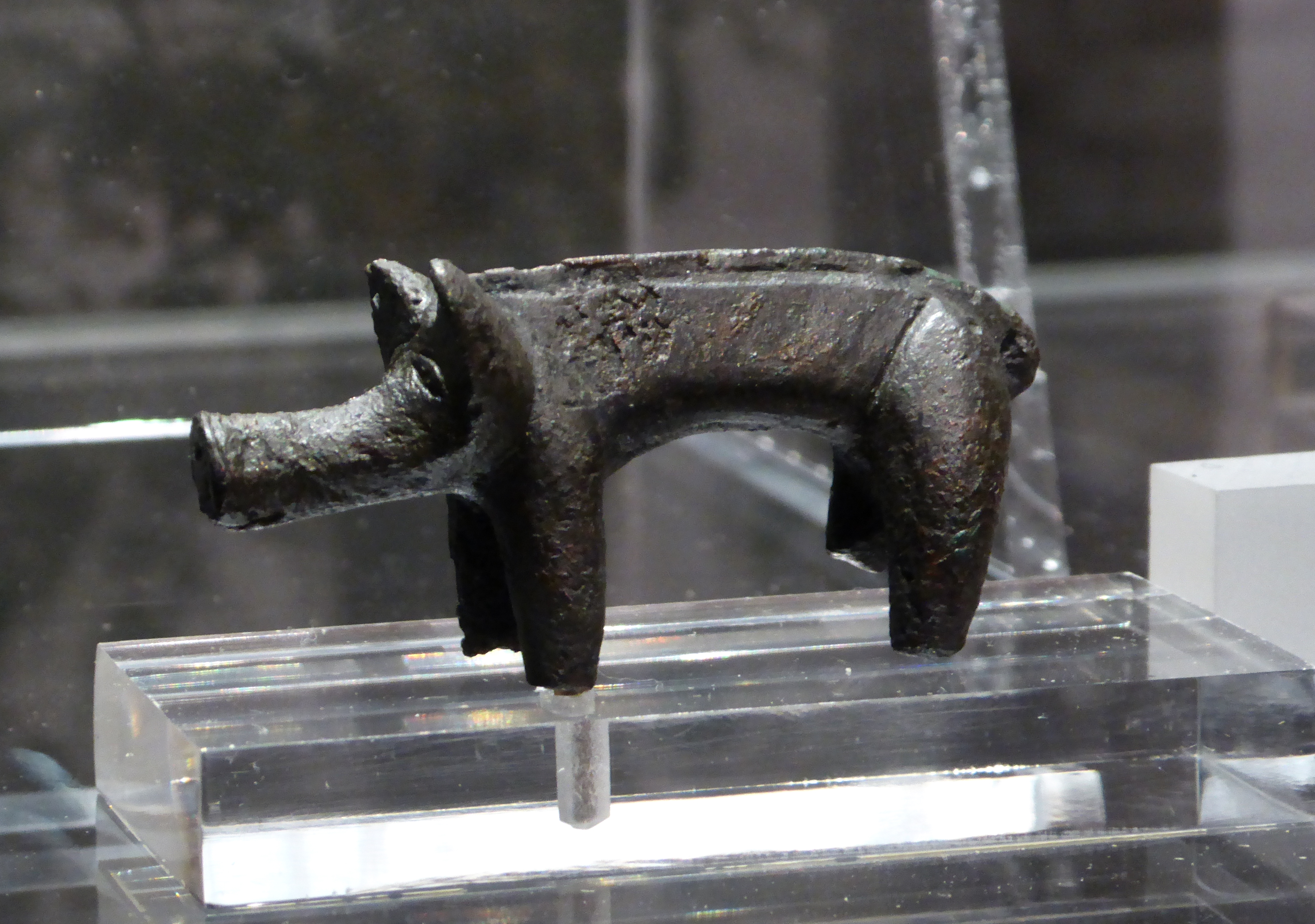
The boar was also a bridge to the Otherworld, chaotic and dangerous, embodying both death and transformation. In other stories, it represented abundance and hospitality — the choicest cut of pork, the “champion’s portion,” could spark fierce quarrels at feasts. To eat the boar was to take on its spirit, and to share it was to affirm community and honor.
Life of the Warrior
The Celts are remembered as warriors above all, and food was central even here. Warriors who distinguished themselves might be awarded the best cuts at feasts, reinforcing their status. These meals were as much about identity and storytelling as they were about nourishment.
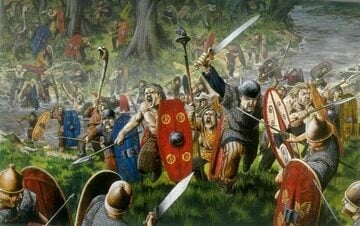
Archaeological finds suggest that after battle or during festivals, pork, ale, and mead flowed freely. Imagine smoky fires, rib bones scattered on the ground, and warriors with lime-stiffened hair recounting victories while drinking from great communal vessels. Eating like a warrior wasn’t just about the food — it was about stepping into a world where bravery, kinship, and feasting were inseparable.
My Take on the Ribs
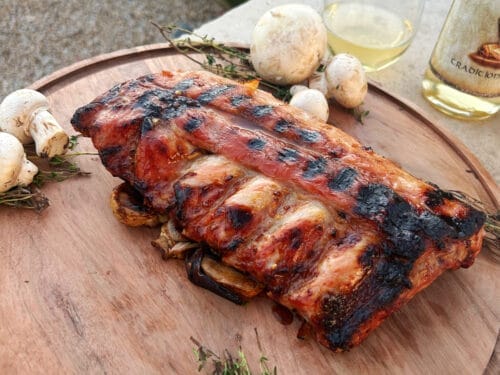
I grilled the ribs after a long marinade, brushing them with honey and mead as they cooked. The result was smoky and sticky, with sweetness from the honey balanced by the bite of mustard and garlic. It felt rustic, primal even, the kind of food you could picture being torn apart by hand around a fire-lit hall.
I’d give it a 9.1/10. Not delicate, not refined, but deeply satisfying, bold, and evocative of a time when food carried weight far beyond the table.
If you’re enjoying my work, check out Eats History Shop for my e-cookbooks!
Honey Garlic Glazed Celtic Ribs Recipe
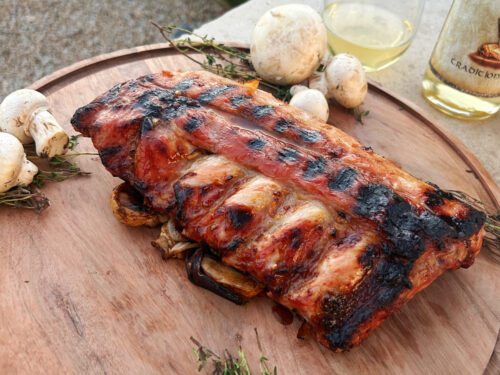
Celtic Honey Garlic Ribs

Don’t lose this one.
I’ll email it to you so it’s waiting when you’re ready to cook.
Ingredients
Instructions
Notes
- Mead or Ale – Not essential, but it adds a historically authentic flavor. If you don’t have mead, a splash of beer or even apple cider works beautifully.
- Wild Garlic – If you can’t find wild garlic, regular garlic cloves are fine. For a closer Celtic feel, try roasting the garlic first for a softer, earthier flavor.
- Cooking Method – The Celts would have roasted their meat over open flames. Grilling is the closest modern method, but you can also slow roast in the oven at 300°F for 2–3 hours if you don’t have a grill.