
When you think of King Henry VIII, you might picture the imposing figure from his portraits — broad-shouldered, richly dressed, and staring down the viewer with a look that says he gets exactly what he wants. Most remember him for his six wives, his break from the Catholic Church, and his outsized influence on English politics.
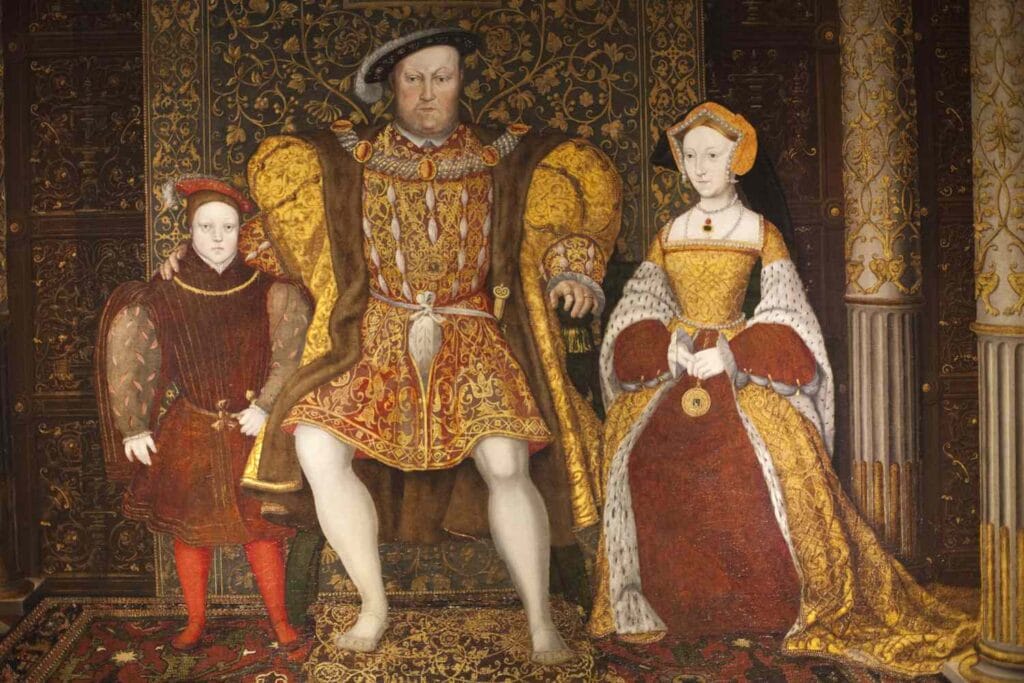
But beneath the layers of velvet and gold, Henry was also a man of enormous appetites, especially when it came to food. His table was as much a stage for royal power as it was a place for dining, and among the many dishes he enjoyed, one stands out for its novelty: jelly hippocras.
This spiced wine gelatin might sound unusual to us today, but in Henry’s world, it was a statement piece. The blend of exotic spices, sweetened wine, and shimmering presentation made it both a dessert and a conversation starter. I decided to recreate it in my kitchen, shaping it into a castle for maximum Tudor drama. The result? Historically fascinating, visually impressive, and… honestly, a bit like a very large, spicy jello shot.
Henry VIII’s Appetite for Power and Food
Henry VIII’s reign was marked by extravagance, and nowhere was that more visible than at his table. The kitchens of Hampton Court Palace were an operation of staggering scale, staffed by over two hundred cooks, bakers, and butchers. Feeding the king and his court required a near-constant supply of roasted meats, freshly baked breads, and elaborate desserts.
Next week
I cook these before I write them. Some of it never makes the post.
The failures, the source documents, the version that actually tasted good. That part goes out by email, and next week’s is already on the stove.
 Written and cooked by Donnie
It is estimated that Henry could consume upwards of 5,000 calories in a day, particularly in his later years. Feasts were often multi-course affairs, with whole swans, venison pies, gilded sugar sculptures, and intricate pastries making appearances. The sheer volume and richness of the food reflected not only his personal tastes but also his desire to project wealth, stability, and dominance to visiting nobles and ambassadors.
Dining Alone: The Tudor Version of Eating with Entertainment
While banquets in the great hall were a staple of court life, Henry often preferred to dine alone in his private chambers. In Tudor culture, this was not considered antisocial — it was a mark of royal privilege. Most nobles dined publicly to reinforce their status; Henry was so secure in his authority that he could choose privacy.
This solitary dining was rarely silent. Musicians played softly in the background, jesters performed, or storytellers recited tales. It was the 1500s equivalent of someone today refusing to eat without a YouTube video or Netflix show playing in the background. Except instead of an algorithm, Henry had live entertainment tailored just for him.
Hippocras: A Drink Turned Dessert
Hippocras was a popular drink across Europe from the medieval period into the Renaissance. Made by steeping wine with spices like cinnamon, ginger, nutmeg, and cloves, then sweetening it with sugar, it was often served at the end of a meal as a digestive aid. The name comes from the “Hippocratic sleeve,” a cloth filter used to strain the wine.
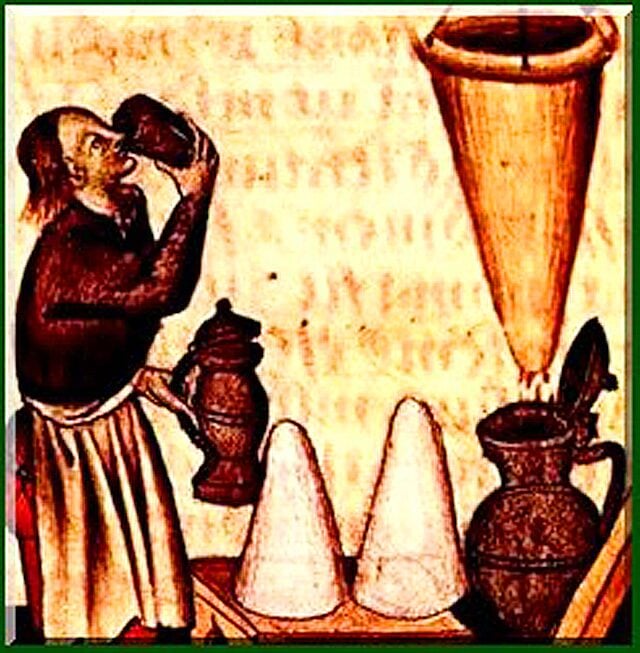
Henry’s cooks took this concept a step further. By setting the spiced wine with gelatin — made in those days from boiled animal collagen — they transformed the drink into a molded dessert. Served in elaborate shapes such as Tudor roses, hunting dogs, or miniature castles, jelly hippocras became both a treat and a display of culinary artistry.
Exotic Ingredients and Tudor Trade
The spices in hippocras were imported at great expense, arriving through complex trade networks from Asia, the Middle East, and North Africa. Cinnamon might come from Ceylon, nutmeg from the Banda Islands, and cloves from the Moluccas. These flavors were rare enough to be almost intoxicating to European palates, reserved for the wealthy elite.
Using them in something as whimsical as jelly hippocras was a statement in itself. It was as if Henry were saying, “I have access to the finest goods in the world, and I can afford to use them however I please — even in a wobbly dessert.”
My Attempt at the Royal Jelly
In my recreation, I swapped the traditional gelatin leaves for modern powdered gelatin for ease, but kept the spice mix authentic. I poured the deep red liquid into a castle mold, letting it set overnight. The finished product looked stunning: a ruby-red fortress, gleaming under the light.
The taste, however, was… unexpected. The warm spice blend clashed slightly with the cold, firm texture of the gelatin. It was sweet, boozy, and oddly warming at the same time. If you’ve ever imagined a holiday mulled wine turning into jello, you’re on the right track. I’d give it a 5.7 out of 10 — not something I’d make for dessert guests, but an absolute win for historical curiosity. Paired with tea or coffee, it earns points for novelty alone.
If you’re enjoying my recipes, check out Eats History Shop!
Recipe: Jelly Hippocras (Tudor Spiced Wine Jelly)
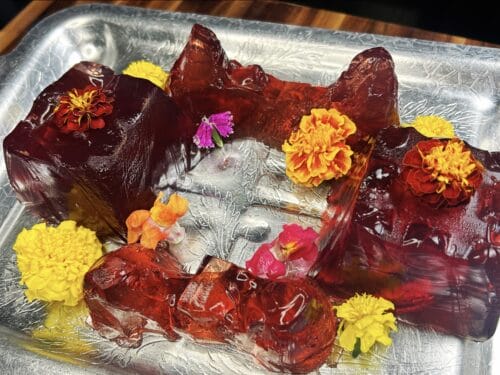
Jelly Hippocras

Don’t lose this one.
I’ll email it to you so it’s waiting when you’re ready to cook.