The romantic image of pirate feasts stacked with roast meat and overflowing rum barrels is mostly fiction. In reality, pirates ate almost exactly what every sailor ate during the late seventeenth and early eighteenth centuries. Their diet mirrored that of naval and merchant crews, shaped by logistics rather than pleasure. Food needed to survive heat, humidity, long storage, and months without resupply.
If you’re enjoying my content, check out my e-cookbooks at the Eats History Shop!
Written evidence from the period consistently reinforces this. Naval provisioning records from the late 1600s show rations dominated by ship’s biscuit, dried peas, and salted meat. William Dampier, writing in A New Voyage Round the World in 1697, describes pirate life as nutritionally repetitive, with food valued for durability rather than enjoyment. Pirates did not eat differently because they were pirates. They ate differently only when circumstance allowed.
This post recreates a full day of pirate eating using foods that appear repeatedly in period accounts. It represents both the grim daily reality and the rare celebratory meals that followed successful captures or access to fresh provisions. This is not fantasy cooking. It is survival history.
Ship/Sea Biscuit: The Backbone of Pirate Life
Hardtack, also called ship’s biscuit or sea biscuit, was the single most important food aboard early modern ships. It consisted of flour and water, sometimes salt, baked multiple times until all moisture was removed. The result was a biscuit designed to last years, not to be pleasant.

Contemporary sources are blunt about its hardness. Benjamin Franklin, writing in the mid eighteenth century, warned travelers that ship’s biscuit was too hard for some teeth and advised soaking it before consumption. Earlier maritime manuals echo the same advice. Biscuit was rarely eaten dry. It was dunked in water, grog, or broth to avoid broken teeth.
Infestation was common and well documented. Gottlieb Mittelberger, describing his 1750 Atlantic crossing, wrote that ship’s biscuits were often so full of worms that sailors had to knock insects out before eating. Other accounts suggest many sailors simply accepted the extra protein. This was not negligence. It was the reality of long term storage in wooden barrels.
Ship’s biscuit was not food meant to be enjoyed. It was food meant to exist. Pirates relied on it because nothing else lasted as long.
Grog: Diluted Rum and Control
Although grog was officially mandated in the Royal Navy in 1740 under Admiral Edward Vernon, sailors and pirates were diluting rum long before that date. Earlier accounts from the Caribbean describe watered rum mixtures used to preserve drinking water and moderate intoxication.
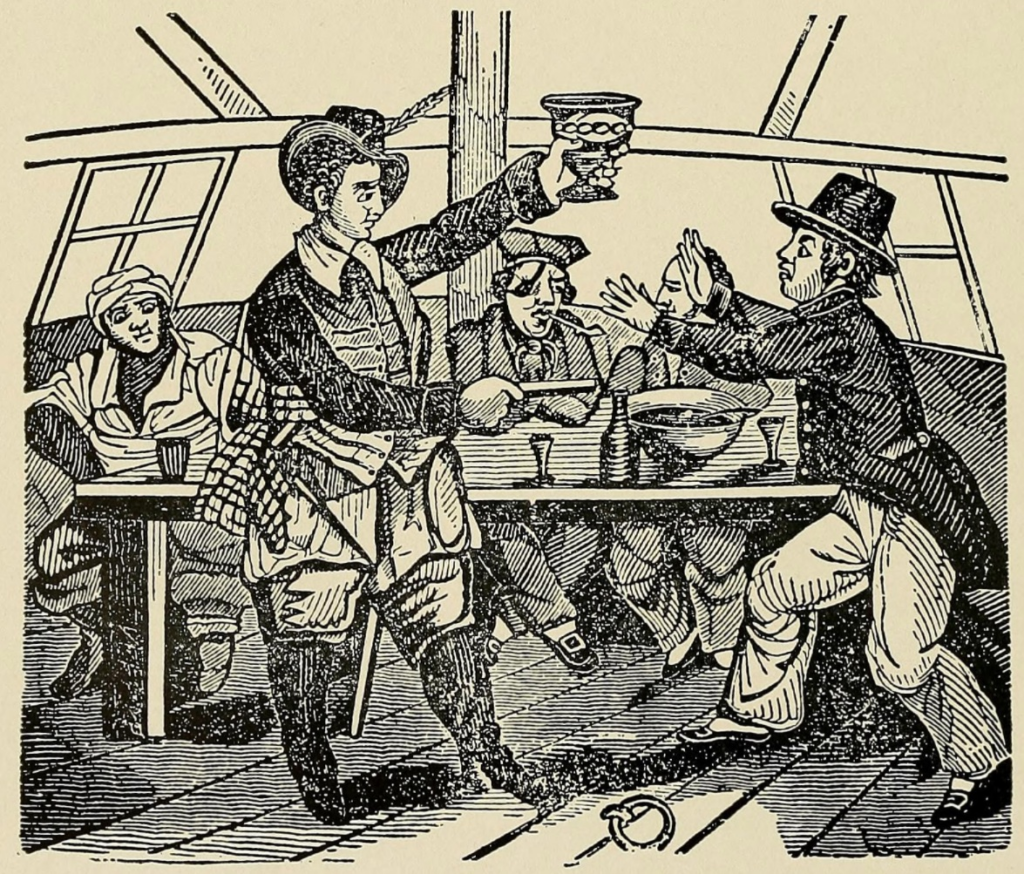
William Dampier notes the frequent mixing of rum with water and citrus among buccaneers in the late seventeenth century. Water stored in barrels spoiled quickly. Rum did not. Dilution extended supplies and made water safer to drink. Citrus, when available, improved taste and health.
Grog was not a constant drunken indulgence. It was a regulated beverage, rationed and consumed throughout the day. Pirates drank often, but rarely straight. Dilution was practical, not moral.
Pease Porridge: The Real Daily Meal
Pease porridge was one of the most common foods in England and its colonies from the medieval period through the eighteenth century. Made from dried peas boiled until broken down, it was cheap, filling, and endlessly adaptable.
Gervase Markham, writing in The English Housewife in the early 1600s, describes pease pottage as a foundational household food. Naval provisioning lists from the seventeenth century show dried peas issued alongside biscuit and salted meat. Samuel Pepys, in his diary entries from the 1660s, mentions peas repeatedly as standard fare aboard ships.
The famous rhyme about pease porridge sitting in the pot for nine days reflects real practice. On board ship, porridge was cooked once and reheated repeatedly. As water evaporated, it thickened. When water was scarce, it became dense and paste like. Still, it remained edible.
Pease porridge was not exciting, but it was dependable. That mattered more than flavor.
Salt Pork: Fat, Salt, and Survival
Salt pork was one of the few meats capable of surviving long sea voyages. Pork was heavily salted, cured, and packed in barrels of brine. By modern standards, it was extremely salty and often rancid.
William Dampier describes salted meat as strong and unpleasant, yet essential. Sailors routinely boiled pork multiple times to leach out salt before eating. Even then, it remained tough and greasy. Yet fat was prized. Rendered grease was often poured directly into peas or over biscuit.
Salt pork was rarely eaten alone. It was chopped and stirred into pease porridge or used to flavor stews. Nothing was wasted. Every calorie mattered.
Salamagundi: A Pirate Feast
Salmagundi was not everyday food. It was a celebration dish. A cold, assembled meal made from whatever ingredients were available after a successful capture or landfall.
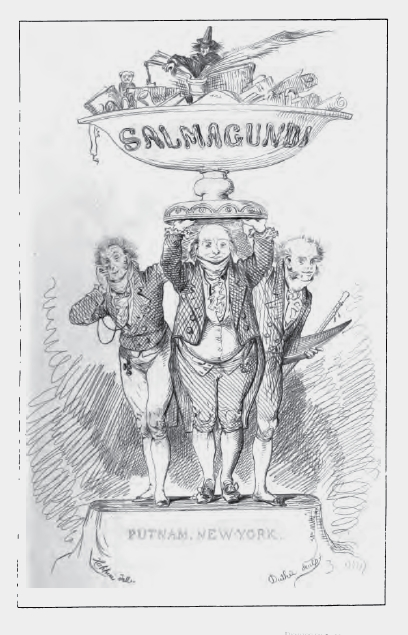
The structure of salamagundi appears clearly in pirate era writing. William Dampier describes communal meals of chopped meat, onions, citrus, oil, and vinegar among buccaneers. By the early eighteenth century, English dictionaries define salmagundi as a medley or hotchpotch, reflecting its culinary and cultural meaning.
Unlike biscuit and porridge, salamagundi was about variety. Acid, salt, fat, and fresh herbs combined into something bright and sharp. It required no cooking fuel and could be eaten cold. Most importantly, it was shared from a common dish, reinforcing pirate egalitarianism.
For pirates, salamagundi was not luxury food. It was morale food.
The Honest Review: How Did It Taste?
In reality, pirates spent roughly ninety percent of their time eating biscuits and porridge. This recreated day represents a rare feast rather than daily life.
The pease porridge genuinely surprised me. Paired with salt pork, it had a deep, satisfying flavor. Simple, but effective. Salamagundi felt like a salad’s older, more rustic cousin. Bright, salty, and communal. Easily the best part of the day.

The sea biscuits were outright unpleasant. Even soaked, they were dry, dense, and joyless. There is no romance there. Only endurance.
Taken as a whole, this full day of pirate eating earns a 5.7/10. Not terrible. Occasionally enjoyable. Mostly repetitive. Historically honest.
Follow for more historical cooking.
Recipes: A Full Day of Pirate Eating
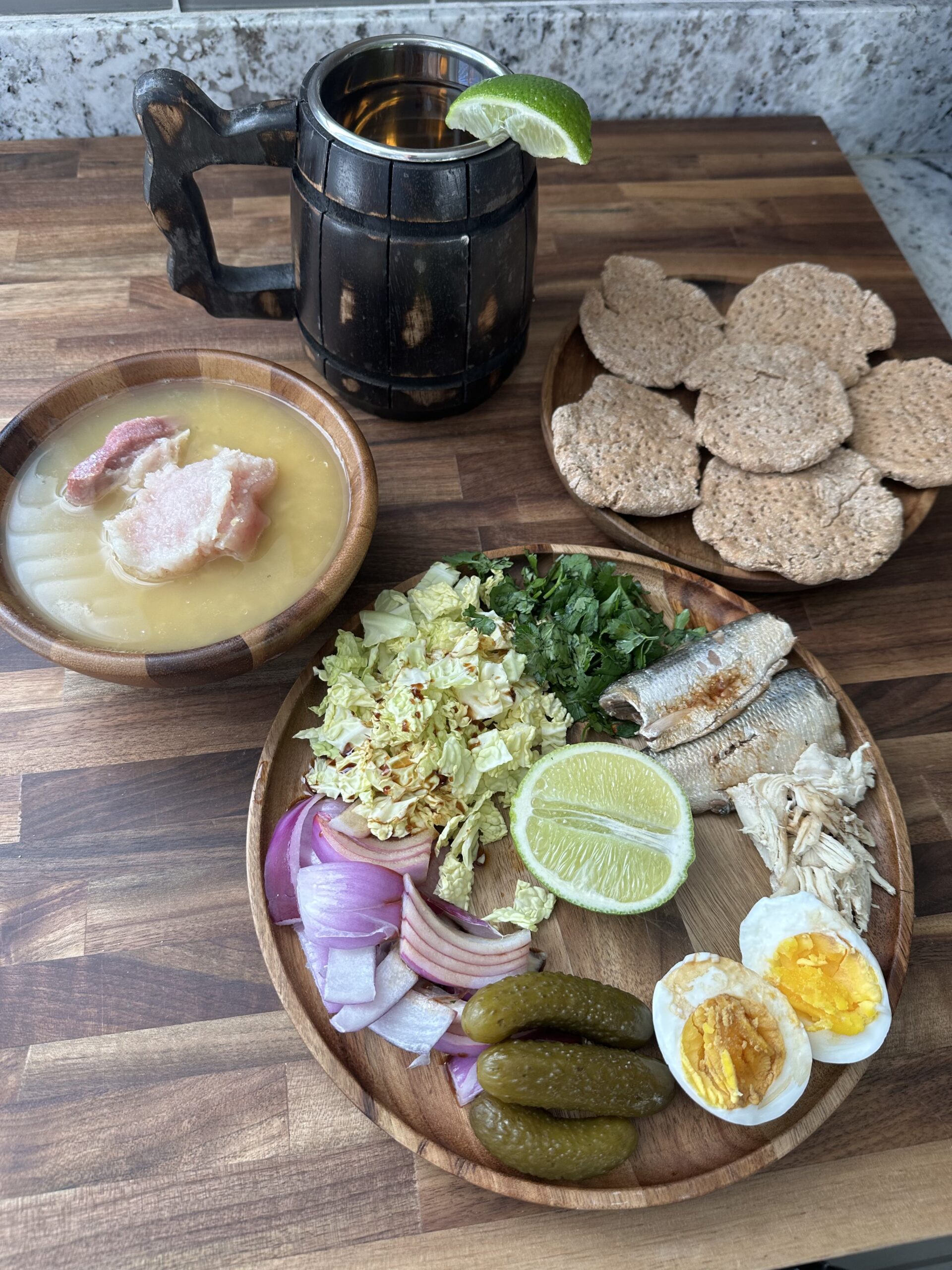
A Full Day of Pirate Eating
Ingredients
Grains and Dry Goods
- 2 cups coarse wheat flour or all purpose flour
- 1 cup dried red split peas
Meat and Protein
- ½ pound salt pork
- Cooked salt beef pork, or poultry for salamagundi
- Hard boiled eggs
Liquids
- Dark rum
- Water
Pickled and Preserved
- Pickled onions or cabbage
- Olives or capers
- Anchovies or salted fish
Herbs and Seasonings
- Salt
- Black pepper
- Fresh herbs such as parsley or chives
Acids and Fats
- Vinegar
- Oil
- Optional citrus juice
- Optional sugar
Instructions
Prepare the Hardtack
- Mix flour and salt in a bowl. Add water gradually until a stiff, dry dough forms. Roll to about ½ inch thickness, cut into shapes, and dock heavily with a fork. Bake at 375°F for 30 minutes. Cool completely, then return to a 250°F oven for 1 to 2 hours until fully dried and rock hard.
Make the Grog
- Mix one part dark rum with three to four parts water. Add citrus juice or sugar only if available. Drink diluted.
Cook the Pease Porridge
- Rinse peas and boil with water for 1½ to 2 hours until broken down and thick. Salt generously. Keep thick and hearty.
Prepare the Salt Pork
- Rinse briefly to remove surface salt. Boil in fresh water for 30 to 45 minutes. Chop and stir into pease porridge or serve alongside.
Assemble the Salamagundi
- Chop meats, eggs, pickles, and herbs. Arrange on a platter. Drizzle with vinegar and oil. Season with pepper and herbs. Serve cold and communal.
Video
Notes
- Dip your sea biscuits in your grog or soup; without a liquid, these crackers are jaw-breakers.
- Salamagundi is more of a dish construct than a specific recipe, feel free to add any other salad toppings you prefer.