When you picture the life of an emperor, you probably imagine golden banquets, decadent feasts, and tables groaning under the weight of luxury. But Marcus Aurelius, Rome’s philosopher-king, lived very differently. He was a man who believed that indulgence corrupted both the body and the soul, and his writings in Meditations show us a ruler who stripped life down to its bare essentials.
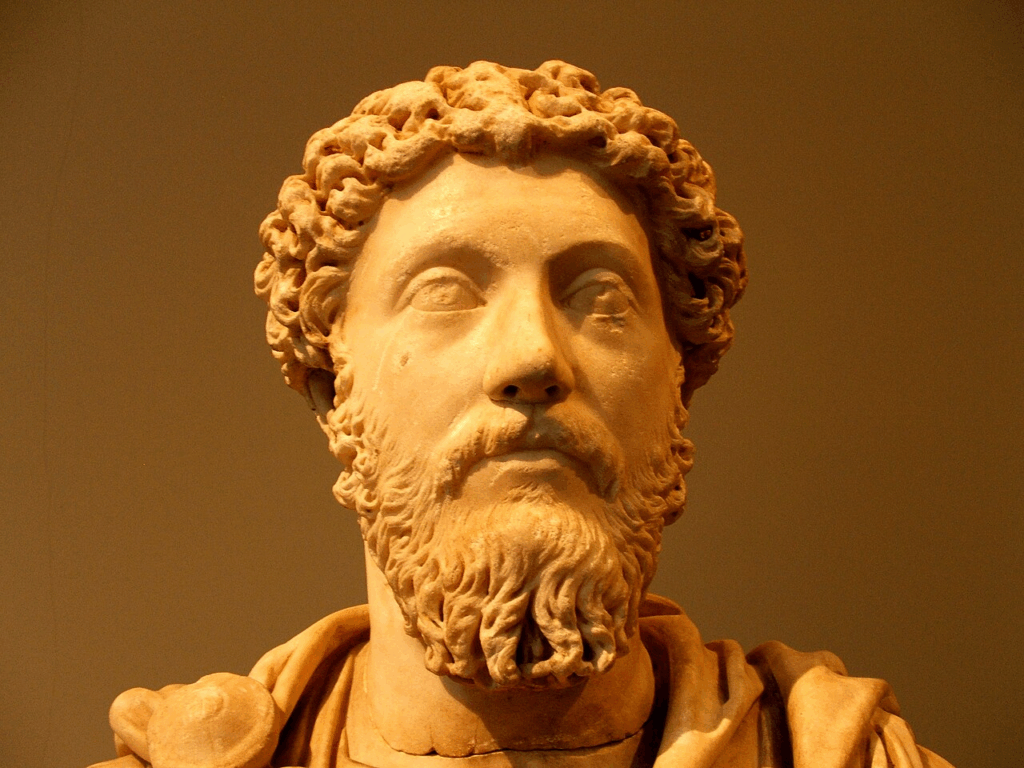
He reminded himself that luxuries are only illusions, writing: “Like seeing roasted meat and other dishes in front of you and suddenly realizing: This is a dead fish. A dead bird. A dead pig. Or that this noble vintage is just grape juice, and the purple robes are sheep wool dyed with shellfish blood.” For Marcus, simplicity was not deprivation—it was clarity.
Marcus Aurelius and the Stoic Table
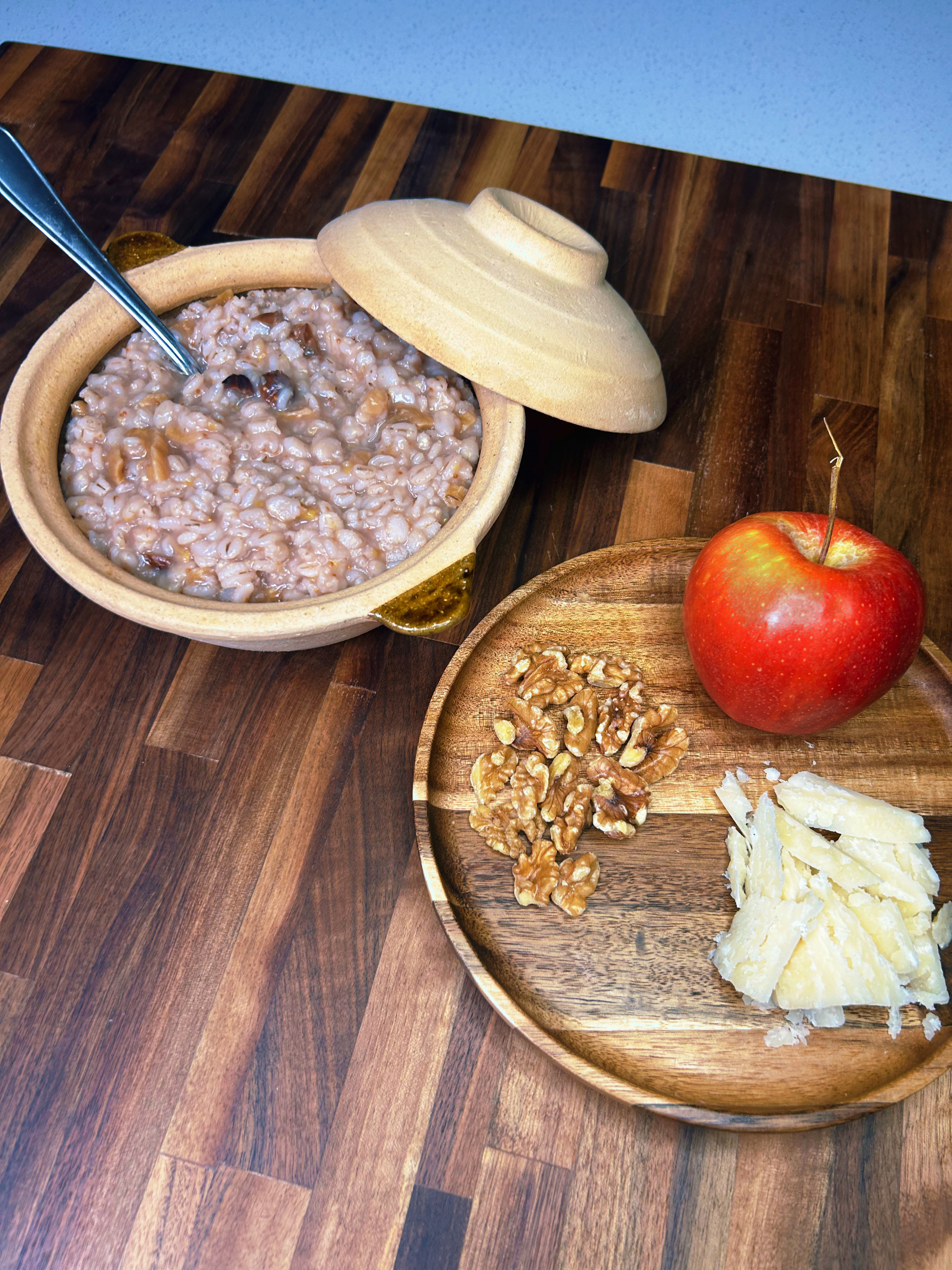
Marcus Aurelius was a lifelong Stoic, and this philosophy shaped every aspect of his life, including what he ate. Food was never about indulgence for him, but rather nourishment and discipline. During his long campaigns along the Germanic frontiers, he ate the same rations as his soldiers: barley porridge, a bit of cheese, some nuts, and seasonal fruit like apples.
This diet reflected both practicality and philosophy. In his view, eating simply was a way to focus the mind and body on duty rather than desire.
A Life of Hardship and Reflection
The remarkable thing about Marcus is that he lived his philosophy during one of the most challenging reigns in Roman history. He faced the Antonine Plague, which devastated the empire, constant wars along its borders, and even betrayal from within.
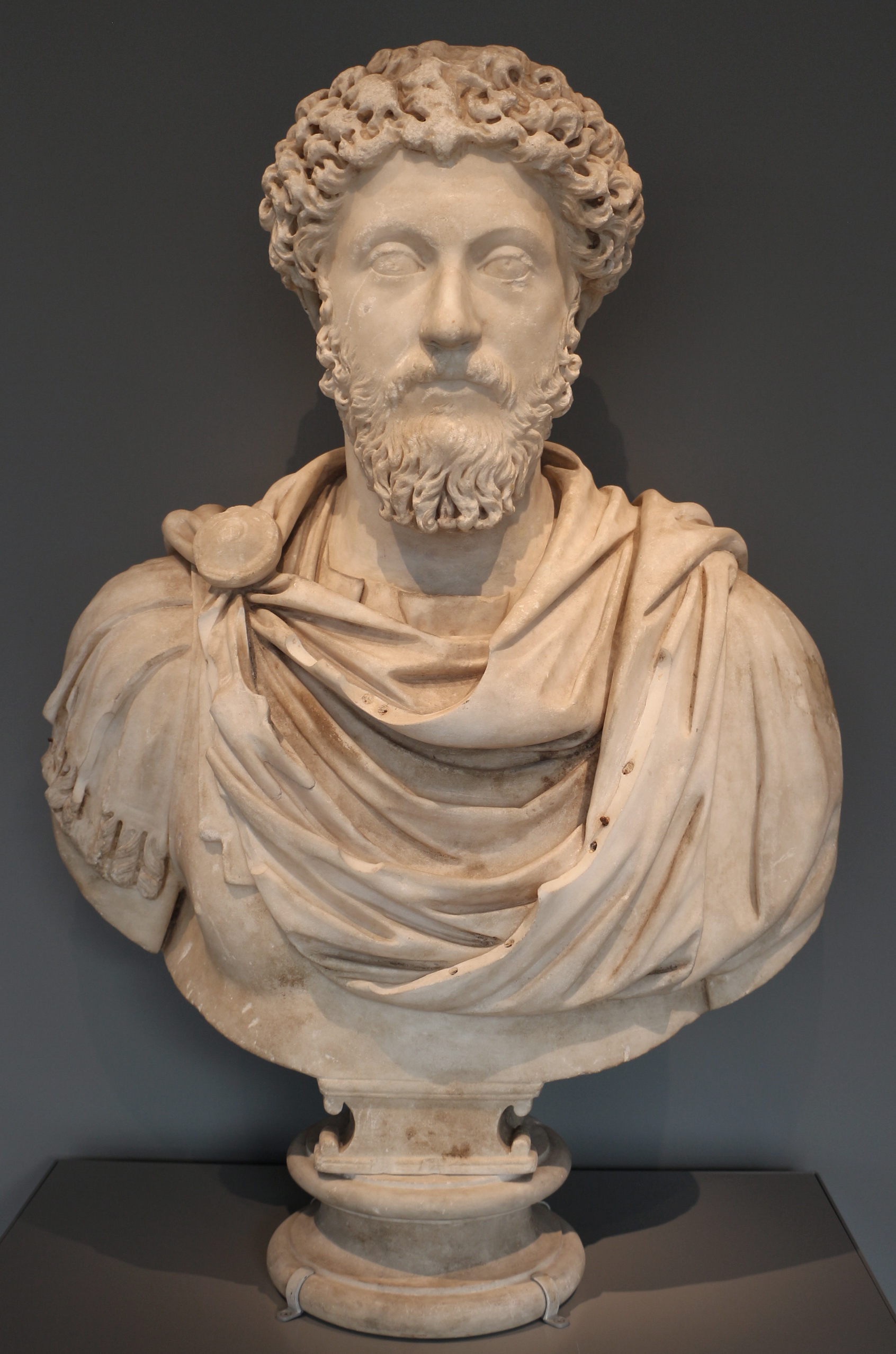
His personal life was marked by poor health and the loss of many close to him. And yet, instead of letting these burdens break him, Marcus turned them into opportunities for reflection. He accepted suffering as part of life, reminding himself that while he could not control the world, he could always control how he responded to it.
The Absurdity of Luxury
Marcus Aurelius was never impressed by excess. His reflections strip away the glamour from the world’s pleasures to show their true form: expensive wine is just fermented grape juice, purple robes are just dyed wool, and delicacies are only animal flesh.
By breaking down luxuries to their simplest terms, he freed himself from their hold. This worldview extended to the table. While others feasted, Marcus embraced meals that were plain, even austere. His food was fuel, nothing more, and he believed this kept his mind sharp and his body steady for the trials of leadership.
Why This Matters Today
Looking around at the world today, it is hard not to wish for leaders with Marcus’ sense of virtue and restraint. Philosopher-kings are rare in history, and Marcus Aurelius may have been the last true one. His example reminds us that simplicity, integrity, and duty are far greater markers of strength than any display of luxury. Even something as simple as a bowl of porridge becomes profound when it reflects a life lived with clarity.
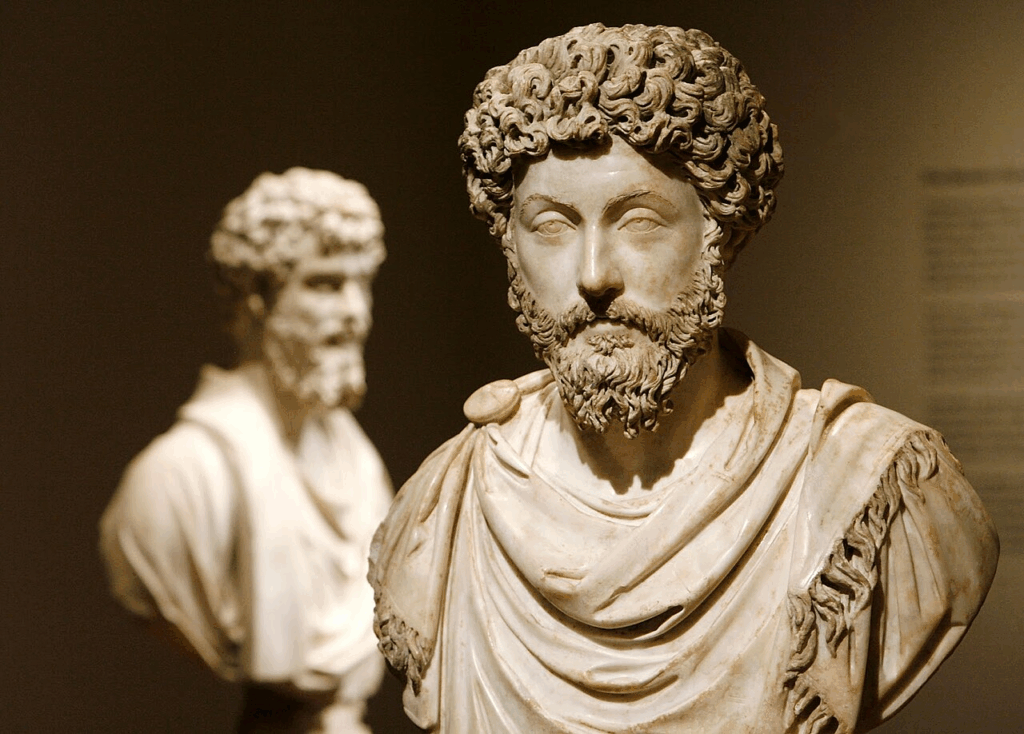
Eating Like Marcus Aurelius
To eat as Marcus Aurelius might have, we turn to Apicius, the Roman recipe collection that includes variations of pultes—a barley porridge flavored with wine. The recipe below is inspired by Pultes Œnococti, a sweetened porridge that Marcus could have eaten on campaign, paired with cheese, nuts, and fruit. It is simple, filling, and grounding, much like the man himself.
If you’re enjoying my content, check out Eats History shop!
Recipe: Pultes Œnococti with Roman Rations
Pultes Œnococti
Ingredients
- 1 cup pearl barley
- 4 cups water or light broth if you prefer
- ½ teaspoon salt
- ½ cup sweet red wine like a Roman mulsum substitute, or a light dessert wine such as Moscato or Lambrusco
- Optional: 2–3 dried figs or dates chopped (to stand in as “dainty morsels”)
- Side: 1 apple
- Side: small wedge of sheep or goat cheese
- Side: handful of walnuts
Instructions
- Rinse the pearl barley thoroughly, then add to a pot with 4 cups of water and the salt.
- Simmer gently for 40–50 minutes, stirring occasionally, until the barley is soft and porridge-like.
- Stir in the sweet wine near the end of cooking and add chopped figs or dates if using.
- Serve warm, with an apple, cheese, and walnuts on the side to complete the plate.
Video
Notes
- Barley Texture – Soaking the pearl barley overnight helps it cook faster and gives a creamier porridge consistency.
- Sweet Wine Choice – Romans used mulsum (wine mixed with honey). A light dessert wine like Moscato, Lambrusco, or even grape juice with a drizzle of honey makes a good substitute.
- Authenticity vs. Modern Palate – The dish is plain by design. Adding figs or dates can give it a richer flavor while still staying historically appropriate.