Rice pudding might sound simple, but in India, it is one of the oldest desserts still prepared today. Known as kheer in the north and payasam in the south, this dish has been part of Indian culture for thousands of years.
It has been a sacred offering in temples, a royal indulgence, and a comfort food for everyday families. When I recreated it in my kitchen, I quickly realized why it has endured so long.
If you’re enjoying my recipes, the entire Eats History shop is now 40% Off!
Ancient Origins of Kheer
The story of kheer stretches back to the Vedic period, over two millennia ago. Ancient texts mention rice boiled in milk and sweetened with honey as part of ritual meals. These dishes were more than nourishment; they were offerings to the gods, symbolizing prosperity, fertility, and divine blessings. Archaeological evidence also supports rice and milk as dietary staples in early India, and combining them with sweetness created a dish with spiritual significance.

Kheer became especially important in ritual contexts. It was often offered during religious ceremonies, then distributed as prasada, the sacred food that carried spiritual merit. This ritual role is part of why it has survived for so many centuries, as Kheer was not just food, but it was devotion in edible form.
Kheer in Early Cookbooks
The endurance of kheer is confirmed in early culinary texts. Recipes resembling sweet milk-rice appear in Sanskrit treatises tied to Ayurveda, where food was often described in terms of its effect on health and balance.
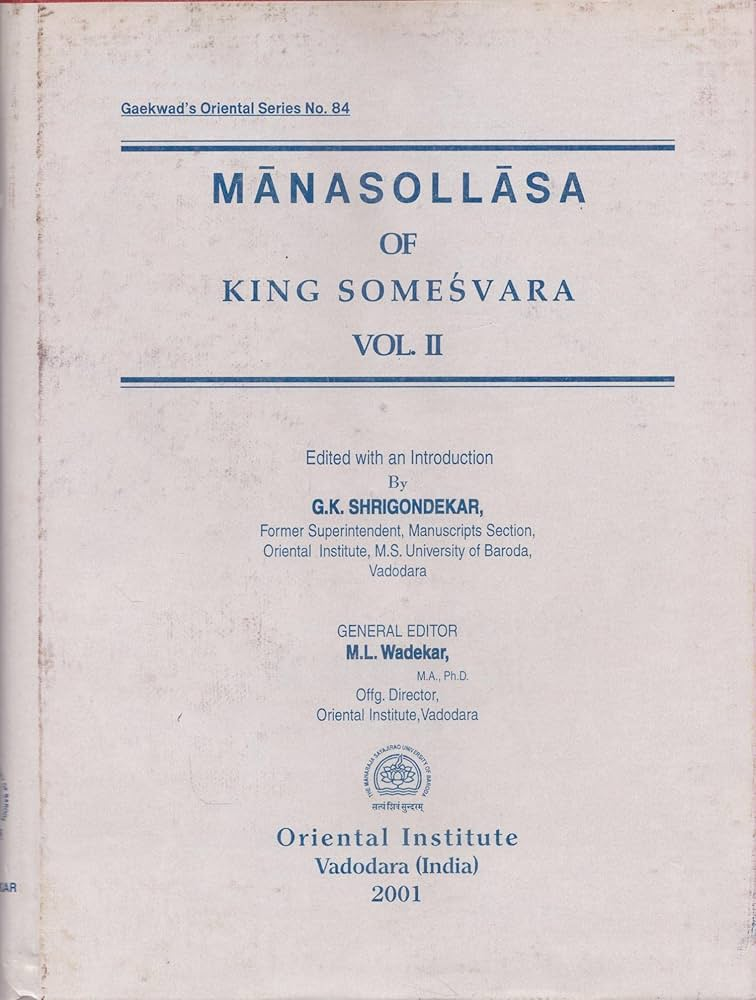
By the 12th century, cookbooks like the Manasollasa, compiled under King Someshvara III of the Chalukya dynasty, included detailed recipes for milk-and-rice puddings flavored with cardamom and saffron. These texts show that kheer was both common in daily life and celebrated in royal kitchens, marking it as a dish that bridged social classes.
Later, during the Mughal period, the recipe evolved into richer versions with dried fruits, saffron, and nuts — ingredients introduced by Persian influence. The royal kitchens elevated kheer into a dish of luxury, but its basic essence remained the same: rice slowly cooked in milk until thick and creamy.
Spiritual and Cultural Significance
Kheer also became deeply tied to spirituality and folklore. In Hindu traditions, rice and milk were considered pure and auspicious, often prepared for offerings to deities. Stories connect the dish to Krishna, who delighted in milk-based sweets, and to temple rituals where kheer was essential. In South India, payasam is still central to feasts such as Onam, weddings, and temple festivals.
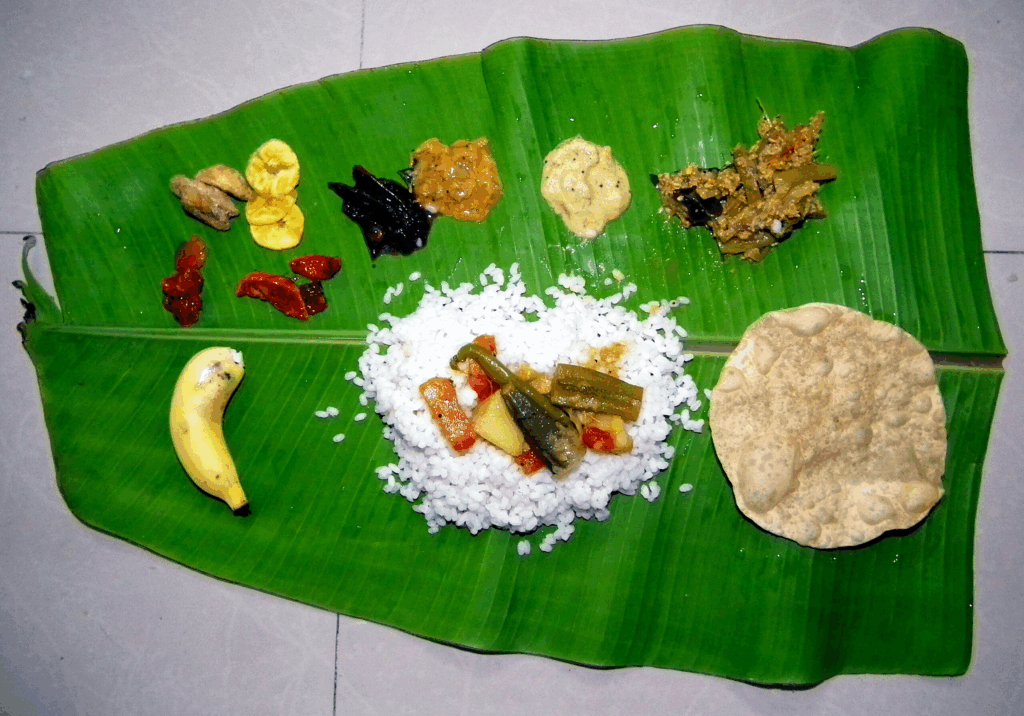
The dish also carried symbolic meaning. Its sweetness was said to reflect the blessings of the divine, while the grains of rice represented fertility and abundance. Eating or serving kheer was therefore not only about enjoyment but about marking sacred and celebratory moments in life.
Regional Variations Across India
What makes kheer even more remarkable is how it spread and transformed across regions while keeping its core identity. In Bengal, it is enriched with date-palm jaggery, giving it a smoky caramel depth.
In the south, coconut milk often replaces dairy, creating a tropical richness. Some versions are thin and soupy, while others are thick and custard-like. Despite these variations, every version is instantly recognizable as kheer — a dish that ties together India’s regional diversity.
My Recreation of Kheer
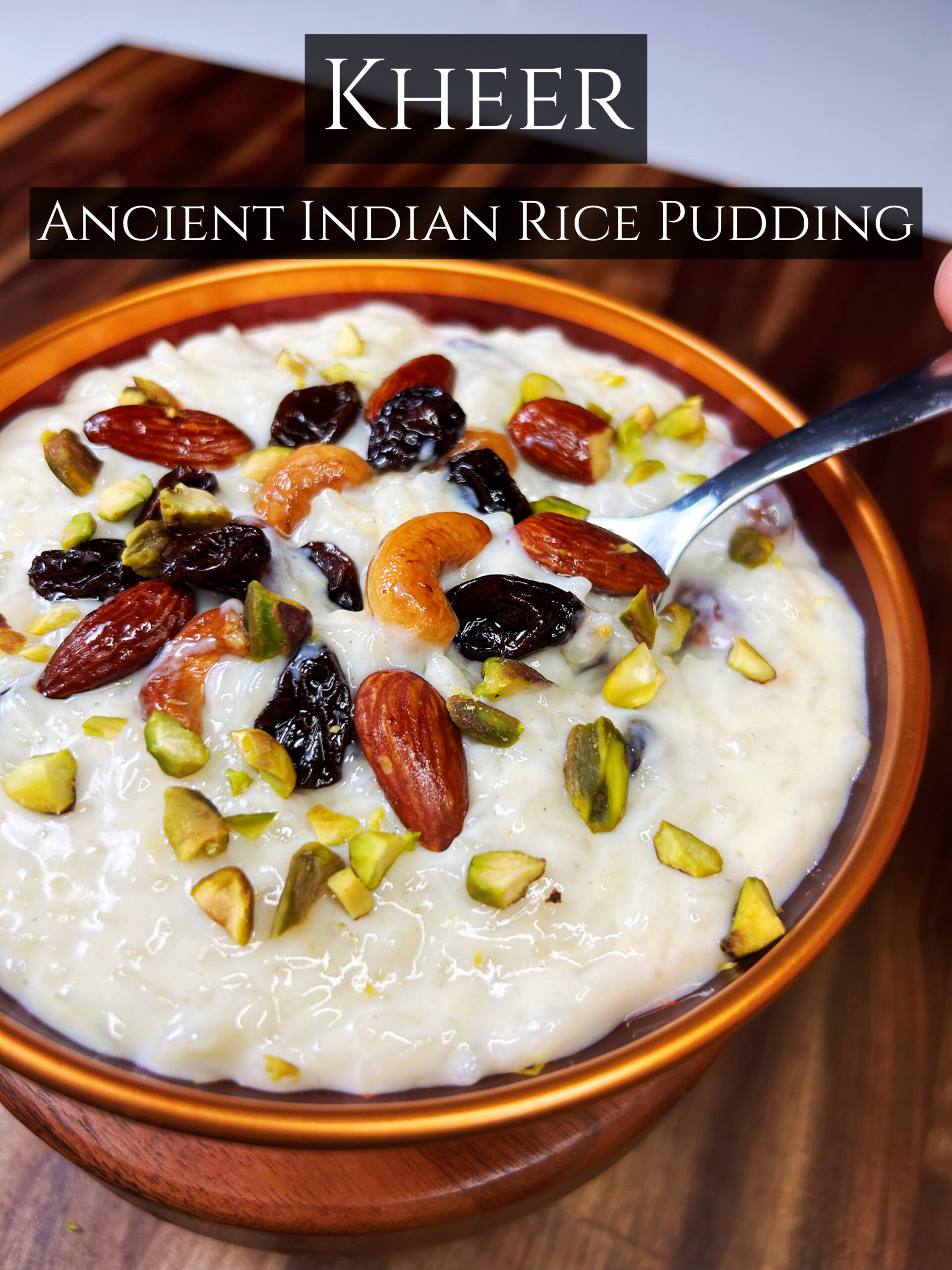
For my version, I toasted cashews, almonds, and raisins in ghee until fragrant and golden. In the same pot, I simmered milk with rice until it thickened into a creamy base. I sweetened it with jaggery, added saffron strands for that royal golden hue, and crushed cardamom pods for their floral spice. Once the pudding reached the right consistency, I topped it with the toasted nuts and raisins.
The result was pure comfort. Each spoonful was rich, aromatic, and balanced — the crunch of nuts, the sweetness of jaggery, the perfume of saffron and cardamom. It’s easy to see how this dish could feel sacred, indulgent, and homely all at once. For me, it earned a 9.4/10, not just for taste, but for how directly it connects you to thousands of years of Indian tradition.
Recipe: Ancient Indian Kheer (Payasam)
Kheer (Payasam)
Ingredients
- ½ cup basmati rice washed and soaked 30 minutes
- 4 cups full-fat milk
- ½ cup jaggery or sugar if unavailable
- 2 tablespoons ghee
- 2 tablespoons cashews
- 2 tablespoons almonds
- 2 tablespoons raisins
- 2 tsp cardamom powder
- 1 pinch saffron strands
Instructions
- Toast nuts & raisins: Heat ghee in a pan. Toast cashews, almonds, and raisins until golden. Remove and set aside.
- Cook the base: In the same pan, add rice and milk. Bring to a gentle boil, then reduce heat and simmer, stirring often, until the rice softens and the mixture thickens.
- Flavor & sweeten: Stir in jaggery, saffron, and cardamom. Continue cooking until fully incorporated and creamy.
- Finish & serve: Top with the toasted nuts and raisins. Serve warm or chilled.
Video
Notes
- Stir frequently to avoid sticking — kheer loves to catch at the bottom of the pan.
- Jaggery adds depth of flavor, but sugar or condensed milk can be substituted.
- Adjust thickness to taste: more milk for a soupier payasam, longer cooking for a thicker kheer.