Some dishes become popular because they are easy. Others survive because they are delicious. Manakish manages to be both, which is why it has remained one of the most iconic breakfasts in Lebanon, Palestine, and Syria for centuries.
If you’re enjoying my recipes, all of my e-cookbooks are currently 40% Off in the Eats History Shop!

It is warm, comforting, and deeply tied to the identity of the Levant, and the most beloved version by far is the classic zaatar manakish. This is the one topped with the aromatic herb blend of zaatar mixed with a generous amount of high quality olive oil to form that silky, fragrant paste everyone knows.
Ancient Roots of Topped Flatbreads
What makes manakish fascinating is how far back this idea of topped flatbread goes. Long before we had the word manakish, ancient civilizations in the Levant were baking thin rounds of dough on clay griddles and stones. These breads were topped with herbs, seeds, oils, and even fruit pastes.
Archaeological sites across the Near East show that this practice goes back thousands of years. Topped breads were part of everyday life for workers, merchants, and travelers. The formula was simple. Bread for nourishment. Olive oil for richness. Herbs for flavor. It worked then, and it still works today.
Medieval Cookbook Evidence
When written cookbooks finally emerged in the medieval Islamic world, versions of manakish appeared in the earliest manuscripts. In the tenth century, Baghdad’s famous cookbook Kitab al Tabikh described a dough topped with thyme and oil.
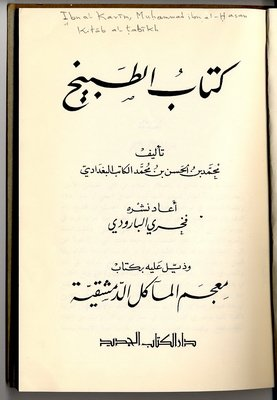
The simplicity of this recipe is striking because it is nearly identical to modern zaatar manakish. Three hundred years later, a Syrian cookbook included recipes for flatbreads brushed with herb spiced olive oil, dusted with cheeses, or drizzled with honey. These manuscripts confirm what tradition already told us. The Levant had been the world expert in topped breads long before the word recipe even existed.
Even the name manakish has a story behind it. It comes from the Arabic root naqasha, meaning to carve or impress patterns. Cooks would press their fingertips into the dough, creating small indentations that help keep the topping in place while baking.
The name literally describes the technique. You press the dough, you add the topping, you bake. That small detail reflects the skill and rhythm of Levantine breadmaking. It is a simple process, but when done well the results are unforgettable.
Manakish in the Ottoman Levant
By the Ottoman era, manakish had become a daily staple throughout the Levant. Women would prepare the dough at home, top it with local zaatar harvested from nearby hills, and take it to the village oven to bake.
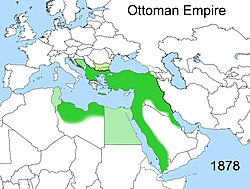
These communal bakeries were central to village life, filling the streets with the smell of fresh bread every morning. The dish evolved, toppings expanded, but zaatar remained the heart of the tradition. In cities like Beirut, Sidon, Damascus, and Jerusalem, manakish became the breakfast of workers, students, and families starting their morning together with hot bread and sweet tea.
A Beloved Modern Tradition
Today, manakish is one of the most loved foods in Lebanon and Palestine. You can find it in busy street corner bakeries, rural village ovens, and family kitchens alike. Everyone has a favorite version, but the classic zaatar manakish remains the champion.
At the same time, sweet variations have always existed in Levantine tradition, including honey, cheese, or nut filled versions. For this post, I made both the savory zaatar manakish and a sweet cheese style using Akkawi, poppyseed, and warm honey. It is a perfect pairing if you want to recreate an authentic Levantine breakfast at home.
My Rating
After making these myself, it is easy to see why the tradition never faded. The combination of soft dough, fragrant toppings, and simple preparation makes manakish a dish that fits every era and every kitchen.
Whether you prefer savory or sweet, manakish proves that the best foods survive not because they are complicated but because they speak to something timeless. I gave it a 9.5 out of 10. It is comforting, flavorful, and a direct link to centuries of Levantine food culture. Serve it with hot tea for that extra touch of authenticity.
Zaatar Manakish + Sweet Cheese Manakish Recipe:
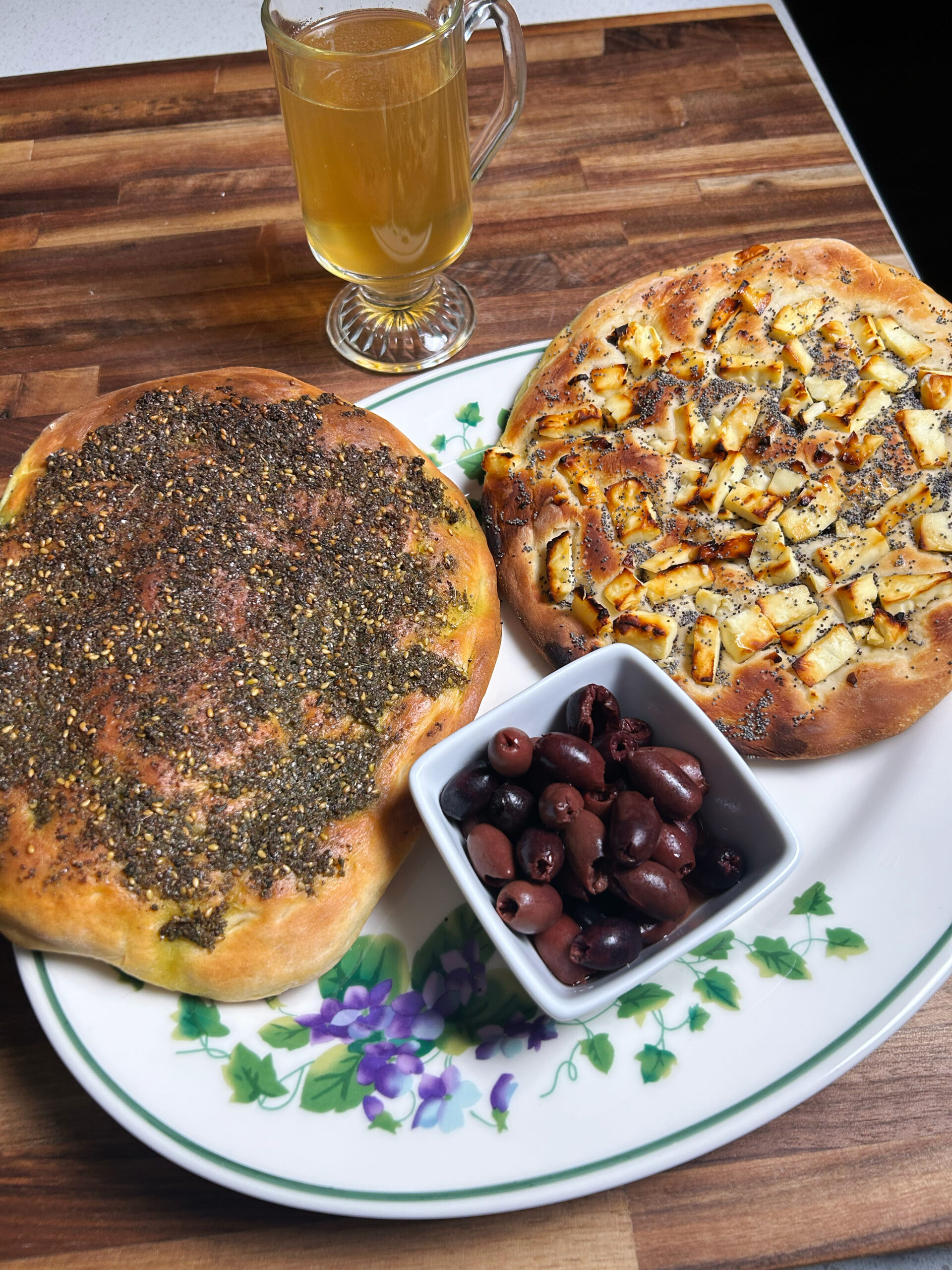
Zaatar Manakish & Sweet Cheese Manakish
Ingredients
For the dough
- 1 packet active dry yeast 2 ¼ tsp
- 1 cup warm milk
- 1 tsp sugar
- 2 cups all purpose flour
- ½ tsp salt
- Olive oil for brushing
- Nonstick spray for the sheet pan
For the zaatar topping
- 3 tbsp zaatar
- 2 –3 tbsp high quality olive oil
- Pinch of salt if needed
For the sweet cheese topping
- ½ cup grated or crumbled Akkawi cheese
- 1 tbsp poppyseeds
- Honey for drizzling
Instructions
Activate the Yeast
- Stir warm milk, sugar, and yeast together in a bowl. Let sit 10 minutes until foamy.
Make the Dough
- Add flour and salt. Knead until smooth, then rest 1 hour.
Shape the Flatbreads
- Divide into two balls. Press into flat rounds on a greased sheet pan and indent with fingertips.
Add the Toppings
- Spread the zaatar paste on one, then top the other with Akkawi, poppyseeds, and honey.
Bake
- Bake at 350°F for 14–18 minutes until lightly golden. Finish with a quick broil for a crispy crust.
Serve
- Enjoy warm with tea for a traditional Levantine experience.
Video
Notes
- Use high quality olive oil for authentic flavor: The zaatar topping depends heavily on the richness of the oil. A peppery, fruity extra virgin olive oil from Palestine, Lebanon, or Syria will elevate the entire flatbread.
- Press the dough with your fingertips before topping: This traditional technique helps the toppings stay in place while baking and gives manakish its signature texture. Light indentations across the dough surface work perfectly.
- Akkawi can be swapped if needed: If you cannot find Akkawi cheese, you can use mozzarella, farmer cheese, or a low moisture feta. Just keep the topping lightly salty and finish with honey for that sweet and savory contrast.