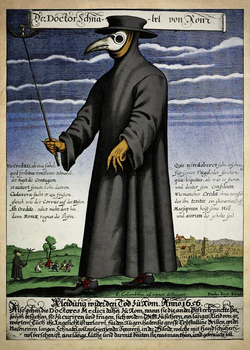
When the Black Death ravaged Europe in the 14th century, medicine was more faith than science. Plague doctors, clad in long leather coats and bird-like masks, wandered from village to village trying to ease the suffering of the dying.
The herbs packed into the beaks of their masks—rosemary, mint, sage, and cloves—were not meant for beauty but for protection. People believed that sickness spread through poisonous air, or miasma, and that pleasant aromas could guard against it. Their treatments were a mix of prayer, superstition, and the few natural remedies they could find.

Among those herbal concoctions was one comforting preparation that endured beyond the plague years: posset. While the name might sound unfamiliar, it was one of England’s most beloved medicinal drinks for centuries. In an age without modern medicine, posset was seen as a warm, healing tonic that could soothe fever, cough, and cold.
If you’re enjoying my recipes, all of my e-cookbooks are currently 40% Off!
The Origins of Posset
Long before it became a dessert, posset was a hot milk drink infused with herbs, spices, and sometimes ale or wine. It was believed to restore warmth and vitality to the sick, its creamy base offering comfort when little else could. Housewives, monks, and physicians alike prescribed it for everything from chills to the plague. It was often made from milk or cream gently heated with honey, ginger, and other household spices, then thickened slightly as it cooled.
One of the earliest written versions comes from Thomas Dawson’s The Good Housewife’s Jewel, published in 1596, where he writes:
“Take a pint of thick cream, and season it with sugar and ginger, and rose water. So stir it as you would then have it make it luke warm in a dish on a chafing dish and coals. And after put it into a silver piece or a bowl, and so serve it to the board.”
It was simple, aromatic, and comforting—the perfect mixture of warmth and sweetness for a patient suffering through fever or plague.
From Medicine to Royal Drink
Posset’s reputation soon spread beyond the sickroom. By the early 17th century, it was served in noble courts as both a delicacy and a cure. In 1620, the Journals of the House of Lords recorded that King Charles I himself was given posset by his physician. It had evolved from a humble remedy to a fashionable drink, served in ornate silver cups and flavored with imported spices. Still, at its core, it remained a drink of comfort. Whether served in a peasant cottage or a royal chamber, it carried the same purpose: warmth, rest, and recovery.
In times of plague, sugar was rare and expensive, so many people sweetened their posset with honey, and added whatever herbs they could find growing nearby—sage for cleansing, rosemary for protection, mint for freshness, and thyme for strength. These ingredients created a drink that smelled of the garden, soothing both the senses and the spirit.
Recreating the “Plague-Era Posset”
When I recreated this recipe, I followed Dawson’s foundation but adapted it closer to what might have been available during the plague years. I replaced sugar with honey and infused the cream with sage, rosemary, mint, ginger, and cinnamon. The result is a warm, herbal milk drink with a gentle sweetness, a little spice, and a fragrance that feels ancient.
The flavor is surprisingly familiar—sweet, rich, and comforting, like a rustic version of eggnog. The herbs give it an earthy depth, and the rose water finishes it with a soft floral aroma. You can imagine it being served from a steaming pot beside a sickbed, or shared among family members trying to stay healthy through a bitter English winter.
In a time when people understood little about disease, drinks like this were both remedy and ritual. They offered something modern medicine often forgets: warmth, comfort, and the reminder that care itself can heal.
Plague-Era Posset with Medicinal Herbs Recipe:

Plague-Era Posset with Medicinal Herbs
Ingredients
- 1 pint ≈ 475 ml heavy cream (or half cream + half milk for lighter version)
- 2 tbsp honey or more to taste
- ½ tsp ground ginger or 1 tsp fresh grated ginger
- ½ tsp ground cinnamon
- 1 tsp rose water
- 1 sprig fresh rosemary or ¼ tsp dried rosemary
- 2 fresh sage leaves or ½ tsp dried sage
- 2 fresh mint leaves
Instructions
- In a bowl, whisk together the cream, honey, ginger, and cinnamon until evenly blended.
- Pour into a small pot over medium heat. Add the rosemary, sage, and mint. Stir gently as the herbs infuse—do not let it boil. Warm until just below simmering, when the mixture is hot and fragrant but not scalded.
- Remove from heat and strain out the herbs. Stir in the rose water.
- Pour into bowls or mugs and let it sit briefly so the surface thickens slightly.
- Serve warm, optionally garnished with a sprinkle of ginger or a rose petal.
Notes
- Keep the cream just below a simmer—boiling will cause it to curdle and lose its smooth texture.
- Use fresh herbs if possible; their aroma infuses the milk more gently than dried ones.
- For an authentic Tudor touch, serve the posset in a small ceramic or silver bowl and sip it while warm, as it slightly thickens while cooling.