In the 1930s, the United States was a country grappling with enormous challenges. The Great Depression reshaped nearly every aspect of life, from work to home to the dinner table. Families who once felt secure were suddenly left to navigate shortages, empty wallets, and uncertainty. Food, which had always been a cornerstone of comfort and tradition, became one of the areas where creativity had to flourish. When you could not afford or even find the ingredients you were used to, you made something new. Out of this struggle came some of the most fascinating recipes in American history, and Ritz Cracker Mock Apple Pie is a shining example of that ingenuity.
Mock Apple Pie is the kind of dish that on paper sounds impossible. How could a pie with no apples ever taste like apple pie? Yet when you follow the recipe, bake it, and sit down with a slice, you realize just how clever those Depression-era cooks were. It tastes familiar. It tastes like something you grew up with, even if you never had it before. It tastes like resilience and comfort, wrapped into a flaky crust.
Scarcity and Substitution in the 1930s
When the stock market crashed in 1929, the ripple effects were swift and brutal. Families that had once lived comfortably were suddenly counting pennies and stretching every meal. Fresh fruit was a particular challenge. Apples, which were often seen as a wholesome staple, were either too expensive or unavailable outside of growing seasons. In certain areas of the country, just putting apples on the table required money and access that many families simply did not have.

Yet apple pie was not just another dish. It was deeply ingrained in American identity. To lose apple pie meant losing a sense of tradition and normalcy. That is why cooks began to experiment with ways to recreate its flavor and texture using whatever they had on hand. Mock dishes became common. Mock cherry pie might use cranberries and raisins. Mock mincemeat pie could rely on green tomatoes instead of dried fruits and meat. These recipes were not viewed as poor imitations but rather as clever solutions that preserved tradition in the face of hardship.
Next week
I cook these before I write them. Some of it never makes the post.
The failures, the source documents, the version that actually tasted good. That part goes out by email, and next week’s is already on the stove.
 Written and cooked by Donnie
The very existence of Mock Apple Pie shows us the lengths people would go to preserve joy. It was not enough to simply fill the stomach. Families wanted to feel connected to tradition and to keep their children from realizing how dire times had become. A pie on the table represented a kind of dignity and hope. Even if it contained not a single apple, it allowed families to sit together, share something sweet, and feel for a moment that life still held small comforts.
The Rise of Ritz Crackers
Into this moment stepped Nabisco with a new product that became an instant sensation. Ritz crackers were introduced in 1934, and they were marketed as an affordable luxury. Unlike plain saltines, Ritz had a buttery, rich flavor that felt indulgent. The name itself, “Ritz,” implied elegance and sophistication, giving people a sense of treating themselves during a time when treats were few and far between.
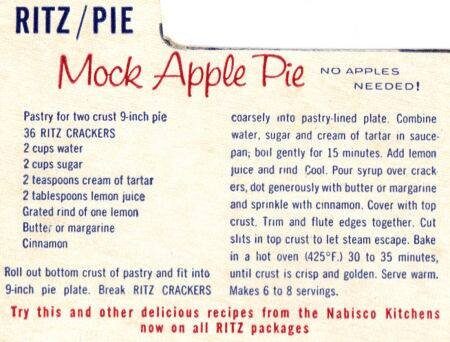
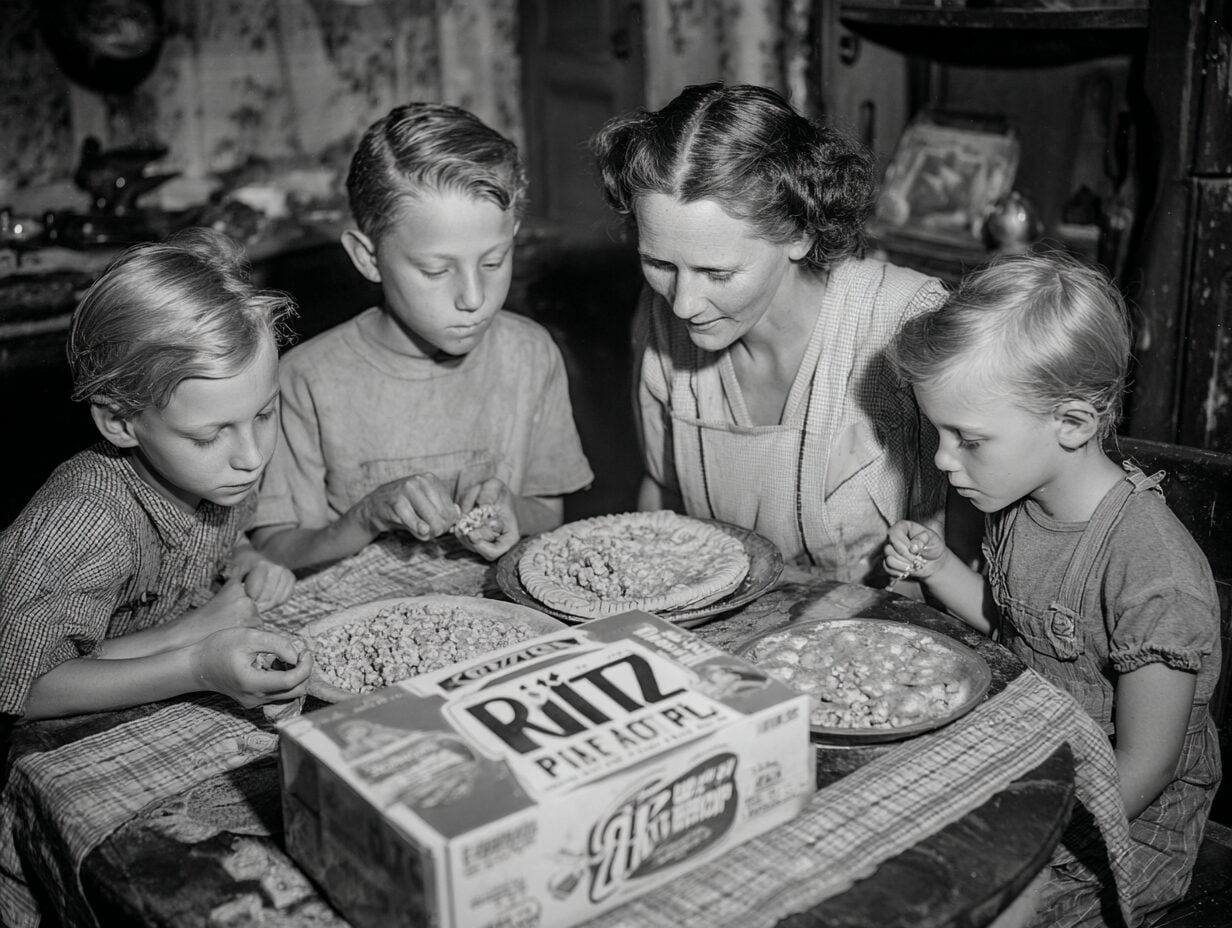
Ritz crackers quickly spread across American households, not just as a snack but as a versatile ingredient. Nabisco leaned into this by printing recipes right on the packaging. These recipes were designed to show how Ritz could be incorporated into meals, stretching beyond snacking into main courses and desserts. One of those recipes was Mock Apple Pie, and it became the most famous of all.
What Nabisco did was brilliant. They knew people wanted apple pie but could not afford apples, so they provided a way to recreate it with their product. This was more than just a recipe. It was an advertisement that told families, “You can still enjoy the traditions you love, and Ritz crackers will help you get there.” The timing was perfect, and the recipe stuck. To this day, Ritz Cracker Mock Apple Pie is remembered as one of the cleverest Depression-era dishes.
How the Illusion Worked
The genius of Mock Apple Pie lies in its chemistry. The recipe called for boiling sugar, water, and cream of tartar to make a syrup. That syrup was poured over layers of Ritz crackers, which softened and took on the texture of baked apples. Lemon juice and zest added a tart bite that mimicked the tang of fruit. Cinnamon and nutmeg gave the warm spice notes that our brains associate with apple pie. Finally, the crust tied it all together, offering the buttery crunch that makes any pie feel complete.
When you think about it, this recipe is not just culinary trickery. It is a lesson in how our senses of taste and smell work. Our brains rely heavily on texture, aroma, and spice to identify flavors. By hitting the right combination of those elements, Ritz crackers transformed into something that could fool even skeptical eaters. Many children never realized they were not eating apples at all. Adults often found themselves shaking their heads in disbelief after the first bite.
The most remarkable part of this illusion is how convincing it still is today. Even when you know the pie contains nothing but crackers, sugar, and spices, the moment you taste it, your brain says apple pie. The crackers provide that softened bite, the lemon juice makes your tongue pucker like a tart apple, and the spices round out the deception. It is equal parts clever and comforting, a culinary magic trick born of necessity.
Comfort on the Table
To understand why this pie mattered, you have to picture life in a Depression-era kitchen. Parents worked tirelessly to stretch every meal, and children often went without. To bring a pie to the table was more than just dessert. It was a message that things were going to be okay, that life still had sweetness even in the hardest times.
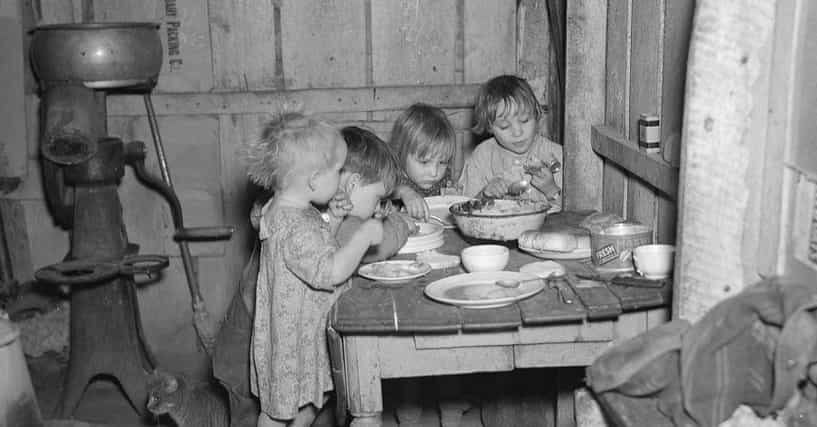
Imagine sitting at a wooden table in a farmhouse or city apartment, watching your mother pull this pie from the oven. The golden crust, the cinnamon scent, the bubbling filling. You would not care that there were no apples inside. You would simply be glad to have a slice of pie, to taste something familiar and warm. For parents, the satisfaction came not only from eating but from knowing they could provide joy and comfort in a world that had taken so much away.
Mock Apple Pie became a staple not just because it worked but because it gave people hope. It was a reminder that traditions could endure, that family meals could still hold joy, and that resourcefulness could overcome even the harshest circumstances.
Making It Today
When you bake this pie in a modern kitchen, you are doing more than just cooking. You are participating in history. You are stepping into the shoes of Depression-era families and experiencing firsthand the cleverness and resilience that defined their cooking. Even with all the abundance we enjoy today, there is something humbling about realizing that a handful of crackers, sugar, and lemon can so convincingly create the taste of apple pie.
The first time I made this recipe, I had my doubts. It seemed too strange to be true. Yet when I pulled it from the oven and cut into it, the kitchen smelled exactly like apple pie. The taste, too, was surprisingly close. The crackers melted into soft layers, the lemon provided brightness, and the spices fooled my senses. The topping gave that satisfying crunch that makes pie what it is. It was uncanny, comforting, and oddly nostalgic all at once.
For me, Ritz Cracker Mock Apple Pie scores an 8.6 out of 10. It is not quite the same as biting into a tart apple pie, but it carries with it something more valuable: a story of resilience, creativity, and the will to hold onto tradition no matter the circumstances.
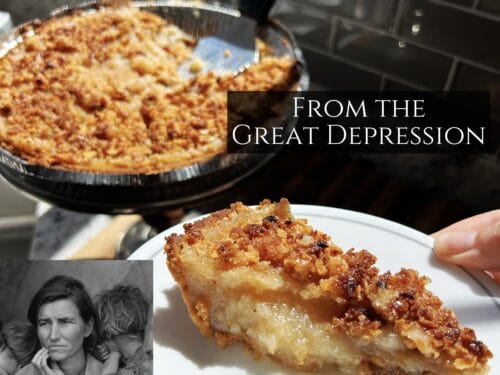
Mock Apple Pie

Don’t lose this one.
I’ll email it to you so it’s waiting when you’re ready to cook.
Ingredients
Instructions
Notes
- Lemon Is Key – The tartness of lemon juice and zest is what convinces your palate you are tasting apples. Don’t skip or skimp on it.
- Crust Choice – A pastry crust gives a more traditional apple pie feel, while a graham cracker crust adds extra crunch and sweetness. Both work beautifully.
- Texture Trick – The crackers must be softened in hot syrup for the illusion to work. Once baked, their texture is surprisingly close to baked apples.