If you’ve ever walked through the French Quarter early in the morning, you know the feeling. The air is thick with powdered sugar, hot oil, and chicory coffee, and somewhere in the distance someone is shaking a paper bag full of beignets like it’s a snow globe. Most Americans have seen them, most have eaten them, and many assume they’ve always belonged to New Orleans.
If you’re enjoying my recipes, check out my e-cookbooks at Eats History Shop!

But like so many dishes I explore on Eats History, the beignet didn’t begin here. It traveled. It evolved. It adapted. And in doing so, it became something uniquely American while still carrying its French DNA.
So today I’m diving into the origins of the beignet, how it crossed the Atlantic, why it became iconic in Louisiana, and how I recreated a scaled-down, at-home version inspired by the legendary Café du Monde.
The French Origins of the Beignet
The word beignet simply means “fritter” in French. And fritters are ancient. Long before powdered sugar and café au lait, cooks in medieval and early modern Europe were dropping enriched batters and doughs into hot fat. Frying as a technique has roots going back to antiquity, but in France it became refined and codified.
By the 16th and 17th centuries, French cooks were making sweet and savory fritters using eggs, flour, milk, butter, and sometimes brandy. These were often served at celebrations, feast days, and particularly during Carnival season, just before Lent. Frying dough in fat was practical and symbolic. It used up rich ingredients before fasting began.
I always find it interesting that Carnival foods across Catholic Europe share this same logic. You see it in Italian chiacchiere, in German krapfen, in Polish pączki. The beignet fits perfectly into that world. It’s indulgent, golden, and fleeting. Something you eat hot, dusted in sugar, knowing tomorrow you’re supposed to be abstaining.
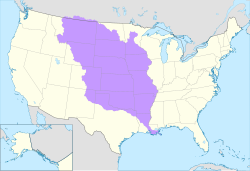
When French colonists settled in Louisiana in the 18th century, they brought their culinary techniques with them. That included frying dough. But what happened next is what makes this story uniquely New Orleans.
How Beignets Became Iconic in New Orleans
Louisiana’s French settlers and Acadians brought their food traditions into a new environment filled with different ingredients, different climates, and different cultural influences. Over time, French frying techniques blended with Spanish, African, and Caribbean culinary traditions.
The beignet that emerged in Louisiana became less of a delicate European fritter and more of a pillowy square of yeast dough. It was heartier, slightly chewy, and designed to be eaten by the handful. And in New Orleans, it found its perfect partner: chicory coffee.
Chicory became popular during periods of coffee shortages, particularly during the Civil War. Mixing roasted chicory root into coffee stretched supplies and added a deep, almost chocolatey bitterness. Paired with a hot, sweet beignet, it was balance in a cup and on a plate.
Over time, beignets moved from home kitchens to coffee stands, then to permanent institutions. And that’s where one name rises above all others.
The Legend of Café du Monde
Founded in 1862 in the French Market, Café du Monde didn’t invent the beignet. But it perfected the ritual around it. Open nearly around the clock, serving nothing more complicated than coffee and beignets, it became a cultural landmark.
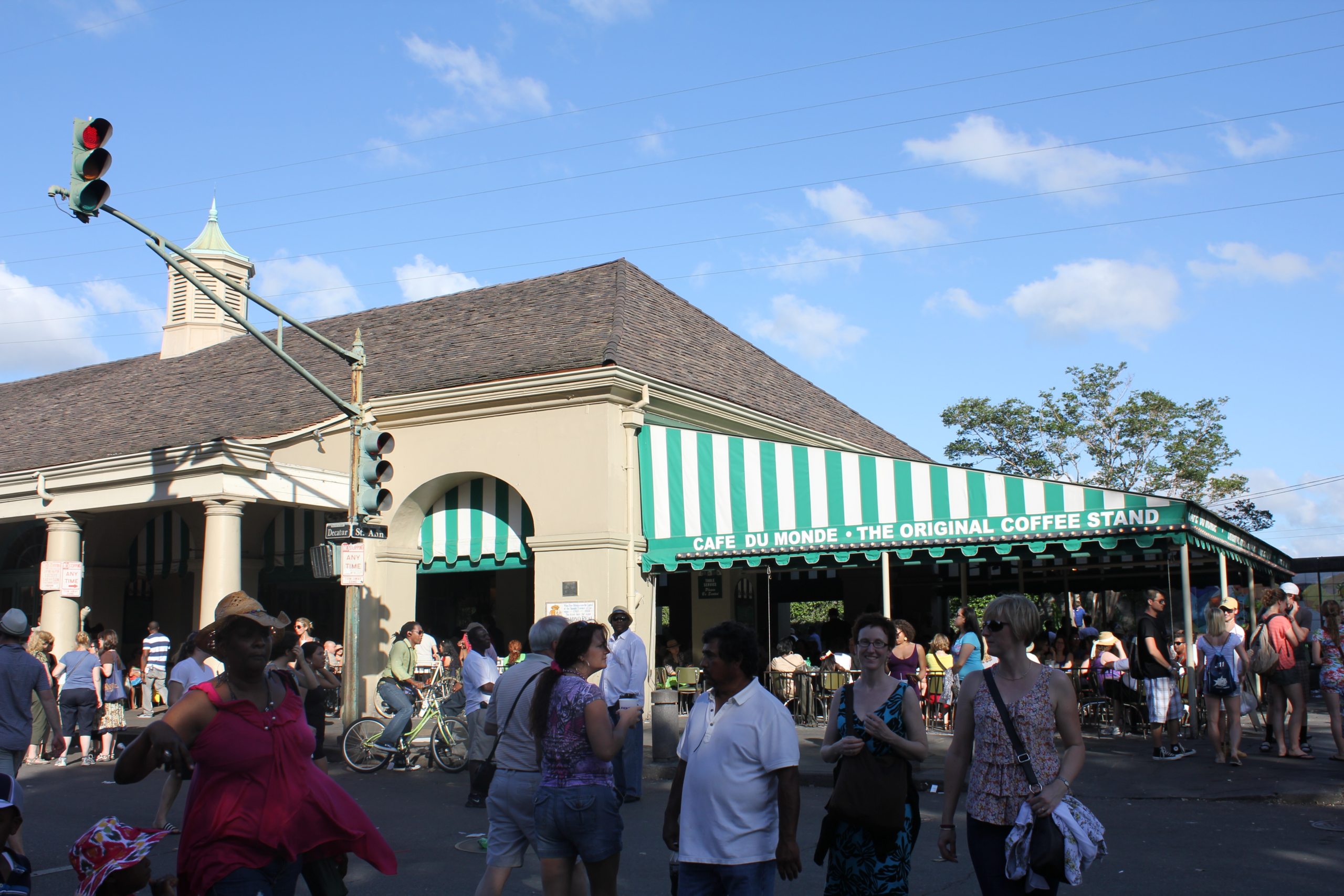
I’ve always loved that simplicity. No endless menu. No reinvention. Just dough, oil, sugar, and coffee. And yet it became one of the most recognizable food experiences in America.
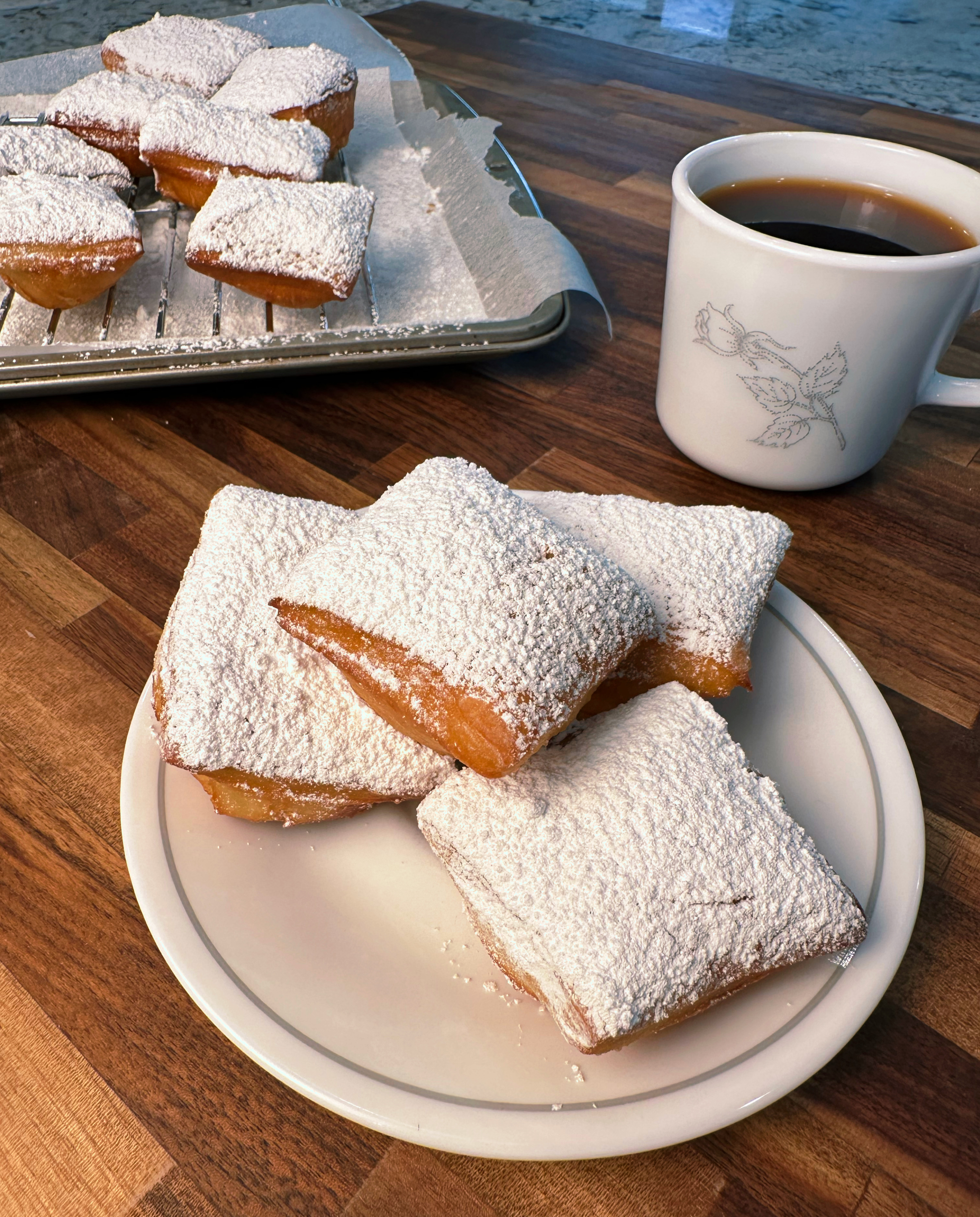
The Café du Monde style beignet is distinct. It’s square. It’s light but structured. It’s fried in cottonseed oil. And it arrives buried in powdered sugar, not politely dusted but aggressively coated. You don’t eat one neatly. You emerge from the experience wearing part of it.
That ritual, that messiness, that sensory overload is part of why the beignet legend carries on. It’s not just food. It’s place.
Why the Beignet Endures
What I love about the beignet is that it represents something rare. It’s a colonial transplant that became local without losing its roots. It’s French in origin, but unmistakably New Orleans in spirit.
It also speaks to how techniques travel better than recipes. The French brought frying methods. Louisiana shaped the dough. Generations refined it. And today, whether you’re in the Quarter or making them in your own kitchen, you’re participating in that lineage.
And so this week, I attempted a scaled-down, at-home version inspired by Café du Monde’s style. Not a copycat corporate formula, but a respectful recreation designed for the home cook who doesn’t want to make 40 beignets at once.
Review: 9.1/10
Fresh out of the oil, heavily dusted with powdered sugar, these are everything I hoped for. Light but structured. Slight chew inside. Crisp golden exterior.
The key is temperature control and not over-kneading. And yes, they absolutely must be eaten hot. Let them cool too long and you lose half the magic.
With a strong cup of coffee, I’m giving this recreation a 9.1 out of 10. It’s indulgent. It’s celebratory. And it carries centuries of frying tradition in one square bite.
At-Home New Orleans Beignets
New Orleans Beignets Recipe
Ingredients
- ½ cup + 2 Tbsp warm water 105–110°F
- 1 tsp active dry yeast
- 3 Tbsp + 2 tsp granulated sugar
- ⅓ cup whole milk
- 1 large egg beaten
- ½ tsp salt
- 2½ cups 12.8 oz all-purpose flour
- 1½ Tbsp unsalted butter melted and cooled
- Cottonseed oil or neutral oil for frying
- Powdered sugar for dusting
Instructions
Activate the yeast
- In a large bowl, dissolve the yeast and sugar in the warm water. Let sit 15 minutes until foamy.
Build the dough
- Whisk in the milk, beaten egg portion, and salt. Stir in about half the flour until smooth.
Add the butter
- Mix in the melted butter until fully incorporated.
Finish the dough
- Add the remaining flour and mix until a soft dough forms. Turn out onto a floured surface and knead just until smooth, about 1–2 minutes. Do not over-knead.
First rise
- Place dough in a lightly oiled bowl, cover, and let rise 1½–2 hours until doubled.
Heat the oil
- Preheat 3–4 inches of oil to 370°F.
Roll & cut
- Roll dough to ¼-inch thickness. Cut into 2½-inch squares.
Fry
- Fry 3–4 at a time. Immediately spoon hot oil over the tops. Flip after 30–45 seconds. Continue flipping and basting until deep golden brown, about 3 minutes total.
Drain & serve
- Drain briefly. Serve hot and heavily dusted with powdered sugar.
Video
Notes
- Oil temperature is everything: Keep your oil at 370°F. Too low and the beignets absorb oil and turn greasy. Too hot and they brown before cooking through. Use a thermometer and adjust heat as needed between batches.
- Don’t over-knead the dough: Knead just until smooth. Overworking develops too much gluten and makes the beignets tough instead of tender and airy.
- Serve immediately: Beignets are best within minutes of frying. Letting them sit too long causes them to lose that contrast between crisp exterior and soft interior. Dust with powdered sugar right before serving for the most dramatic and authentic finish.