If there is one dish that feels like an entire country on a single plate, it is pabellón criollo. This is not restaurant food or celebratory food in the flashy sense. It is everyday food that became symbolic through repetition, memory, and meaning. Shredded beef cooked down with aromatics, black beans simmered until creamy, white rice for balance, and sweet fried ripe plantains may sound simple, but together they tell the story of Venezuela’s past more clearly than any single ingredient ever could.
If you’re enjoying my content, check out my e-cookbooks at Eats History Shop, now 40% Off!
What makes pabellón so compelling is that it is not the product of invention. It is the product of adaptation. Each component reflects the realities of colonial Venezuela, where Indigenous foodways, African survival cooking, and Spanish ingredients were forced to coexist. Over time, that coexistence became tradition. What began as practical sustenance eventually became identity.
A Dish That Assembled Itself Over Time
Pabellón did not appear fully formed, nor was it named as such from the beginning. It emerged slowly as a habitual plate. The components existed independently long before they were served together in a standardized way. Beef was cooked and shredded because tougher cuts needed time and moisture. Beans were a constant because they were affordable, filling, and deeply rooted in Afro-Caribbean and Indigenous food traditions. Rice became common as trade networks expanded and imported grains became everyday staples. Plantains were already beloved, especially when fried ripe and sweet.
At some point, these foods began appearing together on the same plate with regularity. Not because someone declared it a national dish, but because it worked. It fed people well. It used ingredients that were accessible. It balanced flavors and textures in a way that felt complete. That is usually how national dishes are born.
Caracas and the Moment It Became “The” Dish
What is especially interesting about pabellón criollo is that its rise as a national symbol can be traced through written Venezuelan records, particularly from Caracas. Food historians examining late nineteenth- and early twentieth-century newspapers and food writing show that pabellón becomes increasingly visible during the first decade of the 1900s. This timing matters.
That period coincides with a moment when Venezuelan national identity itself was being articulated more clearly in public discourse. Dishes like pabellón were no longer just meals; they were references. They were shorthand for belonging. As people began pointing to this plate as something distinctly Venezuelan, its role shifted from common food to cultural emblem.
Cookbooks and the Codification of Tradition
Once a dish is recognized as symbolic, the next step in its survival is codification. Venezuelan home cooking records and cookbooks play a crucial role here. Twentieth-century Caracas-focused cookbooks present pabellón not as an exotic specialty but as a reference standard. These texts help stabilize technique, flavor expectations, and proportions.
This is where carne mechada becomes defined not just as shredded beef, but as beef cooked until it pulls into thin strands and then simmered again so it remains moist and aromatic. Beans are expected to be creamy, not dry or watery. Rice is fluffy and neutral. Plantains are ripe, fried, and intentionally sweet. These expectations turn memory into method.
The Plate and the Flag
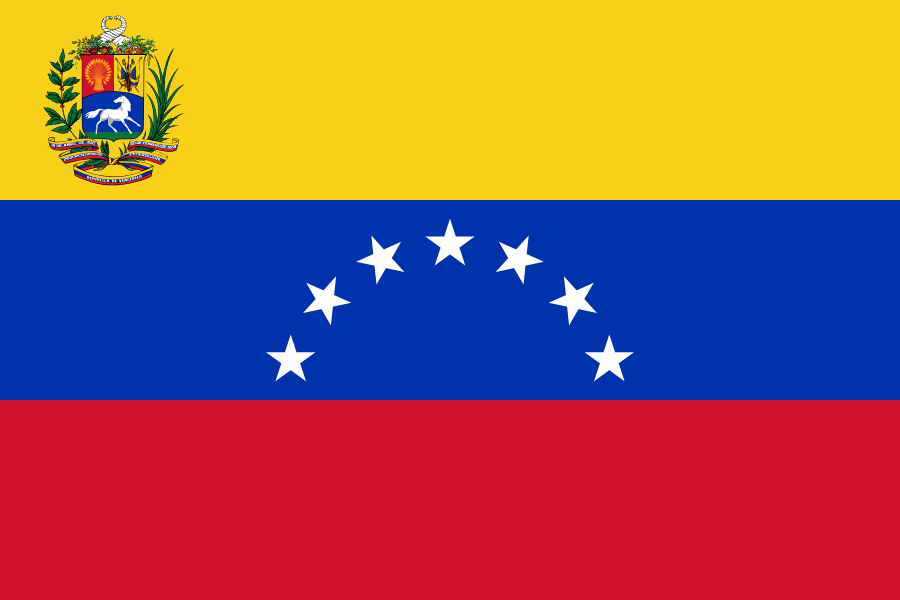
Modern interpretations often point out that pabellón mirrors the colors of the Venezuelan flag. White rice, dark beans, rich beef, and golden plantains create a striking visual harmony. Whether this symbolism was intentional at the beginning or applied later is less important than the fact that it resonated.
The plate looks like Venezuela feels: diverse, grounded, and unified by contrast. Each element is distinct, but none of them make sense alone. That visual metaphor is part of why pabellón became so powerful as a national dish.
Why the Dish Is Cooked in Parts
Pabellón is not a one-pot stew, and that is by design. Each component is cooked separately to preserve its identity. The beef requires slow cooking and a second simmer to stay juicy. Beans need time and gentle seasoning. Rice must remain fluffy and clean. Plantains demand high heat and attention so they caramelize rather than burn.
Only at the moment of eating do these parts truly combine. This structure reflects the dish’s origins. It is food made in stages, often over the course of a day, meant to be assembled rather than blended. That separation is what gives pabellón its balance.
What Pabellón Criollo Tastes Like
The best pabellón is all contrast. Savory shredded beef meets earthy beans. Neutral rice absorbs juices and resets the palate. Sweet plantains cut through the richness and pull everything together. No single bite tastes exactly the same as the last, which is part of the appeal.
This is food that satisfies without overwhelming. It feels nourishing rather than indulgent. That quality is precisely why it has endured across generations and borders.
Pabellón Criollo Recipe (Serves 4–6)
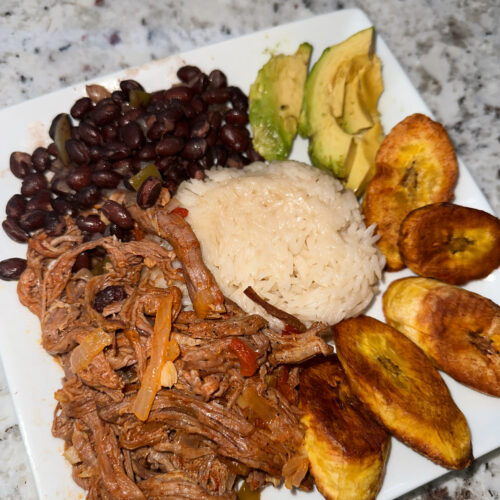
Pabellón Criollo
Ingredients
Carne Mechada
- 2 lb beef chuck or flank
- 1 onion finely diced
- 1 green bell pepper finely diced
- 3 cloves garlic minced
- 2 tomatoes finely chopped (or 1 cup crushed tomatoes)
- 2 tbsp oil
- Salt and black pepper
- 1 tsp ground cumin
- Optional: 1 bay leaf
Caraotas Negras
- 1 cup dried black beans
- 1/2 onion
- 1 clove garlic
- 1 tbsp oil
- Salt
White Rice
- 2 cups long-grain white rice
- 2 1/2 cups water
- 1 tbsp oil
- Salt
Plátano Maduro Frito (Tajadas)
- 2 ripe plantains black-spotted skin
- Oil for frying
Instructions
- Start the beans (best done first): Soak black beans overnight. Drain, add to a pot, cover with fresh water, add 1/2 onion and 1 garlic clove. Simmer 1 1/2 to 2 hours until soft. Remove onion and garlic, salt to taste. In a small pan, sauté a spoonful of diced onion in oil, stir into beans, simmer 10 more minutes.
- Cook the beef: Place beef in a large pot, cover with water, salt generously. Bring to a boil, then reduce to a gentle simmer, cover, and cook 2 to 2 1/2 hours until very tender. Remove beef and reserve about 1 cup of cooking liquid. Shred beef into thin strands.
- Build the carne mechada base: In the same pot, heat oil. Sauté diced onion and bell pepper until soft. Add garlic briefly, then tomatoes, cumin, pepper, and bay leaf if using. Return shredded beef and splash in reserved broth until juicy. Simmer uncovered 15 to 20 minutes, stirring, until moist but not soupy.
- Cook the rice: Heat oil in a pot, add rice and stir briefly. Add water and salt, bring to a boil, cover, reduce to low, cook 15 minutes, then rest off heat 10 minutes.
- Fry the plantains: Peel and slice plantains diagonally. Fry in shallow oil until golden and caramelized, drain.
- Assemble: Plate rice, beans, shredded beef, and plantains together. Eat them in the same bite whenever possible. That is the whole point.
Video
Notes
- Shred the beef finely: Traditional carne mechada is pulled into thin strands, not chunky pieces. This texture allows the beef to better absorb the tomato and aromatic base and keeps it juicy rather than dry.
- Beans should be creamy, not thick: The black beans are meant to be tender and lightly saucy. If they begin to dry out, add a splash of cooking liquid to maintain a smooth, spoonable consistency.
- Use very ripe plantains: The plantains should have black spots or nearly black skins. Underripe plantains will not caramelize properly and will lack the sweetness that balances the savory elements of the dish.