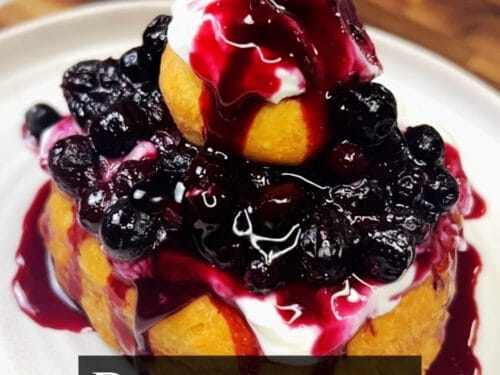
There are few desserts in Eastern Europe as charming and culturally rich as Papanași, the iconic Romanian cheese doughnut.
Pillowy and golden, served warm with cool sour cream and a glistening crown of berry jam, this treat is more than just delicious, but a gateway into the soul of Romanian folklore, resourcefulness, and culinary heritage.
I recently made a batch myself, using homemade blueberry preserves, and let me just say: it might be one of the best things I’ve ever cooked. Crispy on the outside, soft on the inside, tangy from the cheese, and sweet from the fruit topping, it’s like biting into a piece of Romanian legend.
A Dish of the People
Papanași (pronounced pah-pah-nash) have long been cherished across Romania’s rural villages and cities alike. While exact origins are debated, it is widely believed that the dish developed from peasant ingenuity, using simple ingredients like fresh cow’s cheese, semolina, and flour to craft a warming, celebratory food.
Next week
I cook these before I write them. Some of it never makes the post.
The failures, the source documents, the version that actually tasted good. That part goes out by email, and next week’s is already on the stove.
 Written and cooked by Donnie
The name is thought to derive from the Latin papanas, a word for food eaten by children, hinting at its ancient roots that stretch back to Roman Dacia. Over centuries, as Romania evolved through waves of influence—Ottoman, Austro-Hungarian, Russian— the simplicity of Papanași endured, adapting slightly but remaining a deeply nostalgic dish for many Romanians today.
Folklore and Forest Spirits
Romanian folklore is filled with stories of forest spirits, fae, and guardians of the mountains. One such tale tells of villagers leaving small offerings to the spirits of the woods to ensure good harvests and peaceful winters.
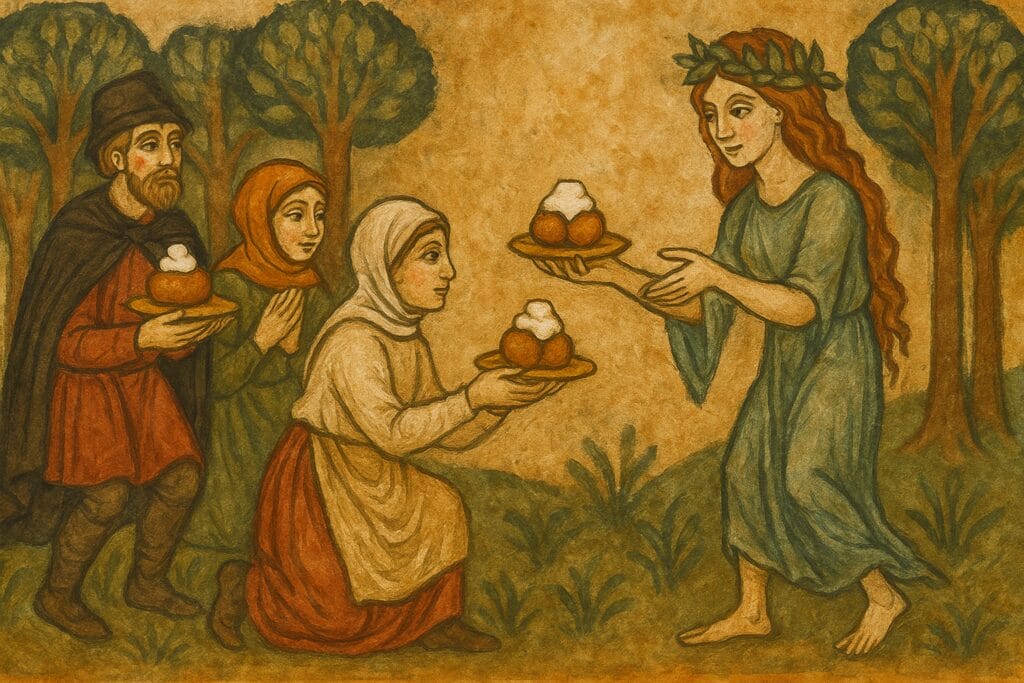
According to local legend, Papanași were first shaped and gifted as food offerings, round like the sun, with a “cap” or small doughnut ball atop, meant to symbolize humility and protection.
The ingredients (cheese from their flocks, flour from their land, homemade sour cream, and wild-picked berries) represent both gratitude and rural survival. While no official cookbook or record ties this story to a particular region, it reflects Romania’s rich oral traditions, where food often played a sacred role.
The Geography Behind the Flavor
Romania’s varied geography plays a major role in the character of its cuisine. With the Carpathian Mountains running through its spine, the country enjoys lush alpine pastures perfect for dairy farming, which helps explain the abundance of fresh cheeses used in its cooking.

In fact, brânză de vaci—a soft, tangy cow’s cheese similar to farmer’s cheese or ricotta—is essential in a true Papanași recipe. It’s a cheese that speaks to Romania’s pastoral roots, particularly in Transylvania and Moldova, where shepherding and dairy production have long defined the landscape. The sour cream and berry topping? A nod to the fruits of the forest and Romania’s cool northern climate.
Papanași in Modern Romania
Today, you’ll find Papanași on nearly every Romanian dessert menu, from Bucharest cafes to small inns in the countryside. It has become a symbol of cultural pride, appearing at holidays, weddings, and even food festivals that celebrate regional identity.
The dish is often a source of light-hearted competition, with debates over the ideal topping (blueberry, sour cherry, or plum?), and whether to deep-fry or bake. In recent years, Papanași has also gained international recognition as food travelers seek out “authentic” tastes from lesser-known European cuisines. It’s become a dish that bridges the rural past with modern celebration, always served with a smile.
Taste Test: Sweet, Tangy, Heavenly
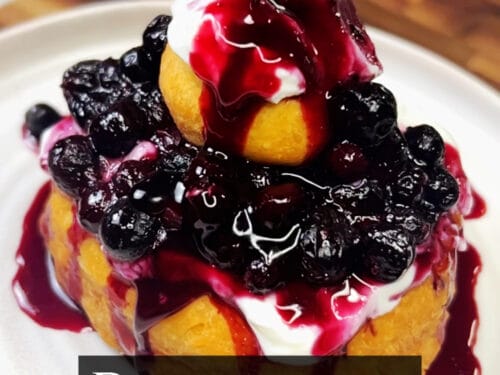
I made this traditional version using fresh ricotta, semolina, and lemon zest, frying the dough to a golden brown. I topped it with cool sour cream and homemade blueberry sauce, and the result was beyond satisfying.
The outside is crisp and caramelized, while the inside stays tender and cheesy with just enough bite from the semolina. The sour cream adds a creamy contrast to the warm dough, and the berries give it just the right tart sweetness. It’s not just a dessert but a full on Romanian experience. You can almost taste the mountains, forests, and kitchens of old Romania in every bite.
If you’re enjoying my work, check out Eats History Shop for my e-cookbooks!
Papanași Recipe:
Traditional Papanași (Romanian Cheese Doughnuts)

Don’t lose this one.
I’ll email it to you so it’s waiting when you’re ready to cook.
Ingredients
Instructions
Notes
- The Cheese Matters: Traditional brânză de vaci has a firmer, grainier texture than American ricotta. If using ricotta, make sure it’s well-drained—wrap it in cheesecloth and press it gently to remove excess moisture. Too much water will cause the dough to fall apart while frying.
- Shaping Tip: Don’t worry about making perfect rings! Rustic is part of the charm. Just make sure the dough holds together without cracks, or it may break in the oil. Lightly flouring your hands as you shape will help immensely.
- Sauce Suggestions: A simple homemade fruit sauce can elevate the dish. Simmer fresh or frozen berries with a tablespoon of sugar and a splash of lemon juice until thickened. This adds a fresh, tangy contrast to the rich cheese and sour cream.