Few autumn treats are as instantly recognizable as the candied apple. The glossy red coating catches the light like glass, the sugar shell cracks with the first bite, and the sticky sweetness lingers long after. It feels timeless — something that must have always belonged to fall fairs, harvest festivals, and Halloween parties — yet this striking dessert has a surprisingly modern origin.
All of my e-cookbooks are currently 40% off by the way!!!

A Happy Accident in Newark, 1908
The story begins in Newark, New Jersey, in 1908, when candy maker William W. Kolb was experimenting with a new batch of cinnamon-flavored red candy for the winter holidays. To test the mixture, he dipped a few apples on sticks into the hot syrup and placed them in his shop window as decoration. The brilliant red apples shimmered under the light and stopped people in their tracks. Customers poured in asking to buy them, and Kolb realized he had stumbled upon something special.
At first, the apples were a simple display to advertise his cinnamon candies, but they quickly became more popular than the candies themselves. Kolb sold thousands that holiday season, and word of his creation spread fast. Before long, candied apples were appearing at county fairs, seaside boardwalks, and local carnivals across the Northeast.
Next week
I cook these before I write them. Some of it never makes the post.
The failures, the source documents, the version that actually tasted good. That part goes out by email, and next week’s is already on the stove.
 Written and cooked by Donnie
Why They Became a Fall Favorite
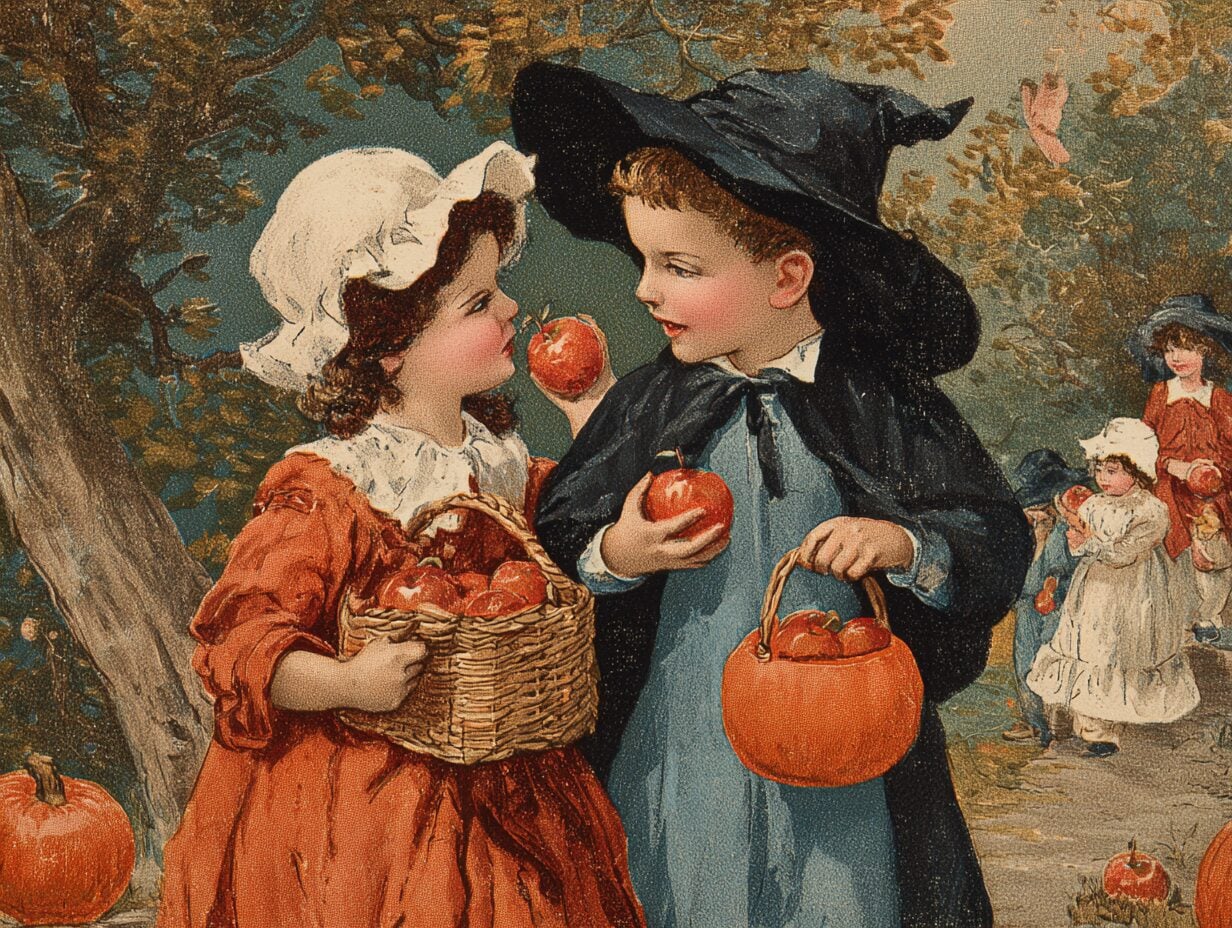
Candied apples naturally fit the rhythm of the season. Apples were abundant in late September and October, just as fairs and harvest celebrations were in full swing. Their portability made them perfect for outdoor gatherings, while the bright red color stood out against the oranges and browns of autumn.
The recipe also reflected a blend of tradition and innovation. The idea of coating fruit in sugar wasn’t new — medieval European and Middle Eastern cooks had long used syrup to preserve fruits and nuts — but Kolb’s use of bright red dye and cinnamon flavor created something uniquely American. The addition of the wooden stick transformed it into a street-friendly snack, ideal for crowds and festivals.
From Autumn Fairs to Halloween Treats
By the mid-20th century, the candied apple had cemented itself as a Halloween staple. In the years before store-bought candy became widespread, homemade sweets like popcorn balls, caramel corn, and candied apples were at the heart of community celebrations. For children, biting into the glossy shell was part of the excitement of the season — a test of bravery and patience wrapped in sugar.
Even as Halloween evolved into a commercial holiday filled with chocolate bars and candy wrappers, candied apples remained a nostalgic reminder of earlier days. They represented homemade charm, the warmth of fall kitchens, and the sparkle of carnival lights.
The Modern-Day Classic
Today, candied apples are still found at apple orchards, county fairs, and seasonal markets. Variations like caramel-dipped, chocolate-covered, or sprinkled versions now compete for attention, but the original red cinnamon candy apple has never lost its appeal. Each one still carries a bit of the magic that drew customers into Kolb’s Newark candy shop more than a century ago.
Making them at home connects us to that legacy. The process is simple but requires a little care — sugar cooked to the perfect stage, quick hands for dipping, and an appreciation for a dessert that gleams like stained glass. It’s a reminder that some of the most enduring treats come from happy accidents and a dash of curiosity.
Classic Candied Apples (1908 Newark Recipe)
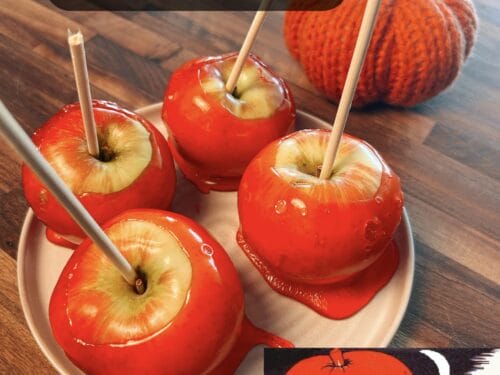
Classic Candied Apples (1908 Newark Recipe)

Don’t lose this one.
I’ll email it to you so it’s waiting when you’re ready to cook.
Ingredients
Instructions
Notes
- Mind the Temperature: The key to a perfect candy shell is reaching the hard crack stage (300°F / 150°C). Any lower, and the coating will be chewy instead of crisp.
- Work Quickly: Once the syrup is ready, move fast. The sugar hardens quickly, so have your apples prepped and ready before you begin dipping.
- Experiment with Flavors: While cinnamon oil gives the authentic vintage taste, you can try variations with vanilla, maple, or even chili powder for a modern twist.