Why Pizza Deserves a Deeper Look
Pizza is the world’s most beloved food, but its story is far messier (and tastier) than most people realize. What we now associate with late-night takeout or artisanal wood-fired crusts actually has its roots in some of the oldest food traditions on Earth. The journey from ancient flatbreads to our modern-day greasy delivery pies winds through empires, sea routes, royal courts, and immigrant neighborhoods.
I’ve personally tested several historical pizza recipes in my own kitchen, including Medieval Roman focaccia and Neapolitan marinara, to better understand how this dish evolved. It’s been a delicious and eye-opening adventure, and in this post, I’m excited to take you along for the full ride of the fascinating history of Pizza.
The Pre-History of Pizza: Bread and Toppings from the Dawn of Time (c. 10,000 BCE–3000 BCE)
Before the Romans and even before the Egyptians, ancient humans were already baking primitive flatbreads. Archaeological findings from Jordan and Iraq suggest that Neolithic tribes ground grains into flour, mixed them with water, and baked them over hot stones, creating some of the earliest examples of bread. These were not pizzas as we know them, but the essential idea of a base carb cooked and then seasoned with available ingredients had begun.

By around 8000 BCE, grain cultivation and rudimentary baking had spread across the Fertile Crescent. These early breads may have been topped with herbs or crushed seeds. A Natufian-era hearth found at the Shubayqa 1 site in northeastern Jordan even contained charred remains of flatbread-like pieces made from wild barley and einkorn, which could possibly be humanity’s first dough disks.
While cheese, oil, and tomatoes would come much later, this “bread + topping” combo was already deeply embedded in human culture. These ancient traditions laid the foundation for everything to come, from Persian tanur bread to Roman focaccia.
The Ancient Roots: Flatbreads Before Pizza (3000 BCE–200 BCE)
Across Mesopotamia, Egypt, and Persia, ancient civilizations created a wide variety of flatbreads that resemble pizza’s early ancestors. The Sumerians made barley-based bread baked in clay ovens. Egyptians are credited with inventing leavening, producing risen bread that may have been topped with oils or spices.
In ancient Persia, soldiers baked tanur bread on their battle shields and often added dates or cheese for sustenance. Meanwhile, the Greeks adopted these flatbreads and seasoned them with herbs and olives. By the time of the Roman Empire, flatbreads were a staple food across the Mediterranean.
Roman cooks developed panis focacius, which was a flatbread baked in the hearth. The name evolved into what we now call focaccia. Roman naturalist Pliny the Elder wrote in Natural History about flatbreads served with cheese and honey, sometimes flavored with garlic, oil, or anchovies. These simple, seasoned breads were early cousins of pizza.
Medieval and Renaissance Italy: The Birth of the Word “Pizza” (997 CE–1600s)
The first known use of the word “pizza” appears in a document from Gaeta, Italy, in 997 CE. The document states that a tenant must deliver “duodecim pizze” (twelve pizzas) to the bishop annually. At the time, the term likely referred to a simple bread or pie-like dish.
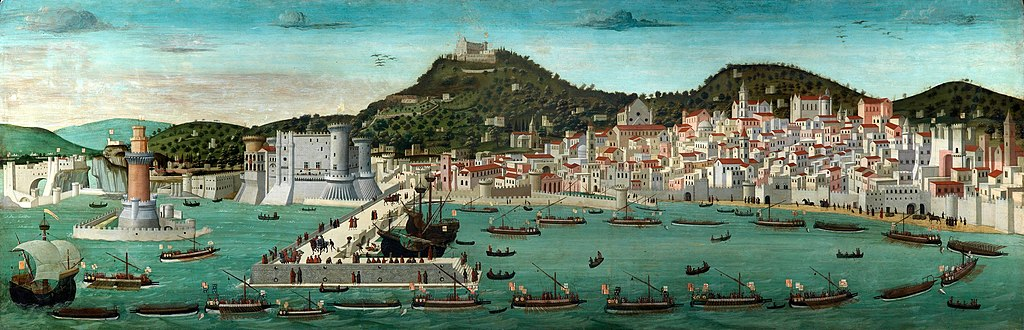
During the Middle Ages, especially in Naples, pizza evolved as a food of the poor. Locals baked flatbreads with garlic, lard, herbs, or cheese. When tomatoes arrived from the New World in the 1500s, they were initially feared as poisonous by the upper class. But the working class embraced them, spreading them on their flatbreads.
By the 1600s, tomato-topped pizza was firmly established in Naples. Vendors sold slices on the street. This was the true birth of pizza as a recognizable food, which was savory, street-ready, and affordable.
Neapolitan Pizza Emerges: The Street Food of Naples (1700s–1800s)
In 18th-century Naples, pizza took on the form we recognize today. Two iconic styles emerged: pizza marinara (with tomato, garlic, oregano, olive oil) and pizza margherita (tomato, mozzarella, basil). Cooked in wood-fired ovens, these pizzas were served hot, fast, and cheap.
In 1889, Neapolitan pizzaiolo Raffaele Esposito allegedly created a patriotic pizza for Queen Margherita of Savoy, using red tomato, white mozzarella, and green basil. The legend is debated, but it helped elevate pizza’s status.
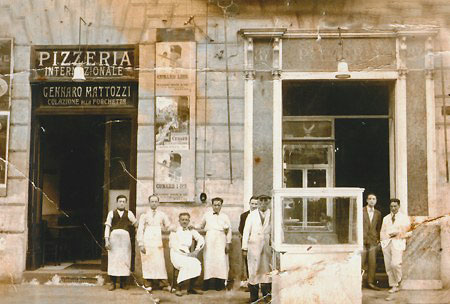
Antonio Mattozzi’s Inventing the Pizzeria and records from the Associazione Verace Pizza Napoletana confirm that Naples’ pizza tradition is deeply rooted and protected. The city’s pizza even earned UNESCO cultural heritage status in 2017.
Pizza Crosses the Atlantic: Italian Immigration & American Innovation (1900–1950s)
Italian immigrants brought pizza to the United States in the early 20th century. In 1905, Gennaro Lombardi opened the first licensed pizzeria in New York City. His coal-fired pies attracted fellow Italians and curious Americans.
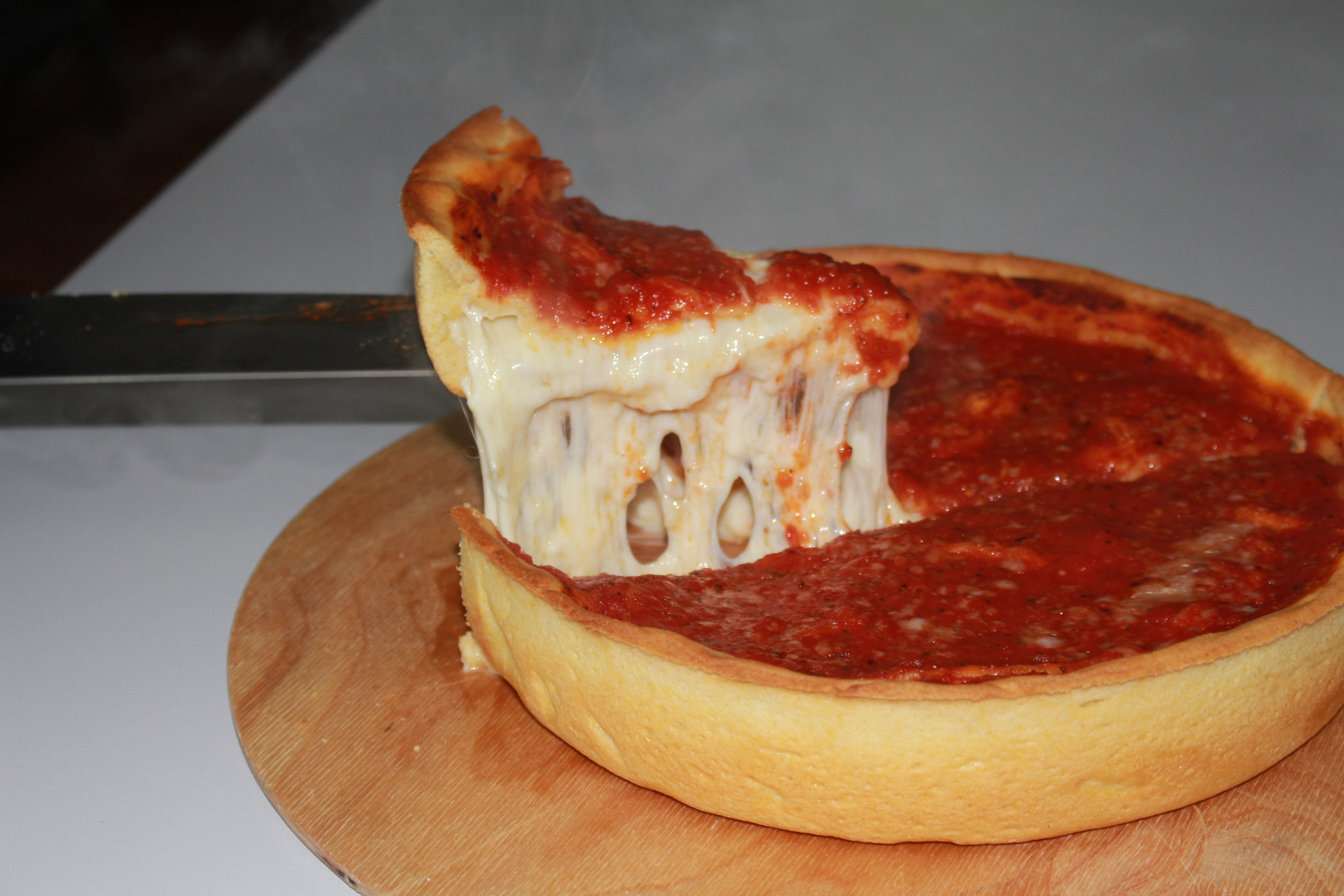
Pizza spread through urban immigrant communities in Chicago, Boston, and Philadelphia. After World War II, returning soldiers who had tasted pizza in Italy helped spark a national craving.
By the 1950s, pizza was a working-class staple and an emerging mainstream phenomenon. It became the food of parties, family dinners, and Saturday nights.
The Golden Age: Pizza Goes Mainstream (1950s–1980s)
This was the era of pizza’s mass commercial success. Pizza Hut, Domino’s, and Little Caesars all launched within a few years of each other. Their marketing and franchising brought pizza into suburban homes across America.

Television advertising turned pizza into an easy, craveable family food. Meanwhile, frozen pizza debuted in the 1950s, revolutionizing convenience dining.
New regional styles emerged: New York thin crust, Chicago deep dish, Detroit pan pizza, and California-style topped with arugula and goat cheese. Pizza had become both a national comfort food and a canvas for creativity.
Pizza Around the World: Global Variants You’ve Never Heard Of
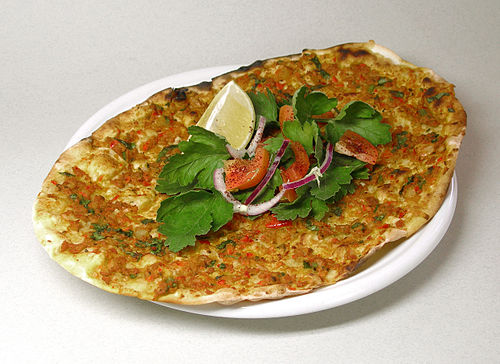
Pizza-like dishes exist in nearly every culture. Turkish lahmacun, French pissaladière, and German flammkuchen are all local interpretations of bread with toppings. In Japan, okonomiyaki is a savory cabbage pancake that shares pizza’s spirit.
Pizza also adapted to local tastes abroad. In Brazil, you’ll find green pea toppings. In India, paneer tikka pizza is a favorite. In Sweden, banana curry pizza is surprisingly popular.
Pizza’s global rise reflects how bread plus toppings is a universal formula—open to interpretation but always satisfying.
Modern Obsession: From Artisan Revival to TikTok Trends
Today, pizza enjoys dual status: both fast food and fine dining. The artisanal sourdough movement has revived old-world techniques, while TikTokers film Detroit-style crusts puffing in cast-iron pans.
Debates rage online over pineapple on pizza. Pizza ovens for home use are booming. VPN-certified Neapolitan pizzerias now exist from Tokyo to Toronto.
Pizza is no longer just a meal. In 2025, it’s a trend, lifestyle, and a digital conversation.
Frequently Asked Questions About the History of Pizza
1. Where did pizza originate?
Pizza has ancient roots that stretch back thousands of years. While Naples, Italy, is recognized as the birthplace of modern pizza, the concept of bread topped with ingredients dates back to the ancient Middle East. Civilizations like the Sumerians, Babylonians, and Egyptians made flatbreads, and Romans created panis focacius, the ancestor of focaccia. The word “pizza” was first recorded in Gaeta, Italy in 997 CE.
2. Who exactly invented pizza?
No single person invented pizza, at least not that we know of. It evolved gradually over centuries. However, credit for modern pizza often goes to 18th-century Neapolitans who baked flatbreads topped with tomato, oil, garlic, and cheese. Raffaele Esposito is often mythologized as the man who made the first pizza margherita in honor of Queen Margherita of Savoy in 1889, though this tale is more legend than fact.
3. When was pizza invented?
That depends on what you mean by “pizza.” Flatbreads with toppings go back to ancient Mesopotamia and Egypt (around 3000 BCE). The word “pizza” appeared in Italy by 997 CE, but pizza as we know it—tomato sauce and mozzarella on a baked flatbread—was popularized in Naples in the 1700s and 1800s.
4. Why is Naples considered the birthplace of pizza?
Naples had the perfect ingredients: a large working-class population, street vendors with wood-fired ovens, and access to New World tomatoes. Neapolitans created pizza marinara (tomato, garlic, oregano) and later pizza margherita (tomato, mozzarella, basil). These early pizzas were portable, affordable, and beloved by the masses.
5. Is it true that pizza used to be considered a poor man’s food?
Yes. In 18th- and 19th-century Naples, pizza was street food for the working class. It was sold from open-air stands and eaten on the go. It wasn’t until the 20th century that pizza started becoming a restaurant item and gaining popularity across different social classes and countries.
6. When did pizza come to America?
Pizza arrived in the United States with Italian immigrants in the late 1800s and early 1900s. The first pizzeria in the U.S., Lombardi’s, opened in New York City in 1905. Initially a niche ethnic food, pizza boomed in popularity after World War II when returning soldiers craved the dish they had encountered in Italy.
7. What is Neapolitan pizza, and why is it special?
Neapolitan pizza is the original Italian style of pizza, defined by a soft, chewy crust, San Marzano tomatoes, mozzarella di bufala, and a wood-fired oven bake. It is so iconic that Italy has an official certifying body—the Associazione Verace Pizza Napoletana (AVPN)—to protect and preserve the tradition.
8. Did Romans eat pizza?
Romans didn’t eat pizza as we know it, but they did eat seasoned flatbreads. One famous version was panis focacius, topped with olive oil and herbs. Pliny the Elder and Virgil both mention dishes that resemble proto-pizza. In fact, Roman flatbread traditions helped inspire modern focaccia and other Italian breads.
9. What’s the story behind pizza Margherita?
According to legend, in 1889, Queen Margherita of Savoy visited Naples and a pizzaiolo named Raffaele Esposito created a pizza in her honor using ingredients to match the Italian flag—tomato (red), mozzarella (white), and basil (green). While romantic, historians now believe this tale was crafted decades later for marketing.
10. How did frozen pizza become popular?
Frozen pizza was invented in the 1950s to meet the growing demand for convenience in postwar America. Brands like Totino’s and Celeste made it easy to bring pizza home. By the 1980s, frozen pizza was a supermarket staple, especially in busy households and college dorms.
11. What are some international versions of pizza?
Pizza has inspired countless global variations:
- Lahmacun (Turkey) – thin dough with spiced meat
- Manakish (Levant) – flatbread with za’atar or cheese
- Flammkuchen (Germany) – crisp dough with cream, onions, bacon
- Pissaladière (France) – thick dough with olives, anchovies, onions
- Okonomiyaki (Japan) – savory pancake with toppings
These reflect how each culture takes the bread-and-topping concept and makes it their own.
12. When did pineapple on pizza become a thing?
Hawaiian pizza was invented in 1962 by Sam Panopoulos, a Greek-Canadian restaurateur in Ontario. It combined canned pineapple with ham and mozzarella, sparking decades of controversy. While some love the sweet-and-savory combo, others consider it pizza heresy.
13. What’s the most popular pizza style today?
That depends where you are. In the U.S., New York-style and pepperoni pizza dominate. Neapolitan-style has had a major artisanal comeback, especially in cities. Detroit-style pan pizza is also booming, known for its crispy edges and cheesy crust.
14. How has TikTok and social media changed pizza culture?
Pizza has exploded online—from 60-second pizza oven reviews to viral recipes like vodka sauce pizza and sourdough crusts. Social platforms have made pizza a visual obsession, with new trends, regional styles, and pizza-themed debates emerging daily.
15. Is pizza healthy or unhealthy?
It depends on how it’s made. Traditional Neapolitan pizza uses minimal, high-quality ingredients and is actually quite balanced. Fast food or frozen versions can be high in sodium, fats, and processed ingredients. Like all foods, pizza is best enjoyed in moderation.
Hope you’ve enjoyed this post about the history of pizza. If you want to check out my e-cookbooks head over to Eats History Shop!