Fall is the season of soups, when kitchens fill with the fragrance of simmering vegetables, spices, and broths that warm both body and spirit. Among the many recipes tied to autumn traditions, butternut squash soup stands out as one of the most enduring. Sweet, creamy, and golden in color, it represents the heart of the harvest season.
This version is adapted from Fannie Merritt Farmer’s Boston Cooking-School Cook Book (1896), a landmark in American culinary history that helped shape the way households cooked at the turn of the 20th century. Farmer’s squash soup reflected the refinement of late 19th-century dining: simple ingredients transformed with precision into an elegant, nourishing dish.

This recipe can be found in my 30 Delicious Vintage Fall Recipes, Now 40% OFF!
The Rise of Soup Season in America
The cooling days of fall have long signaled the return of soups to American kitchens. Soups were not only practical for stretching ingredients but also a comforting way to showcase seasonal harvests like pumpkins, squash, and root vegetables. By the late 19th century, soups had gained a new role in the American household, moving from rustic farmhouse fare to the essential first course of a proper dinner. They embodied both thrift and refinement, offering warmth on chilly evenings while elevating the daily table into something more formal.
Fannie Farmer’s 1896 cookbook captured this transition perfectly. She emphasized clear measurements, precise instructions, and a sense of order that reflected the modern household’s desire for both efficiency and elegance. Her squash soup was no longer a rough stew but a carefully structured dish that could be prepared consistently by any home cook, regardless of skill. It was a sign of how food culture in America was shifting alongside the rise of middle-class dining and hospitality.
Fannie Farmer and the Boston Cooking School Tradition
Fannie Merritt Farmer became one of the most influential voices in American cooking by codifying recipes in a way that had never been done before. The Boston Cooking-School Cook Book was revolutionary for its time, introducing standardized measurements like teaspoons, cups, and tablespoons. This approach brought consistency to household kitchens, where recipes had often been passed down orally or in vague approximations.
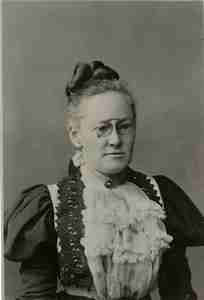
Her squash soup illustrates her philosophy: accessible ingredients, clear directions, and an emphasis on good method. Rubbing the squash through a sieve before measuring ensured smoothness, while scalding the milk with onion added depth of flavor without complexity. The roux of butter and flour provided body, a technique borrowed from French cuisine but adapted to American tastes. In every way, Farmer’s squash soup symbolized her broader mission: teaching cooks how to elevate everyday ingredients into reliable and refined meals.
Squash in the New England Kitchen
Squash had deep roots in New England long before Farmer put it into her cookbook. Indigenous peoples cultivated pumpkins and squashes for centuries, incorporating them into stews, breads, and porridges as one of the “Three Sisters” crops alongside corn and beans. By the 19th century, squash was firmly established as a staple of the New England harvest. Families baked it, mashed it, or stewed it into hearty meals that carried them through the colder months.
Transforming squash into a smooth, creamy soup represented a wider culinary trend of the period. Middle-class families were embracing more refined textures and presentation in their food. Pureed soups, once reserved for the upper classes or special occasions, began appearing in cookbooks as everyday dishes. Farmer’s recipe tapped into this movement, taking a humble crop and presenting it in a form that was elegant yet comforting.
A Modern Touch: Butternut Squash and Nutmeg
Today, butternut squash makes this classic soup even more luxurious. Its naturally sweet, velvety flesh creates a silky puree that feels both indulgent and wholesome. While Fannie Farmer’s original recipe was mild and straightforward, adding a touch of freshly grated nutmeg brings out warm spice notes that were already beloved in her time. Nutmeg was a common spice in 19th-century kitchens, used not only in desserts but also in savory cream soups and sauces. Its inclusion here enhances the soup’s autumnal character and ties it to historic flavors.
A swirl of heavy cream is a modern embellishment that adds both richness and beauty. Against the soup’s golden-orange backdrop, the cream creates a striking visual effect that elevates the presentation. This small touch echoes the refinement Farmer herself valued, while appealing to today’s love for dishes that are both comforting and visually appealing.
Why This Soup Endures
On a crisp October evening, butternut squash soup captures the spirit of the season like few other dishes. It is warm, velvety, and gently spiced, with flavors that balance sweetness and earthiness in perfect harmony. The recipe represents more than just nourishment. It is a link to the past, connecting modern kitchens to the traditions of New England harvests and the structured clarity that Fannie Farmer brought to American cooking.
In the end, squash soup endures because it bridges practicality with celebration. It transforms an abundant fall vegetable into something elegant, reminding us that food history is not only about recipes but also about memory, tradition, and the ways meals bring people together. Each bowl served today carries forward a piece of 19th-century culinary wisdom while remaining perfectly suited for the modern table.
Butternut Squash Soup Recipe (Adapted from Fannie Farmer, 1896)

Butternut Squash Soup
Ingredients
- 1 medium butternut squash about 2 lbs, peeled, seeded, and cubed (≈ 3 cups)
- 1 quart 4 cups whole milk
- 1 small onion sliced
- 2 tbsp unsalted butter
- 3 tbsp all-purpose flour
- 1 tsp salt
- ¼ tsp celery salt
- ¼ tsp ground nutmeg freshly grated if possible
- Few grinds black pepper
- ¼ cup heavy cream for finishing swirl
Instructions
- Cook the squash: Place squash cubes in a saucepan with enough water to cover. Simmer until tender, about 15 minutes. Drain well, then mash or purée until smooth.
- Infuse the milk: In another saucepan, heat milk with the onion slices until just scalded (steaming but not boiling). Remove onion and discard.
- Make the base: In a large soup pot, melt butter over medium heat. Stir in flour to make a roux, cooking for 1–2 minutes until bubbly but not browned. Gradually whisk in the hot milk until smooth and slightly thickened.
- Combine: Stir in the puréed squash. Season with salt, celery salt, nutmeg, and black pepper. Simmer gently for 10 minutes, stirring occasionally.
- Finish: Ladle soup into bowls. Drizzle each with 1–2 teaspoons of heavy cream and use a knife or toothpick to swirl into a delicate pattern. Serve hot with crusty bread.
Video
Notes
- Choose the right squash: Butternut squash offers natural sweetness and a silky texture, but acorn or kabocha squash can also be used. Adjust cooking times slightly depending on the variety.
- Nutmeg is authentic: Freshly grated nutmeg adds warmth and ties the dish to 19th-century American kitchens where it was widely used in both sweet and savory recipes.
- Make it ahead: This soup reheats beautifully. Store in the refrigerator for up to 3 days or freeze for up to 2 months. Add the cream swirl just before serving for the best presentation.