When you think of Britain, you might imagine rainy days, red phone boxes, and a steaming cup of tea. This isn’t a coincidence. Tea has long been woven into the very fabric of British identity, but that didn’t happen overnight. From royal courts to colonial campaigns, and from factory floors to war bunkers, tea has traveled a long, complex path to become Britain’s national drink.
As someone who loves diving into food history, I’ve come to see British tea culture not just as a comforting ritual, but as a window into the deeper forces of empire, class, and commerce.
A Royal Beginning: Tea’s Arrival in Britain
The story of Britain’s love affair with tea begins not in the green hills of England but in the palaces of the East. Tea had already been consumed for centuries in China, where it was considered both a medicinal herb and a refined beverage. By the early 1600s, Portuguese and Dutch traders had begun importing tea into Europe via the maritime Silk Road, bringing with them spices, porcelain, and—unbeknownst to them—a cultural revolution in a cup.
Britain’s first recorded mention of tea comes from 1637, when an English merchant named Peter Mundy noted seeing tea consumed in the Portuguese settlement of Macao. But it wasn’t until the marriage of Catherine of Braganza to King Charles II in 1662 that tea took root in England itself. Catherine, a Portuguese princess, was already accustomed to drinking tea as part of her aristocratic upbringing.

When she arrived in England, she brought crates of Chinese tea in her dowry and quickly made the habit fashionable within the royal court. I always find it fascinating that so many of Britain’s most enduring traditions were imported by royal marriages and tea, in a sense, was Catherine’s most enduring legacy.
Once the queen began sipping tea in public, the rest of the nobility followed. Tea-drinking became a marker of refinement and civility, especially for women, who began hosting small, private gatherings centered around the ritual. These early tea “salons” were often quiet, elegant affairs that were a sharp contrast to the rowdy alehouses and coffeehouses popular among men. In this way, tea entered not just the economy, but the social fabric of Britain’s elite, tied to ideas of femininity, leisure, and gentility.
At this early stage, tea was still prohibitively expensive. Imported from China through the British East India Company, it was taxed heavily, sometimes by as much as 119%, making it a true luxury item. It was often stored in elaborately decorated tea caddies, locked away and served in delicate porcelain cups. Owning tea was a status symbol; serving it properly was a performance of wealth and refinement. Even today, I think part of British tea culture retains a sense of quiet formality inherited from these early rituals.
The British Empire: Building Power with a Teacup
As tea drinking grew fashionable among the British elite during the seventeenth and early eighteenth centuries, it quickly became clear that this simple beverage was more than a passing trend. The British East India Company, one of the most powerful commercial entities in history, seized the opportunity to turn tea into a cornerstone of imperial commerce. By importing vast quantities of Chinese tea, they helped create trade routes that stretched across Asia and Europe. It’s remarkable to think that something as delicate as a cup of tea could help lay the foundation for global empire building.
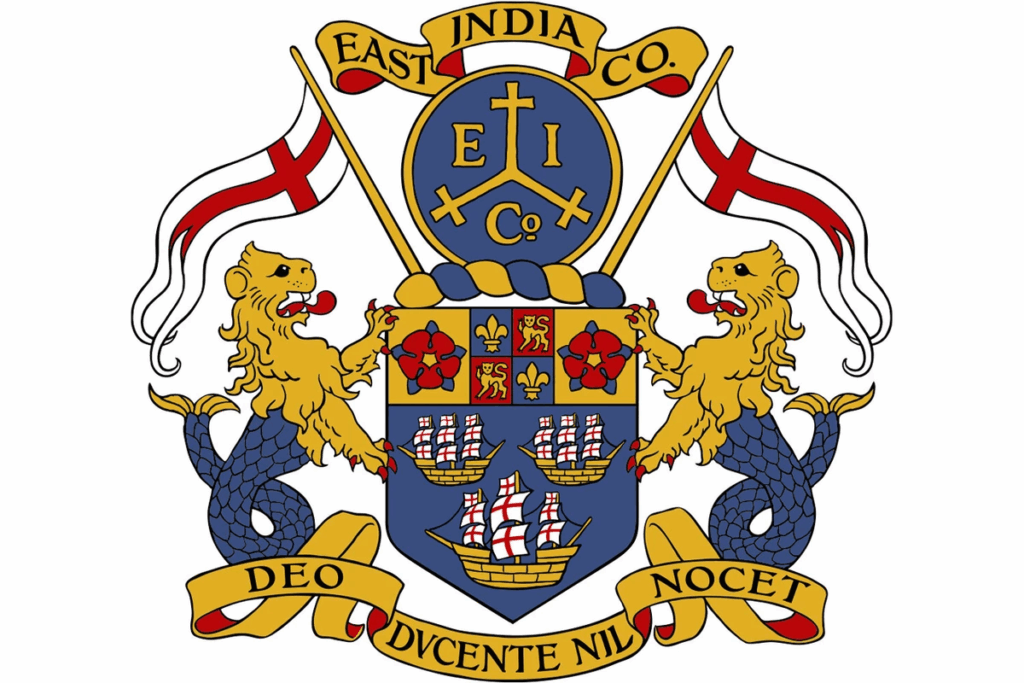
By the mid-eighteenth century, tea was no longer limited to the upper class. It had become a part of daily life for households across Britain, from factory workers to the middle class. With this growing demand, Britain sought to bypass Chinese suppliers and establish its own sources of tea. This ambition led them to India, where they founded massive plantations in regions like Assam and Darjeeling.
These estates were worked by local laborers under extremely difficult conditions. In many ways, tea became both a symbol of British domestic comfort and a product of colonial exploitation. I find it sobering to remember that behind the elegance of afternoon tea was an empire driven by control and profit.
The empire’s obsession with tea also contributed to one of the most consequential events in nineteenth-century global politics. Britain’s need for Chinese tea led to a severe trade imbalance, which they sought to fix by exporting opium from British-controlled India into China.
When the Chinese government pushed back, Britain responded with military force, triggering the Opium Wars. The result was not only the continued importation of tea but also the acquisition of new territories, including Hong Kong. It is hard to imagine that the quiet act of sipping tea could be tied to such devastating conflicts, yet history makes those connections clear.
By the time of Queen Victoria, tea was deeply embedded in the British identity. It was more than a drink. It represented stability, civility, and the supposed moral superiority of British culture. Tea was served on the battlefields, in colonial outposts, and at the heart of every British home. It carried with it the ideology of empire, silently reinforcing the structures that allowed Britain to dominate the globe. I often think of how an object as ordinary as a teapot came to embody the vision and power of an entire empire.
Tea for the Masses: The Industrial Revolution and the Working Class
As tea became more widely available, it trickled down into all levels of society. During the Industrial Revolution, tea took on a new role, not just as a luxury, but as a practical, everyday necessity for the working class. Factory owners encouraged tea breaks, believing that caffeine made workers more alert, and boiling water for tea helped reduce waterborne illness.
Sweetened with sugar and fortified with milk, tea became a source of cheap calories and warmth during grueling 12-hour shifts. For many, it was the only “meal” they had time for. Tea was no longer about prestige, but it was about fuel, health, and community throughout the grueling years of the Industrial Revolution.
This era gave birth to the “builder’s brew”—a strong, sweet, milky tea that remains a British staple today. Personally, I think there’s something beautiful about how tea shifted from being a drink of aristocrats to something that could comfort coal miners, factory workers, and weavers alike.
Tea Time Traditions: Afternoon Tea vs. High Tea
Many people confuse afternoon tea with high tea, but they emerged from very different traditions. Afternoon tea was created by Anna, Duchess of Bedford, in the 1840s. She complained of “a sinking feeling” in the late afternoon and began requesting tea with light snacks like cucumber sandwiches and scones. This caught on with other upper-class women and became a fashionable social ritual.

High tea, on the other hand, came from the working class. It was a hearty evening meal, served at the “high” table (meaning the dinner table, not a low parlor table), and often included bread, cheese, meats, and—of course—tea. The name doesn’t reflect status, but rather the height of the table.
Today, both versions are celebrated, but their origins reflect Britain’s deeply layered social history, where even the way you drink tea could signify your place in society.
Wartime Comfort: Tea as a National Symbol
During both World Wars, tea was considered essential to national morale. The government stockpiled tea and ensured it was available on the front lines and in bomb shelters. In WWII, British soldiers received tea rations, and mobile canteens served tea to civilians after air raids.
Winston Churchill once said that tea was more important than ammunition. That says everything. In times of chaos and fear, tea became a symbol of resilience and unity, a small act of normalcy when the world was falling apart.
Even now, I think part of tea’s emotional power comes from this legacy. It represents stability and care, the kind of thing someone offers you when they want you to feel safe and seen.
Modern Love: Why Tea Still Matters Today
Despite the rise of international coffee culture, Britain remains a tea-drinking nation. Over 100 million cups of tea are consumed daily in the UK. That’s nearly two cups per person, every single day.
Tea remains part of everything: it’s the first thing offered to guests, the go-to during difficult conversations, and the comfort drink of choice after a long day. Its enduring popularity stems from more than taste—it’s about tradition, connection, and cultural memory.
Even today, many British families have a “tea drawer” filled with bags of PG Tips or Yorkshire Tea. And for me, when I visit Britain, nothing feels more authentic than a strong cup of tea and a digestive biscuit shared with a friend.
A Traditional British Tea Recipe (for the Full Experience)
If you want to enjoy a proper cup the way many Brits do at home, here’s a timeless method:

Traditional British Tea
Ingredients
- 1 black tea bag Yorkshire Tea, PG Tips, or English Breakfast work great
- Freshly boiled water
- A splash of whole milk to taste
- Sugar optional
Instructions
- Boil water fresh—never reboil! It affects oxygen levels.
- Place the tea bag in your mug or cup.
- Pour the boiling water directly over the tea bag.
- Let it steep for 4–5 minutes. Don’t rush this.
- Remove the tea bag. Add milk to taste. (Many Brits add milk last, but some debate remains.)
- Stir. Add sugar if desired.
- Serve immediately with a biscuit or scone.
Notes
- Use freshly boiled water – reboiled or stale water can dull the tea’s flavor and reduce its richness.
- Milk goes in last – adding it after pouring preserves the tea’s aroma and prevents the milk from curdling.
- Choose the right tea – Assam gives a strong malty brew, while Darjeeling offers a more floral and delicate taste.