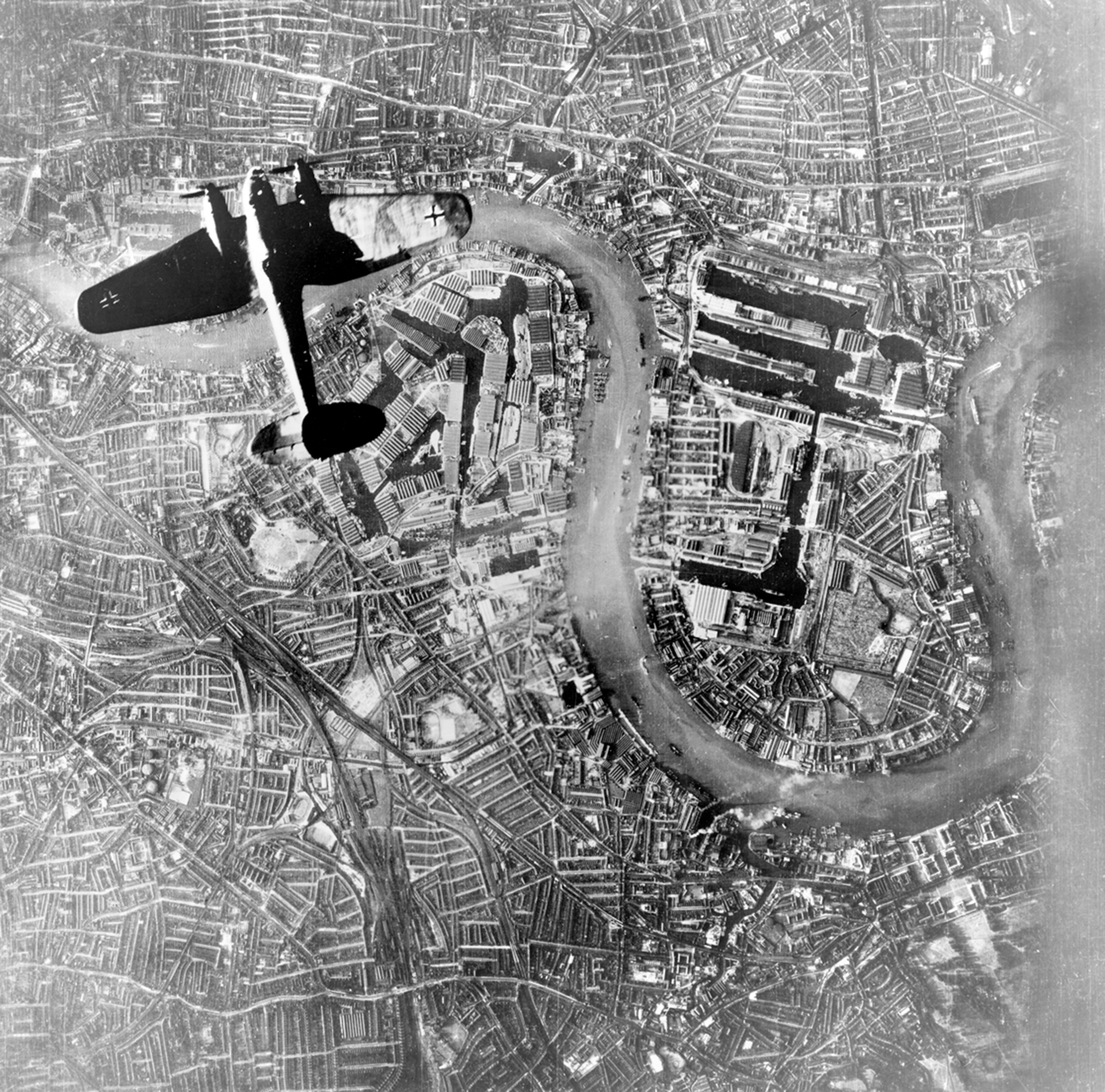
When the Blitz began in 1940, British life changed overnight. Bombs fell over London, Coventry, and Liverpool, destroying homes, factories, and docks that once fed the nation. Food imports plummeted under the threat of German U-boats, and the British kitchen became a new kind of front line. With scarcity everywhere, cooking transformed from a matter of taste to a matter of survival. From this pressure rose one of the most famous dishes of the war: the Woolton Pie.
If you’re enjoying my recipes, all of my e-cookbooks are currently 40% Off!
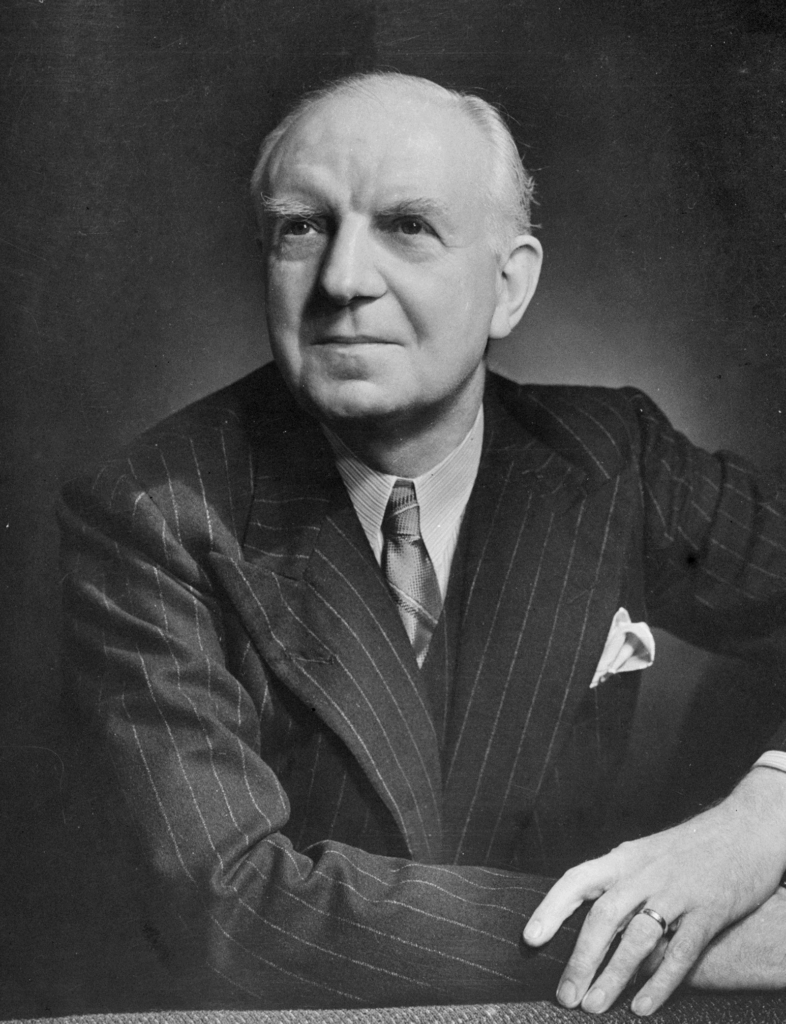
Named after Lord Frederick Marquis, the Minister of Food, the pie was created to represent resourcefulness in the face of hardship. It was designed not to indulge, but to sustain. It was food as morale, proof that the British spirit could endure not only air raids but empty shelves. The Blitz left the cities in ruin, but it also revealed something enduring: the quiet strength found in a home-cooked meal.
The Battle of Britain and the War for Food
The Battle of Britain was fought in the skies, but the struggle to feed the nation happened quietly in kitchens across the country. With rationing in full effect, every family received limited portions of meat, sugar, butter, and tea. Housewives became strategists, turning ration books into blueprints for survival. The government urged citizens to “Dig for Victory,” transforming backyards and bomb craters into vegetable gardens.
Carrots, cabbages, and potatoes became the new soldiers of the home front. They filled soups, stews, and puddings, offering vitamins and volume when meat was scarce. The Ministry of Food distributed pamphlets and radio programs to teach people how to cook creatively, stretch ingredients, and avoid waste.
Lord Woolton and His Famous Pie
Lord Woolton was not a chef but a businessman, and that may have been his greatest strength. He approached food with logic and empathy, understanding that nourishment was as psychological as it was physical. Teaming up with François Latry, the head chef of the Savoy Hotel, Woolton developed a simple vegetable pie that could be made entirely from home-grown ingredients.
The result was a dish both humble and ingenious. Root vegetables were diced and simmered with oats and Marmite, forming a rich, savory base. On top went a crust made from mashed potatoes and wholemeal flour — no butter, no eggs, just what was available. It was served in dining halls, canteens, and homes as a patriotic meal, a symbol of cooperation between the government and the people. It was food that told a story: that scarcity need not defeat imagination.
Rationing and the Art of Making Do
By 1941, rationing had become part of daily life. Families learned to stretch every ounce of flavor through creativity and substitution. Carrots replaced sugar in puddings. Dried fruit became a luxury. Even tea leaves were re-dried for second use. Yet, amid the shortages, there was pride in making something from almost nothing.
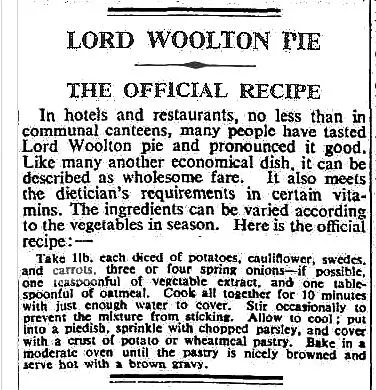
The Woolton Pie captured that philosophy perfectly. Though simple, it was filling, nutritious, and warm, a reminder that comfort could still be found in hard times. The dish became a household name, printed in newspapers and broadcast on radio programs. While it may not have been everyone’s favorite, it became a symbol of unity. Every spoonful represented a small act of resistance against hunger and fear.
A Taste of Resilience
Today, Woolton Pie may seem plain beside modern recipes rich with butter and spice, but that plainness is part of its beauty. It represents the virtue of restraint, the power of community, and the ability to turn limitation into something meaningful. Eating it now is an act of remembrance — of mothers who cooked by candlelight, of gardens that grew between rubble, of families who found comfort in the simplest of meals.
When I recreated this dish, I found something oddly comforting about it. The aroma of simmered vegetables and oats, the soft crust of potato pastry — it all felt grounding. Simple, yes, but honest. It’s not the food of abundance; it’s the food of perseverance. If I had to rate it as a dish, I’d give it a 7.6/10 — not for flavor, but for the story it carries.
WWII Woolton Pie Recipe (Serves 4–6)
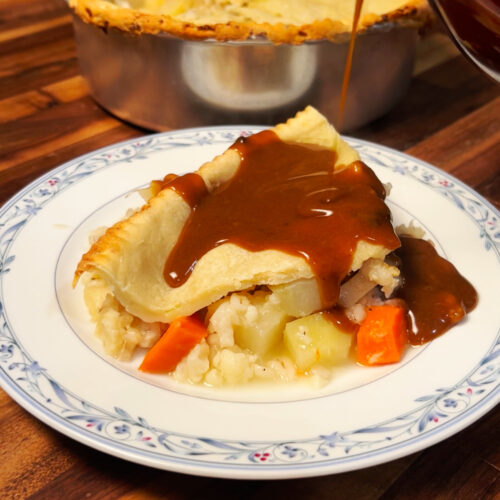
WWII Woolton Pie Recipe
Ingredients
For the filling:
- 1 lb cauliflower
- 1 lb swedes or parsnips
- 1 lb carrots
- 1 lb potatoes
- 1 bunch spring onions chopped
- 2 tsp Marmite or 1 stock cube (optional)
- 1 tbsp rolled oats
- Salt and pepper to taste
- Parsley fresh or dried
For the pastry crust:
- 4 oz mashed potato
- 3 oz margarine or lard
- 2 tsp baking powder
- Pinch of salt
- Dash of water if needed
Instructions
- Chop the vegetables into chunks, cutting denser ones (like carrots and swedes) smaller so they cook evenly.
- Place them in a pot with just enough water to reach three-quarters of the way up the vegetables.
- Add Marmite, rolled oats, salt, and pepper. Simmer until tender and most of the water is absorbed.
- Transfer the mixture to a deep pie dish, sprinkle with parsley, and set aside.
- To make the crust, combine flour, baking powder, and salt. Rub in the margarine, then mix in mashed potato until a dough forms. Add a little water if dry.
- Roll out the dough to make a crust. Lay it over the filling, crimp the edges, and brush with milk.
- Bake at 200°C (400°F) for about 30 minutes, or until golden brown.
Notes
- Substitute the vegetables freely — the Ministry encouraged cooks to use whatever was available.
- Rolled oats help thicken the filling and make it more filling, a clever wartime trick.
- The pie can be topped entirely with mashed potatoes if pastry flour is short.