We are officially in September, and to me that means one thing: apples. The orchards start to swell with fruit, markets fill with crates of Honeycrisp and Gala, and suddenly every kitchen smells faintly of cinnamon. For centuries, this has been the season when cooks turn to apple-based desserts, whether it’s pies, cobblers, or rustic fritters sizzling in a pan.
Apple fritters, in particular, feel timeless. There is something comforting about frying up a batter laced with fruit and lemon, then dusting it with sugar while it’s still warm. The version I made today comes from Eliza Leslie’s Directions for Cookery (1837), one of the most influential cookbooks in American history. The recipe is straightforward, but it connects us directly to the kitchens of the nineteenth century, when apples were not just a treat but a vital harvest staple.
Eliza Leslie and the Cookbook That Changed America
Eliza Leslie was not just a cookbook author; she was a cultural force in early America. Published in 1837, her Directions for Cookery quickly rose to prominence because of its clarity. Unlike earlier cookbooks that often assumed a professional background or a household staffed with servants, Leslie wrote for the middle-class woman who managed her own kitchen. She offered precise instructions and practical recipes, which was revolutionary at a time when many cookbooks were vague or incomplete.
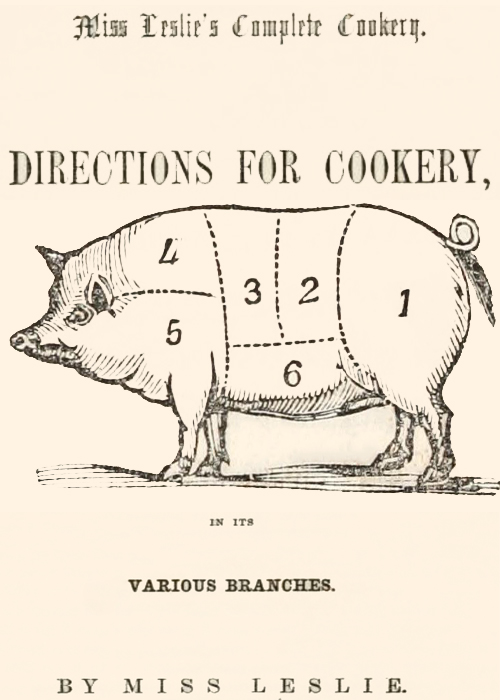
The book resonated so deeply that it went through dozens of editions, spreading across the country as the young United States was still finding its culinary identity. Leslie helped shape what it meant to cook American food at a time of rapid change and growth. By including recipes like apple fritters, she was also documenting the way ordinary households transformed seasonal ingredients into dishes that combined thrift with pleasure. Her work is a reminder that cookbooks are not just collections of recipes, they are cultural artifacts that show us how people lived, worked, and ate.
Apples in Early America
Apples had already been established as a cornerstone of the American diet by the 1830s. The colonists had brought over apple seeds and grafts, and by the nineteenth century, orchards covered much of the Northeast and Midwest. Families relied on apples not only as fresh fruit but as a preserved food to carry them through the long winters. They made cider, vinegar, apple butter, dried apple rings, and, of course, desserts like fritters. Apples were one of the few fruits that stored well and could be used across seasons, which made them indispensable.
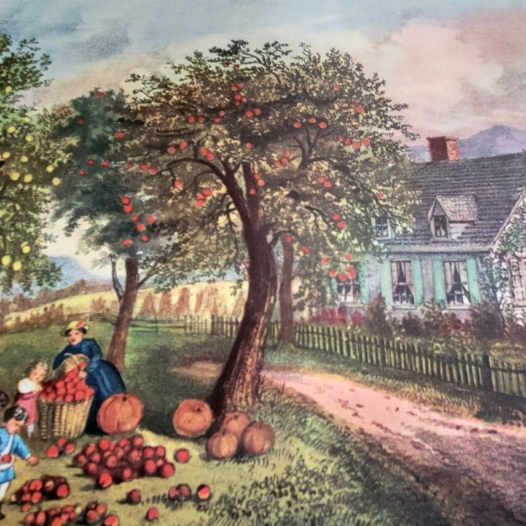
September was the peak of apple season, and households would find creative ways to incorporate apples into every meal. Apple fritters were part of that seasonal rhythm. They could be served hot from the pan, making them a welcome break from the labor of preserving fruit for storage. For children and adults alike, these fritters were a sweet reward at the end of a long day spent working in the orchard or the fields. They were not just food but a small celebration of the harvest.
A Practical and Seasonal Treat
What makes Leslie’s recipe remarkable is its practicality. The apples are parboiled to soften them slightly, then minced and folded into a thick batter. The batter itself is flavored with lemon zest and juice, giving it brightness that balances the sweetness of the apples. Once fried in hot lard, the fritters puff up and turn golden, ready to be dusted with sugar and a hint of nutmeg. This balance of efficiency and flavor reflects the mindset of nineteenth-century households, which valued economy but also knew how to savor seasonal abundance.
These fritters were never meant to be elaborate. They were rustic, hearty, and easy to make with ingredients already on hand. Yet their simplicity is exactly why they became beloved. In an age without processed desserts or packaged snacks, frying up fritters was a quick way to make something indulgent and satisfying. It was also a way of turning the ordinary apple into something extraordinary, showing just how versatile and valuable this fruit was to American families.
From Orchard to Frying Pan
Picture an 1830s kitchen in early autumn. The air outside is crisp, and the smell of cider wafts from an outdoor press. Inside, apples are being peeled and sliced, destined for drying racks, pies, or butter kettles simmering on the stove. At the same time, a pan of lard heats on the hearth, ready for a batter that will become apple fritters. Children wait nearby, knowing that once the fritters are pulled from the pan and sprinkled with sugar, they will finally get their treat.
This moment captures the dual purpose of food in the nineteenth century: it sustained and it delighted. Fritters were not just a way to use up fruit, they were a little break from the labor of preservation and survival. They carried with them the joy of the season, and that joy is something we can still feel today when we bite into one. In that sense, every fritter connects us to a tradition of resilience and celebration.
My Take on Leslie’s Fritters
In making these fritters today, I adapted the recipe slightly for the modern kitchen. Baking powder gives the batter a lightness that nineteenth-century cooks achieved through long beating. I used neutral oil instead of lard, though frying in lard would give you a taste closer to the original. Finally, I added powdered sugar and a touch of cinnamon at the end, since modern palates expect that little extra flourish. The result is golden fritters that are crisp on the outside and tender inside, with apple and lemon shining through.
They may not be the most complex dessert, but that is their charm. They remind us that food does not have to be elaborate to be meaningful. These fritters are part of a chain that stretches back almost two centuries, linking us to a time when cooking was more about survival and tradition than indulgence. When I taste them, I can see why Eliza Leslie included them in her cookbook. They are simple, honest, and deeply satisfying.
I’m giving them a solid 8.8/10!
For 29 more amazing historical Fall recipes, pick up my e-book here!
1837 Apple Fritters Recipe
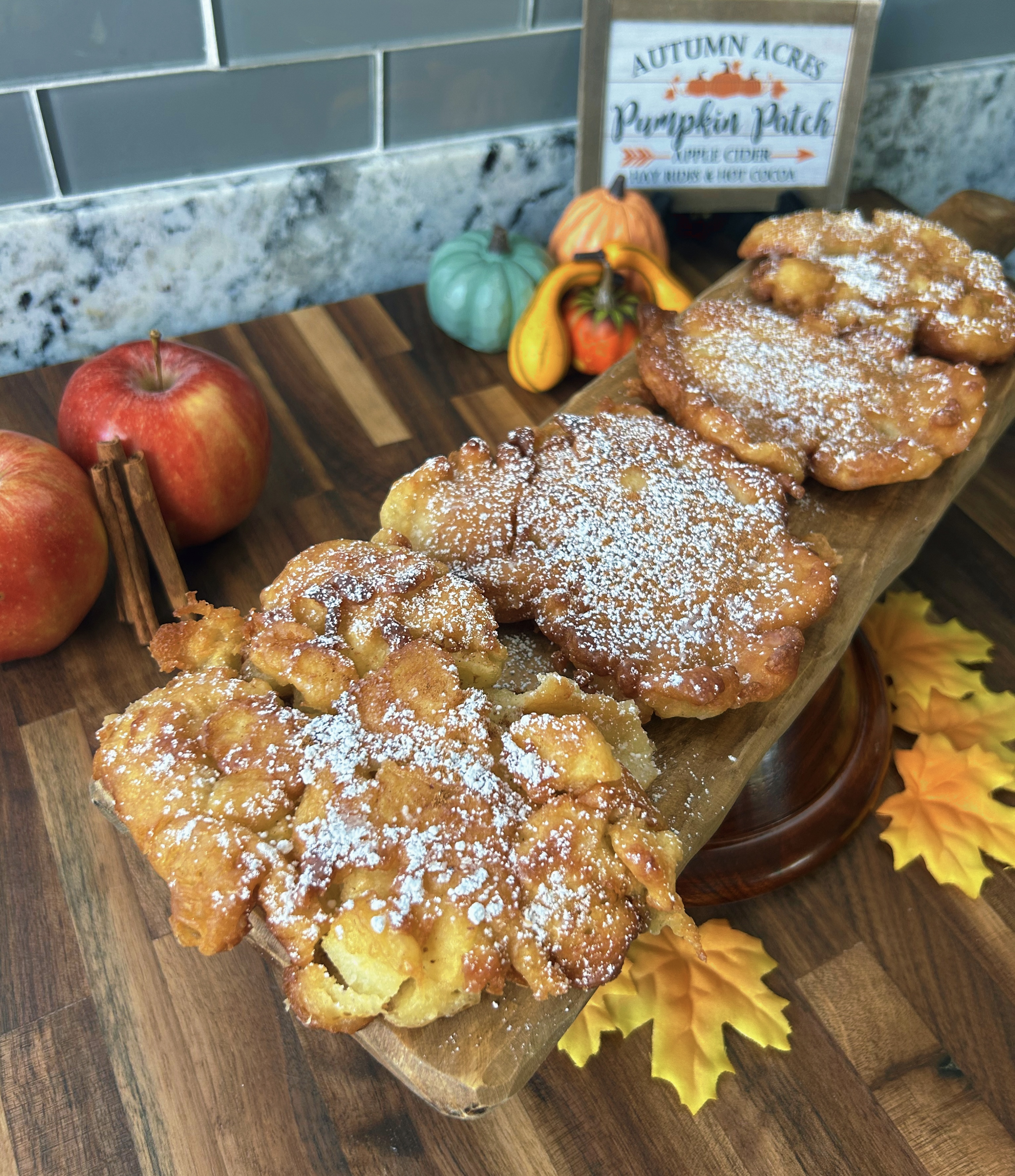
Traditional Apple Fritters
Ingredients
- 2 large apples such as Honeycrisp, Fuji, or Gala, peeled, cored, and finely chopped
- 2 large eggs
- 1 cup whole milk
- 1 cup all-purpose flour
- 1 ½ teaspoons baking powder
- 2 tablespoons sugar
- ½ teaspoon salt
- Zest of 1 lemon
- 1 teaspoon lemon juice
- Neutral frying oil vegetable, canola, or lard, enough for shallow frying
- Powdered sugar for dusting
- Ground nutmeg or cinnamon for finishing
Instructions
- Prepare the apples: Peel, core, and finely chop the apples. Place them in a small saucepan with a splash of water and parboil for 2–3 minutes, until slightly softened but not mushy. Drain and cool.
- Make the batter: In a mixing bowl, whisk the eggs until light. Add the milk and combine. In another bowl, whisk together flour, baking powder, sugar, and salt. Slowly fold the dry mix into the wet until a thick batter forms.
- Flavor the batter: Stir in lemon zest, lemon juice, and the cooled apples. The batter should be thick, almost like pancake batter.
- Heat the oil: In a heavy skillet, pour in 1 inch of oil and heat over medium-high until 350°F. Test with a small drop of batter—it should sizzle immediately.
- Fry the fritters: Drop heaping spoonfuls (2–3 tablespoons each) of batter into the hot oil. Fry 2–3 minutes per side until puffed and golden. Flip once for even cooking. Drain on paper towels.
- Finish and serve: While still warm, dust with powdered sugar and sprinkle with cinnamon or nutmeg. Best enjoyed hot and fresh.
Video
Notes
- Apple choice matters – A firm, juicy apple like Honeycrisp, Gala, or Fuji holds its shape well when fried, giving the fritters little bursts of texture.
- Oil temperature is key – Keep the frying oil around 350°F. Too hot, and the fritters will brown before the center cooks; too cool, and they’ll absorb oil and turn greasy.
- Serve immediately – Apple fritters lose their crispness as they cool. Dust with sugar while still warm and enjoy them fresh from the pan for the best texture and flavor.