When we picture Byzantine food, most people imagine lavish banquets in Constantinople or long fasting tables in Orthodox monasteries. The truth is that Byzantine cooking often fell somewhere in between.
If you’re enjoying my recipes, check out my e-cookbooks- now 40%!
Their cuisine was simple, pastoral, and deeply shaped by the long inheritance of the Roman world. One of the most fascinating examples is a dessert that survives through fragments, commentaries, and living tradition. This is the honey ricotta cheesecake known in reconstructed form as plakounta tyroenta. It is a light, custard like sweet cheese pie made from nothing more than fresh cheese, eggs, wheat, and honey. The ingredients are basic, but the history behind them stretches back more than two thousand years.
This dish is the continuation of an ancient Mediterranean lineage. It grew from Roman cheesecakes recorded by Cato the Elder and evolved through Byzantine agricultural manuals, monastic traditions, and Greek island cooking. Today, it remains one of the simplest historical desserts you can recreate. Everything in it comes from the fields, hives, and herds that sustained the Byzantine Empire. The minimal preparation reflects the practical nature of medieval cooking, and the flavor shows how refined a few common ingredients can be.
Origins in the Roman World
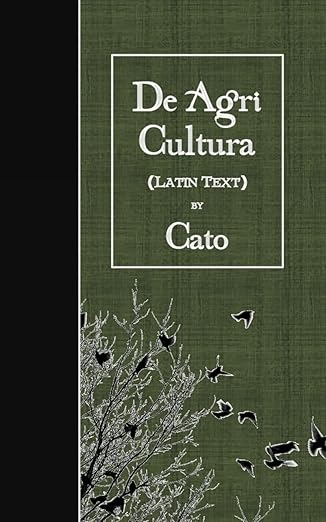
The earliest ancestor of this Byzantine cheesecake appears in Cato the Elder’s De Agri Cultura from the second century BCE. In it, he records two rustic cheesecakes called libum and savillum. Both use fresh cheese mashed with flour and eggs, then sweetened with honey and baked until set. These dishes were offerings to the household gods, but they were also eaten as everyday treats. The structure of Cato’s recipes a base of fresh cheese enriched by honey and bound with grain shows the foundation of what Byzantines would later continue.
As the Roman Empire shifted eastward and became the Byzantine Empire, the culinary framework remained intact. Roman baking traditions, dairy practices, and honey based sweets did not vanish. Instead they blended into the Greek speaking culture of the Eastern Mediterranean, creating a continuous chain of culinary memory. Food writers such as Athenaeus and later Pliny describe sweet cheese based cakes, while Byzantine scholars preserved references to honey pies, wheat thickeners, and soft cheeses used in baked desserts. All of these form the bridge between Roman cheesecake and its medieval successor.
The Byzantine Context
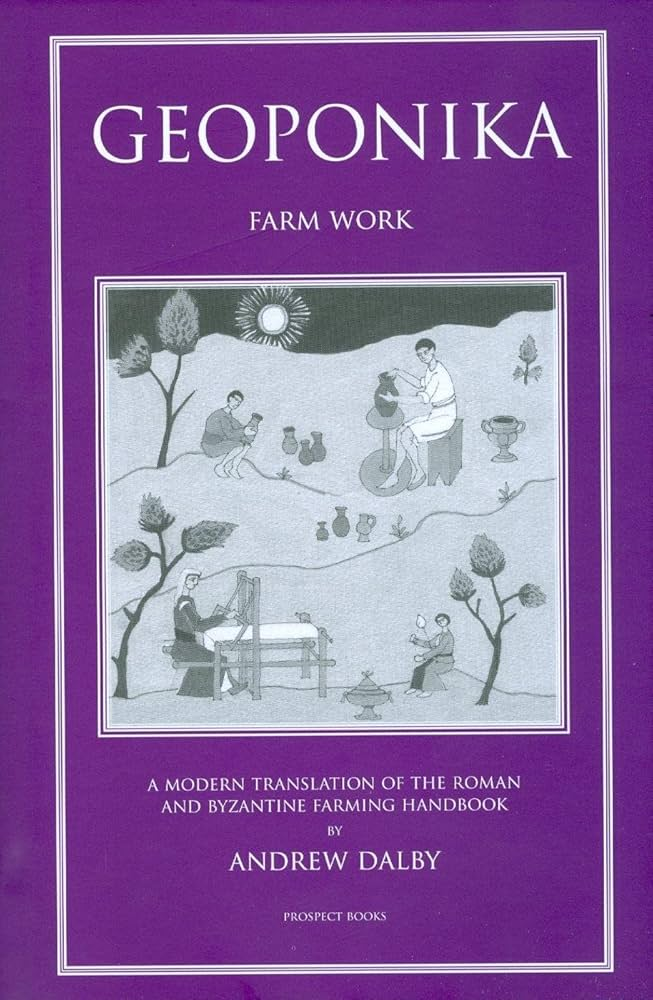
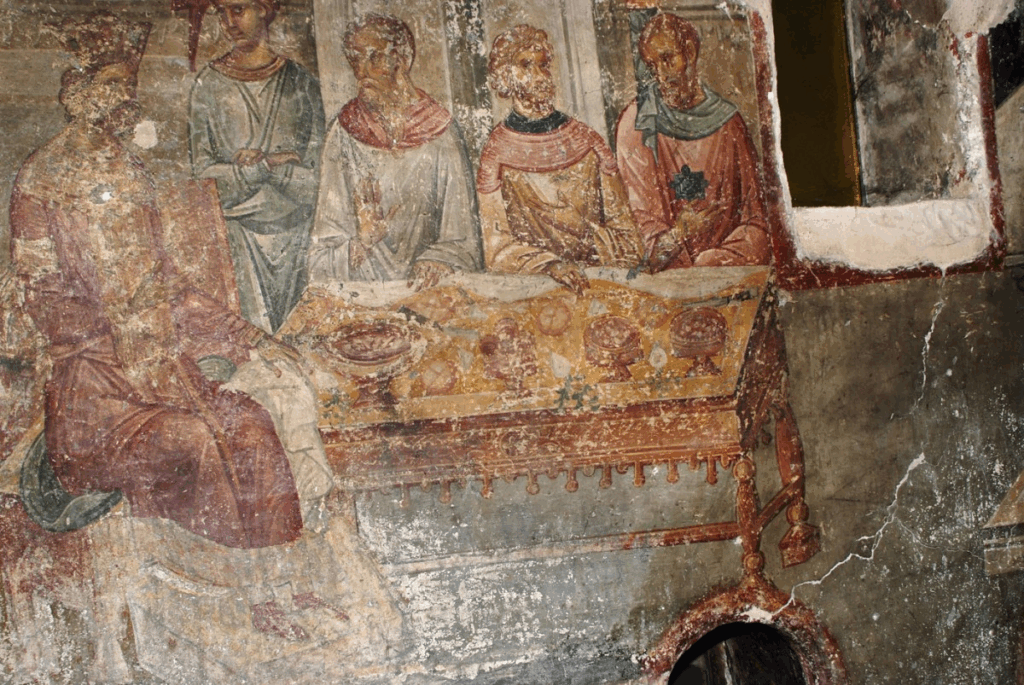
By the middle Byzantine period, sweet cheese pies appeared during feast days and on the non fasting tables of monasteries and rural households. The tenth century agricultural manual Geoponika contains scattered references to dairy processing, honey preparation, and baked sweets that match the components of this recipe. Household accounts and monastic rules also mention simple cheese cakes served during the Easter season when dairy returned to the diet after Lent. These dishes were not extravagances of the imperial court. They were common sweets that could be made anywhere goats, sheep, wheat, and honey could be found.
Even small villages had everything needed to make this dessert. Sheep and goat herding was widespread across the empire, which meant fresh cheeses like ricotta, mizithra, or anthotyro were always available. Honey was inexpensive and widely produced, since bees thrived across the Mediterranean. Semolina and wheat flour were staples of daily bread making. Put together, these ingredients created a dessert that was accessible to nearly every social class. There was no need for refined sugar, imported spices, or elaborate oven techniques. The result was a sweet pie that tasted luxurious despite its simplicity.
Ingredients of Empire
The flavors reveal the broader world of Byzantine trade and cultural exchange. Honey provided the primary sweetness, just as it had for Roman and Greek cooks for centuries. Semolina or wheat flour helped the mixture set into a firm pudding like texture. Rosewater sometimes appeared in Byzantine sweets, a legacy of contact with Arab and Persian cooking. Grape must syrup, known as petimezi, added depth and is still used across Greece today. Cinnamon existed in the empire and was appreciated, though used sparingly because it required long distance trade. When blended carefully, these ingredients created a dessert with a clear Byzantine signature.
The texture sets this cheesecake apart from the modern versions we know today. It is lighter, softer, and more custard like because it is made entirely from fresh cheese and honey rather than dense cream cheese and sugar. There is no crust at the bottom, which gives the dish a smooth and almost pudding like base. When you slice into it, the knife glides through the cake with barely any resistance. The sweetness remains gentle and floral, never overwhelming, and the honey gives it a golden color that feels ancient in the best possible way.
Why It Is So Easy to Make
One of the biggest surprises is how effortless this recipe is. It mirrors the simplicity of medieval kitchens, which lacked stand mixers, water baths, or complicated baking equipment. You mix the ingredients in one bowl, pour them into a dish, and bake until set. That is all it requires. Byzantine households saved fuel whenever possible, so desserts needed to be efficient. This one comes together in minutes and can be cooked alongside a loaf of bread or a pot of stew, just as medieval cooks would have done.
Because of its simplicity, this dessert feels timeless. The ingredients are unchanged from those used by shepherds, beekeepers, and household cooks a thousand years ago. When you make it today, you are tasting something that connects directly to everyday Byzantine life. It is comforting, delicate, and full of quiet richness. Most importantly, it reminds you that the people of the past enjoyed the same small pleasures we do. A bit of cheese, a drizzle of honey, and the warmth of a hearth were enough to create something memorable.
My Review
When I tasted it for the first time, I immediately understood why this recipe survived through so many generations. It has the gentleness of honey, the richness of fresh cheese, and a smooth custard like texture that feels unlike any modern dessert. Every bite carries a little history. It is rustic and elegant at the same time, and you can taste the Roman foundation beneath the Byzantine layers of flavor. It is one of the easiest historical recipes I have made and one of the most satisfying.
I give it a 9.3 out of 10.
Byzantine Honey Ricotta Cheesecake (Plakounta Tyroenta)

Byzantine Honey Ricotta Cheesecake (Plakounta Tyroenta)
Ingredients
- 2 cups ricotta cheese or mizithra, anthotyro, or farmer’s cheese
- 3 large eggs
- ½ cup honey plus more for drizzling
- 2 tablespoons semolina or wheat flour
- pinch of salt
- Optional historical additions
- 1 teaspoon rosewater or 1 teaspoon grape must syrup
- a little cinnamon
- poppy and sesame seeds for topping
Instructions
- Preheat oven to 350°F (175°C).
- In a mixing bowl, whisk the ricotta until smooth.
- Add the eggs, honey, semolina, and salt. Stir until fully combined.
- If using, add rosewater, grape must syrup, or cinnamon. Mix well.
- Pour the mixture into a greased baking dish.
- Bake for 50 to 60 minutes, or until the edges are set and lightly golden and the center has a gentle custard like jiggle.
- Cool for at least 15 minutes to help the cheesecake firm.
- Drizzle with extra honey and toppings before serving.
Video
Notes
- Different ricotta brands hold different levels of moisture, so baking time can vary. Bake until the center has only a slight jiggle.
- Semolina adds firmness and is historically accurate, but the recipe will still work without it.
- Sheep or goat ricotta creates a richer and more authentic flavor.