Eating like a Soviet gulag prisoner for a day forces you to step into one of the most brutal systems of the twentieth century. The gulags were the backbone of Stalin’s forced labor empire, a network of remote camps stretching from the Arctic timber zones to the coal fields of Siberia.
These were not small facilities. At their height, they held millions of prisoners, and over the decades, tens of millions passed through their gates. Many were not criminals at all. They were artists, peasants, teachers, soldiers, political dissidents, ethnic minorities, or simply people caught in the wrong place at the wrong time. Inside this system, food was as important as shackles. It was the mechanism that determined who lived long enough to work another day.
Historical Sources Behind This Reconstruction
My sources for this reconstruction come directly from the NKVD’s official ration manuals, which listed exact gram measurements for each category of prisoner, and from Aleksandr Solzhenitsyn’s monumental work The Gulag Archipelago, which provides the human perspective behind those numbers. These two bodies of evidence give us a hauntingly complete picture.
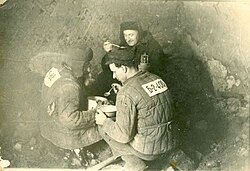
The state kept meticulous records, and survivors remembered the details with painful clarity. Food was never simply food in the gulags. It was a tool of discipline, punishment, and control.
Breakfast: Barley Porridge, Bread, and Tea
Breakfast in the camps was the closest thing prisoners had to a predictable meal. It consisted of a thin barley porridge, a small piece of stale bread, and a cup of weak tea. The porridge was little more than barley simmered in water until slightly thickened.
There was no milk, no fat, and no seasoning beyond what prisoners stole or traded. Bread was dense, sour, and often made from low-quality grains mixed with fillers. Prisoners learned to ration it carefully, sometimes nibbling at it throughout the day to stretch out the calories. This was survival food in the most literal sense, designed only to keep a starving body moving a little longer.
Lunch: Scrap-Bone Broth and Stale Bread
Lunch exposed the cruelty of the rationing system. Prisoners were given a bowl of thin broth made from animal scrap bones that had been boiled multiple times, called “balanda”. The broth was often translucent and nearly flavorless. Into this went potato peels, bits of wilted cabbage leaves, and the occasional sliver of onion if the camp had any left.
According to NKVD tables, the soup alone contained almost no calories. Bread was the only meaningful nourishment, and even that was rationed tightly. For inmates working twelve-hour days felling timber in the snow, mining, or construction work, the calorie deficit widened dangerously with every passing hour.
Dinner: Barley Thickened Soup, Bread, and Sugar
Dinner mirrored lunch, with one small difference. A handful of barley was added to the balanda to create a slightly thicker mixture. Prisoners ended their day with their final piece of bread and their single tablespoon of sugar. Many saved this sugar as a tiny emotional anchor.
Added to hot water, it became one of the few bright moments in a world defined by cold, hunger, and exhaustion. These three meals combined to roughly 1200 calories per day. The human body requires far more just to stay warm in subzero conditions, let alone to perform forced labor. The shortfall was deliberate. Hunger made prisoners more compliant, more desperate, and easier to break.
Food as a Method of Control
The gulag food system was built on that imbalance. Prisoners who met labor quotas received slightly larger rations, while those who failed fell into starvation categories. The camp system used food to determine who lived and who died. Malnutrition spiraled into disease.
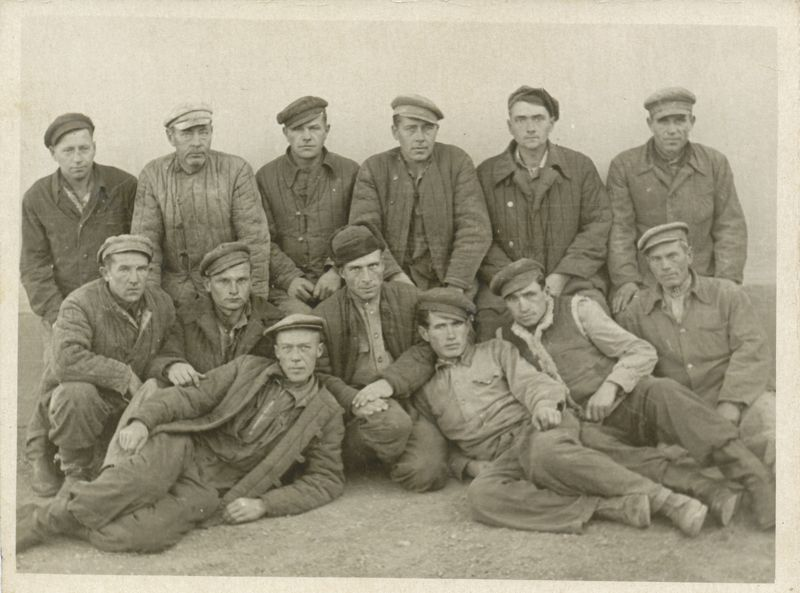
Night blindness, scurvy, frostbite, and muscle deterioration spread through the barracks. Many prisoners remembered nothing more vividly than hunger, because hunger never left them. It shaped every hour and every thought.
Why This Video Matters
Recreating this day of eating is not meant to trivialize or imitate the suffering of gulag prisoners. It cannot. Instead, it is meant to educate and to honor their memory. Food is one of the most accessible windows into history, and in this case, it reveals the harsh reality of a political system that weaponized starvation. At a time when many in the United States prepare abundant meals for Thanksgiving, it feels especially important to pause and reflect on those who endured the opposite: deprivation so intense that survival itself became extraordinary.
For that reason, I will not be rating this meal. This is not food meant to entertain or satisfy. It is food that represents a human tragedy. It is a reminder of the resilience of those who lived through it and a tribute to the millions who did not.
The Day of Eating: Gulag Ration Meal

The Day of Eating: Gulag Ration Meal
Ingredients
Breakfast
- ½ cup barley
- 1 ½ cups water
- 1 small piece stale bread about 150 g according to NKVD rations
- 1 cup weak black tea or hot water
Lunch
- 4 cups water
- 1 –2 cleaned scrap bones beef or pork
- handful potato peels
- handful cabbage scraps
- small piece of onion
- 1 small piece stale bread
Dinner
- Remaining bone broth soup from lunch
- ¼ cup barley
- 1 small piece stale bread
- 1 tablespoon sugar
- Hot water or weak tea
Instructions
Breakfast: Barley Porridge and Bread
- Add barley and water to a small pot.
- Simmer until the mixture thickens slightly, about 15–20 minutes.
- Do not add fat, milk, salt, or sugar.
- Serve with stale bread and weak tea.
Lunch: Thin Scrap-Bone Soup
- Place bones in a pot with 4 cups of water.
- Simmer for 45–60 minutes until the water becomes slightly cloudy.
- Add potato peels, cabbage scraps, and a small amount of onion.
- Cook 20 minutes more.
- Serve with stale bread.
Dinner: Barley Soup, Bread, and Sugar
- Reheat leftover soup from lunch.
- Add barley and simmer until soft.
- Serve with your final bread ration.
- Dissolve the tablespoon of sugar into hot water or tea.
Notes
- The soup is intentionally thin. Adding more vegetables or fat would make it historically inaccurate.
- The bread ration is the main calorie source. Reducing it dramatically changes the realism.
- This meal is educational and should not be eaten regularly. The nutritional deficiencies are severe.