There is something compelling about stepping directly into the shoes of a Roman soldier. These men were not just fighters. They were the backbone of an empire that stretched across three continents and shaped the foundations of Western civilization. Every mile they marched, every fort they built, and every battle they fought was powered by the food they carried on their backs. When you choose to eat like a Roman legionary for a day, you experience the simple but deliberate diet that fueled one of the most disciplined fighting forces in history.
If you’re enjoying my recipes, all of my e-cookbooks are currently 40% Off in the Eats History Shop!
To dine as they did is not to indulge in the extravagant banquets of Roman elites. Instead you enter a world of practical nourishment. Roman soldiers ate foods that were portable, durable, and designed to keep a man alive under strain. Their meals were not made for pleasure. They were engineered for survival. Yet within these simple dishes is a fascinating record of Roman taste, ingenuity, and the military machine that sought to conquer the world.
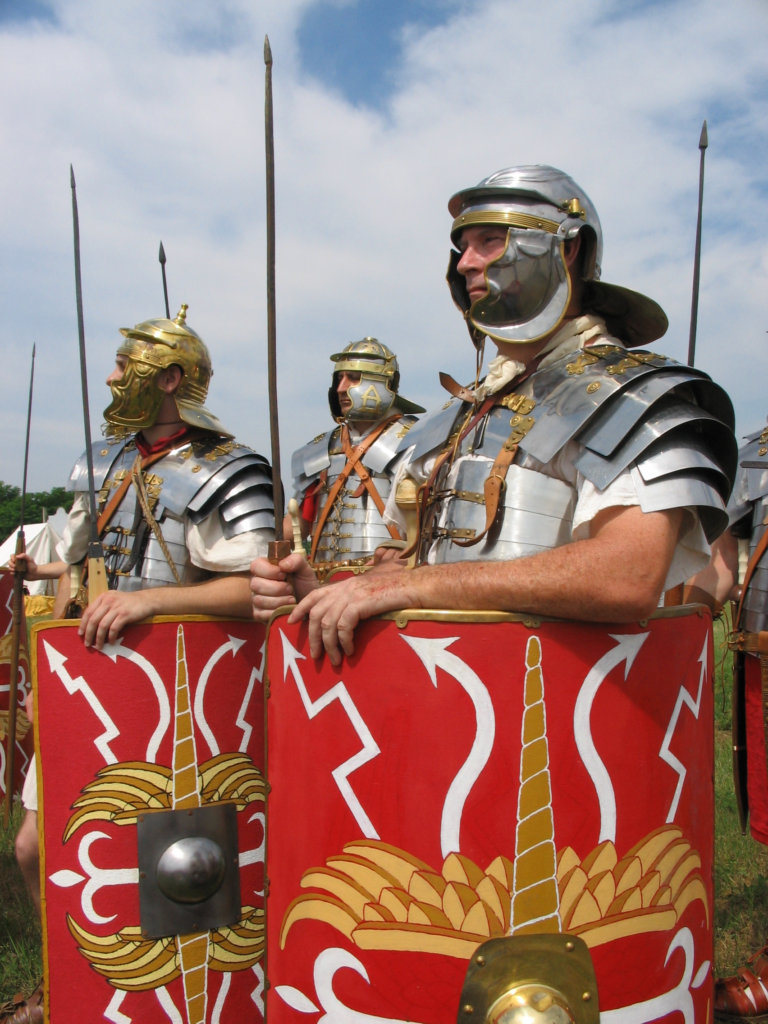
Reconstructing a day in the life of a legionary through food also reveals the surprising sophistication hidden beneath their rugged simplicity. Their ingredients came from far-flung provinces. Their techniques reflected centuries of experimentation. Their flavors were shaped by Roman trade and Roman identity. Even the humblest bowl of puls or a sip of posca tells a small story about an empire that believed discipline and order extended into every part of life.
Today’s experiment is built from historical sources, archaeological evidence, and the writings of Roman agronomists and historians who left behind clues to the daily meals of soldiers. What follows is an immersive day of eating that blends practicality with history. It shows what it truly felt like to march beneath the standard of Rome, fueled only by what you could carry.
Ancient Sources That Guide This Meal Plan
Understanding the diet of a Roman soldier requires assembling fragments from several ancient authors. Cato the Elder in De Agri Cultura describes ingredients such as farro wheat, salted pork, legumes, cheese, and vinegar, all of which overlap with known military provisions. Vegetius in Epitoma Rei Militaris outlines the importance of discipline and ration structure, emphasizing that soldiers must sustain themselves on foods that store well and provide long lasting energy. Although he writes later than the early imperial period, his descriptions reflect traditions that changed very little over centuries.

Archaeology has also filled gaps that ancient writers left untouched. Excavations at Vindolanda, Masada, and other frontier forts show extensive remains of wheat, barley, peas, figs, olive pits, and amphora fragments that once carried fish sauce. These remains confirm that puls, legumes, dried fruits, pork, and garum flavored the daily lives of soldiers. The presence of grinding stones in barracks suggests that soldiers milled their own grain rather than rely on fully processed flour. This speaks volumes about the physical workload expected of them even outside battle.
The writings of Apicius also provide insight into Roman approaches to seasoning. Although Apicius was not a soldier, the consistent use of garum, herbs, and vinegar across Roman society reveals the palate of the time. Soldiers did not eat luxurious sauces, but they used the same basic flavor principles in simplified form. Even the drink posca, a mixture of water and sour wine vinegar, appears in Plutarch and other sources as a common refreshment among lower-class Romans. Drawing from these texts allows us to reconstruct meals that are both historically faithful and grounded in real culinary practices.
Military Rations and the Common Fare of Roman Soldiers
The Roman military ration system was built around reliability. Grain formed the absolute core because it could be stored for long periods and transformed into porridge, bread, or gruel depending on circumstances. Soldiers received grain as a raw product and were expected to grind, cook, or bake it themselves. This gave them independence and ensured that food was always available even when supply lines stretched thin. Farro wheat, emmer, and barley were the most common grains, used to create both puls and dense field breads.

Salted pork belly was another key ration. It was preserved in slabs by heavy salting and could be fried, boiled, or stewed depending on need. Unlike fresh meat, it lasted for months and provided steady fat and protein. Legumes such as peas and lentils supplemented the grain. These foods were inexpensive, filling, and nutritionally valuable. They were also easy to transport and cook. Roman soldiers across different provinces likely relied on them during long marches or winter garrison life.
For flavor, soldiers used what the Roman world provided in abundance. Garum, a fermented fish sauce, was inexpensive and widely traded. It made even the plainest grain dish taste appealing. Vinegar, mixed with water to create posca, offered hydration and killed bacteria. Dried figs were a portable source of sugar and minerals. Hard cheeses like pecorino provided extra protein and salt during long campaigns. Taken together, these staples formed a diet that was humble but surprisingly complete, keeping Roman troops marching thousands of miles over difficult terrain.
Breakfast: Savory Puls with Pork, Garlic, Figs, and Posca
Breakfast for a legionary was not indulgent. It was a utilitarian bowl of hot grain meant to fortify the body before marching. Puls was the foundational porridge of Roman cuisine. Made from farro or emmer wheat cooked down until soft, it provided slow and steady energy. Soldiers often flavored it with whatever they had. In this reconstruction the puls is enriched with garlic, salted pork belly, and garum. The garlic adds warmth, the pork adds richness and calories, and garum supplies a salty complexity that Romans found essential.
Alongside puls, dried figs offer an immediate burst of natural sugar. Romans carried figs because they stored well and traveled easily. They also paired well with grain dishes and provided small moments of sweetness during a soldier’s difficult routine. Eating figs with puls would have been entirely natural for a legionary. It balances the savory and salty porridge with a bright, fruity note.
A cup of posca completes the breakfast. This drink, a mixture of water and vinegar, was refreshing and hygienic. It also cut through the heaviness of the pork and grain. Posca might sound unusual today, but when performing physical labor it becomes surprisingly pleasant. The acidity helps stabilize hydration and settles the stomach. Together this breakfast is hearty without being excessive, and it reflects exactly how Romans viewed food: a tool for survival.
Midday Meal: Buccellatum and Hard Cheese
By midday Roman soldiers needed another quick hit of calories, but not a sit down meal. Buccellatum, or hard tack, was the standard solution. This extremely dry, durable bread was baked until it was nearly indestructible. Soldiers broke pieces off and chewed them slowly, softening them with water, wine, or posca. Buccellatum might not be glamorous, but it delivered dense, portable sustenance. Archaeological finds and the writings of Vegetius confirm that this type of bread was used extensively during marches.
Hard sheep cheese, much like modern pecorino romano, accompanied the buccellatum. This cheese is salty, firm, and able to withstand travel. Romans valued cheese for its protein content and for its ability to preserve milk in a compact form. Eating a few ounces of cheese with buccellatum supplies enough energy to push through the remainder of a march or training day. The combination is simple but effective.
This midday meal is intentionally light compared to breakfast and dinner. Roman soldiers divided their rations to maintain stamina without weighing themselves down. A day’s march could cover fifteen to twenty miles, so food had to be practical. With buccellatum and cheese you feel the stark realism of military life. No frills, no comfort, just enough fuel to keep you going.
Dinner: Split Pea Soup, Pork Belly, Buccellatum, and Posca
Dinner was the one moment in a soldier’s day where warmth and comfort returned. Legumes were among the most common ingredients in the Roman diet. Split peas, onions, and pork create a hearty evening stew that echoes ancient patterns of military cooking. Garum and vinegar provide seasoning, making the otherwise simple ingredients fragrant and satisfying. This type of soup appears widely across Roman culinary tradition and would have been familiar to soldiers stationed anywhere in the empire.
Pan fried salted pork belly adds richness and fat, which soldiers desperately needed after burning calories all day. The pork was usually heavily salted, so frying it helps render some of the fat and soften its texture. When paired with the pea soup it becomes a complete meal that balances protein, fat, and carbohydrates. This combination would have restored strength after a long day of marching or fort duty.
The remaining buccellatum is eaten with the soup. Its dryness makes it ideal for dipping. One final cup of posca closes out the meal. After eating like a Roman soldier you realize how deliberate their food system was. Nothing luxurious, nothing wasted. Everything had a purpose directed toward endurance and survival. This dinner reflects that philosophy perfectly.
Overall Rating: 7.8 out of 10
Eating like a Roman legionary for a full day is surprisingly enjoyable despite the simplicity of the meals. The flavors are earthy and distinctive, especially with the addition of garum and vinegar. The diet is heavily grain based and lean, but the pork belly offers satisfying richness at the right moments. The meals work well for physical activity and you can feel why Roman soldiers relied on them.

There is not much variety, which lowers the overall enjoyment. However, historical accuracy brings its own fascination. The breakfast puls is far better than expected, especially with figs. Buccellatum earns respect for its practicality, even if it is not something you would crave. Dinner is the standout meal. The pea soup and pork combination feels complete and comforting.
This day of eating teaches you something deeper as well. Roman soldiers lived lives of discipline and austerity. Their food mirrored their worldview. Every bite reminds you that empire was built not only by grand strategy, but by the steady endurance of men fueled by humble dishes carried from camp to camp.
Recipes for a Full Day of Roman Legionary Eating

A Full Day of Eating Like a Legionary
Ingredients
Grains and Legumes
- 1 cup farro or emmer wheat
- 1 cup green split peas
Meat and Dairy
- 6 oz salted pork belly 3 oz for breakfast, 3 oz for dinner
- 2 –3 oz pecorino romano
Vegetables and Aromatics
- 1 large onion chopped
- 4 cloves garlic 2 minced, 2 sliced
Seasonings and Flavorings
- 2 tsp garum or asian fish sauce 1 tsp for breakfast, 1 tsp for dinner
- 1 tsp vinegar for soup
- Salt as needed pork belly may already be salty
Roman-Specific Additions
- Dried figs for breakfast
- Buccellatum or hard tack midday meal and dinner
- Posca: water mixed with vinegar 1–2 tbsp vinegar per cup of water
Water
- Approximately 10–12 cups total for cooking and drinks
Instructions
Prepare the Breakfast Puls
- Rinse 1 cup farro and add to a pot with 3 cups water. Simmer until the grains soften.
- Dice 3 oz salted pork belly and fry until golden.
- Add minced garlic to the pork and cook briefly.
- Stir pork and garlic into the cooked farro and season with 1 tsp garum.
- Serve with dried figs and a cup of posca (water + vinegar).
Prepare the Midday Meal
- Break 2 pieces of buccellatum into manageable pieces.
- Eat with 2–3 oz pecorino romano.
- Dip buccellatum in water or posca if too hard to chew.
Prepare the Dinner Split Pea Soup
- Combine 1 cup split peas, 4 cups water, chopped onion, and sliced garlic in a pot.
- Simmer until the peas break down and thicken.
- Season with 1 tsp garum and 1 tsp vinegar.
- Fry the remaining 3 oz salted pork belly until crisp.
- Serve the pea soup with the pork belly on top or alongside.
- Eat with the remaining buccellatum and a final cup of posca.
Video
Notes
- Salted pork varies in intensity: If your pork belly is extremely salty, soak it in water for 30 minutes before frying. Ancient Roman salt pork was heavily cured, so adjust to taste.
- Garum is strong, so start small: Modern fish sauce is more concentrated than many versions of Roman garum. Begin with smaller amounts and increase slowly to avoid overpowering the dish.
- Posca hydration is surprisingly effective: Posca may sound unusual, but the vinegar cuts through the heaviness of the pork and grains. It also mimics the electrolyte effect Roman soldiers relied on, especially when eating dense rations.