
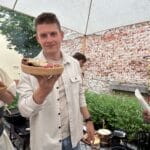
This full day of Roman legionary eating brings together the essentials of a soldier’s life on campaign: hearty grain porridge, dried rations built for endurance, and a simple evening stew that restores strength after miles on the march. Each component is rugged but deeply tied to Roman identity. The savory puls provides sustained energy and surprising flavor thanks to garum and pork. The midday buccellatum and pecorino offer quick, durable calories, while the split pea soup in the evening brings warmth and comfort that soldiers likely cherished. Combined, these meals reflect a diet engineered for stamina rather than pleasure, yet they reveal a subtle Roman palate shaped by vinegar, salted meat, and fermented fish sauce. Rating it as a whole, the day earns a 7.8 out of 10 for its historical accuracy, straightforward flavors, and ability to immerse you in the daily rhythms of Roman military life.
Prep Time 20 minutesmins
Cook Time 1 hourhr30 minutesmins
Ingredients
Grains and Legumes
1cupfarro or emmer wheat
1cupgreen split peas
Meat and Dairy
6ozsalted pork belly3 oz for breakfast, 3 oz for dinner
2–3 oz pecorino romano
Vegetables and Aromatics
1large onionchopped
4clovesgarlic2 minced, 2 sliced
Seasonings and Flavorings
2tspgarum or asian fish sauce1 tsp for breakfast, 1 tsp for dinner
1tspvinegar for soup
Salt as neededpork belly may already be salty
Roman-Specific Additions
Dried figsfor breakfast
Buccellatum or hard tackmidday meal and dinner
Posca: water mixed with vinegar1–2 tbsp vinegar per cup of water
Water
Approximately 10–12 cups total for cooking and drinks
Instructions
Prepare the Breakfast Puls
Rinse 1 cup farro and add to a pot with 3 cups water. Simmer until the grains soften.
Dice 3 oz salted pork belly and fry until golden.
Add minced garlic to the pork and cook briefly.
Stir pork and garlic into the cooked farro and season with 1 tsp garum.
Serve with dried figs and a cup of posca (water + vinegar).
Prepare the Midday Meal
Break 2 pieces of buccellatum into manageable pieces.
Eat with 2–3 oz pecorino romano.
Dip buccellatum in water or posca if too hard to chew.
Prepare the Dinner Split Pea Soup
Combine 1 cup split peas, 4 cups water, chopped onion, and sliced garlic in a pot.
Simmer until the peas break down and thicken.
Season with 1 tsp garum and 1 tsp vinegar.
Fry the remaining 3 oz salted pork belly until crisp.
Serve the pea soup with the pork belly on top or alongside.
Eat with the remaining buccellatum and a final cup of posca.
Video
Notes
Salted pork varies in intensity: If your pork belly is extremely salty, soak it in water for 30 minutes before frying. Ancient Roman salt pork was heavily cured, so adjust to taste.
Garum is strong, so start small: Modern fish sauce is more concentrated than many versions of Roman garum. Begin with smaller amounts and increase slowly to avoid overpowering the dish.
Posca hydration is surprisingly effective: Posca may sound unusual, but the vinegar cuts through the heaviness of the pork and grains. It also mimics the electrolyte effect Roman soldiers relied on, especially when eating dense rations.