Today, oliebollen are inseparable from New Year’s Eve in the Netherlands. Warm, fried, dusted heavily with powdered sugar, they mark the final hours of the year and the hopeful beginning of the next. But the oliebollen people eat today are the result of centuries of evolution. The original version was something far simpler, heavier, and more practical.
If you’re enjoying my recipes, all of my e-cookbooks are currently 40% Off!!
The earliest written record of oliebollen appears in 1667, during the Dutch Golden Age. At the time, these were not festive party foods or indulgent desserts. They were winter sustenance. Fried batter made from basic pantry ingredients, intended to warm the body and use up stores before the year turned.
Understanding early oliebollen means letting go of the modern idea of doughnuts and embracing a much older logic. This was food designed to endure cold, scarcity, and hard labor. The celebration came later.
The 1667 Source
The first known written recipe for oliebollen appears in De verstandige kock, translated as The Sensible Cook. This cookbook was not written for aristocratic kitchens or elaborate banquets. It was meant for practical households who needed reliable instructions using everyday ingredients.
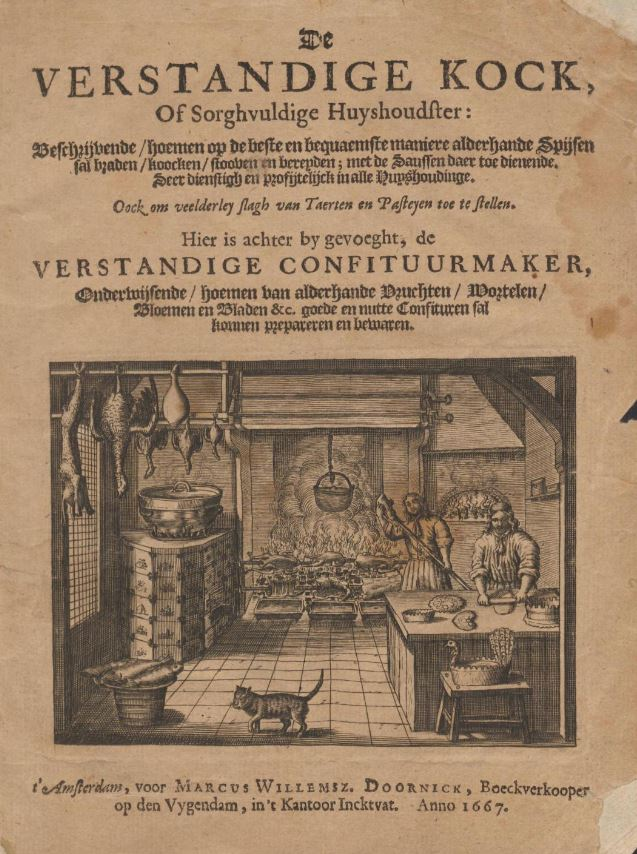
The recipe, called oliekoecken or “oil cakes,” is remarkably brief. Flour is mixed with warm milk or water and yeast, allowed to rise, and then fried in hot oil or fat. Apples, raisins, or currants may be added if available. There is no sugar, no egg, and no spice listed.
This style of recipe writing was typical of the seventeenth century. Cookbooks assumed basic culinary knowledge and did not waste ink on decoration. What mattered was function. The simplicity of the recipe is itself a historical clue.
These oil cakes were not meant to impress. They were meant to feed.
Why Fried Dough Mattered in Winter
Frying dough in oil or fat was a practical winter technique. In cold months, animal fats were stable, stored grains were plentiful, and yeast fermentation still functioned indoors. Fried foods delivered dense calories quickly, which mattered in a pre-industrial world.
The Netherlands in the seventeenth century was wealthy by European standards, but refined sugar was still costly. Eggs were valuable. Spices were imported luxuries. Most households reserved those ingredients for special occasions. Oliekoecken relied on what people already had.
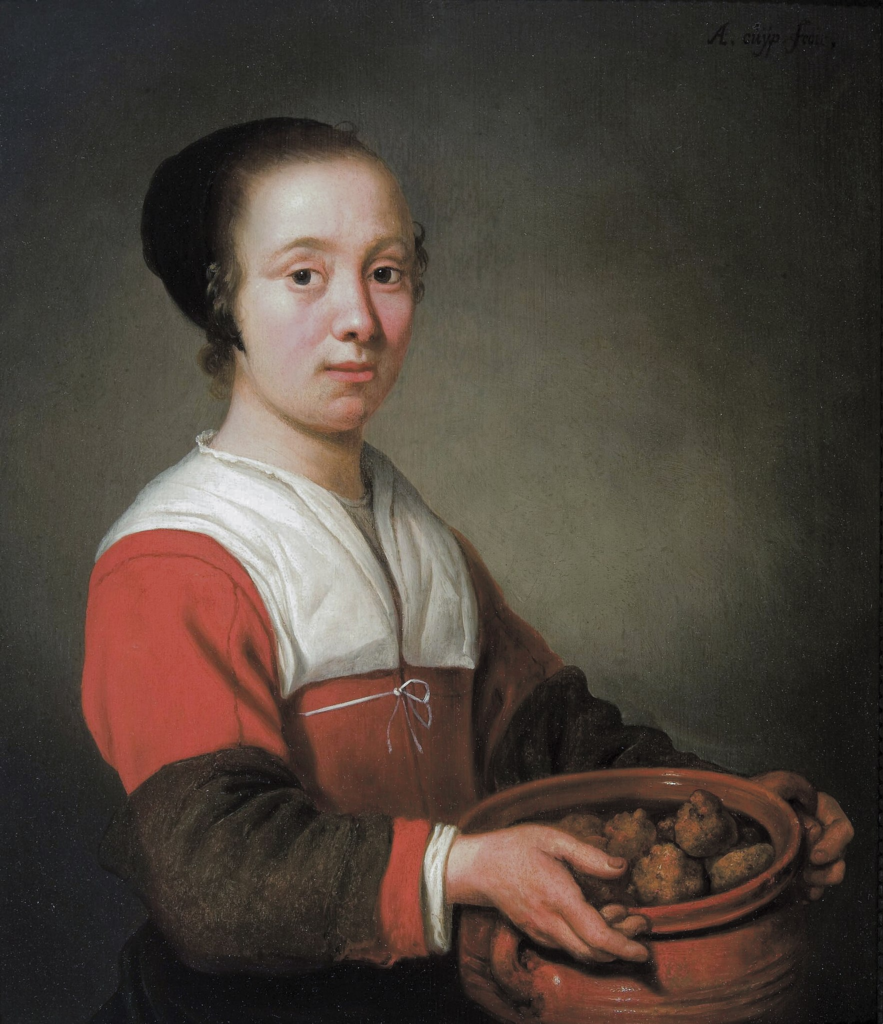
Frying also made sense socially. Large batches could be cooked quickly and shared, whether among family, neighbors, or laborers. These oil cakes were not delicate pastries. They were rustic, irregular, and filling.
This practicality explains why versions of fried dough appear across northern Europe during winter. Oliebollen were part of a broader tradition of surviving the cold.
Older Roots Beneath the Dutch Recipe
Although the written recipe dates to 1667, the idea behind oliebollen is likely much older. Many historians connect oil-fried doughs in the Low Countries to pre-Christian Germanic winter customs associated with Yule.
Frying batter in fat during the darkest part of the year symbolized protection, abundance, and warmth. Rich foods were believed to guard against hunger and misfortune as the calendar reset. Eating something fried and filling at year’s end carried meaning beyond taste.
These older beliefs were gradually absorbed into Christian and civic traditions. By the early modern period, the symbolism remained even if the religious context faded. The food endured because it made sense both physically and culturally.
Oliebollen did not begin as a holiday treat. They became one through repetition and seasonal association.
From Oliekoecken to Oliebollen
Over the eighteenth and nineteenth centuries, oliekoecken slowly transformed. Sugar became cheaper and more widely available. Eggs appeared more frequently in doughs. Batters became lighter and rounder, eventually earning the name oliebollen, meaning “oil balls.”
Street vendors began selling them during winter markets, especially around New Year’s Eve. Their round shape and fried richness made them ideal celebratory food. They were warm, indulgent, and communal.
By the nineteenth century, powdered sugar became a defining feature. The dusting of white sugar gave oliebollen their modern visual identity and pushed them firmly into the category of treats rather than sustenance.
What began as a survival food had become a symbol of festivity.
Recreating the 1667 Version Today
Recreating the 1667 oliebollen requires restraint. This is not a modern doughnut. The batter should be thick and sticky, not kneaded. Fermentation provides structure rather than sweetness.
Apples or dried fruit supply the only sweetness in the original recipe. The flavor is subtle. The texture is irregular. Each piece looks slightly different, as it would have in a seventeenth-century kitchen.
Dusting with powdered sugar, while historically later, is included here intentionally. It reflects how the dish eventually became tied to New Year’s Eve while still respecting the original structure of the recipe.
This approach allows the cook to taste history without sacrificing tradition.
My Review
Eating these early oliebollen is a reminder that many beloved foods began as something else entirely. These are heavier, more bready, and far less sweet than modern versions. They feel closer to fritters than doughnuts.
The fruit comes through in pockets rather than as a dominant flavor. The batter itself is plain, mildly yeasty, and satisfying in a deeply old-fashioned way. They fill you up quickly, which was the point.
Compared to modern oliebollen, these feel honest and utilitarian. Still comforting, but clearly born from a different world. A world where food’s primary job was to get you through winter, not delight you.
That contrast is what makes them worth making.
Recipe: 1667 Dutch Oliekoecken (Early Oliebollen)
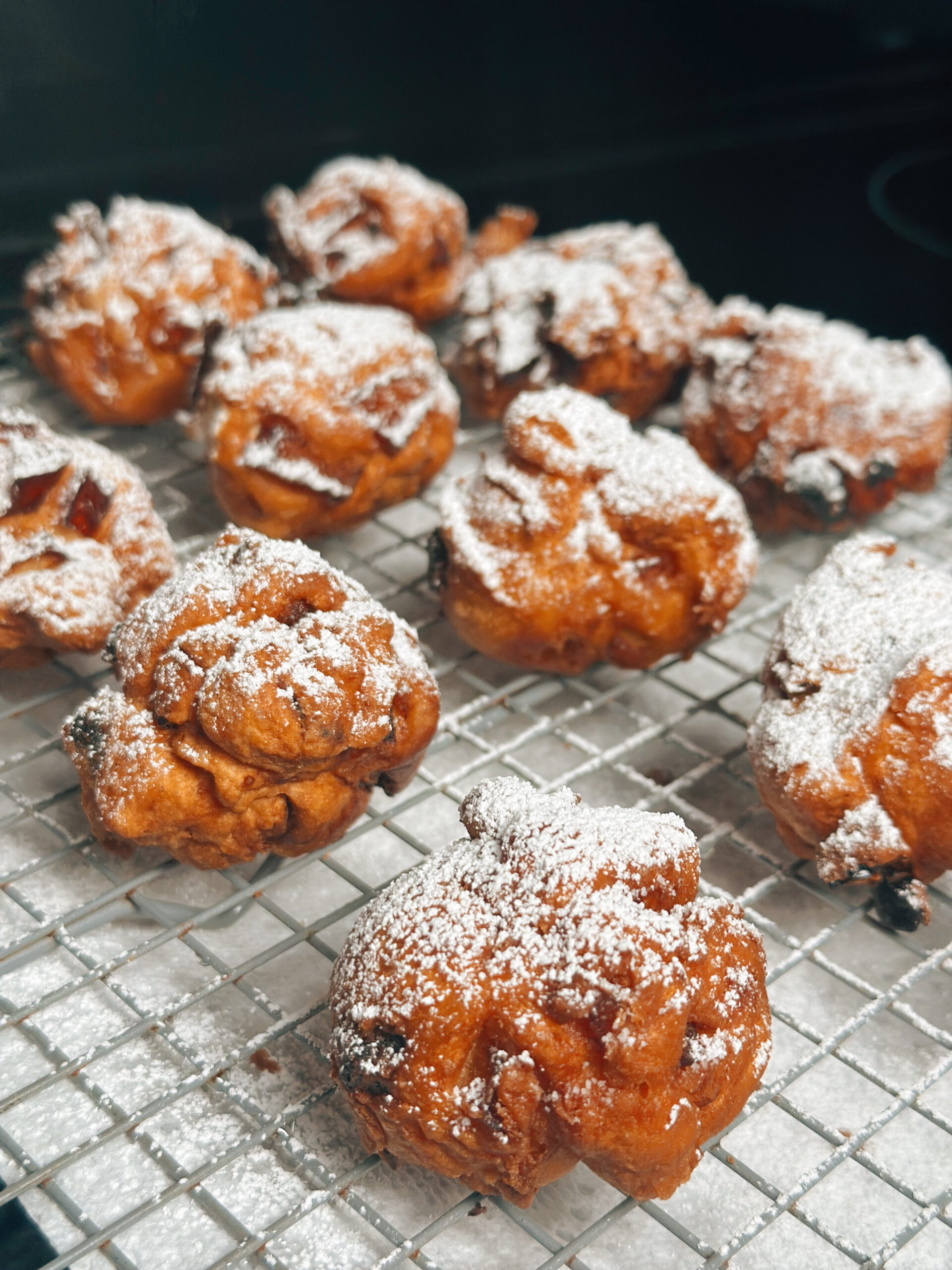
1667 Dutch Oliekoecken (Early Oliebollen)
Ingredients
- 2 cups all-purpose wheat flour
- 1 cup warm milk or water
- 1½ tsp active dry yeast
- Pinch of salt
- Optional additions historically noted:
- Chopped apples
- Raisins or currants
- Oil lard, or beef fat for frying
- Powdered sugar for dusting (later tradition)
Instructions
- Dissolve yeast in warm milk or water and let stand until foamy.
- Stir in flour and salt to form a thick, sticky batter. Do not knead.
- Cover and let rise in a warm place until bubbly and expanded, about 1 hour.
- Fold in apples or dried fruit if using.
- Heat oil or fat in a deep pot until hot but not smoking.
- Drop batter by spoonfuls into the oil and fry until deep golden brown, turning as needed.
- Remove and drain briefly.
- Dust with powdered sugar before serving.
Video
Notes
- This is a batter, not a dough. It should be sticky and loose enough to drop by spoon, which matches early written descriptions.
- Fruit is optional but historically accurate. Apples, raisins, or currants were used depending on what was available in winter stores.
- Powdered sugar is a later addition. For strict authenticity, serve plain, but dusting reflects how oliebollen became a New Year’s Eve tradition.