I Tasted Dog Biscuits in the name of Food History. You’re Welcome.
There are moments in my content creation journey where I have to ask myself how far I am willing to go for the story. Making a chocolate bar designed to taste terrible. Drinking barley water and calling it an ancient Greek ritual. Eating pemmican made from dried bison fat and calling it a survival experience. All of those I have done for this channel without hesitation.
This week I made Milk-Bone dog biscuits from the original documented 1915 formula. And then I ate one. In the interest of full transparency, everything in a Milk-Bone is technically human-grade food. Flour, milk, malt, egg, molasses. There is nothing in there that a human cannot eat. The problem is not the ingredients. The problem is that the resulting biscuit has been calibrated for a palate that also considers the contents of the neighbour’s garden an acceptable snack. For humans it is a 2 out of 10. For dogs, based on the available evidence of how dogs respond to Milk-Bones, it is a 9 out of 10. The story of how this biscuit got from an MIT chemist’s laboratory in 1915 to one of the most recognisable pet food brands in the world is genuinely extraordinary and is the real reason I made this episode.
The Origin: A Chemist, a Slaughterhouse, and a Dog Who Refused a Round Biscuit
The story of Milk-Bone begins in 1907 at the F.H. Bennett Biscuit Company in New York City, which was attempting to find a use for excess milk from a local slaughterhouse. Food waste in the early 20th century American food processing industry was an enormous practical and economic problem. Slaughterhouses and dairies produced far more by-product than the existing market could absorb and the search for commercially viable uses for those by-products drove considerable industrial innovation in the period.
The company approached Carleton Ellis, a chemist who had been trained at MIT and who would go on to hold over 750 patents in his lifetime, making him one of the most prolific inventors in American history. Ellis was asked a specific question: what can we make from surplus milk that will sell? His answer was a dog biscuit. Ellis mixed the excess milk with malt, grain and other products to form a hard, shelf-stable biscuit designed to provide nutrition and dental benefit to domestic dogs. The malt was a key documented ingredient, both because it improved palatability and because it contributed to the biscuit’s browning during baking. The milk, present at a high percentage of the formula, gave the finished product its distinctive flavour and its eventual name.
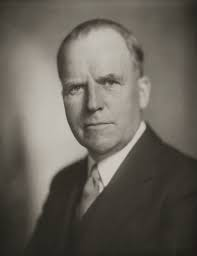
The first version of the biscuit was round. Ellis offered one to his dog. The dog refused it. Ellis, who was a chemist rather than a dog behaviourist but was apparently willing to take experimental feedback from any available source, changed the shape to a bone. The dog ate it. The bone shape was not a branding decision or a marketing insight. It was a single animal’s preference that has since been reproduced approximately 400 million times per year for over a century.
The biscuits were introduced to the market in 1908 initially, but the name Milk-Bone was not used until 1915 when the high milk content of the formula became the primary marketing claim. F.H. Bennett Biscuit Company began calling them Milk-Bone Dog Biscuits specifically to emphasise the nutritional contribution of the milk, positioning them as a health product for dogs rather than simply a treat. This framing, the dog biscuit as health food rather than indulgence, was genuinely novel in 1915 and distinguished Milk-Bone from competitors including Spratt’s, which had dominated the dog biscuit market since the 1860s.
The Formula: What Ellis Actually Put in the Biscuit
The exact proprietary formula for Milk-Bone has never been publicly released. This is standard practice for a commercially successful food product and is the source of my honest frustration in trying to reconstruct this recipe as accurately as possible for the channel. What is documented from the period is the general category of ingredients Ellis used and the key components that the marketing materials emphasised.
Ellis mixed the excess milk, both liquid and dried, with malt, which in this context means malted milk powder or malt extract, grain in the form of wheat flour, and other binding and flavouring agents. The molasses that appears in my reconstruction is a period-appropriate addition based on the colour and flavour profile of the original biscuits documented in early 20th century photographs and descriptions. The beef dripping or lard is consistent with the fat content used in commercial biscuit production of the era.
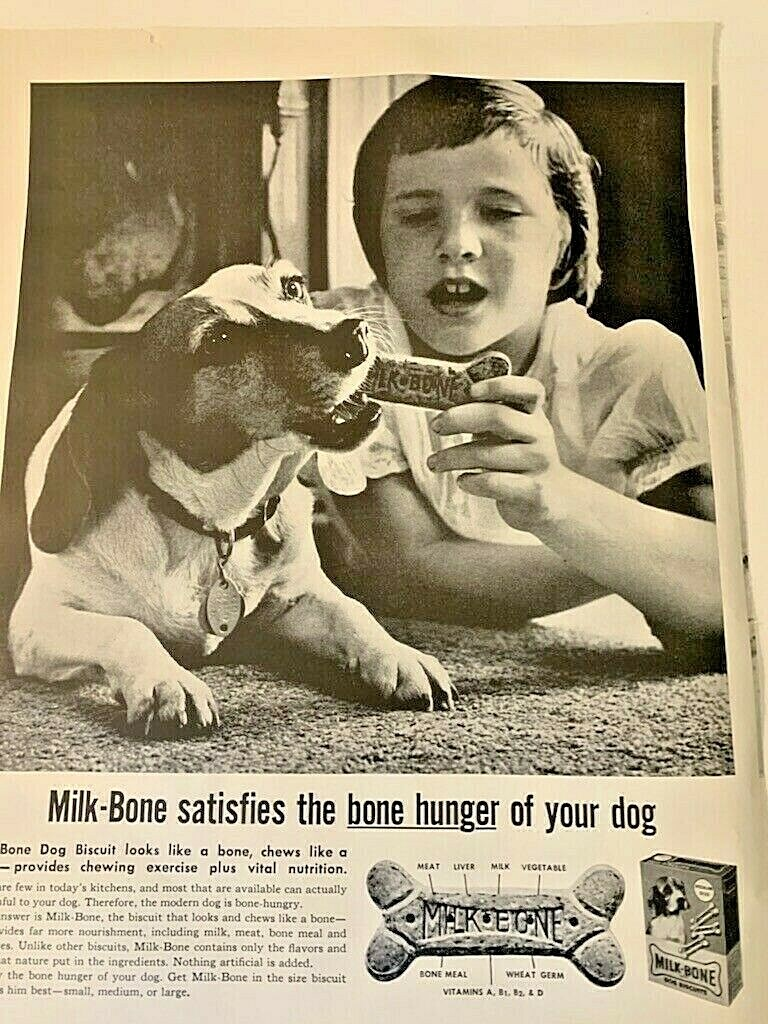
The high milk content, both powdered whole milk and liquid whole milk, is the most thoroughly documented element of the formula because it was the central marketing claim. A Milk-Bone was understood by its creator and its early marketing to be a dairy product for dogs as much as a biscuit, providing calcium and protein from milk alongside the carbohydrates from the grain. Whether this claim was nutritionally significant in the way Ellis and the F.H. Bennett company implied is a question that later animal nutritionists would examine with more scepticism, but it drove the product’s positioning for decades.
The malt is the second thoroughly documented ingredient. Ellis’s background in chemistry and his understanding of fermentation science meant he knew that malt contributed not just flavour but enzymatic activity that improved the digestibility of the grain components. Whether this was a practical nutritional consideration or primarily a palatability decision, malt became a signature element of the Milk-Bone formula and remains listed in the current ingredient declaration.
From New York to Nabisco: How Milk-Bone Became a Household Name
The commercial trajectory of Milk-Bone after its introduction in 1915 is one of the more instructive stories in American consumer food marketing history. The product grew steadily through the 1910s and 1920s as pet ownership in American urban households increased and as the concept of commercially produced pet food began to displace the practice of feeding dogs table scraps and whatever was left over from the family’s own meals.
The critical turning point in Milk-Bone’s national profile came when Nabisco, the National Biscuit Company, acquired the F.H. Bennett Biscuit Company in 1931. Nabisco was at that point one of the largest and most sophisticated food companies in America, with a national distribution network, substantial marketing resources and the brand recognition from products like Oreo and Ritz that would become iconic American consumer products. Bringing Milk-Bone into the Nabisco portfolio gave it access to all of those resources simultaneously.
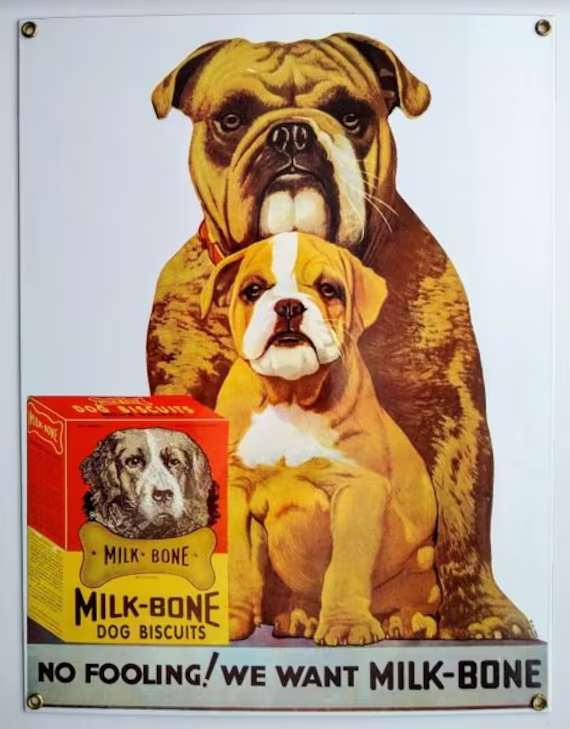
The post-war period was transformative for pet food as a category. American pet ownership exploded in the 1950s and 1960s as suburban families acquired dogs in large numbers and as the cultural understanding of dogs as family members rather than working animals became increasingly mainstream. Milk-Bone was positioned perfectly for this cultural moment. The marketing campaign that developed through the 1950s and 1960s, emphasising Milk-Bone as a treat for a beloved family pet rather than simply a utilitarian dog food product, drove the brand’s penetration into American households at a rate that competitors struggled to match.
Rin Tin Tin, the German Shepherd who became one of the most famous dogs in American entertainment history through his television programme that ran from 1954 to 1959, served as a Milk-Bone spokesperson in the mid-20th century. The association between the most famous dog on American television and a dog biscuit brand was straightforward marketing logic that proved enormously effective. By the time Rin Tin Tin’s television career was ending, Milk-Bone had established the kind of brand recognition that put it in American popular culture vocabulary rather than simply on pet store shelves.
Nabisco sold Milk-Bone to Del Monte Foods in 2006 as part of a broader divestiture of non-core brands. Del Monte subsequently spun off its pet food division as a separate company called Big Heart Pet Brands in 2014. Big Heart Pet Brands was acquired by the J.M. Smucker Company in 2015 for approximately 5.8 billion dollars. A dog biscuit invented from slaughterhouse waste milk by an MIT chemist in 1907, whose shape was determined by the preference of a single test dog, sold for 5.8 billion dollars at its most recent transaction. Carleton Ellis died in 1941 holding over 750 patents and is not believed to have retained significant financial interest in the product by the time of his death. The economics of invention are frequently unkind.
My Rating
The recipe I made reconstructs the documented ingredient profile of the original 1915 formula as closely as the available historical evidence allows. Flour, powdered whole milk, malted milk powder, egg, liquid whole milk, beef dripping, molasses and salt. Nothing in this list is a human food that poses any concern for human consumption. The biscuit is not poisonous, contaminated or dangerous in any way.
It tastes like a very dry, very dense, slightly malty cracker with a faint sweetness from the molasses and an aftertaste that is difficult to describe but unmistakably dog biscuit. The texture requires significant jaw effort. It does not soften quickly in the mouth. It resists. The flavour, while not actively unpleasant in the way that the D-ration chocolate bar was actively unpleasant, is not something you would choose to eat voluntarily when any other option was available. It tastes like food designed for a different palate, which is exactly what it is.
For a dog, however, the combination of beef dripping, malt and milk powder produces something that is, by the available evidence, genuinely appealing. Every dog I have ever watched encounter a Milk-Bone has been enthusiastically in favour of the experience. The recipe works exactly as Ellis designed it to work. It is simply not designed for me.
Human rating: 2 / 10. 10 Dog rating: 9 / 10.
The Recipe: 1915 Milk-Bone Recreation
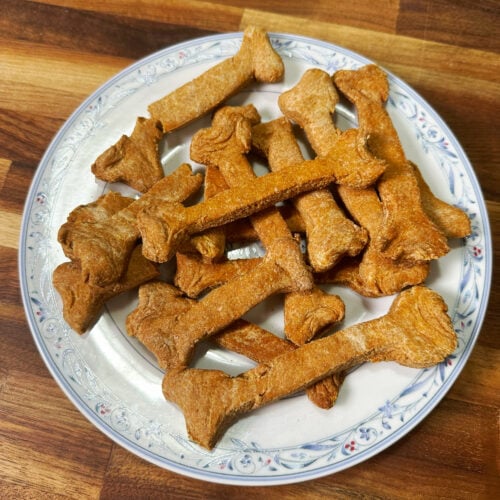
Original 1915 Milk-Bone Formula
Ingredients
Ingredients
- 2 cups plain flour
- ½ cup whole wheat flour
- ½ cup powdered whole milk — the documented primary ingredient used at a high percentage that gave the product its name. Full fat powdered milk produces the most authentic result
- 2 tbsp malted milk powder — malt is documented as a key Ellis ingredient contributing both flavour and the enzymatic activity that Ellis understood improved digestibility
- 1 egg
- ½ cup whole milk
- 2 tbsp beef dripping or lard — period-appropriate fat consistent with commercial biscuit production of the era
- 1 tbsp molasses — for colour and flavour consistent with the appearance of the original biscuits documented in period photographs
- Pinch of salt
Instructions
Make the dough
- Preheat oven to 350°F. Combine all the dry ingredients in a large bowl: plain flour, whole wheat flour, powdered whole milk, malted milk powder and salt. Whisk together briefly to distribute the powdered milk evenly through the flour. An uneven distribution of the powdered milk will produce biscuits with inconsistent colour and flavour.
- In a separate bowl whisk together the egg, whole milk, melted beef dripping and molasses until combined. The molasses will not fully incorporate into the cold milk immediately. This is not a problem. Pour the wet ingredients into the dry and mix with a wooden spoon or your hands until a firm dough forms. The dough should be stiff enough to hold its shape when cut but not crumbly. If it seems too sticky add flour one tablespoon at a time. If too dry add whole milk one teaspoon at a time.
Shape the biscuits
- Lightly flour a clean surface. Roll the dough out to approximately 6mm thickness. Cut into bone shapes using a bone-shaped cookie cutter. If you do not have one, Ellis’s original shape was round before his dog refused to eat them and he changed the design. Either shape is historically defensible. Place the cut biscuits on a lined baking sheet with a small amount of space between each one.
Bake
- Bake at 350°F for 25 to 30 minutes until the biscuits are firm and lightly golden on the surface. For a harder, crunchier biscuit that more closely resembles the commercial product, reduce the oven temperature to 275°F after the initial bake and continue drying for a further 20 to 30 minutes. The finished biscuit should be genuinely hard and require significant effort to bite through. This is correct. The dental cleaning benefit that Milk-Bone has always emphasised in its marketing depends entirely on the hardness of the biscuit.
- Cool completely on a wire rack before storing. The biscuits will harden further as they cool.
Store
- Store in an airtight container at room temperature. Unlike fresh food, these biscuits will last for several weeks, which was a key commercial advantage of the Milk-Bone formula from the beginning. Shelf stability was the problem Ellis was solving and the formula he developed solved it effectively.
Notes
- The double drying method, initial bake at 350°F followed by extended drying at 275°F, is the technique that produces the hardness closest to the commercial product. The commercial Milk-Bone is produced in a continuous industrial oven that achieves this hardness through controlled temperature and extended drying time. The home oven version requires the two-stage process to approximate the same result.
- Full fat powdered milk produces a noticeably more flavourful biscuit than skim powdered milk. This is the documented intent of the original formula and is worth the additional sourcing effort. Full fat powdered milk is available at most supermarkets and online.
- The beef dripping is the fat most consistent with the period of the original formula. Commercial lard is an acceptable substitute. Vegetable shortening will produce a biscuit that rises slightly more and browns more evenly but is less period-accurate and produces a somewhat different flavour profile. For the most historically grounded version use beef dripping.
- A note on human consumption: every ingredient in this recipe is a standard human food product. The biscuit is not harmful or dangerous to eat. It is simply not particularly enjoyable for a human palate and I say this having eaten one in the interest of this channel. Make them for your dog. Let your dog enjoy them. Consider the 2 out of 10 my contribution to the research so that you do not have to contribute yours.