Every March 17th, millions of Americans sit down to a plate of corned beef and cabbage and call it Irish. Pub menus turn green, grocery stores run out of brisket, and the whole country raises a glass to a dish that the Irish themselves have never really eaten.
If you’re enjoying my content, check out Eats History shop for my e-cookbooks, now 40% Off!
The real story of how corned beef and cabbage became the most recognizable St. Patrick’s Day meal in the world is not a story about Ireland at all. It is a story about immigration, poverty, and two communities on the Lower East Side of Manhattan who changed American food culture forever without anyone fully realizing it was happening.
Ireland and the Cow
To understand why corned beef is not Irish, you have to understand what the cow meant in Ireland for most of its history. In ancient Ireland cattle were not food. They were wealth. A family’s herd was its bank account, its status symbol, and its daily livelihood through milk, butter, and cheese. You did not slaughter your bank account for dinner. Pigs were the everyday meat of the Irish household, cheap to raise, easy to feed, and producing nothing of value once they were gone, which meant eating them cost nothing but the animal itself. Bacon and cabbage was the dish that actually fed Ireland for centuries, not beef and cabbage, and it is still what you will find on the table in an Irish home on St. Patrick’s Day today.
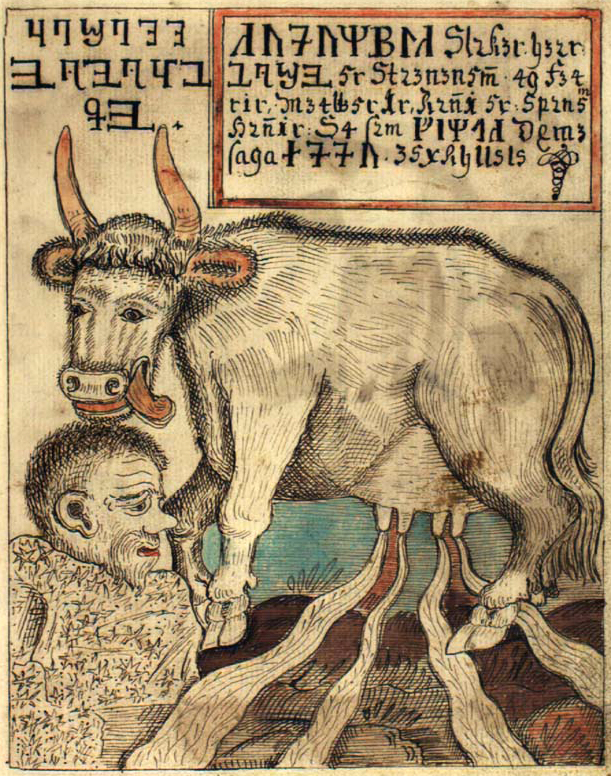
Ireland did become known for exporting corned beef in the 17th century after British landowners brought cattle into the country, but the Irish people themselves could not afford to eat it. The beef was salted, packed into barrels, and shipped to England, France, and the Americas. Cork alone produced half of Ireland’s annual beef exports by 1668.
The Irish were raising and curing beef for the rest of the world while eating pork and potatoes at home. When the Great Famine hit in the 1840s and drove over a million Irish immigrants to American shores, they arrived in a country where beef was suddenly accessible in a way it had never been at home, and they found it being sold by their neighbors.
The Lower East Side and the Jewish Butcher
The Irish immigrants almost solely bought their meat from kosher butchers, and what we think of today as Irish corned beef is actually Jewish corned beef thrown into a pot with cabbage and potatoes. The Jewish immigrants arriving from Eastern and Central Europe in the late 19th century had their own long tradition of curing brisket, a front quarter cut that met kosher requirements and responded beautifully to long brining. When Irish immigrants in New York tasted it they recognized something close to the salted bacon they had grown up eating at home, and when they discovered it was cheap, they bought it in quantity.
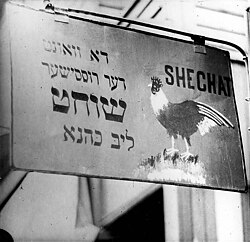
Jewish, Italian, and Irish immigrants lived side by side in the poorer New York neighborhoods of the early 20th century, especially on the Lower East Side of Manhattan. Just as Jewish newcomers had adapted many of their beloved foods from the old country, the other immigrant groups were doing the same thing. The Irish cooked the brisket the way they cooked everything, in a single large pot with whatever vegetables were cheapest and most available. Cabbage was inexpensive, easy to find, and familiar from home. Potatoes were practically a cultural symbol. The combination fed a family, left leftovers for the next day, and cost almost nothing. A new dish was born not from tradition but from necessity and proximity.
Fannie Farmer Puts It in Print
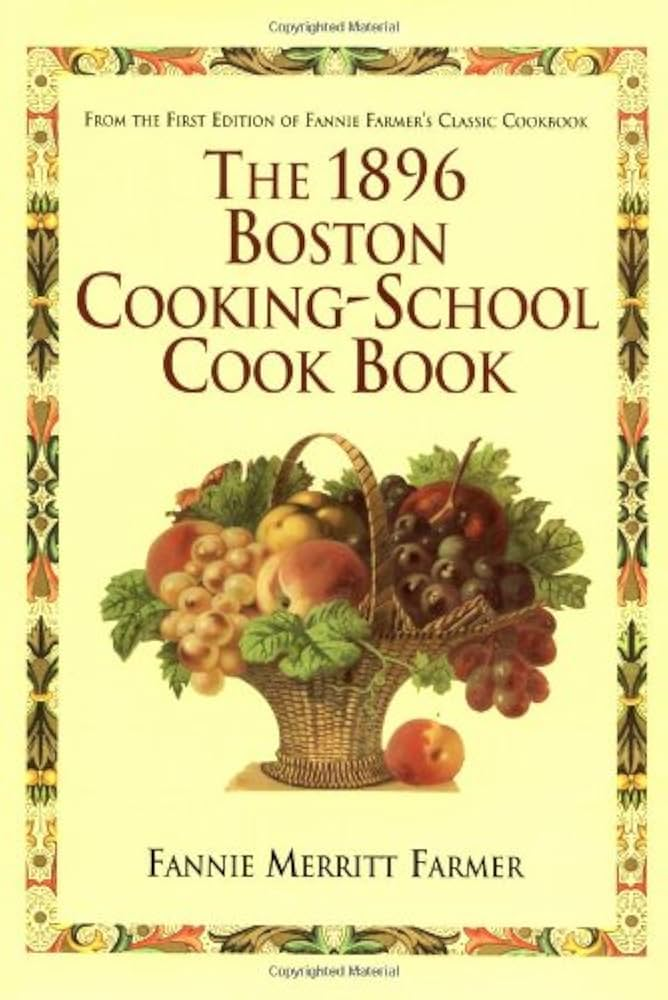
By the time Fannie Farmer published The Boston Cooking-School Cook Book in 1896 corned beef had already established itself as a working-class American staple. Farmer included it under the straightforward heading of Boiled Corned Beef and her description of the dish is one of the most honest assessments of a food ever published in an American cookbook. She wrote that corned beef has but little nutritive value and is used to give variety to our diet in summer, when fresh meats prove too stimulating.
It is eaten by the workingman to give bulk to his food. This was not a dish for the dining room. This was fuel for people doing physical labor, and Farmer treated it accordingly, with clear-eyed respect for what it was and who it fed. Her method was simple and practical: wipe the meat, tie it securely, cover with cold water, bring slowly to a boil, skim, and cook low and slow until tender. Press it under a weight as it cools to hold its shape for slicing. Nothing wasted, nothing complicated, everything focused on producing the best result from an inexpensive cut of meat.
How It Became St. Patrick’s Day
As Irish influence expanded in America, corned beef became a point of cultural pride. St. Patrick’s Day parades offered an opportunity to celebrate traditions from the homeland. Since bacon or ham was considered too English, Irish Americans chose corned beef as the meat to represent their heritage, and cabbage, potatoes, and soda bread were added to the mix for a proper Irish meal. The dish was not imported from Ireland. It was invented here as a statement of identity by people who had been told for decades that they did not belong.
Abraham Lincoln may have had this dish on his mind when he chose the menu for his first Inaugural Luncheon on March 4, 1861, which was corned beef, cabbage, and potatoes. By the early 20th century, the association between corned beef, cabbage, and Irish-American identity was fully established and growing. By the 1920s, it was the default St. Patrick’s Day meal in Irish-American communities from Boston to Chicago to San Francisco. And the popularity never crossed the Atlantic. In Ireland, St. Patrick’s Day remained a religious feast day with lamb, bacon, or Irish stew at the table. The corned beef stayed in America, where it had always really belonged.
My Review
I have made this dish more times than I can count and it rewards patience every single time. The key is exactly what Fannie Farmer understood in 1896, low and slow, nothing rushed, the brisket given enough time to go from tough to genuinely tender in the broth. I add mustard seed and peppercorns to the boiling liquid for depth, and the vegetables go in at the end so they hold their texture rather than collapsing into mush.
The cabbage is last, just fifteen minutes before serving, so it stays bright and slightly firm and soaks up the seasoned broth without disappearing into it. The result is a plate that is honest, deeply satisfying, and completely unpretentious. 7.7 out of 10.
Recipe: How to Make it at Home
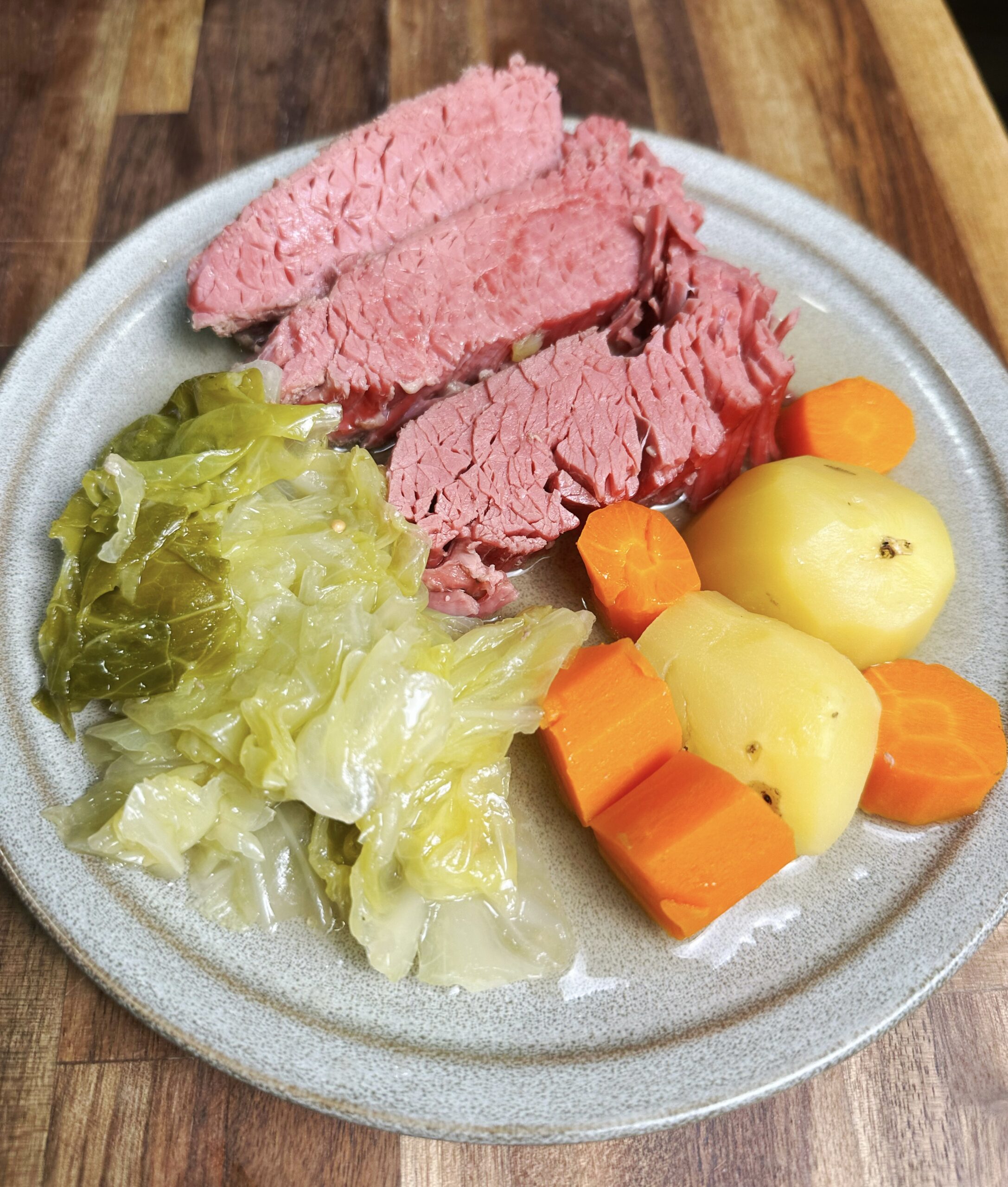
Corned Beef and Cabbage – 1896
Ingredients
- 3 to 4 lb corned beef brisket pre-brined
- 1 tbsp whole peppercorns
- 1 tbsp mustard seeds
- 1 lb baby potatoes halved
- 3 large carrots cut into chunks
- 1 small head green cabbage cut into wedges
Instructions
- Place the brisket in a large pot and cover with cold water. Add peppercorns and mustard seeds. Bring slowly to a boil, skim any foam from the surface, then reduce to a low simmer
- Cover and cook low and slow until the brisket is completely tender and easily pierced with a fork, about 2.5 to 3 hours depending on size
- Add potatoes and carrots to the pot and cook 20 minutes until just tender
- Add cabbage wedges and cook a final 15 minutes until bright and slightly tender but still holding their shape
- Remove brisket and rest 10 minutes before slicing thick across the grain. Serve with vegetables and ladle the hot broth over everything
Notes
- Buy the pre-brined brisket from your butcher or grocery store rather than brining your own unless you have five days to spare. The store-bought brine is well seasoned and produces excellent results.
- Do not rush the simmer. A rolling boil will tighten the muscle fibers and produce tough, stringy beef. A gentle, barely-there simmer for the full cook time is what gives you brisket that pulls apart cleanly under a fork.
- The broth is the secret ingredient. It is deeply seasoned from the curing salts and spices and every vegetable that goes in soaks it up. Do not throw it out. Ladle it generously over the finished plate and use any leftover broth as the base for a soup the next day.